



Recent reports about Samsung's Galaxy Z Flip 8 battery capacity are painting a picture that could leave power-hungry users feeling disappointed. The word from SamMobile suggests Samsung has decided to maintain the same 4,300mAh capacity as the Flip 7, marking a significant departure from the company's recent upgrade pattern. This decision becomes particularly notable given the timing – as competitors push boundaries with higher-capacity cells and faster charging solutions, Samsung appears to be taking a more conservative approach that prioritizes other engineering considerations over raw battery expansion.
The strategic implications run deeper than just specifications. Battery life remains one of the most persistent pain points for foldable users, especially those who depend heavily on camera, social media, and navigation throughout the day. Early insights from GalaxyClub indicate that any endurance improvements will need to come from efficiency gains rather than capacity increases. This signals Samsung's bet on silicon and software optimization rather than simply adding more battery cells – a calculated risk that could either validate the company's engineering prowess or highlight missed opportunities in an increasingly competitive market.
What the numbers actually tell us
The leaked specifications reveal Samsung's deliberate engineering choices beneath the surface. According to reports, the Galaxy Z Flip 8 will feature two battery cells rated at 1,150mAh and 3,024mAh respectively, combining for a total rated capacity of 4,174mAh – marketed as the familiar 4,300mAh figure.
What makes this particularly intriguing is that while the overall capacity remains unchanged, Samsung has adjusted the individual cell capacities compared to the Flip 7. This cell rebalancing suggests internal engineering refinements, possibly related to thermal management or space optimization within the foldable's complex dual-screen architecture. These adjustments indicate Samsung isn't simply carrying over last year's design wholesale, but rather fine-tuning the power distribution for better performance characteristics.
This represents a clear departure from Samsung's established upgrade trajectory. The Galaxy Z Flip 6 featured a 4,000mAh battery, which was upgraded to 4,300mAh in the Flip 7. The pattern before that showed steady capacity increases from the Flip 3's modest 3,300mAh to the Flip 4's 3,700mAh. This marks the first time in recent memory that Samsung has maintained identical battery specifications across consecutive flagship foldable generations, suggesting a shift in engineering priorities from capacity scaling to efficiency optimization.
The broader competitive context makes this pattern break even more significant. Chinese manufacturers have been experimenting with silicon-carbon batteries that offer higher energy density and better cold-weather performance, while competitors like Oppo and Motorola have pushed beyond traditional capacity limits. Samsung's decision to maintain existing specifications indicates confidence that efficiency improvements can deliver meaningful user benefits without the engineering compromises that larger batteries might require.
Where efficiency might pick up the slack
Samsung's unchanged capacity strategy hinges on substantial efficiency improvements from multiple sources. The company is reportedly considering the Exynos 2600 chipset for the Flip 8, built on Samsung's advanced 2nm process. This represents a significant technological leap that could deliver meaningful power savings across CPU, GPU, and neural processing tasks. The smaller process node typically enables better performance per watt, potentially extending usage time even with identical battery capacity.
The efficiency strategy extends beyond just the main processor. Enhanced LTPO tuning that allows the cover display to drop to 1Hz more aggressively could yield incremental but meaningful gains throughout the day. Samsung's refined standby policies and improved thermal management might help extract additional hours from the existing battery envelope. These optimizations target the specific usage patterns that matter most to foldable users – frequent cover screen interactions, standby efficiency, and thermal control during intensive tasks.
Real-world precedent supports Samsung's efficiency-first approach. Recent testing of the Galaxy S26 Ultra demonstrated improved battery life despite using the same capacity as its predecessor, validating the potential for silicon and software optimization to deliver tangible improvements. The key question for foldables is whether these gains can translate effectively to the unique power demands of dual-screen devices with their complex hinge mechanisms and varied usage scenarios.
However, this approach has inherent limitations. Samsung appears to be sticking with established battery chemistry rather than adopting the silicon-carbon anodes that some rivals are piloting. This conservative choice means efficiency improvements must come primarily from silicon and software optimization rather than fundamental advances in energy storage technology. For power users hoping for transformative battery life improvements, the Flip 8 may deliver incremental progress rather than revolutionary change.
How Samsung stacks up against the competition
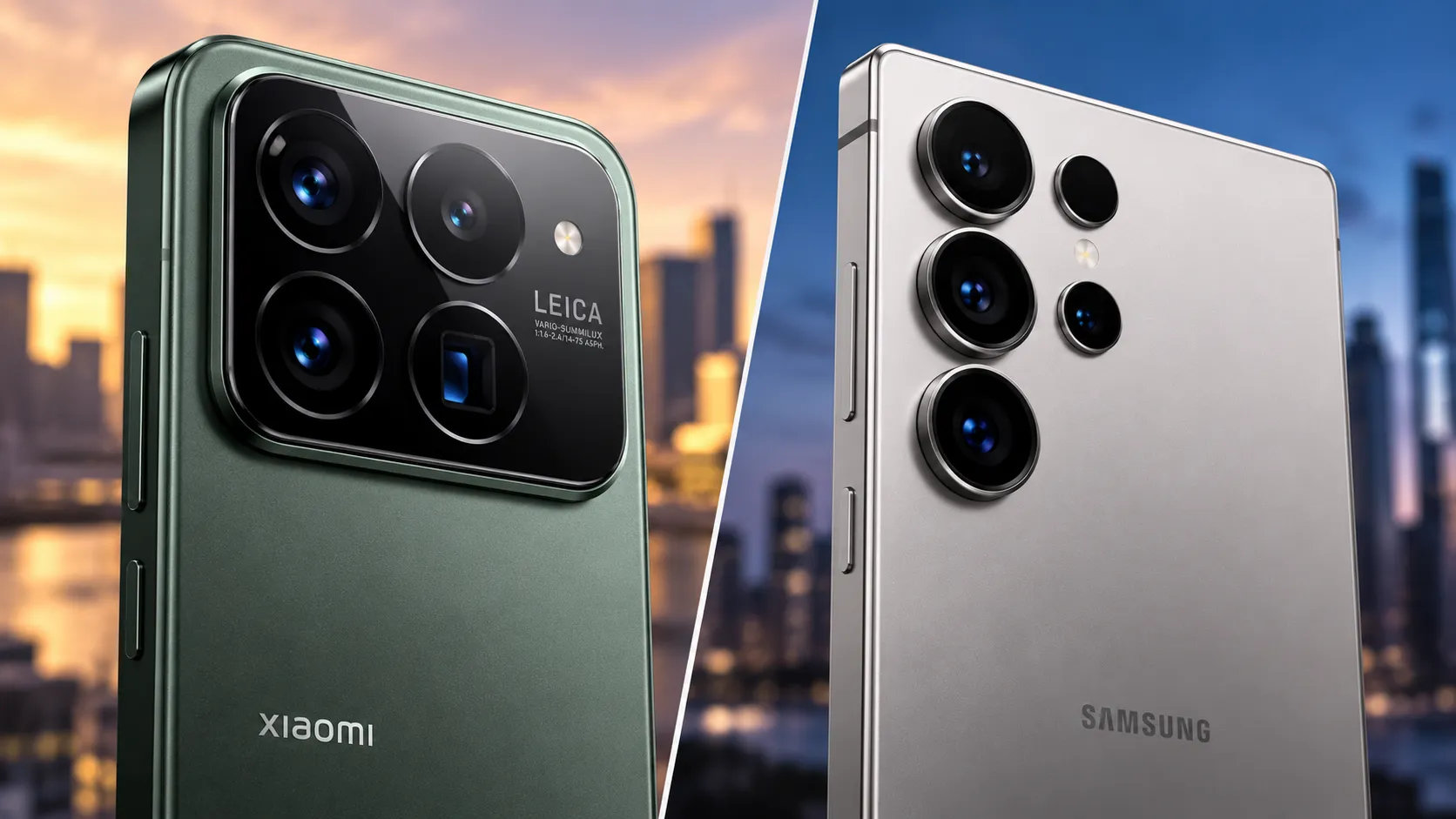
The unchanged battery capacity becomes more concerning when evaluated against aggressive competitor moves in both capacity and charging speed. Rivals are no longer conservative about battery specifications, with brands like Oppo, Huawei, and Motorola betting that users value clear specification advantages over subtle efficiency improvements. Oppo's Find N3 Flip matches the 4,300mAh capacity but includes faster charging, while Motorola's latest Razr models have pushed beyond 4,000mAh with higher wattage charging systems that can dramatically reduce charging time.
Samsung's charging specifications present another competitive vulnerability. Recent clamshell models have topped out at around 25W wired and 15W wireless charging, potentially leaving the Flip 8 trailing competitors offering 44W to 66W systems. While faster charging doesn't solve fundamental capacity limitations, it can transform daily usability for users who rely heavily on photography, messaging, and navigation apps. The ability to quickly top up during brief breaks becomes crucial when the base battery capacity remains unchanged.
This competitive divergence reflects fundamentally different philosophies about foldable design priorities. Some brands are betting that users value headline-grabbing specifications that clearly communicate improvements, while Samsung's approach suggests confidence that build quality, software experience, and long-term reliability matter more than raw numbers. The company has historically prioritized heat dissipation, hinge durability, and camera performance over maximizing battery capacity, and this philosophy appears to continue with the Flip 8.
The trade-offs are real and measurable. Higher wattage charging increases thermal stress and potential long-term battery degradation, but Samsung's conservative approach may cost the company market perception advantages. Whether Samsung's focus on optimization and reliability can overcome competitive specification disadvantages will largely depend on how well the efficiency improvements translate to real-world usage scenarios.
What this means for potential buyers
For consumers evaluating the Galaxy Z Flip 8, the battery situation represents a strategic choice rather than a clear limitation. Users who appreciated the Flip's size, balance, and reliability should find the unchanged capacity reassuring, especially if Samsung delivers meaningful efficiency improvements through the new chipset and software optimizations. This approach suits buyers who prioritize design maturity, proven reliability, and incremental refinements over dramatic specification leaps.
The decision framework becomes clearer when considering different usage patterns. Casual users who primarily rely on messaging, social media, and occasional photography may find that efficiency improvements provide sufficient battery life gains without requiring larger physical batteries. However, power users hoping for an all-day clamshell with significant headroom may need to continue waiting or consider competitors with larger capacities and faster charging systems.
The broader product positioning also matters for purchase decisions. Reports indicate the device will maintain the same camera specifications as its predecessor – 50MP main, 12MP ultrawide, and 10MP selfie – suggesting the Flip 8 is positioned as an iterative update focused on internal improvements rather than a major generational leap. This aligns with pricing continuity expectations, though memory cost fluctuations could affect final pricing, particularly if Samsung upgrades base memory configurations from 8GB to 12GB.
For buyers weighing upgrade timing, the Flip 8 represents Samsung's bet on mature engineering over specification racing. If efficiency improvements deliver noticeable real-world benefits, this approach validates Samsung's focus on user experience optimization. If battery life remains a limiting factor, it may signal that the company needs to reconsider its conservative approach to capacity expansion and charging speed improvements.
The bigger picture for Samsung's strategy
Samsung's battery decision reflects a broader strategic commitment to design maturity and engineering optimization over specification escalation. The company appears focused on refining a proven design envelope rather than pursuing dramatic changes that might introduce new reliability challenges or design compromises. This approach prioritizes consistency and refinement, betting that users value overall experience quality over individual specification advantages.
The timing aligns with Samsung's internal silicon development priorities. Early assessments of the Exynos 2600 suggest major improvements in AI capabilities and power efficiency, positioning the unchanged battery capacity as validation of the company's engineering capabilities rather than a limitation. If the new chipset delivers significantly better endurance through efficiency alone, it demonstrates Samsung's ability to solve battery life challenges through advanced semiconductor design rather than simply scaling battery size.
This strategic positioning has broader implications for Samsung's competitive approach. Rather than engaging in specification wars, the company appears confident that form factor innovation, build quality, software integration, and ecosystem advantages can maintain market position against competitors with higher raw specifications. The success of this strategy will influence whether future Flip models continue the optimization-focused approach or eventually pivot toward larger batteries and faster charging to match competitive pressures.
For the foldable category overall, Samsung's approach sends a clear signal about design philosophy and market maturity. The company continues betting that users prioritize overall experience quality over individual specification advantages, particularly in the fashion-forward Flip lineup where design elegance and reliability may matter more than raw endurance numbers. Whether this philosophy proves correct will depend on how effectively Samsung's efficiency improvements translate to user satisfaction and market acceptance.


Comments
Be the first, drop a comment!