



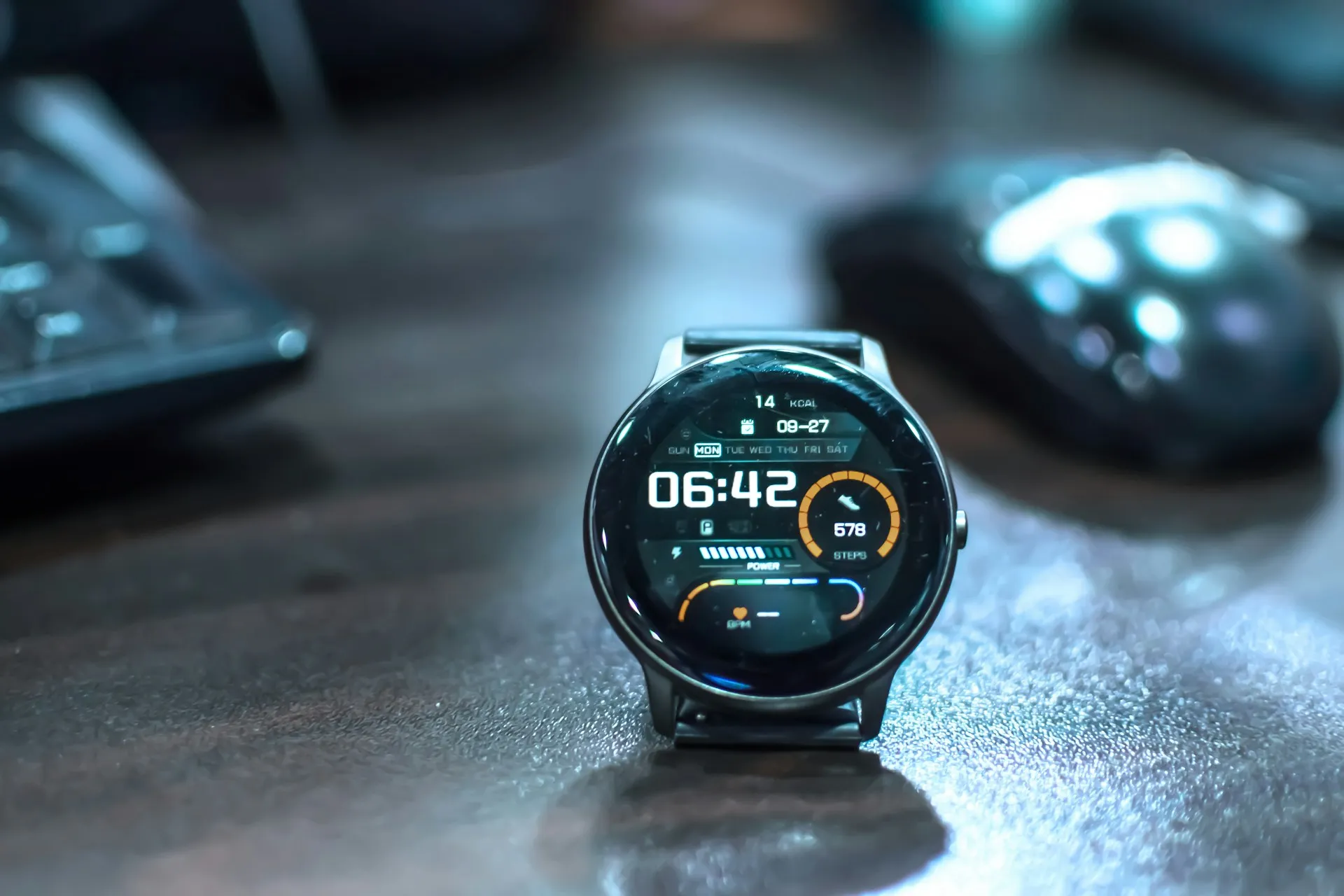
Samsung's cardiovascular health story for Galaxy Watch has quietly changed direction. Samsung's June 4 Samsung Health preview emphasized new AI health tools, while a later Samsung Health notice positioned Blood Pressure Trends as the U.S. replacement for Vascular Load. It has not issued a broad public announcement, but Samsung Health is reportedly notifying U.S. users that Vascular Load will disappear with Samsung Health v7.0 and One UI 9 Watch.
That shift matters for two reasons: it tells you something about how Samsung thinks health features need to be packaged to reach consumers, and it shapes how much weight to give the replacement. Blood pressure trends are more immediately legible than a proprietary vascular stress score, but the feature rests on calibration requirements and non-diagnostic limits that Samsung's marketing language carefully navigates.
The messaging shift: what Samsung has and hasn't confirmed
Samsung introduced Vascular Load in June 2025 as part of One UI 8 Watch, a sleep-based metric using optical sensors to track blood volume and vascular stiffness overnight, framed as a way to catch cardiovascular risk before it becomes a problem. The company followed up last August with a detailed technical explainer on how the sensor worked.
By June 2026, that emphasis had evaporated. Samsung's announcement earlier this month referenced Vascular Load only to place it in the past, pivoting to blood pressure trends as the cardiovascular story for what comes next. Passive blood pressure trend monitoring distinct from the on-demand BP checks already available is confirmed as arriving "later this year," following Samsung's U.S. launch of wrist-based BP monitoring this past spring.
What Samsung has not confirmed: whether Vascular Load is removed from existing hardware, still accessible but deprioritized, or retired only from new devices going forward. Current U.S. owners should check Samsung Health notices and export any Vascular Load data they want to keep before Samsung Health v7.0 / One UI 9 Watch rolls out. Prospective buyers should understand that blood pressure trends, not Vascular Load, appear to be what Samsung is positioning as its cardiovascular offering for the next generation.
Why blood pressure trends are easier to sell than Vascular Load
Vascular Load had a consumer comprehension problem. The metric tracked PPG waveforms during sleep to infer stress on blood vessels, a genuinely interesting measurement, but one requiring users to first understand what "vascular stress" meant before any number on screen carried meaning. Samsung could explain it in a blog post, but that explanation had to happen before the feature became useful.
Blood pressure needs no translation. Anyone who has sat in a doctor's office understands the basic concept of a reading, and whether it's going up or down over time. Samsung can put that data in front of users without first teaching them a new vocabulary. The addressable audience is also enormous: nearly 119.9 million U.S. adults had high blood pressure in 2025, roughly half the adult population, according to Samsung's own announcement citing CDC figures. There is no equivalent cultural foothold for vascular load as a consumer concept.
The word "trends" is also doing more work than it appears to. It turns out to be technically accurate, not just a marketing softening, and the reason why comes down to how the feature actually functions.
What Galaxy Watch blood pressure trends can and cannot tell you
Samsung's watch does not measure blood pressure directly. It reads physiological waveforms at the wrist and produces estimates anchored to a reference value set by the user, using a separate upper-arm cuff sold independently that must be used to recalibrate the watch every 28 days. Without that calibration, the watch has no fixed reference point. It can track movement, but movement relative to nothing.
The AHA's December 2025 scientific statement on cuffless devices confirms this is how the category works: because wrist-based sensors don't measure blood pressure directly, they need repeated cuff calibration to yield values in mmHg, and without it, they can only communicate changes relative to the calibrated baseline. "Trends," in other words, is the technically correct description of what the feature produces.
The accuracy of those trends is only as good as the calibration sustaining them. The AHA flags that cuffless device accuracy depends heavily on the quality of the cuff used for calibration, the user's technique when taking the reference measurement, and whether recalibration stays on schedule and notes that the separately purchased cuff may or may not include adequate instruction on proper technique.
A missed or imprecise calibration doesn't just reduce accuracy; it corrupts the baseline everything else is measured against. Schedule the 28-day recalibration, use a validated upper-arm cuff, and follow the instructions carefully. That's the single most important thing a user can do to make trend data meaningful rather than decorative.
For current owners: treat a sustained upward trend over several weeks as a prompt to get a proper reading from a validated arm-cuff device or a clinician, not as a number to act on directly. For prospective buyers: this is a useful early-warning tool if the setup is maintained. It is not a replacement for clinical monitoring.
The feature requires Galaxy Watch 4 or later, Wear OS 4.0 or higher, Android 12 or higher, and the Samsung Health Monitor app. Samsung is explicit that it is not intended for diagnosing, treating, or preventing disease.
The regulatory environment: cuffless BP is real, but uneven
The FDA issued a safety communication last September warning consumers against unauthorized software features on smartwatches and smart rings that claim to measure blood pressure, citing risks including missed diagnoses and serious downstream harms such as stroke, heart attack, and heart failure. That warning targets unauthorized features specifically. The AHA notes separately that some cuffless devices have received FDA clearance and are being used in clinical settings. The category is not uniformly fringe; it is uneven, and the distinction between cleared and unauthorized devices matters.
The clinical bar remains high regardless. The 2025 AHA/ACC guideline recommends against using cuffless blood pressure devices for diagnosing or managing hypertension until the category demonstrates substantially better accuracy and reliability through independent validation. Samsung's "trends" framing sits below that clinical threshold by design and given where the science currently stands, that is the appropriate place for it to sit.
Whether regulatory pressure, consumer-facing clarity, or straightforward technical honesty drove Samsung toward trend language rather than diagnostic claims is not documented. The timing and logic are consistent with all three.
What comes next
Samsung is swapping an unfamiliar proprietary score for a more legible blood pressure story. The commercial rationale is clear, and for most users, the interpretive accessibility is a genuine improvement; blood pressure trends land immediately in a way that vascular load never did.
The ceiling is set by the technology, not the marketing. Used as a directional wellness prompt, with calibration kept current and no diagnostic expectations, this is a reasonable tool. Used as a substitute for clinical measurement, it isn't.
The next Galaxy Watch reveal will show how centrally Samsung Health Monitor blood pressure trends feature in the pitch for the new generation. It will also show whether Vascular Load gets a formal explanation on its way out or simply fades from the interface without one. Current owners have earned the former. They're probably getting the latter.


Comments
Be the first, drop a comment!