



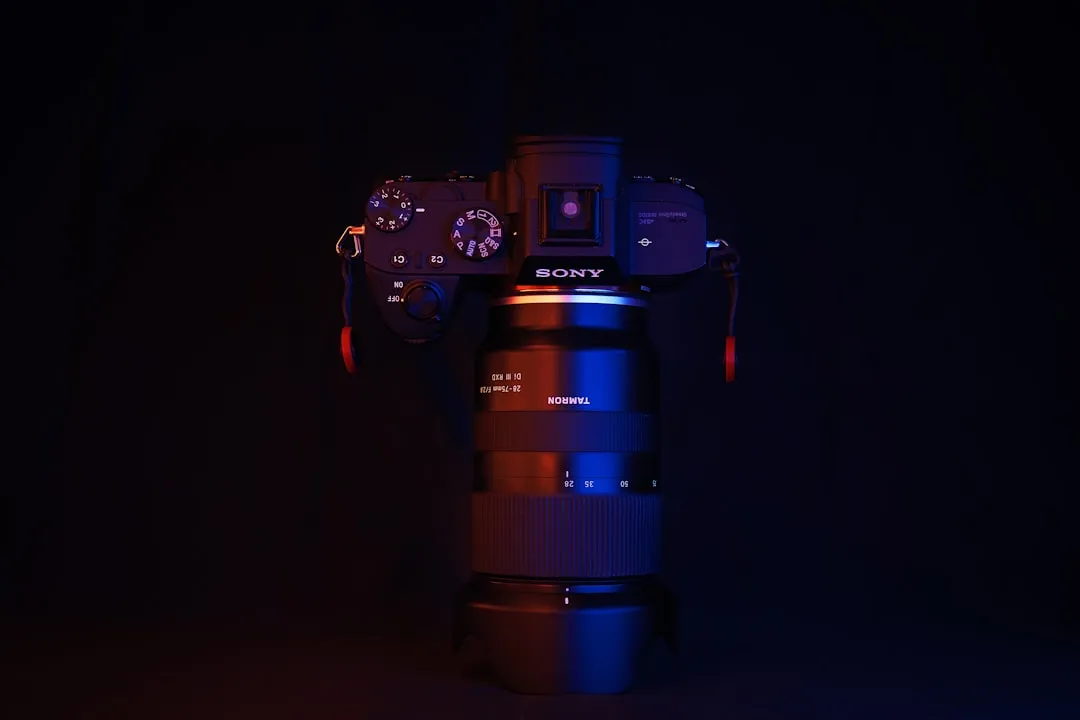
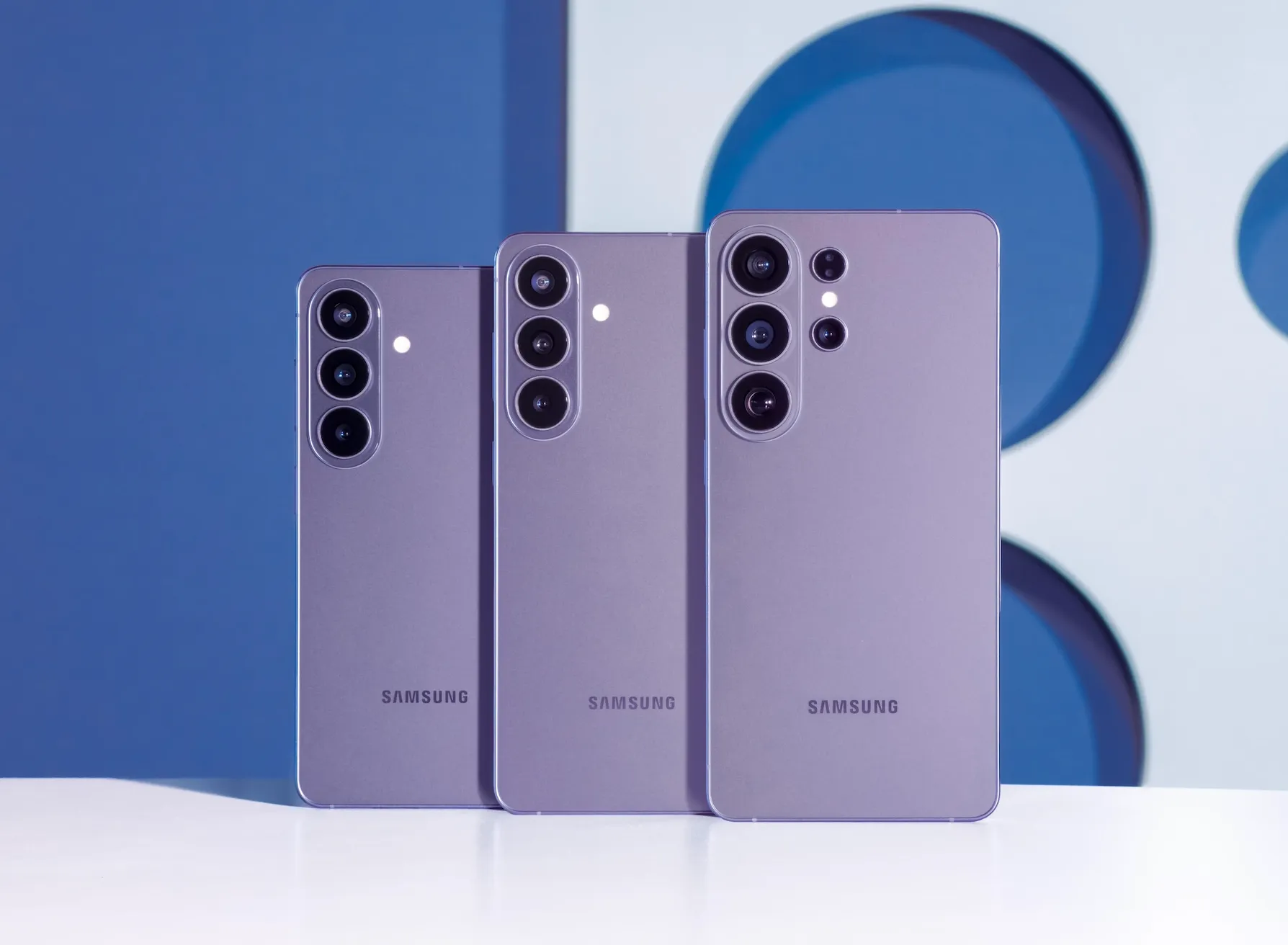
Samsung's camera hardware has been stuck in a familiar pattern for years now. While the company has consistently delivered solid photography experiences, they've been playing catch-up in certain areas where competitors have pushed ahead. But recent whispers from the rumor mill suggest the Galaxy S27 Ultra might finally shake things up with a significant camera sensor upgrade and the introduction of LOFIC technology.
What exactly is LOFIC and why should you care?
LOFIC stands for Lateral Overflow Integration Capacitor, and while that might sound like engineering jargon, it's actually a newer sensor design approach used to improve dynamic range to how camera sensors handle light information. Think of it as giving each pixel on your camera sensor a backup storage unit for excess light data.
You know that frustrating moment when you're trying to capture a perfect sunset photo? Traditional camera sensors struggle with what photographers call dynamic range - basically the difference between the darkest and brightest parts of an image that can be captured at the same time. When you're shooting that sunset with dark trees in the foreground, conventional sensors force you into an annoying choice: expose for the bright sky and lose all that shadow detail, or expose for the shadows and completely blow out the highlights in the sky.
LOFIC technology changes this whole equation by essentially creating two exposure readings for each pixel. Picture this - one reading handles normal light conditions, while another captures that overflow light that would typically cause those blown-out highlights we all hate. This dual-capture approach allows for significantly improved dynamic range without putting your phone's processor through the computational gymnastics that traditional HDR processing requires.
What's really clever about this is that it's happening at the hardware level, not through software tricks. Instead of your phone frantically trying to combine multiple exposures after the fact, the sensor itself is collecting better light information from the moment you press that shutter button.
PRO TIP: While LOFIC is cutting-edge tech, you can see similar dual-exposure concepts already working in some professional cameras and even certain smartphone implementations - though none have quite nailed the seamless integration that true LOFIC promises.
How Samsung's current sensors fall short
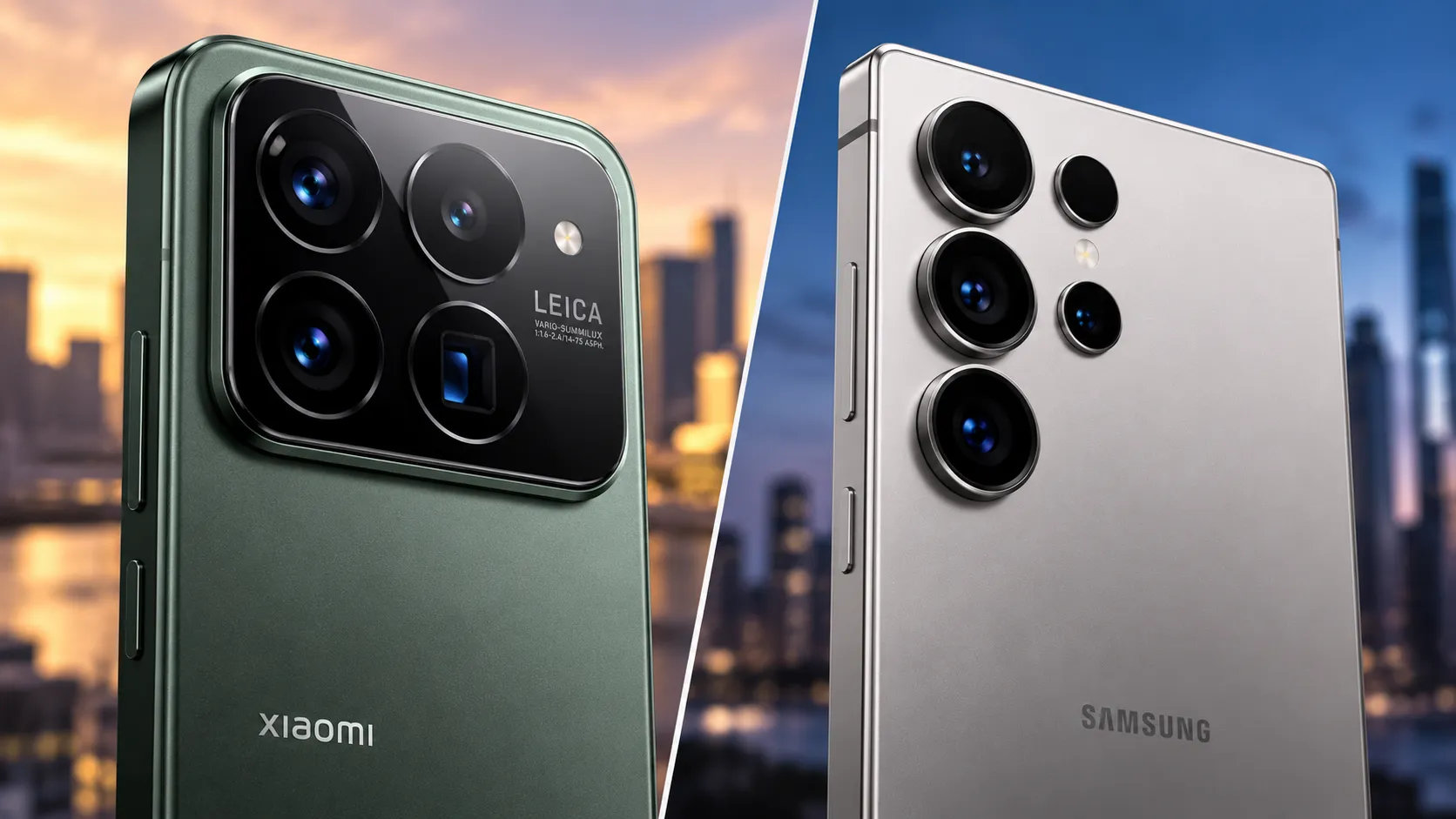
Here's the thing about Samsung's recent flagship cameras - they've been relying heavily on computational photography to bridge some pretty significant hardware limitations. The company's ISOCELL sensors are certainly capable, but they haven't quite matched the raw dynamic range performance we're seeing from competitors like Sony's latest offerings, or even Google's Pixel sensors when things get challenging lighting-wise.
From my extensive testing with recent Galaxy Ultra models, you've probably noticed they often produce images requiring pretty aggressive HDR processing. Sometimes this results in that overly processed look that photography enthusiasts love to criticize. The sensors themselves aren't bad - they're just working way harder than they should because they're not capturing optimal light information from the start.
Samsung's image signal processor has basically been doing heavy lifting to compensate for these sensor limitations. But there's only so much software can accomplish when the underlying hardware isn't providing the best possible data to work with. It's like trying to enhance a mediocre recording - you can clean it up, but you can't create information that wasn't captured originally.
The result? Photos that sometimes feel over-sharpened or have that telltale HDR glow, especially in mixed lighting conditions. I've seen this consistently when shooting backlit subjects or high-contrast scenes with Galaxy devices. Samsung has gotten better at this over the years, but the fundamental limitation remains at the sensor level.
What the ISOCELL HP6 could bring to the table
The rumored ISOCELL HP6 sensor represents way more than just your typical generational upgrade. If Samsung implements LOFIC technology effectively, we're looking at a fundamental shift in how the Galaxy camera system captures and processes images.
This isn't just about bumping up megapixel counts or getting slightly better low-light performance (though those improvements might come too). LOFIC integration would mean the sensor itself is capturing more usable light information right from the start. That reduces the phone's reliance on computational photography for basic dynamic range improvements - addressing the core issue I mentioned earlier about over-processing.
Now here's what gets interesting - the implications extend well beyond still photography. Video recording, particularly in challenging lighting conditions, could see dramatic improvements. Current Galaxy phones sometimes struggle with exposure consistency during video recording when lighting conditions change rapidly. You know that annoying pumping effect where the exposure keeps adjusting as you pan across a scene? LOFIC's dual-exposure capability could help smooth that out significantly.
Think about recording a video where you're moving from bright outdoor light into a shadowy area. Right now, your Galaxy phone's camera has to make rapid exposure adjustments, and it doesn't always look smooth. With better hardware-level dynamic range capture - that dual-pixel approach LOFIC enables - those transitions could become much more natural and cinematic.
The software challenge Samsung still needs to solve
Here's where things get tricky though - hardware improvements only tell part of the story. Samsung's camera app and image processing pipeline would need significant updates to fully utilize LOFIC capabilities. The company has historically been pretty conservative with camera software changes, often prioritizing consistency over pushing creative boundaries.
The image signal processor would need to be completely redesigned to handle the dual-exposure data streams that LOFIC sensors provide. This isn't simply a matter of updating some camera app features or tweaking a few settings. We're talking about fundamental changes to how the phone processes image data at the hardware level - essentially teaching the ISP to work with two light readings per pixel instead of one.
Samsung would also face an interesting balancing act with the improved dynamic range capabilities and their typical image processing style. Galaxy phones have built their reputation on vibrant, punchy images that appeal to mainstream users scrolling through Instagram. But LOFIC technology tends to produce more natural-looking results that might require some serious adjustments to Samsung's processing algorithms.
The question becomes: do they lean into the more natural look that LOFIC enables, or do they continue applying their signature processing style on top of better sensor data? Getting this balance right could make or break the whole upgrade. Based on Samsung's approach to previous sensor improvements, I suspect they'll find a middle ground that preserves their visual identity while leveraging the hardware improvements.
Where this leaves Samsung in the camera race
If these rumors prove accurate, the Galaxy S27 Ultra could represent Samsung's most significant camera hardware leap in years. LOFIC technology would actually put Samsung ahead of many competitors who are still relying primarily on computational photography to solve dynamic range challenges.
But here's the bottom line - the success of this potential upgrade will ultimately depend on execution. Samsung certainly has the engineering expertise to implement LOFIC effectively, but they'll need to resist their historical urge to over-process the improved sensor data. The best camera sensors in the world can still produce mediocre results if the software doesn't complement the hardware properly.
The timing would also be pretty strategic. Other manufacturers are likely working on similar sensor technologies, and getting LOFIC implementation right could give Samsung a meaningful advantage in the premium smartphone camera market for the next product cycle.
What's particularly exciting is that this represents Samsung potentially taking the lead on camera hardware innovation rather than playing catch-up. For years, they've been the company that makes great screens and solid overall packages, while others pushed the boundaries of computational photography. LOFIC could flip that script and make the Galaxy S27 Ultra the phone that other manufacturers need to respond to.
The key will be whether Samsung can resist the temptation to over-engineer the software side of things. Sometimes the best camera improvements are the ones that just work transparently, giving users better results without them having to think about why. If Samsung nails this balance with the HP6 sensor, we could be looking at a genuine game-changer in smartphone photography.


Comments
Be the first, drop a comment!