





Galaxy S27 Ultra 3x Telephoto Camera Removal: What We Know
Leaker Ice Universe claims the Galaxy S27 Ultra 3x telephoto camera could be cut entirely from the lineup, replaced by a new 200MP primary sensor handling that zoom range instead, SamMobile reported today. If accurate, it would be the first time Samsung has removed the dedicated 3x optical lens since adding it on the S21 Ultra in 2021. Every Ultra model since has kept it.
Samsung is said to be confident the upgraded main camera can cover the 3x focal length without a dedicated module. That claim deserves scrutiny, because the 3x range is where most people actually use zoom: portrait distance, crowd shots, mid-range travel detail. Dropping a dedicated lens there is not a minor spec change.
The rumor is plausible. It is also far from settled.
What the Galaxy S27 Ultra 3x telephoto camera rumor actually says
This is the most specific leak yet on the telephoto question, and it directly contradicts an earlier one from the same source. In January, Ice Universe indicated the S27 Ultra's telephoto hardware would stay largely unchanged, with only the periscope potentially gaining a wider aperture, Android Authority reported earlier this year. Four months later, the 3x module may be gone entirely. Specs do shift during development, but readers should know the same leaker reversed course specifically on this point.
The sensor story adds context, though it introduces its own limits. In March, leaker Digital Chat Station reported that Samsung has developed a new 200MP imaging sensor, allegedly named ISOCELL HPA, with a larger 1/1.12-inch format, up from the 1/1.3-inch sensor used in both the S25 Ultra and S26 Ultra, Android Police reported two months ago. That sensor is expected to arrive in 2027 and would be restricted to top-tier devices. Critically, Digital Chat Station did not directly claim it would land in the Galaxy S27 Ultra. The S27 connection is an inference from timing, not an assertion.
Ice Universe added a further wrinkle: Samsung may instead use a modified variant called the HP6, keeping the same 1/1.3-inch physical size as current models but achieving comparable performance through improved sensor architecture, 9to5Google noted in March. The specific sensor, its physical size, and its confirmed placement in the S27 series all remain open questions.
The thread running through all of it: Samsung appears to be developing meaningfully better main-sensor hardware for 2027, and something in that development has convinced Ice Universe that a dedicated 3x lens is no longer necessary.
Two years of incremental updates set the stage
The Galaxy S26 Ultra's camera system changed in one meaningful way over its predecessor: wider apertures on the primary and periscope telephoto lenses, allowing more light in, Android Authority reported two months ago. That was it. No new sensors, no structural redesign.
It was the second consecutive year of incremental updates to a system that Ice Universe has publicly criticized for reusing core sensor hardware across generations, Android Authority noted earlier this year. The S27 Ultra is the natural pressure point where something more substantial would be expected, which makes an ambitious hardware rethink plausible independent of any specific leak.
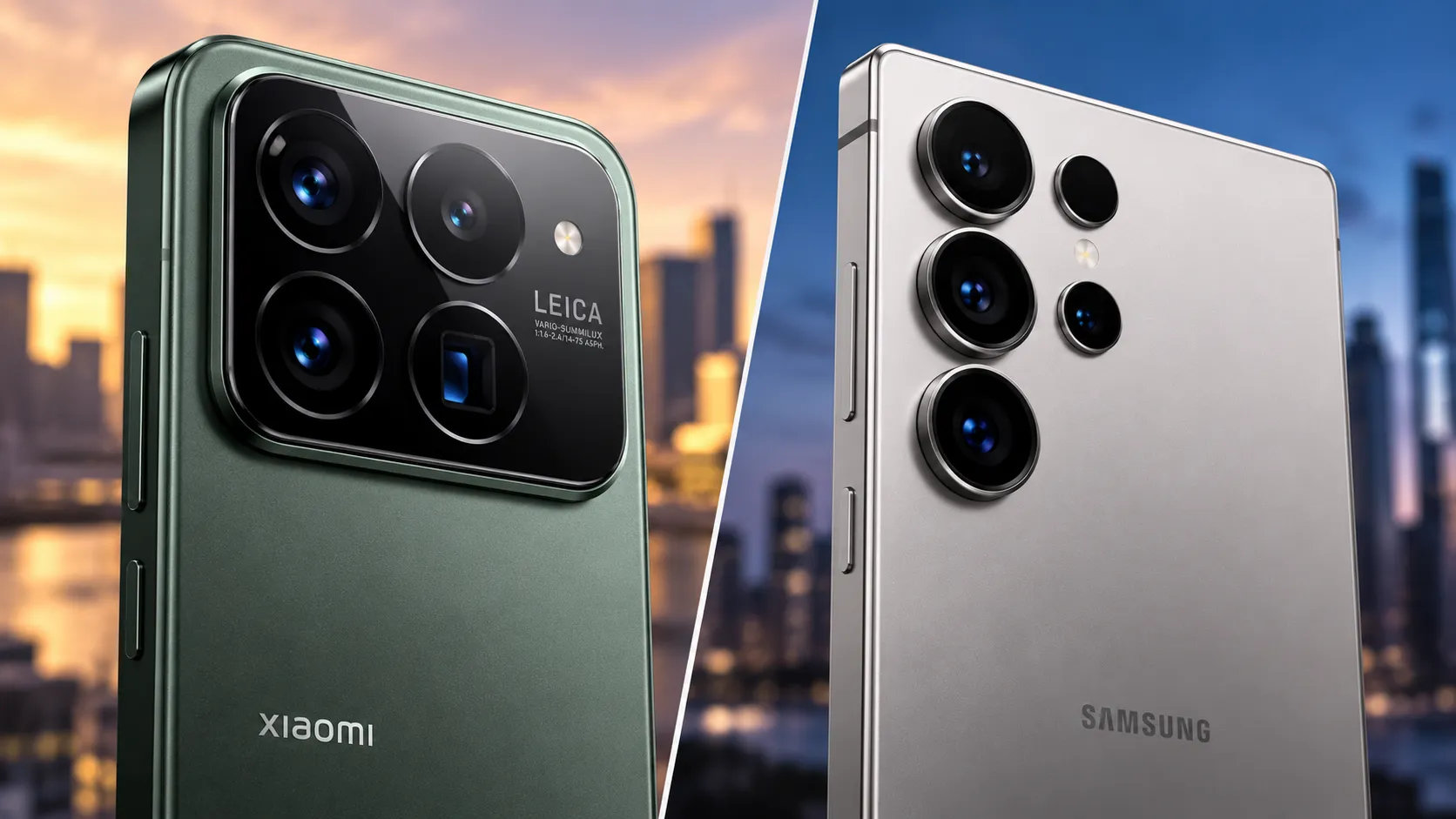
The technology being discussed is also not new to the industry. LOFIC (Lateral Overflow Integration Capacitor) places an overflow capacitor inside each pixel, allowing it to absorb more light before overexposing, effectively delivering wider dynamic range from a single exposure rather than a software composite, Android Authority explained. The Xiaomi 17 Ultra already uses LOFIC on its primary camera, and Apple is reported to be implementing it on this year's iPhone lineup, 9to5Google noted. If Samsung adopts LOFIC on the S27 Ultra, it joins devices that already ship with the technology, not leads them.
Where a 200MP crop can close the gap, and where it can't
The specific mechanism the rumor describes is a 200MP primary sensor cropped to a 3x field of view, delivering an effective zoom without a dedicated lens. Whether that approach works depends on the shooting conditions.
In bright or mixed-light outdoor scenarios, the case is credible. LOFIC's key function is preventing pixels from saturating in strong light, essentially enabling single-exposure HDR, Android Authority reported. A crop from a LOFIC-enabled main sensor could handle high-contrast situations better than a standard telephoto, and light-hungry features like Horizon Lock would also benefit from the improved sensor output, Android Police noted. The leaks support that case.
In low light, the physics work against a cropped sensor. A dedicated telephoto lens is optically matched to its focal length. Cropping a region from a larger sensor captures less scene information for that field of view and amplifies existing noise. LOFIC improves per-pixel light handling, but the leaks do not include sample images, direct performance comparisons to the current 3x camera, or any testing data. The low-light trade-off is a reasonable inference from how sensors behave, not a claim the sources make explicitly.
There are also gaps the leaks do not address at all: how video zoom transitions would behave without a discrete 3x optical step, whether autofocus performance changes at that range, and how the periscope telephoto might be reconfigured if the 3x module is removed. These are practical questions for anyone who shoots with a phone regularly, and no current leak touches them.
What to watch as the S27 launch approaches
The current leak trail points in a consistent direction. Samsung is developing a substantially better primary sensor for its 2027 flagship, and at least one well-sourced leaker now believes it can absorb the 3x focal length without a dedicated module. That is a meaningful shift in how Samsung would be thinking about camera system design.
How much weight to give it is another matter. Ice Universe reversed course on the telephoto question between January and this month. Digital Chat Station never directly attributed the new sensor to the S27 Ultra. The same leaker previously reported Samsung scrapped an earlier sensor upgrade over cost concerns, Android Authority noted in January. Treat the current picture as a direction, not a decision.
The Galaxy S27 Ultra is expected to launch in early 2027, Android Authority reported. Three things worth watching as clearer leaks arrive: confirmed sensor specs with a direct S27 attribution, low-light sample comparisons, and whether the periscope telephoto is reconfigured to compensate for any 3x gap. Those details will determine whether this is a smart consolidation or a trade users will feel every time they pull out their phone.


Comments
Be the first, drop a comment!