





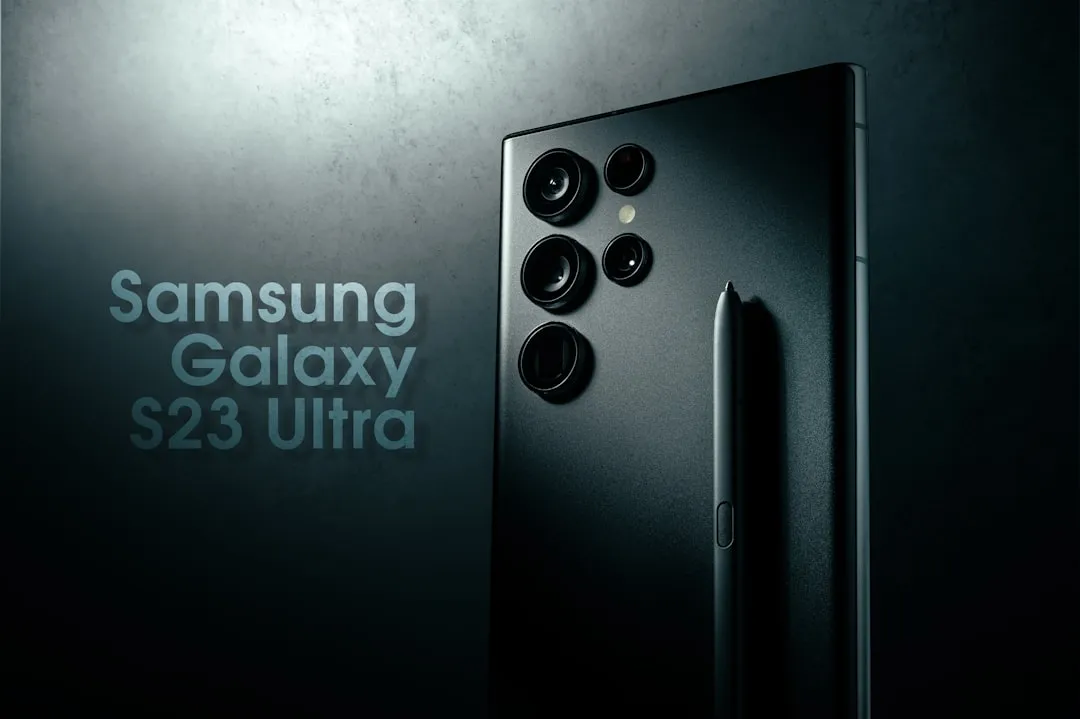
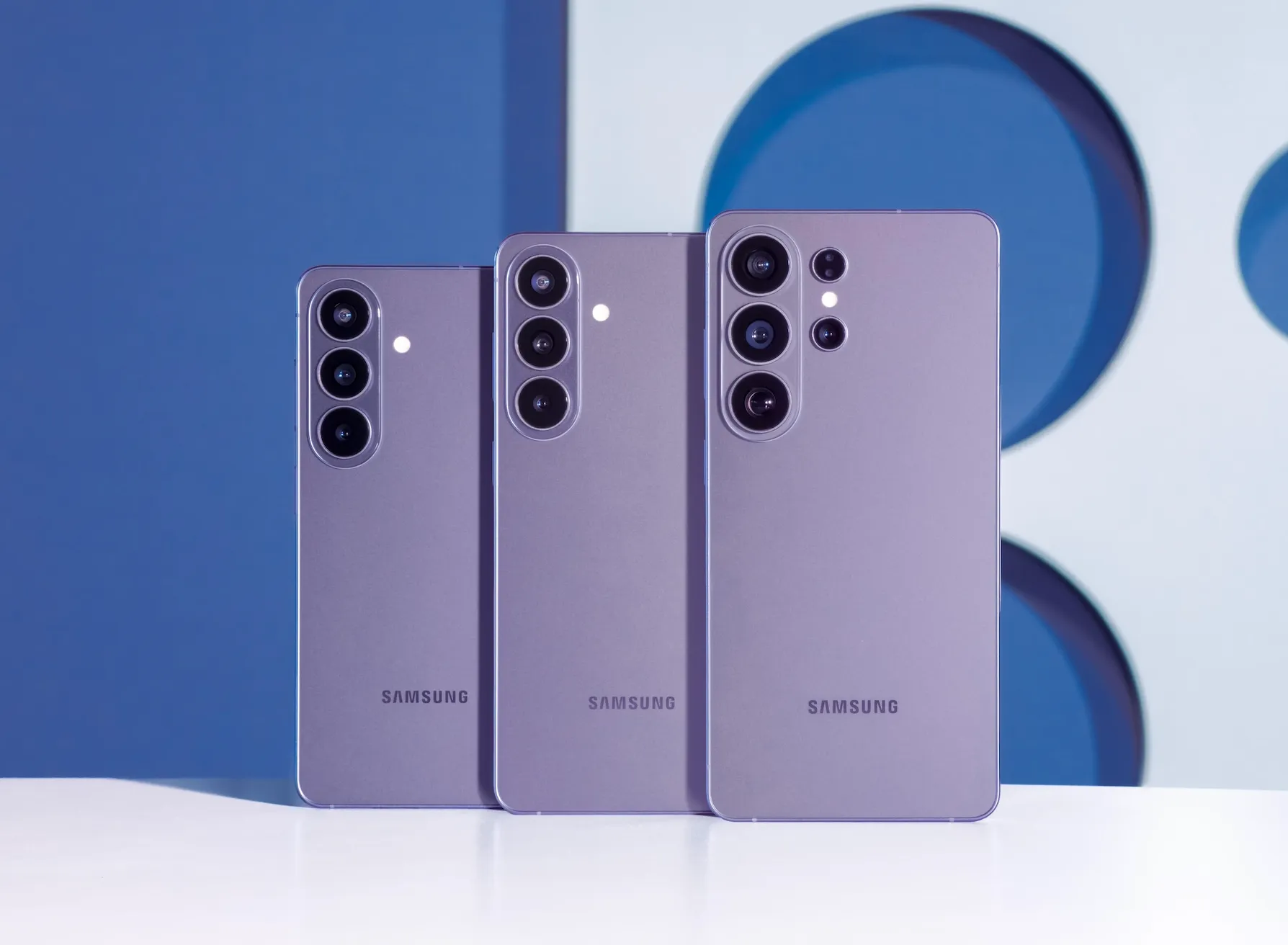
Samsung's Galaxy S26 lineup is generating significant buzz among developers and power users, and for good reason. While Google launched Linux Terminal support last year, Samsung's flagship devices remained conspicuously absent from the compatibility list. The S25 Ultra had all the necessary hardware but have not publicly supported AVF/Linux Terminal features. Recent discoveries in pre-release log files suggest this limitation may finally change with the S26 series. Early evidence points to the Galaxy S26 Ultra potentially becoming the first Samsung flagship to offer comprehensive Linux Terminal capabilities, matching what's already available on Pixel devices. This development could mark a significant shift in Samsung's approach to supporting advanced developer tools directly on their flagship smartphones.
What the S26 Ultra brings to the table
The Galaxy S26 Ultra appears poised to bridge the gap between Samsung's hardware capabilities and Google's software innovations. Log files from the upcoming device reveal references to the Android Virtualization Framework (AVF), which serves as the foundation for Linux Terminal functionality. This framework enables devices to run a complete Linux environment locally without requiring external workarounds or third-party solutions.
Now here's the thing that makes this particularly compelling—the timing aligns perfectly with Samsung's software roadmap. The S26 series will launch with One UI 8.5, expected to be based on a later Android 16 update (unconfirmed), which includes system-level support for the virtualization framework. Unlike the current One UI 8.0 based on standard Android 16, this newer foundation provides the necessary infrastructure for Samsung to finally implement Linux Terminal support.
The technical evidence is remarkably specific. Evidence from Android Authority's analysis of the S26 Ultra's system files shows clear indicators of AVF integration, suggesting Samsung is committed to bringing this feature to their flagship lineup. The log files don't just hint at the possibility—they explicitly reference "android.software.virtualization_framework," which represents the exact system-level infrastructure required for full Linux Terminal implementation.
Why developers should care about native Linux support
For developers and tech enthusiasts, native Linux Terminal support represents a game-changing capability. The feature allows users to run development tools, scripting utilities, and Linux-based applications that traditionally required a separate computer, eliminating the need for unofficial workarounds.
Let's break down what this actually means in practice. The practical benefits extend beyond convenience. Developers can test APIs or web interfaces directly on their phone, making mobile development work truly portable. Imagine being able to spin up a quick test server, debug a script, or run command-line utilities without reaching for your laptop. This capability proves especially valuable for on-the-go development scenarios where carrying a laptop isn't practical.
But here's where it gets really interesting from a security perspective. Security applications also benefit significantly from this implementation. The virtualized environment creates an isolated space where sensitive code remains protected from the main Android system, allowing security companies to run malware scanners in completely separate environments. Even if the device's Android installation becomes compromised, the Linux virtual machine remains unaffected and trustworthy.
This isolation isn't just theoretical—it's a genuine security advantage that could make smartphones viable for enterprise development work that previously required dedicated, secured hardware.
Which Galaxy S26 models will support Linux Terminal?
Currently, evidence points specifically to the Galaxy S26 Ultra receiving Linux Terminal support through the Android Virtualization Framework. The log files and system references discovered by Android Authority focus exclusively on the Ultra model, suggesting it may be the flagship recipient of this feature.
You might be wondering why Samsung would limit this to just the Ultra model. Samsung hasn't confirmed whether the standard S26 and S26 Plus models will include AVF support. Given the computational requirements of running virtual machines alongside Android, the company may reserve this feature for their most powerful hardware configuration. The Ultra typically receives Samsung's most advanced processors and maximum RAM configurations—likely 12GB or 16GB in the S26 Ultra compared to 8GB or 12GB in standard models—making it the logical choice for resource-intensive virtualization.
The broader question involves backward compatibility with existing devices. Samsung's recent flagships, including the Galaxy S25 Ultra, Galaxy Z Fold 7, and Galaxy Z TriFold, possess capable hardware that could theoretically support Linux Terminal, though Samsung hasn't indicated plans to extend this feature to older devices through One UI 8.5.
From what I can tell based on the available evidence, Samsung seems focused on launching this capability with their newest flagship first, then potentially expanding support based on user demand and real-world performance validation.
What this means for Samsung's developer ecosystem
Samsung's potential embrace of Linux Terminal support signals a significant strategic shift toward courting power users and developers. For years, the company focused primarily on consumer features while Google's Pixel devices led in developer-friendly capabilities. This change would put Samsung flagship devices on equal footing with Pixel phones in terms of advanced development tools.
The integration represents more than just feature parity—it demonstrates Samsung's commitment to supporting the full Android ecosystem. By enabling AVF support, Samsung acknowledges that their flagship users want access to Google's complete feature set, not just a curated subset. The discovery in One UI 8.5 suggests Samsung is finally ready to implement this capability.
This development could influence Samsung's relationship with enterprise and developer communities in interesting ways. Companies requiring secure, isolated development environments on mobile devices now have a potential Samsung option, expanding beyond the current Pixel-centric ecosystem. That's particularly significant given Samsung's strong enterprise presence and existing Knox security platform, which could complement the AVF's isolation capabilities for even more robust security implementations.
The timeline here is worth noting too. Samsung is expected to launch One UI 8.5 alongside the Galaxy S26 series on February 25, 2026, making this a near-term reality rather than a distant possibility. If the implementation proves successful, we could see Samsung rolling out Linux Terminal support more broadly across their flagship lineup.
The bottom line: Samsung appears ready to compete directly with Google's developer-focused features, potentially making the Galaxy S26 Ultra the first Samsung device to offer truly comprehensive Linux Terminal support. For developers who've been waiting for Samsung to embrace Google's advanced virtualization capabilities, the S26 Ultra could finally deliver the native Linux environment they've been seeking.

Comments
Be the first, drop a comment!