





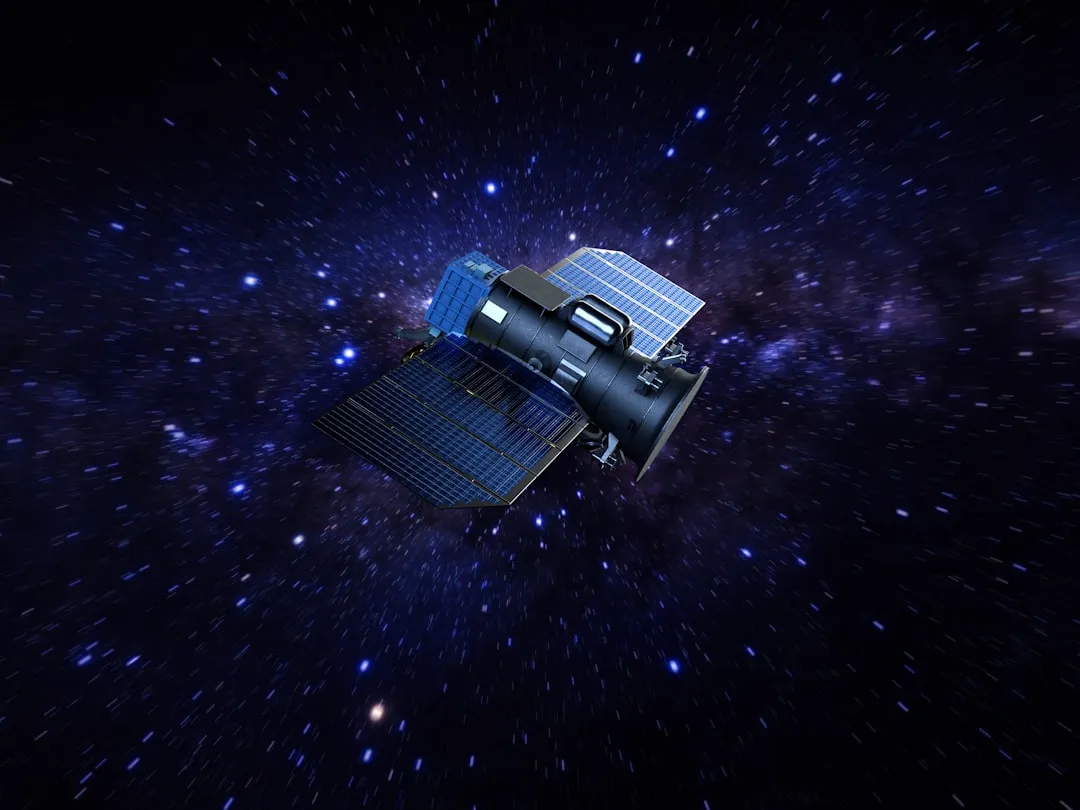
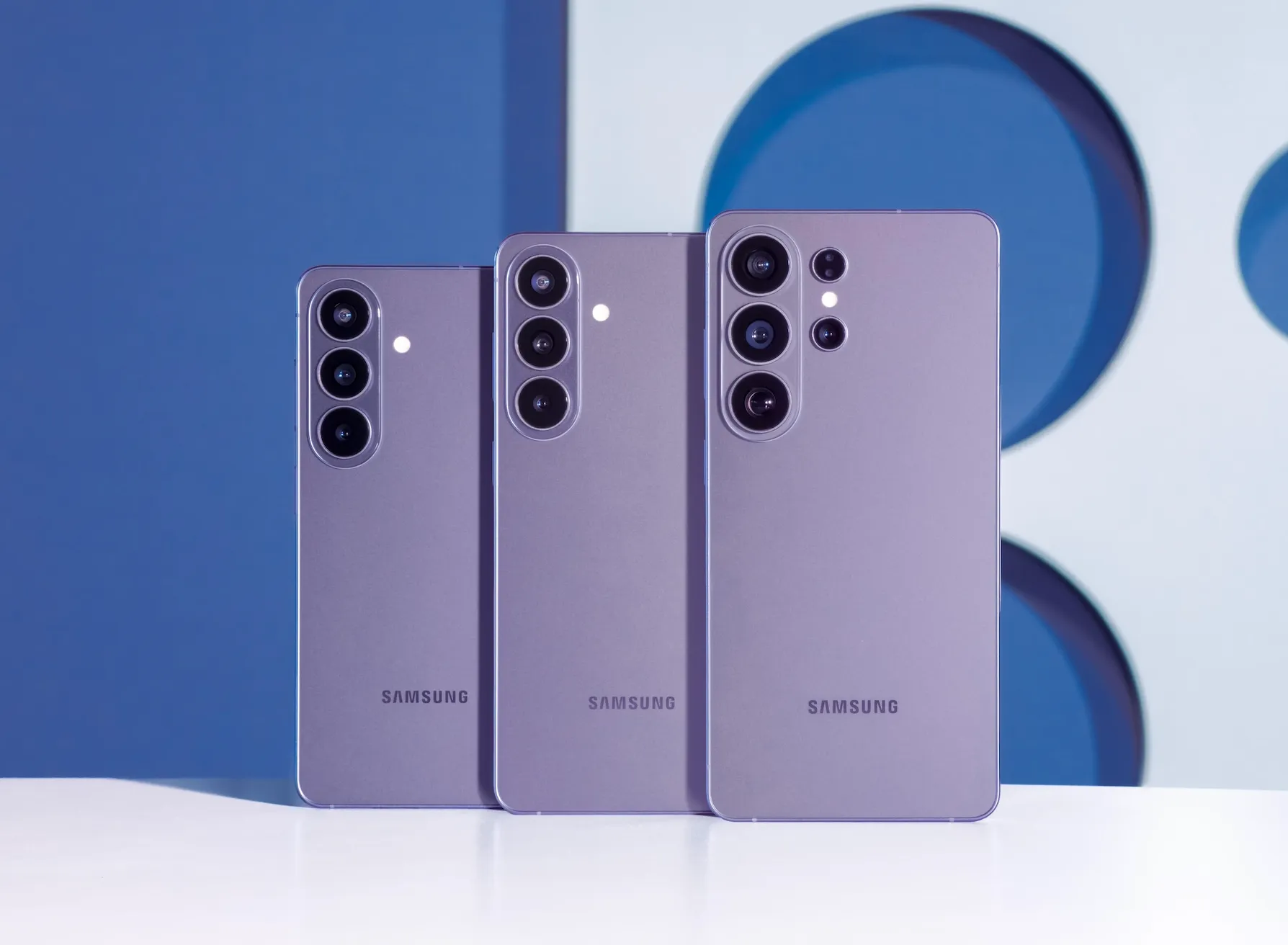
When Samsung first announced the Galaxy S26 series at their February event, the satellite connectivity details were frustratingly vague. Two days later, we finally got the full picture, and it's both impressive and complex. Samsung has officially revealed which regions will receive satellite connectivity support for the Galaxy S26 series, marking the company's most ambitious satellite connectivity rollout yet. The expansion covers North America, Europe, and Japan through strategic carrier partnerships, though the actual features you get depend entirely on deals Samsung has forged with specific carriers.
The carrier partnership landscape: Who gets what features?
Here's where Samsung's approach gets both clever and potentially frustrating for consumers. Rather than building direct satellite partnerships like Apple, Samsung is working through carriers instead of building direct satellite partnerships, which creates a fragmented experience where your network provider determines what satellite features you actually get.
In North America, the disparities are already evident. T-Mobile has supported T-Satellite with Starlink since 2025 on select Galaxy flagship and Galaxy A models released after the Galaxy S21 series (device and feature availability varies by carrier and market). Meanwhile, Verizon remains limited to emergency SOS and basic messaging for Galaxy S25 series phones and newer. AT&T support is still in development, with Samsung promising features are coming.
This creates what amounts to a two-tier system. T-Mobile and KDDI in Japan offer the most comprehensive coverage with text and data services, representing the gold standard for satellite connectivity. The infrastructure is clearly ready—some carriers are not in a position to offer the full range of features yet, despite the devices being capable. This suggests that carrier business models and infrastructure investments, rather than technical limitations, are driving these differences.
Regional rollout reveals strategic priorities and regulatory complexity
The geographic rollout tells an interesting story about where Samsung sees the biggest opportunities and faces the fewest regulatory hurdles.
Japan leads the pack with the most mature implementation. KDDI has supported satellite-based text, data, and earthquake and tsunami warnings on Galaxy S22 and later models since 2025. What makes Japan particularly interesting is how Samsung has integrated with the Earthquake and Tsunami Warning System (ETWS) to help protect lives, showing how satellite connectivity can extend beyond basic communication to specialized safety services. Building on this foundation, SoftBank and docomo are joining in 2026 with support for flagship and A-series devices, while Rakuten Mobile is working on gradual rollout too.
Europe follows a more cautious, staggered approach. Virgin Media O2 in the UK is bringing satellite features to select Galaxy phones now, making it an early European adopter. However, Spain's MasOrange will kick off joint trials in March, indicating that even within Europe, deployment is happening market by market rather than as a unified rollout. Vodafone is in discussions to support the technology, though Samsung hasn't specified which markets or devices yet.
The varying timelines reflect the complex regulatory environment Samsung must navigate, where each country has different rules around satellite spectrum, emergency services integration, and device certification.
Technical capabilities reveal years of preparation
The hardware foundation for Samsung's satellite push is more sophisticated than many realize. FCC certifications confirm the devices support Supplemental Coverage from Space (SCS) and Non-Terrestrial Networks (NTN), protocols that work together to provide basic connectivity when no cellular network is within range.
What's particularly revealing is Samsung's choice of infrastructure partner. Samsung is expected to utilize the NTN provider Skylo, the same company Google uses for coverage when disconnected from providers. This suggests a more unified backend infrastructure than the fragmented carrier partnerships might initially suggest.
The most significant revelation is Samsung's strategic timeline planning. Samsung says it is expanding satellite support to additional Galaxy models in phases; device eligibility depends on model, carrier and market (check carrier/device lists for exact compatibility), which indicates that these phones always had the hardware for satellite communications, but it was switched off on a software level.
This demonstrates that Samsung has been planning this capability for years, waiting for the right combination of carrier partnerships, regulatory approvals, and market readiness before activation. It's a strategy that prioritizes infrastructure maturity over first-to-market positioning.
Competitive positioning: Playing catch-up with a different strategy
Let's be honest about Samsung's position here: Samsung's playing catch-up to Apple, which launched satellite SOS with iPhone 14 in 2022 and has been expanding the feature ever since. However, Samsung's carrier-dependent approach could become a strategic advantage rather than a limitation.
While Apple built direct partnerships with satellite providers, Samsung's taking a different approach by working through carriers instead of building direct satellite partnerships, which could enable faster scaling once the partnerships mature. The trade-off is complexity for users trying to understand what works where, but it potentially offers broader coverage through existing carrier relationships.
Samsung is positioning satellite connectivity as critical infrastructure for AI services, not just emergency communication. The company frames satellite connectivity as the backbone that keeps Galaxy devices delivering a truly natural and seamless AI experience even when cellular networks fail. This makes strategic sense as AI features increasingly require cloud processing and constant data access. Rather than selling satellite as a safety feature, Samsung is marketing reliability for the AI-powered experiences that define modern smartphones.
This positioning could differentiate Samsung's approach—while competitors focus on emergency use cases, Samsung is building satellite connectivity as infrastructure for always-on AI services.
What consumers need to know before buying
The practical reality creates a complex decision matrix for Galaxy S26 buyers. A Galaxy S26 on T-Mobile gets different features than the same phone on Verizon, while European and Japanese users face similar fragmentation. This means researching your specific carrier's satellite offerings becomes as important as comparing camera specs or battery life.
PRO TIP: Before purchasing a Galaxy S26, check with your carrier about their specific satellite service timeline and features. The same device can have dramatically different capabilities depending on your network provider.
Understanding the limitations is equally important for setting realistic expectations. The feature could be a lifesaver during natural disasters or in remote areas, but it won't replace regular cellular service. Additionally, most implementations limit satellite connectivity to emergency situations and basic messaging, not full internet access. Think of it as a backup communication system rather than an alternative to cellular networks.
The fragmentation also creates opportunities. As more carriers add satellite support over time, Galaxy S26 users may see their devices gain new capabilities through software updates—assuming the hardware is already in place, which Samsung's retroactive enabling of older devices suggests is the case.
Samsung's satellite connectivity rollout represents both the promise and challenge of next-generation mobile infrastructure. The company has clearly invested significant resources in building partnerships across multiple global markets, creating what amounts to a distributed backup communication system for when traditional networks fail.
Yet the execution reveals how complex it is to scale advanced features across diverse regulatory environments and carrier partnerships. While the real test comes when millions of Galaxy users find themselves without cell service and discover whether their specific device, carrier, and location combo actually supports satellite messaging, Samsung has laid the groundwork for more reliable connectivity. The success of this initiative will depend on how effectively the company can standardize the user experience across its fragmented partnership network while navigating the regulatory complexities that currently create such varied availability across different markets.


Comments
Be the first, drop a comment!