






The Galaxy S26 series marks a pivotal moment for Samsung, introducing significant changes that could reshape the Android flagship landscape. With higher prices reflecting enhanced AI capabilities, the return of Exynos processors, and new AI agent functionality, Samsung is making bold strategic moves that demand closer examination. These developments represent more than typical annual upgrades—they signal Samsung's commitment to AI-driven experiences and renewed confidence in their in-house silicon, despite mixed reception from previous Exynos implementations.
The stakes couldn't be higher as Samsung navigates intensifying competition while justifying premium pricing through AI differentiation. Understanding these changes helps decode Samsung's long-term vision and what it means for Android enthusiasts weighing their next upgrade.
Why Samsung's pricing strategy reflects AI ambitions
Here's what's really happening with Samsung's pricing decisions: they're betting big on artificial intelligence, and they want you to pay for it. The company has made it clear that the Galaxy S26's higher price tags aren't just about inflation or component costs—they're about fundamentally changing how we think about smartphone value.
Samsung's decision to increase Galaxy S26 pricing directly correlates with their substantial AI feature investments, particularly the integration of advanced AI agents and enhanced processing capabilities. Now, you might be wondering if this is just marketing speak, but the reality is that developing genuinely useful AI functionality requires massive upfront investment. We're talking about dedicated AI processing units, specialized neural network architectures, and ongoing cloud infrastructure costs that dwarf traditional smartphone development expenses.
Unlike Apple's gradual AI integration or Google's software-first approach, Samsung is taking a hardware-heavy strategy that demands significant manufacturing changes. Each Galaxy S26 device requires additional silicon real estate for AI processing, more sophisticated cooling systems to handle increased computational loads, and enhanced memory configurations to support complex AI operations.
What sets Samsung apart is their transparency about this cost structure. Rather than quietly raising prices and hoping nobody notices, they've explicitly tied the cost to AI capabilities. This represents a major shift in how smartphone manufacturers justify premium pricing—moving beyond the traditional camera megapixel wars to compete on computational intelligence.
The big question becomes whether consumers will actually find these AI features worth the extra money, or if they'll seem like expensive gimmicks that drain battery life without providing meaningful benefits. Samsung's bet represents a significant departure from traditional smartphone value propositions, emphasizing intelligent assistance over raw hardware specifications alone.
Early market research suggests consumers are willing to pay premium prices for AI functionality—but only if it delivers genuine utility rather than parlor tricks. Samsung's pricing strategy essentially tests whether the market has reached this tipping point.
The Exynos comeback: What changed and why it matters
Let's talk about the elephant in the room—Exynos processors haven't exactly had the best reputation among Android enthusiasts. Previous generations struggled with thermal management, leading to devices that got uncomfortably hot during intensive tasks. Battery efficiency was another pain point, with many users reporting shorter battery life compared to Snapdragon variants. Then there were the modem performance problems—dropped calls, weak signal reception, and inconsistent data speeds that made some regions feel like they were getting second-tier products.
But here's why Samsung believes this time is different: they've completely overhauled their approach based on years of painful market feedback and internal analysis. The company has invested heavily in addressing previous Exynos shortcomings, particularly regarding thermal management, battery efficiency, and modem performance that previously frustrated users.
The technical improvements are substantial and specific. Samsung has transitioned to a more advanced manufacturing process node that reduces heat generation while improving performance per watt. They've redesigned the CPU architecture with a focus on sustained performance rather than peak benchmark scores that couldn't be maintained in real-world usage. Most importantly, they've developed an entirely new modem design that addresses the connectivity issues that plagued previous generations.
What's particularly interesting is how Samsung has optimized these new Exynos chips specifically for their AI agent functionality. While Snapdragon processors excel at general computing tasks, Samsung's custom silicon can theoretically provide more efficient AI processing since they control both the hardware and software integration.
Regional availability patterns suggest Samsung maintains confidence in their latest Exynos iteration, though historical precedent shows users remain skeptical about real-world performance. The success of this transition will largely determine Samsung's semiconductor independence and influence future flagship strategies across their entire product lineup.
If Samsung succeeds, they gain significant leverage against Qualcomm and reduce dependence on external suppliers. If they fail again, it could damage their flagship reputation for years to come.
AI agents and Perplexity integration: Beyond typical smartphone features
Now here's where things get genuinely interesting. The Galaxy S26 series introduces sophisticated AI agent functionality that goes beyond conventional voice assistants, incorporating advanced reasoning capabilities for enhanced information processing and contextual understanding. We're not talking about slightly improved Bixby here—this represents a fundamentally different approach to smartphone intelligence.
These AI agents can perform complex multi-step tasks, analyze user patterns, and provide proactive suggestions based on individual usage behaviors. Imagine asking your phone to "help me plan a weekend trip to Seattle" and having it automatically research weather, suggest activities based on your interests, check your calendar for conflicts, and even book restaurants—all without you having to switch between multiple apps.
The integration brings advanced search and reasoning capabilities directly into the smartphone experience. Instead of just returning web links, the AI can synthesize information from multiple sources, understand context, and provide comprehensive answers to complex questions while maintaining conversation continuity across different topics and timeframes.
Here's where Samsung's ecosystem strategy becomes particularly compelling: these AI agents work seamlessly across their entire device portfolio. Your phone might notice you're struggling to hear during calls and automatically suggest adjusting your Galaxy Buds settings, or recognize that you're working late and offer to dim your connected Samsung TV to reduce eye strain. The AI can even coordinate between devices—starting a task on your phone and seamlessly continuing it on your tablet or smartwatch.
What makes this implementation noteworthy is the privacy-conscious approach Samsung has taken. Rather than sending all data to cloud servers, much of the AI processing happens on-device using the custom neural processing units built into the new Exynos chips. This means faster response times and better privacy protection, though it also places higher demands on local processing power.
Early demonstrations suggest these AI capabilities represent genuine innovation rather than marketing terminology, though real-world implementation quality remains the critical factor for user acceptance. The integration depth indicates Samsung's commitment to AI-first design philosophy that could influence Android development patterns industry-wide.
What this means for Android enthusiasts and the broader ecosystem
Samsung's Galaxy S26 strategy creates ripple effects throughout the Android ecosystem, potentially influencing competitor pricing, AI development priorities, and processor choices across multiple manufacturers. When Samsung—still one of the largest Android device makers—makes moves this significant, the entire industry pays attention and adjusts accordingly.
The success or failure of Exynos integration will impact Samsung's semiconductor business and relationships with Qualcomm, affecting supply chain dynamics for the entire industry. If Samsung proves they can deliver competitive performance with their own chips, it reduces Qualcomm's leverage and potentially opens opportunities for other manufacturers to explore alternative processor solutions. Google's Tensor development, MediaTek's flagship ambitions, and even potential new entrants could benefit from reduced Snapdragon dominance.
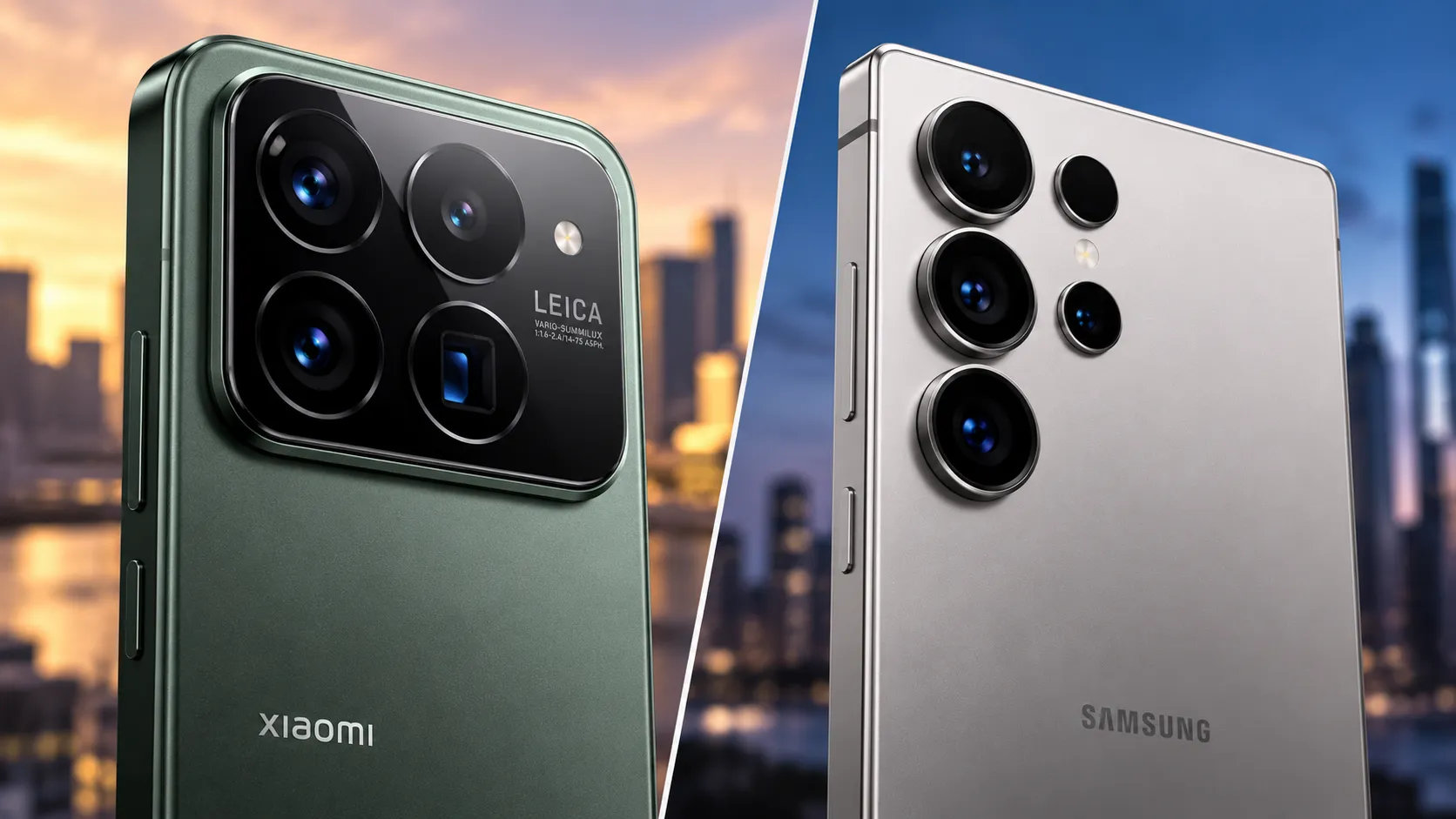
Higher pricing establishes new premium tier expectations that force competitors into difficult strategic decisions. Google's Pixel series might need to accelerate their AI development timeline to justify their pricing position. OnePlus faces pressure to either match Samsung's AI capabilities or position themselves more aggressively as the performance-focused alternative. Chinese manufacturers like Xiaomi and OPPO must decide whether to compete on AI features or double down on value propositions.
For consumers, these changes represent a fundamental shift in smartphone value calculation, where AI capabilities and processing intelligence become primary differentiators rather than camera quality or display specifications alone. This evolution could benefit users who want genuinely intelligent devices, but it might frustrate those who prefer straightforward, reliable smartphones without AI complexity.
The privacy implications deserve special attention. Advanced AI features typically require significant data analysis, raising questions about how personal information is collected, stored, and used. Samsung's on-device processing approach could set new industry standards for privacy-conscious AI implementation, potentially influencing Google's Android development direction and forcing other manufacturers to prioritize local processing capabilities.
There's also the broader question of AI standardization across Android. If Samsung's approach succeeds, will Google integrate similar capabilities into core Android? How will third-party app developers adapt to these new AI agent interfaces? The Galaxy S26 series essentially tests whether the market is ready for AI-justified premium pricing and whether Samsung's execution can deliver on ambitious promises.
The bottom line: Samsung's biggest gamble yet
Samsung's Galaxy S26 series represents their most significant strategic gamble in recent years, combining higher prices, Exynos processor risks, and unproven AI agent technology into a single product lineup. It's the kind of all-in bet that either establishes Samsung as the definitive AI smartphone leader or becomes a cautionary tale about overambitious product strategies.
Success requires flawless execution across multiple challenging areas while convincing consumers that AI features justify premium pricing in an increasingly competitive market. Samsung needs the Exynos chips to perform flawlessly after years of reliability issues, the AI agents to be genuinely useful rather than gimmicky features that get disabled after novelty wears off, and the overall user experience to feel worth the extra cost. That's a lot of variables that all need to align perfectly.
The return to Exynos particularly carries substantial risk given previous performance issues and user skepticism about Samsung's processor capabilities. One thermal throttling scandal or battery life controversy could overshadow even the most impressive AI features and damage Samsung's flagship reputation for years.
If the Galaxy S26 succeeds, expect Samsung to double down on AI-first design philosophy and Exynos development, potentially spinning off their semiconductor business as a major Qualcomm competitor. Success could also trigger industry-wide shifts toward on-device AI processing and privacy-conscious design approaches.
If it fails, the consequences extend beyond Samsung alone. A high-profile AI smartphone failure could slow industry adoption of similar features, reinforce Qualcomm's processor dominance, and push manufacturers back toward safer, more traditional upgrade cycles focused on incremental camera and display improvements.
For Android enthusiasts, the Galaxy S26 series offers either a glimpse of the AI-powered future we've been promised for years, or confirmation that the technology isn't ready for mainstream adoption. Early reviews and user feedback over the first few months will be crucial indicators of whether Samsung's vision aligns with real-world user needs and expectations.
The ultimate question isn't whether Samsung can build impressive AI features or competitive Exynos processors—it's whether they can do both simultaneously while justifying higher prices in a market where consumers have plenty of excellent alternatives. The answer will shape the entire Android landscape for the next several years.



Comments
Be the first, drop a comment!