



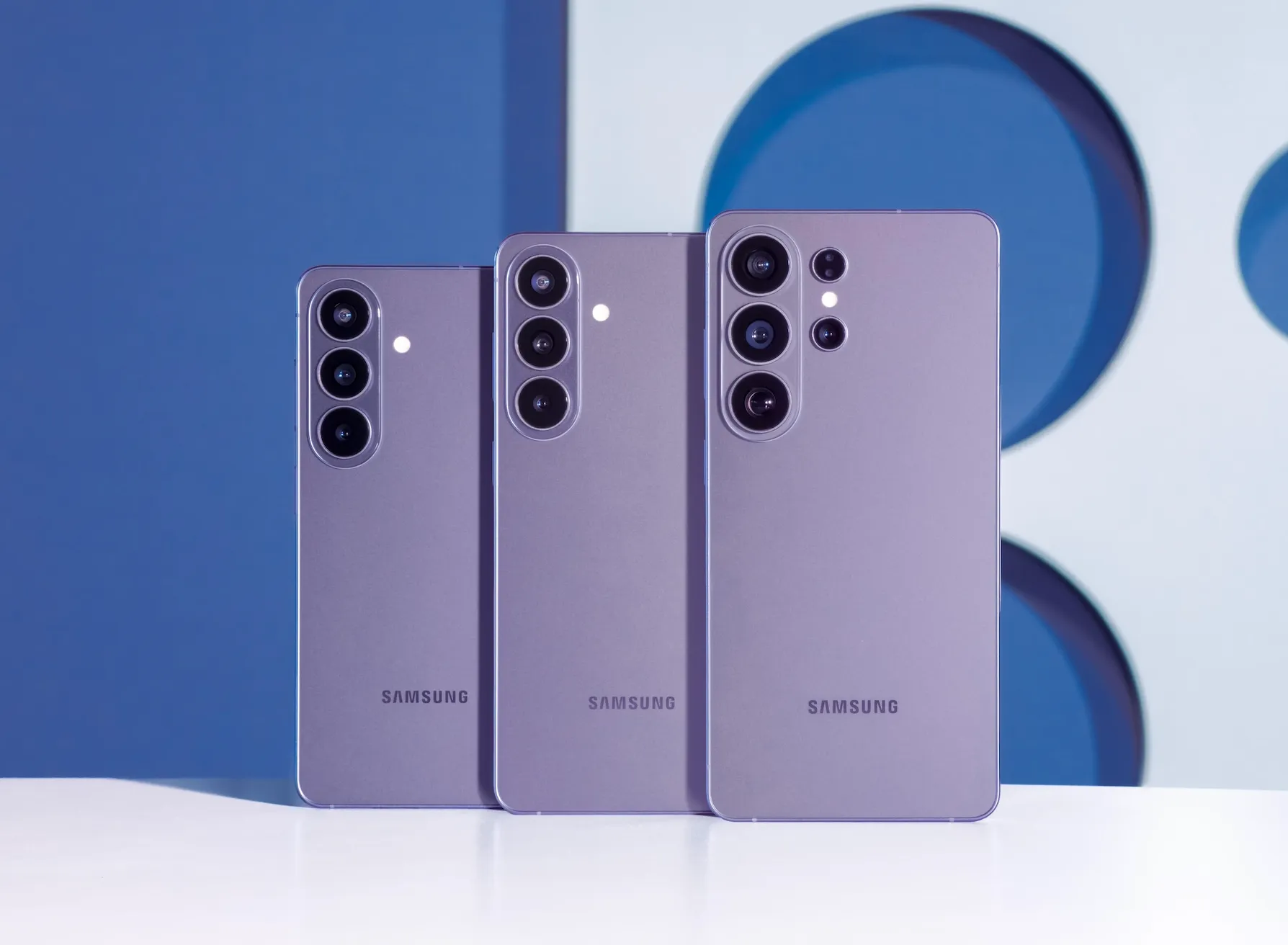
Samsung just dropped a bombshell that's going to make your next phone upgrade a lot more expensive. The tech giant officially raised prices for select Galaxy S26 models, with increases reaching up to 10% in key markets, according to Arabian Business. And before you start blaming corporate greed, there's actually a pretty compelling reason behind these price hikes: memory chip costs are absolutely skyrocketing.
Here's what you need to know about the damage. The base S26 model now carries a $899 price tag in the US—that's a 4.7% jump from its predecessor, as reported by NST. But if you were eyeing the S26 Plus, prepare for some sticker shock. That model climbed to $1,099, representing a full 10% price increase that'll definitely make you think twice, according to Arise News.
The strategic element here is fascinating: Samsung didn't blanket increase all prices. They kept the Galaxy S26 Ultra at its previous pricing structure, suggesting they're carefully calibrating where they apply cost pressures based on market sensitivity. This selective approach reveals Samsung's calculated gamble—testing consumer tolerance while protecting their ultra-premium segment from potential demand erosion.
Why RAM costs are hitting smartphone makers so hard
Now here's where things get really interesting (and a bit concerning for anyone hoping prices might come back down soon). The memory chip shortage isn't just some temporary supply hiccup that'll resolve itself in a few months—we're witnessing a fundamental restructuring of the semiconductor market, largely driven by the AI infrastructure boom that's reshaping technology priorities worldwide.
Market analysis firm TrendForce is projecting some pretty jaw-dropping numbers. They estimate that conventional DRAM contract prices could skyrocket between 90% and 95% during the January-March period compared to the final quarter of 2025, according to NST. This massive price surge directly connects to why Samsung can't simply absorb these costs—when your core components nearly double in price within months, maintaining profit margins becomes impossible without passing some burden to consumers.
Here's what's driving this unprecedented situation: Tech giants like Meta, Google, and Microsoft are basically hoovering up massive amounts of available memory supply to build out their artificial intelligence capabilities, as reported by Arise News. Every time you use ChatGPT, ask Google's AI assistant a question, or interact with Meta's AI features, you're tapping into infrastructure that requires enormous amounts of memory to function—infrastructure that's consuming supply that would otherwise go to consumer devices.
This creates a competitive hierarchy where chipmakers are focusing their production on higher-margin data center components rather than the memory chips that go into consumer devices like smartphones, according to NST. The business logic is straightforward but problematic for consumers: why sell memory chips for smartphones when specialized AI infrastructure components command significantly higher profits? This prioritization means smartphone manufacturers are competing for an increasingly limited supply of components, driving prices up across the entire consumer device market.
Breaking down the Galaxy S26 price increases by region
Samsung's regional pricing strategy reveals sophisticated market analysis that goes well beyond simple cost-plus calculations. The variations across different markets reflect careful consideration of local competitive dynamics, consumer purchasing power, and brand positioning—providing insights into how Samsung views its global market leverage.
Looking at the US market, Samsung's approach appears relatively conservative given the circumstances. While the base Galaxy S26 carries that $899 price tag (a 4.7% increase) and the Galaxy S26 Plus jumps to $1,099 for a substantial 10% price hike, according to Arabian Business, these increases pale in comparison to the underlying component cost surges. This suggests Samsung is absorbing a significant portion of the cost increases to maintain competitive positioning against Apple and other premium Android manufacturers.
The real surprise comes from South Korea, where consumers face an even steeper 8.6% increase for the base model, as reported by NST. This counterintuitive approach—charging your home market more—likely reflects Samsung's confidence in brand loyalty and market dominance within South Korea, where they face less competitive pressure. It also suggests Samsung may be using their home market as a testing ground for higher price tolerance, gathering data that could inform future global pricing decisions.
The unchanged Galaxy S26 Ultra pricing across all regions represents the most strategic move, according to Arise News. Ultra buyers represent Samsung's most profitable customer segment and are likely more sensitive to price increases precisely because they're already paying premium prices. By maintaining Ultra pricing, Samsung protects their highest-margin sales while using the lower-tier models to manage cost pressures—a sophisticated approach that balances profitability with market positioning.
How Samsung's chip strategy is evolving under pressure
Beyond raising prices, Samsung is implementing strategic shifts that could fundamentally change their cost structure and competitive positioning. The most significant move involves reintroducing some Galaxy S26 models featuring their in-house Exynos processors, marking a departure from the previous S25 series that relied exclusively on Snapdragon chips from Qualcomm, according to Arise News.
This processor strategy shift directly addresses the memory cost crisis in several ways. When Samsung controls their own processor production, they gain more predictable pricing and aren't subjected to external supplier cost fluctuations during volatile market conditions. More importantly, Exynos processors can be optimized specifically for Samsung's memory architecture choices, potentially allowing them to achieve better performance with less expensive memory configurations—effectively engineering their way around some cost pressures.
The timing reveals Samsung's broader strategic thinking about supply chain resilience. The company explicitly warned that the rapid expansion of AI infrastructure is creating additional pressure on semiconductor market availability, as reported by Arise News. By reducing dependency on external suppliers like Qualcomm, Samsung positions themselves with maximum flexibility to navigate future supply disruptions and cost volatility.
This vertical integration approach could provide Samsung with competitive advantages that extend beyond cost management. While industry observers note that Samsung hasn't explicitly detailed all the reasoning behind these strategic changes, the connection to ongoing memory shortages appears undeniable, according to Android Authority. The shift to Exynos represents Samsung's bet that controlling more of their supply chain will provide stability in an increasingly unpredictable component market—a strategy that could influence industry approaches to supplier relationships.
What this means for the broader smartphone market
Samsung's pricing decision signals a potential inflection point for the entire smartphone industry, with implications that extend far beyond a single manufacturer's strategy. When the world's second-largest smartphone maker raises prices due to component costs, it essentially provides cover for competitors to implement similar increases while reshaping consumer expectations about flagship pricing.
The most telling validation of these industry-wide pressures came from Apple CEO Tim Cook, who acknowledged during a January earnings call that he expected memory chip prices to rise sharply, though he diplomatically declined to comment on potential Apple price increases, according to NST. When Apple's typically secretive leadership publicly discusses component cost challenges, it signals that these pressures are severe enough to warrant investor communication—and likely foreshadows Apple's own pricing adjustments.
The underlying market dynamics suggest this isn't a temporary adjustment but a structural shift in how the semiconductor industry allocates resources. The prioritization of higher-margin data center components over consumer device memory creates a permanent competitive disadvantage for smartphone manufacturers, as reported by NST. Unlike previous shortages caused by temporary disruptions, this reflects a fundamental reallocation of manufacturing capacity toward more profitable AI infrastructure components.
Samsung's balanced approach—absorbing some costs while strategically passing others to consumers—demonstrates how manufacturers will likely navigate this new environment, according to Arabian Business. Companies can't absorb 90% component cost increases without destroying profitability, but they also can't pass through the full burden without killing consumer demand.
Bottom line: we're entering a new era of flagship smartphone economics. The days of modest year-over-year price increases are likely over, replaced by more significant jumps that reflect the real cost of components in an AI-infrastructure-driven market. For consumers, this means upgrade cycles will probably extend as people balance device longevity against premium pricing. For manufacturers, success will depend on delivering compelling value propositions at higher price points—or risk losing market share to refurbished devices, budget alternatives, and extended device lifecycles that prioritize repair over replacement.





Comments
Be the first, drop a comment!