



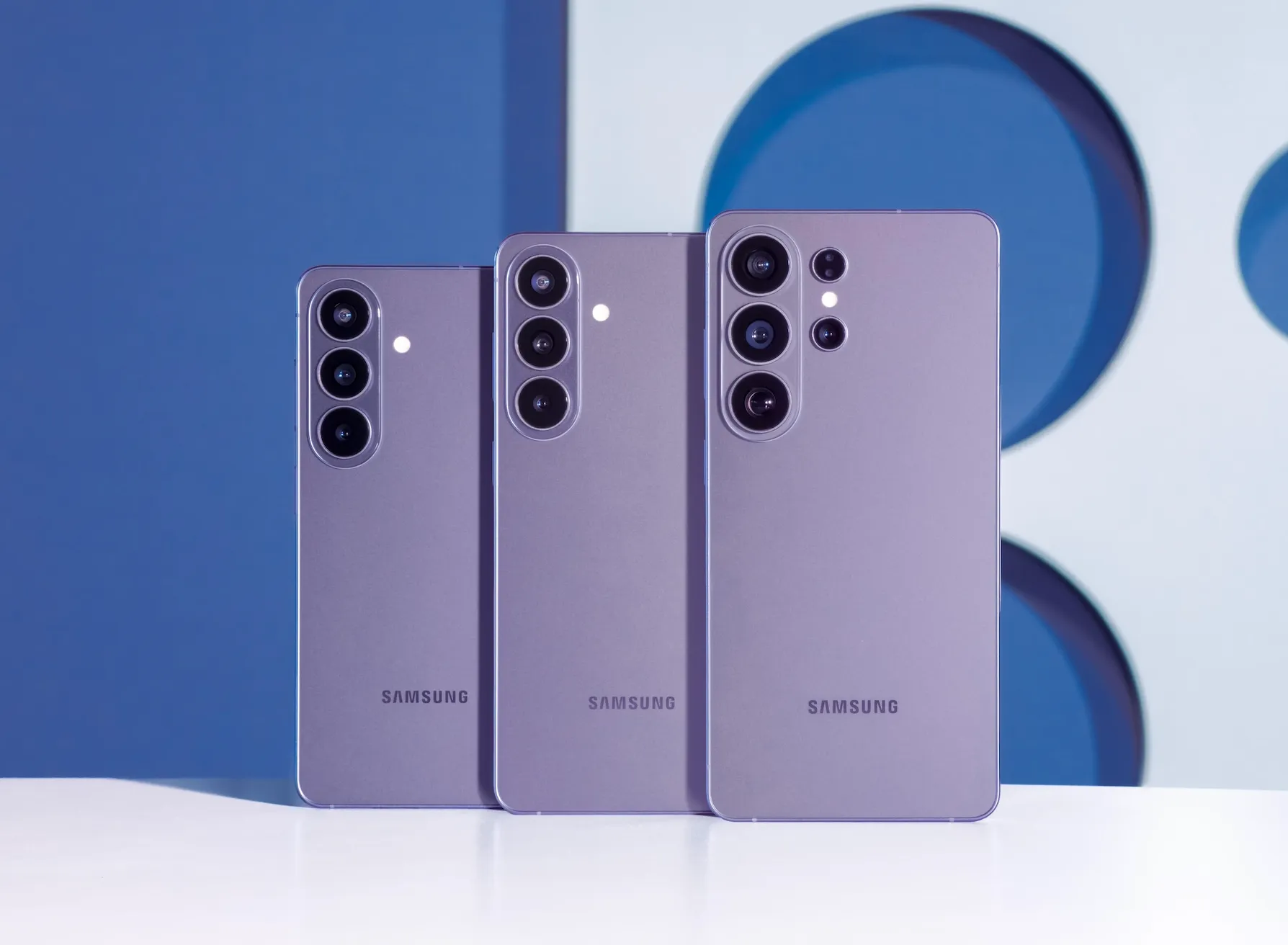
Samsung's latest flagship series packs a camera surprise that most users will never discover. The company has built an entirely new 24MP shooting mode into the Galaxy S26 lineup, but instead of making it readily available, Samsung has hidden this feature behind an additional download. This middle-ground resolution approach represents Samsung's attempt to balance image quality with practical everyday use, leveraging AI Fusion processing to extract details from higher-resolution sensor data. The feature requires users to manually download and configure Samsung's Camera Assistant app, making it an extra step that many casual users will never discover.
This strategic decision reveals Samsung's complex balancing act between innovation and user simplicity. While the engineering team has developed a genuinely useful feature, the marketing and product teams have chosen to keep it buried rather than risk confusing mainstream users with additional resolution options. It's a fascinating case study in how flagship features sometimes take a backseat to user experience considerations.
Why Samsung buried this feature in the settings
Samsung's decision to hide the 24MP mode isn't arbitrary—it reflects the company's cautious approach to resolution options that could confuse mainstream users. The feature requires Samsung's Camera Assistant app, available through the Galaxy Store, which serves as a gateway for advanced camera functionality. Once installed, users must manually toggle advanced resolution options before the 24MP setting appears in the stock camera interface. This implementation differs significantly from Apple's approach, where 24MP became the default resolution with the iPhone 15 in 2023, while Samsung keeps it as an opt-in feature for power users.
The Camera Assistant app has become Samsung's proving ground for experimental features—think of it as their version of Google's Pixel Feature Drops, but requiring manual discovery. This approach allows Samsung to test advanced capabilities with enthusiasts before potentially rolling them into the main camera interface. The downside? It creates a two-tiered user experience where casual photographers miss genuinely useful improvements.
From a market positioning standpoint, Samsung's cautious rollout makes strategic sense. They've seen how resolution changes can generate support complaints and storage concerns from average users. By keeping 24MP as an opt-in feature, they avoid the backlash that sometimes accompanies default behavior changes while still offering advanced capabilities to users who seek them out.
How the 24MP mode actually performs
The new resolution option delivers meaningful improvements over traditional smartphone photography without the drawbacks of full-resolution shooting. Processing takes roughly three seconds but occurs in the background with no shutter lag, allowing for continuous shooting and responsive performance. The mode avoids over-sharpening and purple fringing artifacts that have affected similar implementations, particularly when shooting backlit scenes or portraits. Results are described as "clearly better" than standard 12MP photos while maintaining natural color reproduction and everyday reliability that the 50MP and 200MP modes sometimes sacrifice.
The technical achievement here centers on Samsung's refined computational pipeline. Unlike previous attempts that prioritized maximum detail extraction, this 24MP implementation focuses on balanced processing that preserves natural color accuracy and eliminates common artifacts. The background processing approach is particularly clever—you can continue shooting while the phone handles computational heavy lifting, eliminating the traditional trade-off between quality and shooting speed.
Early testing reveals that Samsung has addressed fundamental issues that plagued higher-resolution modes on previous devices. Purple fringing around high-contrast edges, oversaturated color processing, and the artificial look that sometimes accompanies aggressive computational photography have all been significantly reduced. This suggests Samsung has refined their AI Fusion processing specifically for this middle-ground resolution.
The sweet spot between resolution and practicality
Samsung's 24MP implementation addresses a real gap in smartphone photography options. The usual 12MP setting remains best for consistent dynamic range and low noise, especially in challenging lighting, while 50MP and 200MP modes excel for cropping but can struggle with color accuracy and shooting speed. The new 24MP option sits in the middle, providing enhanced detail without losing natural colors or everyday reliability. Unlike the 24MP mode in Expert RAW, this version is designed for simple point-and-shoot use, making it accessible to photographers who want better quality without manual controls or complex workflows.
This positioning addresses the fundamental challenge smartphone manufacturers face: the 12MP default provides excellent computational photography performance but leaves detail on the table, while full-resolution modes often sacrifice the processing advantages that make smartphone cameras so appealing. Samsung's 24MP mode offers roughly 40% more linear resolution than 12MP, translating to noticeably sharper fine details in hair, fabric textures, and foliage without overwhelming the computational pipeline.
The distinction from Expert RAW is crucial for understanding Samsung's target audience. Expert RAW caters to photographers who want maximum control and don't mind inconsistent results or complex workflows. This new 24MP mode targets users who simply want better photos without additional complexity—a much larger market segment that includes anyone upgrading from older devices or switching from competitors.
Getting access to the hidden mode
Enabling the 24MP feature requires a specific sequence of steps that Samsung hasn't prominently advertised. Users must first download the Camera Assistant app from the Galaxy Store, then navigate to the Advanced Resolution Options section to activate the feature. Once enabled, the 24MP option becomes available in both Photo and Portrait modes within the main camera app. The latest Camera Assistant update (version 4.5.19) specifically adds compatibility with One UI 8.5 and the Galaxy S26 series. Unfortunately, this capability appears to be exclusive to the Galaxy S26 series at the software level, with no current plans to extend it to previous Galaxy models despite similar camera hardware.
PRO TIP: To enable 24MP mode, download Camera Assistant from the Galaxy Store (not Google Play Store), open the app, scroll to "Advanced Resolution Options," toggle the 24MP feature on, then return to your regular camera app where the new resolution option will appear in the settings carousel.
The version-specific implementation reveals Samsung's strategic approach to feature differentiation. Camera Assistant 4.5.19 isn't just a routine update—it includes fundamental changes to how image processing integrates with One UI 8.5, suggesting deeper system-level optimizations that may genuinely require newer hardware capabilities or simply serve as artificial differentiation to encourage upgrades.
The exclusivity to Galaxy S26 models, despite identical camera sensors in previous generations, highlights the ongoing tension between technical capability and marketing positioning. While frustrating for Galaxy S25 Ultra owners, this approach allows Samsung to maintain upgrade incentives while testing the feature with a smaller user base before potential broader rollouts.
What this means for smartphone photography's future
Samsung's approach to 24MP photography could signal a broader shift in how manufacturers balance image quality with user experience. The feature reportedly will not be available on older Galaxy models through software updates, suggesting Samsung views this as a hardware-dependent enhancement rather than a simple software upgrade. Industry sources expect the Galaxy S26 series launch in February 2026, positioning these camera improvements as key differentiators in the competitive flagship market. Combined with other rumored enhancements, these improvements could strengthen Samsung's position in mobile photography, especially as competitors like OPPO and realme embrace dynamic resolution capture that automatically adjusts based on shooting conditions.
The broader industry implications extend beyond Samsung's specific implementation. While Apple established 24MP as their default with the iPhone 15, and Chinese manufacturers like realme are experimenting with dynamic resolution switching (automatically choosing between ~26MP in daylight and 12MP in low light), Samsung's opt-in approach represents a third path that prioritizes user choice over automated decisions.
This could influence how other Android manufacturers approach resolution upgrades. Rather than forcing users to adapt to new defaults or trusting algorithms to make resolution decisions, Samsung's model allows manufacturers to offer enhanced capabilities while maintaining familiar defaults. It's a compromise that acknowledges different user preferences and technical comfort levels.
Looking ahead, Samsung's success with this 24MP implementation could accelerate adoption of more nuanced resolution options across the industry. If users respond positively to the hidden feature, we might see Samsung make it more prominent in future devices, potentially even offering it as an alternative default. The February 2026 launch will serve as a crucial test case for whether thoughtful middle-ground approaches can compete with more aggressive default changes from competitors.
Bottom line: Samsung's hidden 24MP mode represents more than just another camera feature—it's a strategic approach to innovation that balances advancement with accessibility. Whether this method proves more effective than Apple's direct approach or realme's automated systems will likely determine how the smartphone industry handles similar feature rollouts in the future. For users willing to dig into settings, it offers genuine photographic improvements without sacrificing the point-and-shoot simplicity that makes smartphone cameras so appealing.


Comments
Be the first, drop a comment!