



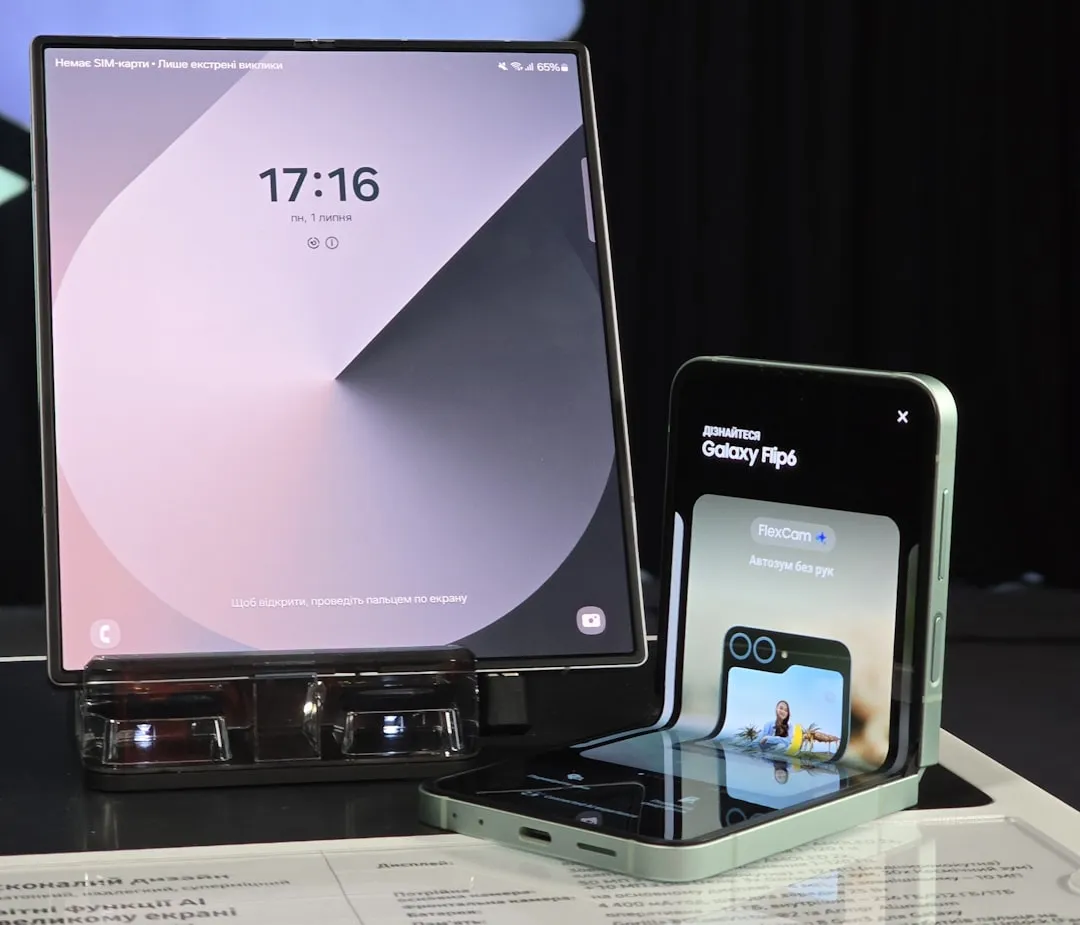
Let's be honest here - when I first heard about "creaseless foldable displays," my initial reaction was a healthy dose of skepticism. After years of watching every generation of foldable phones promise to fix the crease issue (only to still have that telltale fold line staring back at you), Samsung's latest CES 2026 reveal felt like it could be another case of marketing hype over substance.
But here's the thing - Samsung Display demonstrated a creaseless prototype panel at CES 2026. They've demonstrated completely creaseless foldable panels that Samsung showed prototype panels that appeared to eliminate the visible crease in demo conditions that has plagued current devices (Android Central). The new panels maintain excellent image quality without any visible crease whatsoever, even when viewed from different angles (GSMArena). This breakthrough comes at a time when Samsung's Galaxy Z TriFold is generating massive excitement, having already launched in South Korea with plans for broader availability (Mashable).
You might be wondering what this actually looks like in person. From what attendees are reporting, the difference is genuinely striking when you see it side by side with current foldables. It's one of those "you have to see it to believe it" moments that makes you realize we might finally be hitting that inflection point where foldables stop feeling like a compromise.
What makes this creaseless display technology so revolutionary?
Now here's where things get really interesting from an engineering perspective. The secret behind Samsung's creaseless achievement lies in sophisticated technology that addresses the fundamental challenge of foldable screens at the material level. Industry analyst Ming-Chi Kuo revealed that Samsung employs laser-drilled metal display plates that effectively distribute the stress created during bending (Android Police).
Think of it this way - imagine trying to fold a piece of paper repeatedly. Eventually, you'd get a permanent crease because all the stress concentrates along that single fold line. Samsung's laser-drilling technology disperses bending stress across the panel, allowing for truly crease-free operation (MacRumors). Instead of one weak point taking all the punishment, the stress gets distributed across multiple micro-points that can handle the repeated folding without creating that visible line we're all used to seeing.
Samsung Display claims their advanced panel provides seamless text visibility across the fold from any viewing angle, which is a significant improvement over current generation devices (MacRumors). What's particularly impressive is that this isn't just about making the crease less visible - Samsung says the panel addresses structural causes of crease formation; this is shown in prototype demos but not yet validated in shipping devices.
PRO TIP: This breakthrough potentially solves durability concerns too. When stress is distributed rather than concentrated, the display should theoretically handle more fold cycles before showing wear. That's huge for long-term device reliability.
How does this compare to current foldable displays?
Let me put this in perspective - the difference between Samsung's new technology and existing foldable screens is genuinely dramatic when you see them side by side. Samsung's demonstration at CES directly compared their creaseless panel against current-generation devices, highlighting the improvement that's immediately obvious even from across a crowded show floor (Android Central).
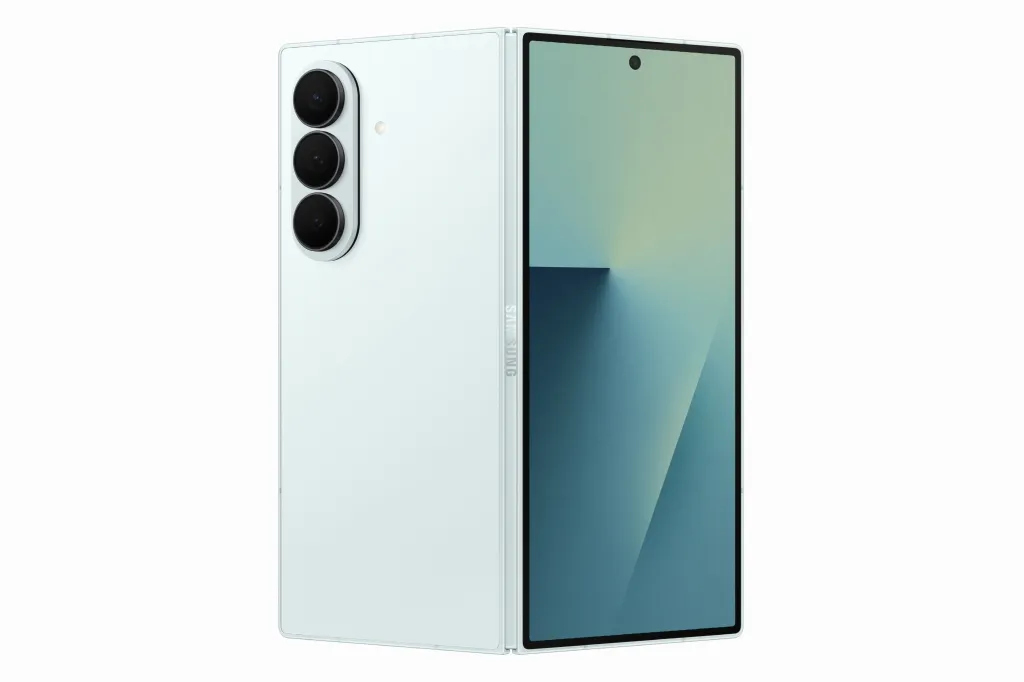
Now, to be fair, Samsung has already made significant progress with recent generations. While the Galaxy Z Fold 7 already features a significantly reduced crease compared to earlier models, it still has a visible fold line that affects the viewing experience (Android Police). Anyone who's used a current-gen foldable knows that while the crease isn't a dealbreaker, it's still there - you notice it when reading, it catches light at certain angles, and it serves as a constant reminder that this isn't quite a "normal" screen yet.
The new creaseless panels will also incorporate under-display camera technology and deliver enhanced overall display quality (GSMArena). This means Samsung isn't just solving the crease problem in isolation - they're building an entirely next-generation display stack that addresses multiple pain points simultaneously.
Here's a real-world example: imagine reading a full-page article or reviewing a spreadsheet that spans across the fold. With current devices, that crease creates a visual interruption that your brain constantly notices. With creaseless technology, that same content flows naturally without any visual break - it's the difference between reading on a folded magazine versus a smooth tablet surface.
Which devices will benefit from this breakthrough?
Samsung's timing strongly suggests this technology will debut in their upcoming flagship foldables this year. The Galaxy Z Fold 8 represents the most likely candidate to feature this creaseless display technology when it launches (Android Central). This follows Samsung's established pattern of showcasing display innovations before implementing them in consumer devices, similar to how they previewed tri-folding panels before releasing the Galaxy Z TriFold (Android Central).
What's particularly exciting is that the technology may also appear in Samsung's rumored Wide Fold device, expanding the benefits across their foldable lineup (GSMArena). This broader rollout strategy makes perfect business sense - Samsung needs these devices to move from "interesting novelty" to "mainstream option," and a truly creaseless display could be the breakthrough that finally makes foldables feel ready for primetime to consumers who've been sitting on the fence.
The competitive implications are significant too. By establishing creaseless displays as the new baseline for premium foldables, Samsung forces competitors to match that standard or risk their devices looking outdated by comparison. That kind of technological leadership translates directly into market share and premium pricing power.
What does this mean for the broader foldable market?
Here's where this story gets really interesting - Samsung's creaseless display innovation extends far beyond their own devices and could potentially reshape the entire foldable landscape. Apple is reportedly incorporating this same laser-drilled display technology for their first foldable iPhone, which could launch later in 2026 (Android Police).
The foldable iPhone will feature a more compact form factor compared to Samsung's offerings, with displays measuring 5.3-5.5 inches when closed and 7.5-7.8 inches when open, utilizing a 4:3 aspect ratio (MacRumors). What's fascinating about this arrangement is how it highlights Samsung's dominant position in foldable display manufacturing - they're simultaneously competing with Apple while also serving as their supplier for this critical technology.
This dynamic isn't entirely unprecedented (Samsung has supplied iPhone displays for years), but it takes on extra significance in the foldable space. Samsung's role as both competitor and supplier demonstrates their commanding lead in foldable display technology, while the shared adoption of creaseless designs suggests we're looking at industry-wide standardization of this advancement (NotebookCheck).
Bottom line: when Apple enters a product category, it typically signals that the technology has reached a level of maturity and refinement that makes mass market adoption viable. The fact that they're planning to launch with creaseless display technology from day one suggests the entire foldable market is about to take a significant leap forward in terms of user experience and mainstream appeal.
The bigger picture: Samsung's foldable ecosystem momentum
This display breakthrough arrives at a particularly interesting moment as Samsung's broader foldable strategy gains serious traction with real-world users. The Galaxy Z TriFold represents what many consider the true realization of the phone-tablet hybrid concept, featuring a remarkable 10-inch display with 4:3 aspect ratio that genuinely transforms mobile productivity (ZDNet).
What's really telling about Samsung's commitment to this technology is their willingness to take short-term financial hits to advance the long-term vision. Despite its premium $2,500 price point, Korean reports (The Bell, cited by outlets) claim Samsung may currently be selling the TriFold at a loss; Samsung has not publicly confirmed margin figures. That's not sustainable business practice in the traditional sense, but it signals that Samsung views foldables as a strategic investment in the future of mobile computing rather than just another product line.
The engineering achievements here are genuinely impressive when you dig into the details. The TriFold achieves remarkable thinness at just 3.9-4.2mm when unfolded, with thickness limited primarily by the USB-C port rather than display technology (CNET). This constraint tells us something important - Samsung has essentially solved the fundamental display engineering challenges and is now dealing with more conventional hardware limitations.
Samsung's positioning as your "companion for AI living" reveals how creaseless displays enable their broader strategic vision (Mashable). Think about it: AI interfaces benefit enormously from larger, uninterrupted screen real estate. Complex AI workflows often require visual feedback, data visualization, and multi-step interfaces that work best when you're not fighting against a visible crease breaking up your content. A creaseless 10-inch TriFold display becomes the perfect canvas for sophisticated AI assistants to display complex task management, real-time data analysis, or immersive productivity workflows.
The key takeaway here is that we're witnessing the maturation of foldable technology from experimental novelty to legitimate alternative computing platform. The progression from the original Galaxy Fold's durability issues to current-generation reliability to these creaseless displays shows methodical engineering improvement building toward a larger vision of what mobile computing could become. Creaseless displays represent the removal of one of the last major barriers to mainstream adoption, setting the stage for foldables to move beyond the enthusiast market and into broader consumer consideration.



Comments
Be the first, drop a comment!