



Samsung SmartThings API Pricing: New Fees and Who They Affect
Samsung is ending free access to the SmartThings API, with paid subscription tiers targeting availability in October 2026. Samsung is describing it as a developer pricing update, but the users most likely to feel the new Samsung SmartThings API pricing aren't software companies with engineering budgets they're hobbyists and power users who've relied on the API as a bridge between Samsung's ecosystem and more open platforms like Home Assistant. Free access remains confirmed through Q3, so nothing breaks today, but several critical details still haven't been published: rate limits, commercial tier pricing, and how third-party integrations will handle the new costs.
What the new SmartThings API subscription tiers actually look like
Samsung confirmed this week that it will introduce paid subscription tiers for SmartThings API access, targeting October availability, including a $4.99/month personal plan for non-commercial individual developers, per the SmartThings blog. That's the tier under which most advanced hobbyists and custom automation users are likely to fall, The Verge reported.
Commercial tiers are also planned, targeting business partners and enterprise integrators. Samsung has disclosed neither pricing nor usage quotas for those, per the SmartThings community forum. On the free access question, Samsung was direct: "We will not begin applying the new usage limits or phasing out free access until October 2026," per the SmartThings blog.
What Samsung has not yet published: the specific usage thresholds that trigger the personal plan, any overage rules, or a concrete breakdown of what each tier includes beyond the price point itself. That's a meaningful gap. Anyone trying to evaluate their actual exposure right now can't do so with complete information, and the community forum's guidance amounts to "stay tuned for additional details."
The absence of rate limit information matters practically. Without knowing the threshold, a user running modest automation scripts has no way to determine whether they'll hit the personal plan ceiling or cruise under it. Samsung has until October to answer that, and the gap between announcement and implementation is now under four months.
Who gets affected by the Samsung SmartThings API access fee
Users controlling devices through the standard SmartThings app are not impacted, Engadget confirmed. The app experience is unchanged. The fee structure targets a specific subset of users who interact with the API directly or through a platform that does.
Here's how the impact maps across different user types:
- SmartThings app only: no change, no fee, no action required
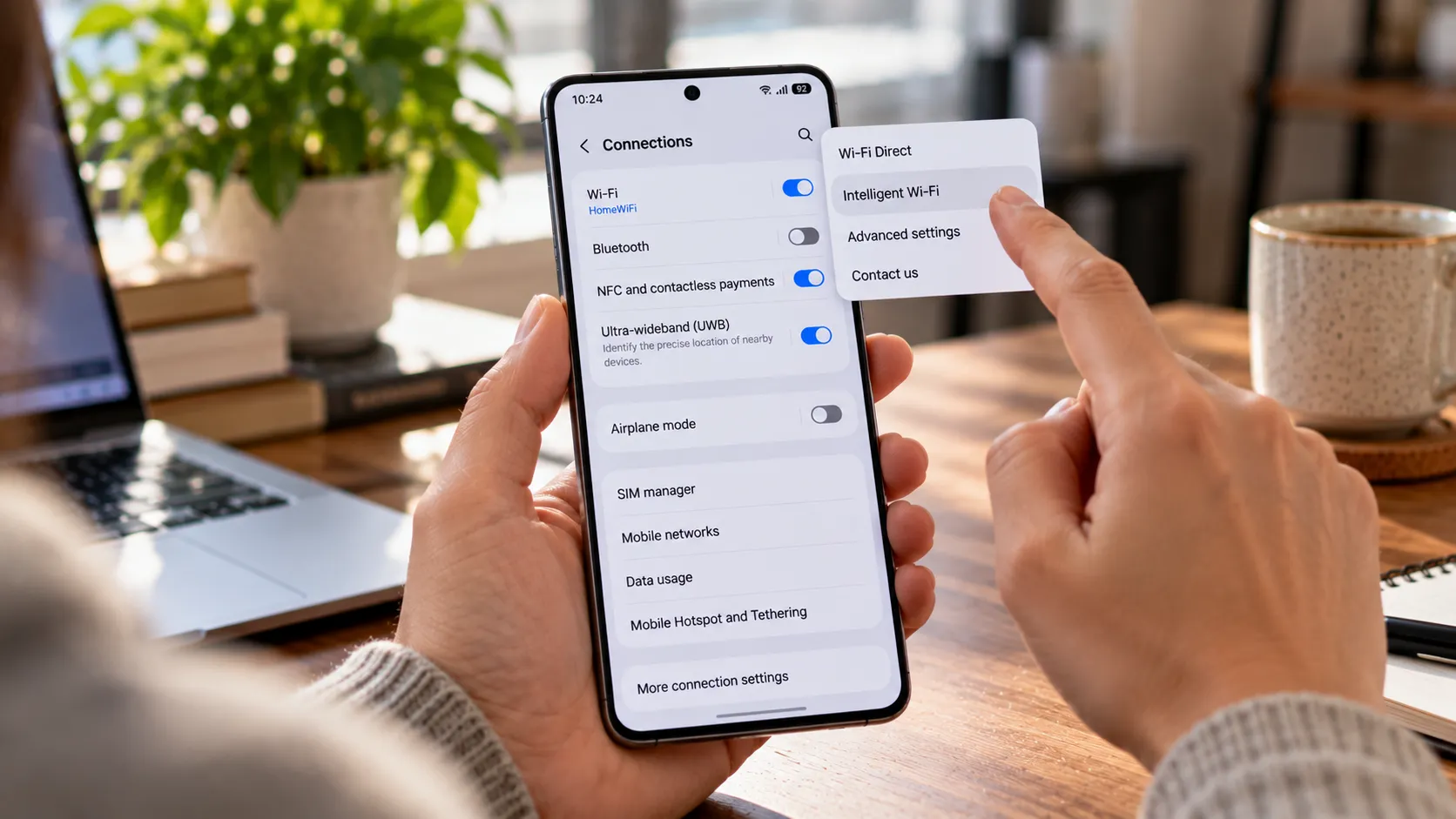
- Home Assistant + SmartThings integration: directly in scope; Home Assistant founder Paulus Schoutsen confirmed in a blog post that "use of the Home Assistant integration will be affected by their changes and will fall under their new 'personal plans,'" as The Verge reported
- Custom API automations: likely in scope; advanced users who directly access the SmartThings API for more flexible smart home controls, or use third-party tools that do the same, are likely to fall under the new personal plan, The Verge reported
- Commercial integrators: pricing for dedicated business tiers has not been announced, per the SmartThings community forum
One practical question remains unresolved: whether Home Assistant users will pay Samsung directly for API access, or whether the Home Assistant integration layer will absorb or pass through the cost in some other form. Neither party has clarified this. It's a non-trivial distinction. If the cost passes through to individual users, that's one decision to make. If Home Assistant's Open Home Foundation absorbs it centrally, or routes around it via a different authentication model, the user experience could look very different.
What Engadget noted is that the monthly subscription fee lands on top of whatever other recurring costs a user is already managing another line item for the kind of power user who's already juggling hub subscriptions, cloud service fees, and device licenses.
What Samsung says the fees are for, and where the evidence runs thin
Samsung's stated rationale is that subscription revenue will allow the company to "invest heavily in the enterprise-grade features our partners and users have been asking for," including platform stability improvements, new integrations, and a refreshed Developer Center, The Verge reported.
The Developer Center is the one concrete deliverable Samsung has named. It will provide developers with current usage metrics and data points to help optimize their code, Engadget reported. Beyond that, Samsung has offered no specifics no integration roadmap, no stability benchmarks, no delivery timeline. Engadget noted this gap explicitly.
The community forum announcement told developers and power users to "stay tuned for additional details," per the SmartThings community forum. That's not a commitment; it's a placeholder. Samsung is asking users to sign up for a recurring fee in exchange for improvements that remain unspecified, with the lone tangible item being a developer dashboard.
This is the credibility problem Samsung needs to address before October. It's not that the case for investment is implausible API infrastructure costs money, and sustainable platform development requires revenue. The issue is that "enterprise-grade features" and "expanded capabilities" are categories, not commitments. Developers evaluating whether to build on SmartThings commercially have no concrete feature set to evaluate against that fee. Samsung has time to fill that gap, but the window is narrowing.
Why the open smart home community is pushing back
Home Assistant is the clearest illustration of what's at stake. It's an open-source platform built specifically to free users from vendor lock-in, on the premise that devices and automations shouldn't depend on any single company's continued goodwill or pricing decisions. Its SmartThings integration now sits behind a subscription requirement it previously didn't need, per The Verge.
Schoutsen was direct in his public blog post. "We're all for choice, but feel very disappointed that users will have to decide whether to shell out for access in the shadow of yet another cloud paywall," Engadget quoted him as writing. That phrasing, "yet another cloud paywall," is doing real work. Home Assistant was built precisely as an alternative to that pattern a local-first, open platform where a single vendor's pricing decision can't reach in and change the cost of using your own hardware.
The SmartThings integration doesn't break that model entirely. Home Assistant still runs locally, and the vast majority of its integrations don't touch Samsung's API at all. But for users who rely on that specific bridge controlling Samsung-connected devices through Home Assistant what was a free connectivity layer becomes a billable service.
That dynamic extends beyond any single integration. SmartThings currently works with a wide range of devices across multiple manufacturers, and the API is how third-party platforms like Home Assistant talk to all of them. Putting that access behind a paywall doesn't just affect Samsung device owners; it affects anyone whose cross-platform setup routes through SmartThings as a hub. The broader pattern here, as Engadget noted, is that recurring fees increasingly define what "works with" actually means in practice. An integration that technically exists but costs money to use is a different proposition than one that's free by default.
What to watch before October
Four questions will determine how significant this change actually is in practice.
Commercial tier pricing and usage quotas. Will the total cost of building on SmartThings become materially higher for integration developers? The commercial tier is aimed at business partners and enterprise integrators, and Samsung hasn't published pricing for it, per the SmartThings community forum. Depending on where those numbers land, the calculus for third-party integration developers could shift considerably.
Rate limit thresholds for the personal plan. The $4.99/month tier exists, but the usage level that triggers it hasn't been published. Until Samsung specifies what counts as exceeding the free tier, users running light automation scripts have no reliable way to know whether they're affected.
How Home Assistant handles the cost. Absorbed by the Open Home Foundation, passed through to users, or routed around with a different technical approach? The integration isn't broken yet, and Home Assistant has navigated similar situations with other platforms before. But the answer here will determine whether this is a minor friction or a decision point for users who have built their setup around the SmartThings bridge.
Whether Samsung publishes a concrete feature roadmap before the free window closes. The Developer Center is a start. New integrations and stability improvements are stated intentions. Developers and power users being asked to commit to a recurring fee will want to see those intentions turn into specifics a timeline, a list, something more than a category. Samsung has until October to make that case.








Comments
Be the first, drop a comment!