





Pixel 11 Pro XL vs Galaxy S26 Ultra: Risk vs Reliability
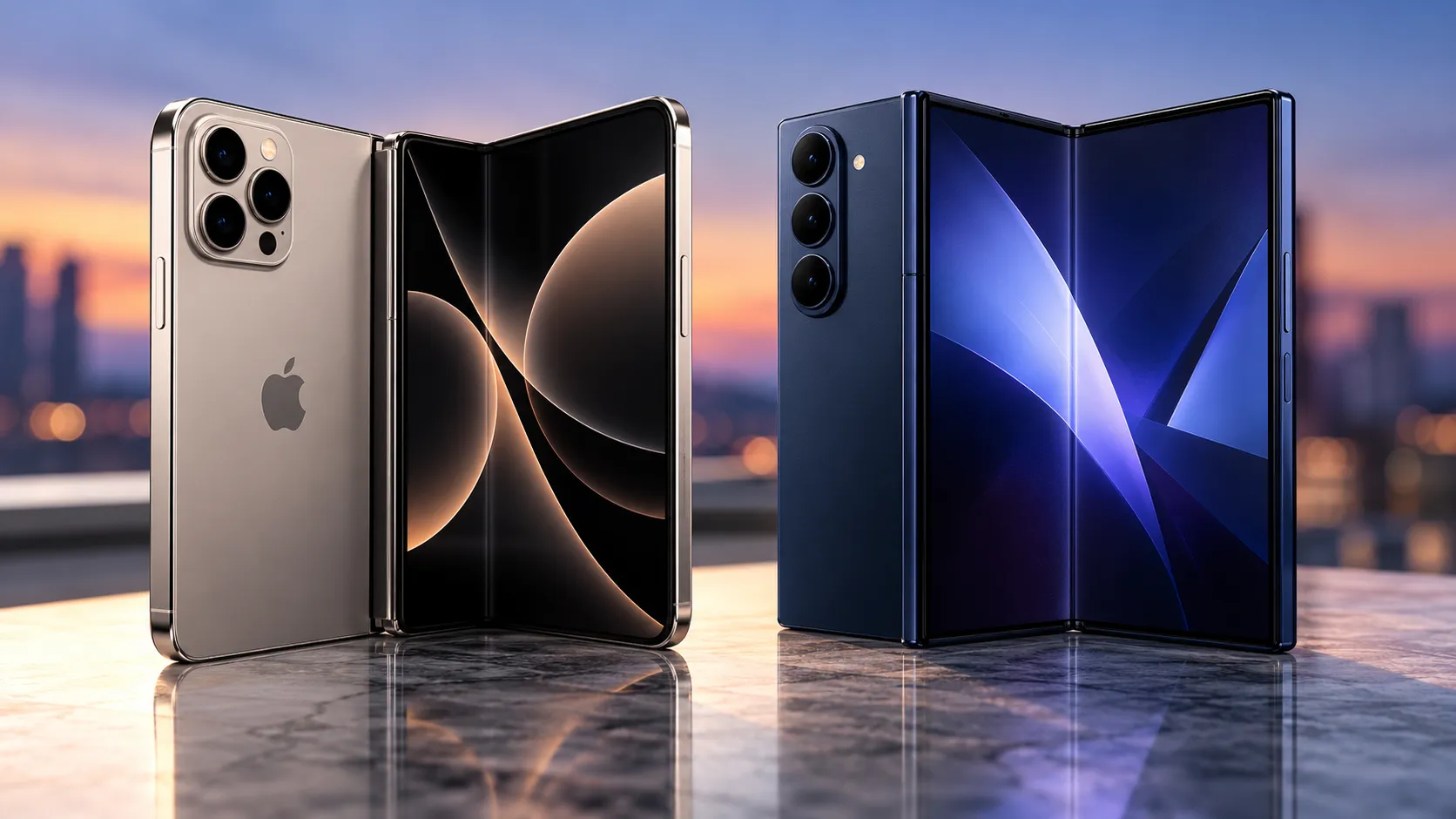
The Samsung Galaxy S26 Ultra has already launched. The Pixel 11 Pro XL is still months away, known mostly through leaks, CAD renders, and a Telegram channel. That asymmetry matters before anything else: comparing the Google Pixel 11 Pro XL vs Samsung Galaxy S26 Ultra isn't a traditional head-to-head so much as a weighing of a known quantity against an ambitious pre-launch signal.
What makes the comparison worth doing is that these two phones represent genuinely divergent philosophies. Samsung's approach with the S26 Ultra, which GSMArena covered ahead of the February launch, is to preserve and deepen a proven flagship formula: S Pen still in the box, an expanding accessory ecosystem, a new Privacy Display option, and a camera system that prioritizes refinement over reinvention. Google, based on a detailed spec leak reported by Android Authority and 9to5Google earlier this year, appears to be doing something riskier. Replacing most of its camera hardware, switching modem suppliers, debuting its first 2nm chip, and adding an RGB LED feature of uncertain purpose, all while making only modest changes to the exterior.
The practical question: is Samsung's feature-dense reliability worth buying now, or does Google's internal reset make the Pixel 11 Pro XL worth waiting for? The answer depends less on any single spec and more on what you need a flagship to actually do.
One caveat, flagged once and not repeated: Pixel pricing is unknown, real-world battery performance on both phones is untested, and Tensor G6 performance is unproven outside spec sheets. Those unknowns are noted where they affect buyer decisions.
External philosophy: what each company's design choices say
Design isn't just aesthetics. It's where companies signal what kind of phone they think they're building and who they're building it for.
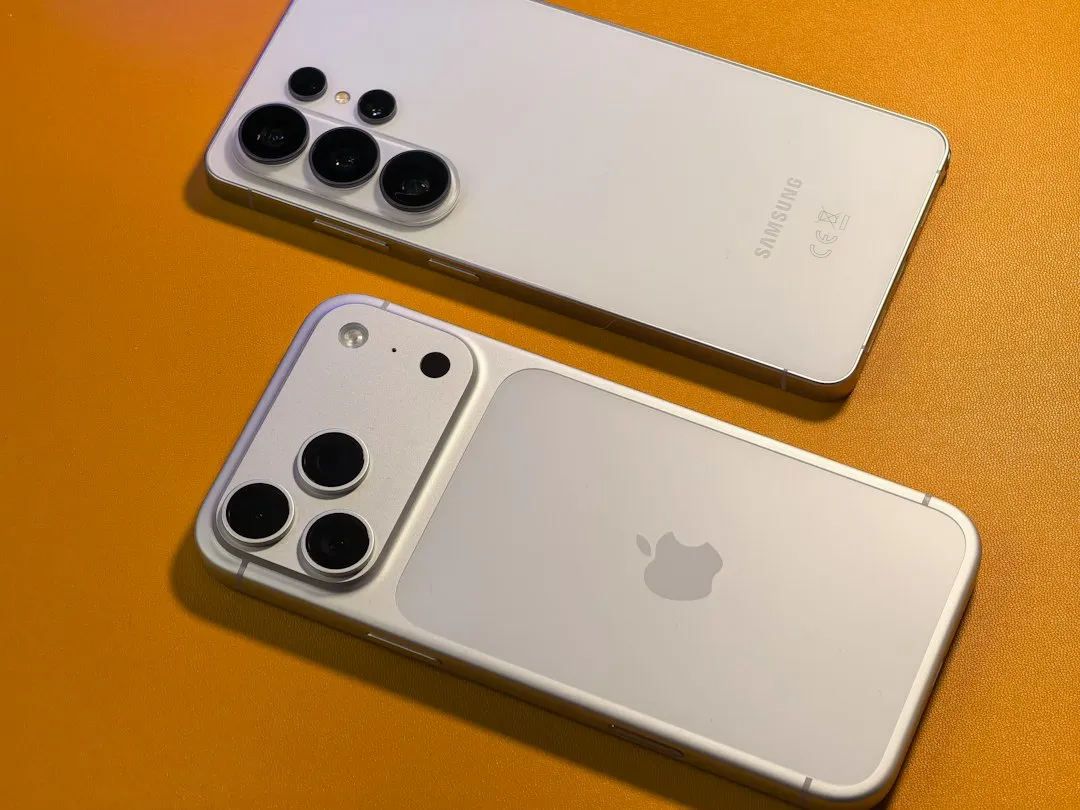
Google's most visible change to the Pixel 11 Pro XL is a revised camera bar. Renders based on hardware measurements, published by Android Authority earlier this year, show a new monochromatic strip replacing the previous two-tone oval design. It reads as a cleaner, more deliberate look, but the surrounding device changes little. Dimensions shift by barely a millimeter, and the 6.8-inch AMOLED display stays the same size. Android Authority put it plainly: there's "no evidence of any big shake-up" in the overall form. The exterior refresh matters more as brand signal than as functional change.
The more provocative design move is Pixel Glow, an RGB LED array sitting in the camera island where the infrared thermometer used to be. 9to5Google reported it as conceptually similar to Nothing's Glyph system, notification lighting baked into the hardware. Whether Google builds something genuinely useful around it or whether it becomes the feature everyone disables in week two is genuinely unknown. What it does tell you is that Google is reaching for an identity marker, something that makes the Pixel visually distinctive in a crowded premium market.
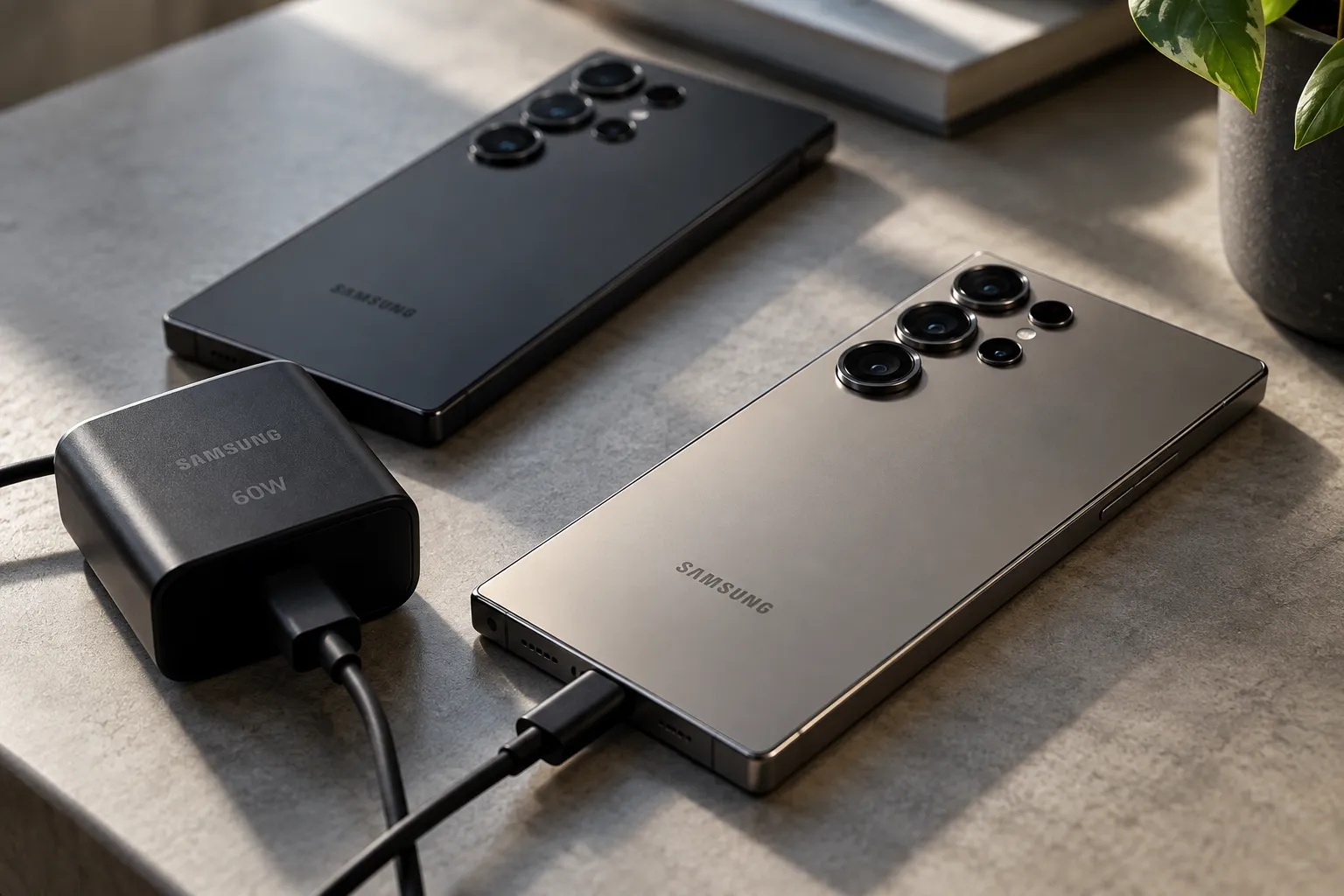
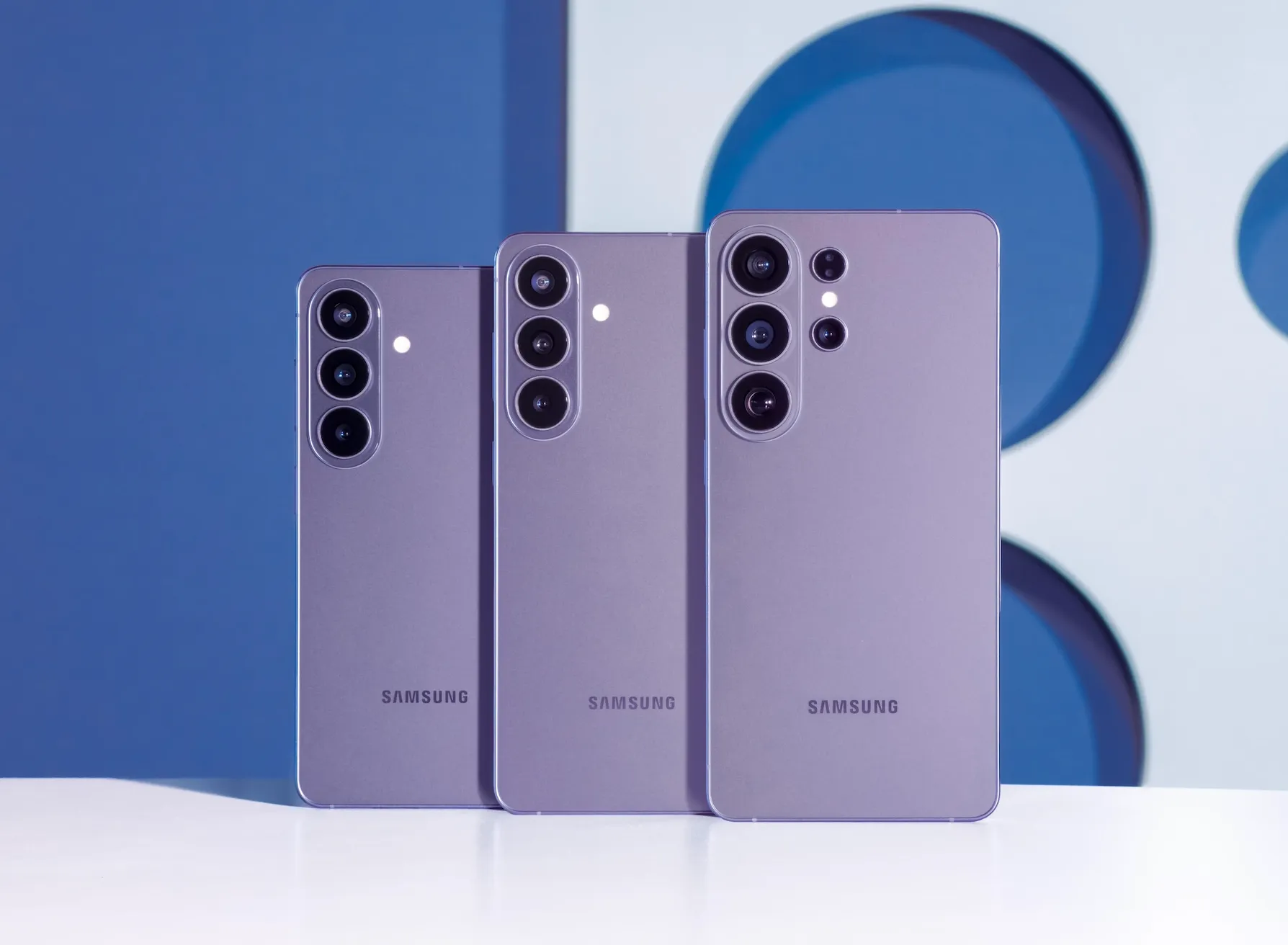
Samsung's design philosophy runs the opposite direction. The S26 Ultra was expected to launch in four colorways, Black, Cobalt Violet, Sky Blue, and White, with an S Pen rumored to come in black or white body, with accent ends matched to the device color, per GSMArena's pre-launch coverage. The design story is secondary to the utility story. Samsung's launch accessories reinforce this: anti-reflective screen protectors, both magnetic and non-magnetic cases, and Qi2 wireless charging support. That last one has a practical catch. The S26 lineup reportedly lacks built-in magnets, so MagSafe-style magnetic charging requires the magnetic case. A minor friction point, but it illustrates Samsung's ecosystem logic: the hardware is the platform, and the accessories complete it.
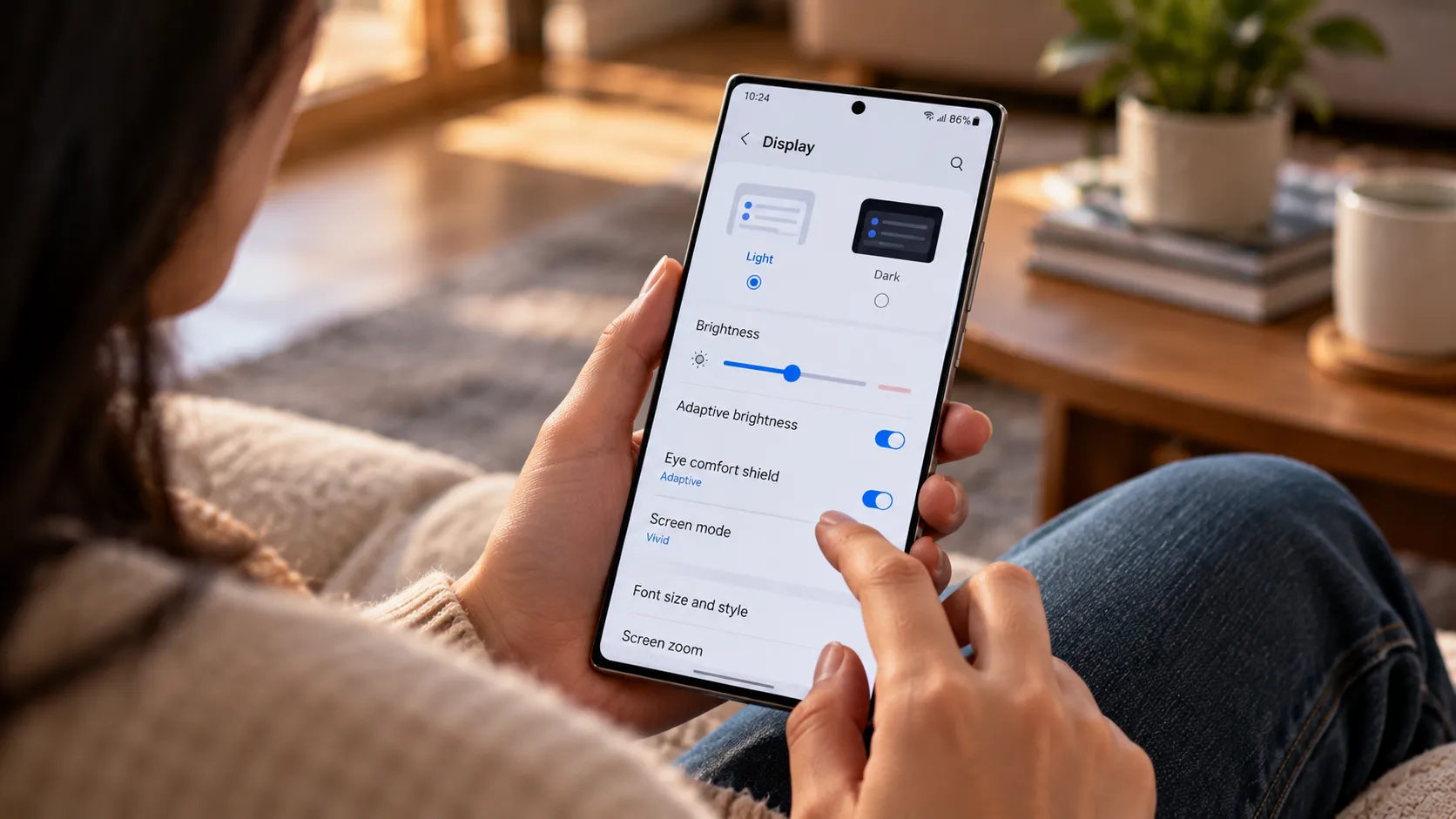
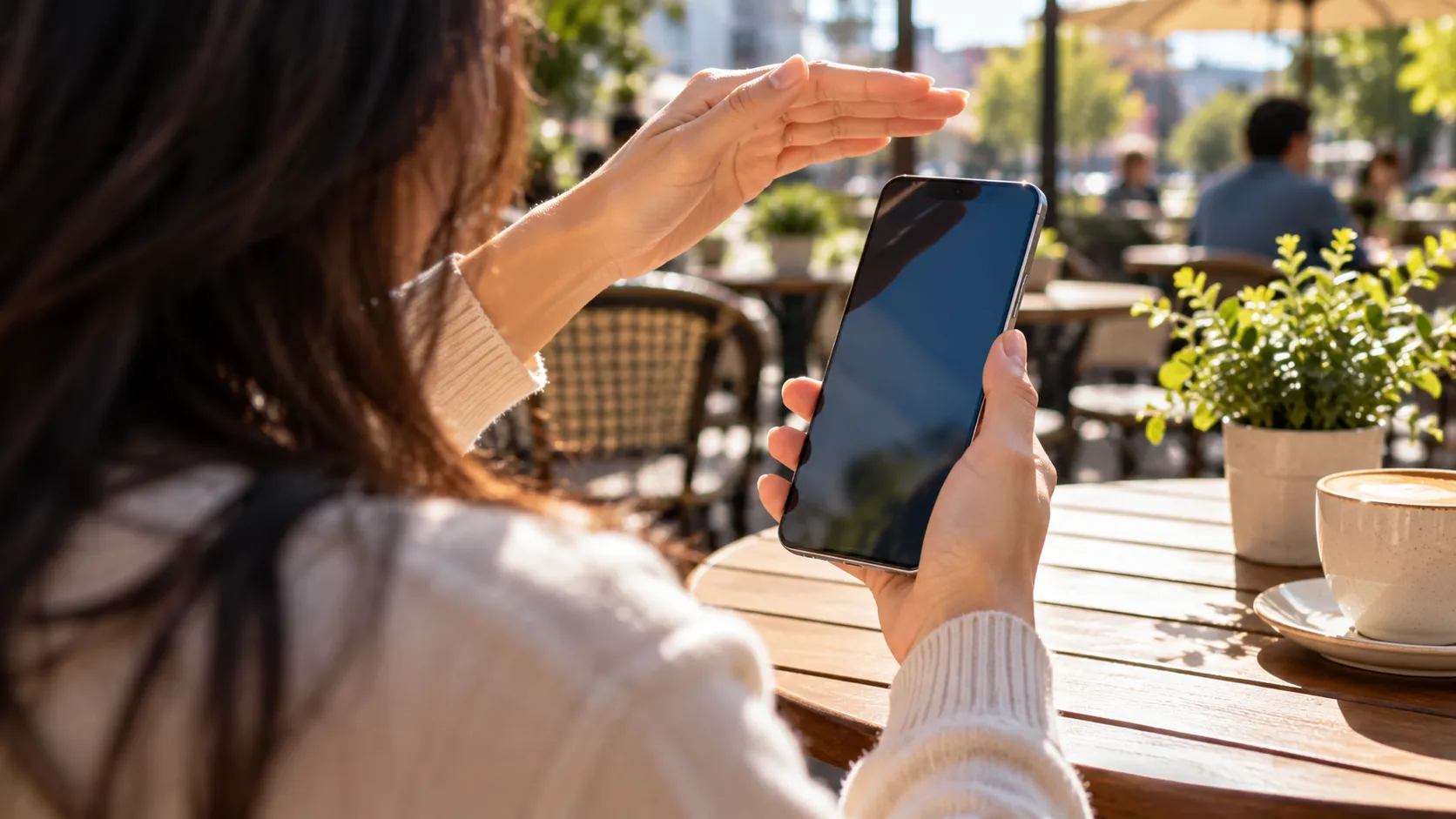
The Pixel's claimed 2,450-nit outdoor brightness on a 1-120Hz LTPO panel with 240Hz PWM dimming, detailed in 9to5Google's leak, represents a genuine display upgrade from prior generations. Samsung's panel specs are less detailed in pre-launch sources, though the S26 Ultra was rumored to include a Privacy Display feature and stronger Gorilla Glass. Both screens are likely capable; the Pixel's upgrade story is simply more quantified at this stage.
Pixel 11 Pro XL vs Galaxy S26 Ultra camera: Google's reset vs Samsung's refinement
Camera performance is where most buyers will make their final call, and the two approaches here are nearly opposite in risk profile.
Google is replacing two of the Pixel 11 Pro XL's three rear cameras. The main and telephoto sensors are entirely new hardware, codenamed "bastet" and "barghest," moving toward a new 50MP-class sensor direction across the Pro lineup, according to 9to5Google's reporting. This hardware reset is paired with a new GXP image signal processor built into the Tensor G6 chip. That ISP does the heavy lifting in translating raw sensor data into a finished photo. Replacing both the sensor and the ISP simultaneously is an ambitious move. The hardware interdependencies mean that if either component underperforms, the camera system as a whole suffers. Google's reputation has historically been built on software and computational photography. This generation bets that better hardware can deepen that advantage rather than complicate it.
Samsung took the opposite approach. The S26 Ultra's camera configuration reportedly remains unchanged at the sensor level: 200MP main, 50MP ultrawide, 10MP 3x telephoto, and 50MP 5x telephoto, the same structure as the S25 Ultra, SamMobile noted ahead of launch. The meaningful hardware changes are purely optical: the main camera's aperture reportedly widens from F1.7 to F1.4, and the 5x telephoto improves from F3.4 to F2.9. Wider apertures mean more light reaches the sensor, which typically produces cleaner low-light results and better detail in difficult conditions. Real, if incremental, gains built on a camera system that has already proven itself across prior Ultra generations.
One genuine unknown on Samsung's side: pre-launch imagery suggested the telephoto may use Samsung's All Lenses on Prism (ALoP) technology, which could deliver extended zoom without a conventional periscope structure. SamMobile explicitly cautioned that the circular lens opening some observers pointed to isn't conclusive. Other phones use similar arrangements within standard periscope systems, and Samsung had not yet deployed ALoP in a shipping device at that point. Worth watching, but not something that changes the purchase calculus today.
Google is the more interesting camera story this year. Samsung is the safer one. New sensors and a new ISP could push the Pixel 11 Pro XL to the top of its class, or they could need a generation of software refinement to reach their potential. Samsung's incremental aperture improvements will almost certainly work as expected.
The hardware bet inside: Tensor G6, the modem switch, and Samsung's silicon advantage
The Pixel 11 Pro XL's most consequential changes aren't visible from the outside. The Tensor G6 chip, reportedly Google's first built on a 2nm process, runs a 1+4+2 core configuration with newer ARM C1 cores, a PowerVR GPU, an updated Titan M3 security chip, a new TPU, and Google's new GXP image signal processor, per 9to5Google's leak. A smaller process node could improve power efficiency, which matters for both performance headroom and battery endurance, though real-world gains remain to be tested.
The modem change deserves specific attention. Tensor G6 will reportedly use a MediaTek M90 modem, ending Google's long-standing reliance on Samsung's Exynos modems, a shift 9to5Google flagged explicitly. Exynos modems have been a quiet but persistent criticism of the Pixel platform, associated with connectivity inconsistency and thermal concerns in some conditions. Whether the MediaTek M90 resolves those issues in practice is untested. The switch signals that Google has decided the Exynos modem relationship isn't serving its hardware ambitions anymore, a significant internal statement regardless of outcome.
Samsung's S26 Ultra, in contrast, was expected to run on Snapdragon 8 Elite Gen 5 in major markets, per GSMArena's pre-launch reporting. That's an established platform with a known performance profile, widely tested in real-world conditions. Google's Tensor architecture has historically traded raw compute throughput for specialized AI and imaging processing. The Tensor G6's new TPU and updated ISP suggest Google is deepening that specialization. If it pays off in on-device AI and image processing speed, the Pixel could pull ahead where it matters most to its users. If Snapdragon remains the more balanced general performer, Samsung's silicon edge holds.
Both Pro Pixel models are reportedly configured with up to 16GB RAM despite broader supply constraints, Android Authority noted, a point of parity with Samsung's premium tier that ensures neither phone is memory-constrained for AI workloads.
How the trade-offs stack up
Specs by section can obscure what actually matters to a buyer standing at a decision point. Here's the sharper version.
If camera certainty is the priority, the S26 Ultra is the clear choice. Its sensor architecture is unchanged from a system with two generations of refinement behind it, the aperture upgrades are straightforward optical improvements, and the results are predictable. The Pixel 11 Pro XL's camera overhaul is genuinely exciting on paper, but new sensors paired with a new ISP on a new chip process is three simultaneous bets. Any one of them could take a software cycle to fully mature.
If camera upside is the priority, and you're willing to wait until August and tolerate some uncertainty through the first review cycle, the Pixel 11 Pro XL is the more interesting wager. Google's computational photography has punched above its hardware weight before. Better hardware, if the integration lands, could produce something exceptional.
The S Pen question is simpler than it sounds. Either you use a stylus regularly or you don't. For note-taking, document markup, and precision navigation, the S26 Ultra's built-in integration remains genuinely unmatched in the Android space. No amount of Pixel camera upside compensates for that if the stylus is part of your daily workflow. Conversely, if you've never reached for a stylus, the S Pen adds nothing to the value equation.
The biggest reason to wait for the Pixel: if on-device AI processing and Google's camera pipeline are your primary use cases, the Tensor G6 reset could deliver a meaningful step forward. The biggest reason not to: battery capacity figures suggest the Pro XL may come in smaller than its predecessor, and whether the 2nm process compensates for that is genuinely unknown until reviews land.
Practical ownership: the S Pen ecosystem and who should buy which phone
The trade-off that most directly affects daily use is where the Pixel 11 Pro XL's risks concentrate. Leaked minimum capacity figures put the Pro XL battery at 5,000mAh and the standard Pro at 4,707mAh, both reportedly lower than the equivalent Pixel 10 Pro models, Android Authority reported. These may be rated minimum figures rather than typical marketed capacity, which is usually higher. Even so, the trend is notable: Google appears to be trimming battery at the same generation it's introducing a new chip, two new camera sensors, and a new modem. If the efficiency gains from the 2nm process don't compensate, buyers who prioritize all-day battery life are taking a real risk.
Samsung doesn't present an equivalent concern in available reporting. The built-in S Pen remains a unique differentiator for productivity users, and no Android competitor has successfully replicated the integration. The launch accessory ecosystem gives the S26 Ultra a ready infrastructure for users who want out-of-box protection and wireless charging flexibility. The rumored Privacy Display feature adds practical utility for anyone regularly working in public spaces. Together, these form a coherent toolkit for power users whose phones need to do more than take photos.
Choose the Pixel 11 Pro XL or Galaxy S26 Ultra based on this: the S26 Ultra is available now, its chipset is a known commodity, and its camera system has a two-generation track record. It won't surprise you. The Pixel 11 Pro XL, expected in August per 9to5Google, is the better bet if Google's camera pipeline, on-device AI, and the Tensor G6 reset are what you're buying for, and if you can sit with uncertainty around battery life and modem performance until real-world reviews arrive.
Three things remain genuinely unresolved: Pixel 11 Pro XL pricing, which will determine whether its ambition is also a value proposition; real-world Tensor G6 sustained performance under load; and whether the modem switch produces a connectivity improvement that's actually perceptible day to day. Those answers arrive in August.

Comments
Be the first, drop a comment!