



Samsung's Mobile Gaming Hub just received a major overhaul, and for a platform serving over 160 million monthly users, the changes couldn't come at a better time. You know how it goes with Samsung—they rarely do things halfway. The company has transformed what was once primarily a game organization tool into something much more ambitious: a comprehensive gaming discovery platform that aims to reshape how Galaxy users find and engage with mobile games.
Samsung's vision extends far beyond simple app management (Samsung News), positioning the Hub as the central destination for gaming on Galaxy devices. This update represents Samsung's most significant push into personalized mobile gaming experiences, featuring machine learning-driven recommendations that analyze actual gameplay patterns rather than surface-level download metrics. The transformation arrives strategically alongside the anticipated Galaxy S26 series launch (Pocket Tactics), positioning enhanced gaming discovery as a key differentiator in an increasingly competitive smartphone market.
What makes this update fundamentally different?
Here's where things get interesting. The core transformation centers around intelligent game discovery that adapts to individual user behavior through sophisticated behavioral analysis. Unlike basic "people who downloaded this also downloaded that" algorithms, Samsung's system employs machine learning to track engagement depth, session frequency, and completion patterns. The platform now delivers personalized suggestions that evolve based on your actual gaming patterns (Android Authority), creating what Samsung calls a "frictionless, organic, and personalized discovery experience" (Pocket Tactics).
Think about it this way: if you're someone who spends hours in strategy games but only briefly tries action titles, the Hub will start surfacing more complex strategy games with similar mechanics and depth. The system distinguishes between curiosity downloads and genuine engagement—crucial differentiation in mobile gaming where initial downloads often don't reflect long-term player preferences.
The Hub integrates all Galaxy Store games directly within the platform, eliminating the need to jump between different apps for game discovery and downloads (Samsung News). This integration supports Samsung's broader ecosystem strategy, creating sticky touchpoints that encourage users to stay within Galaxy services rather than relying on third-party discovery platforms.
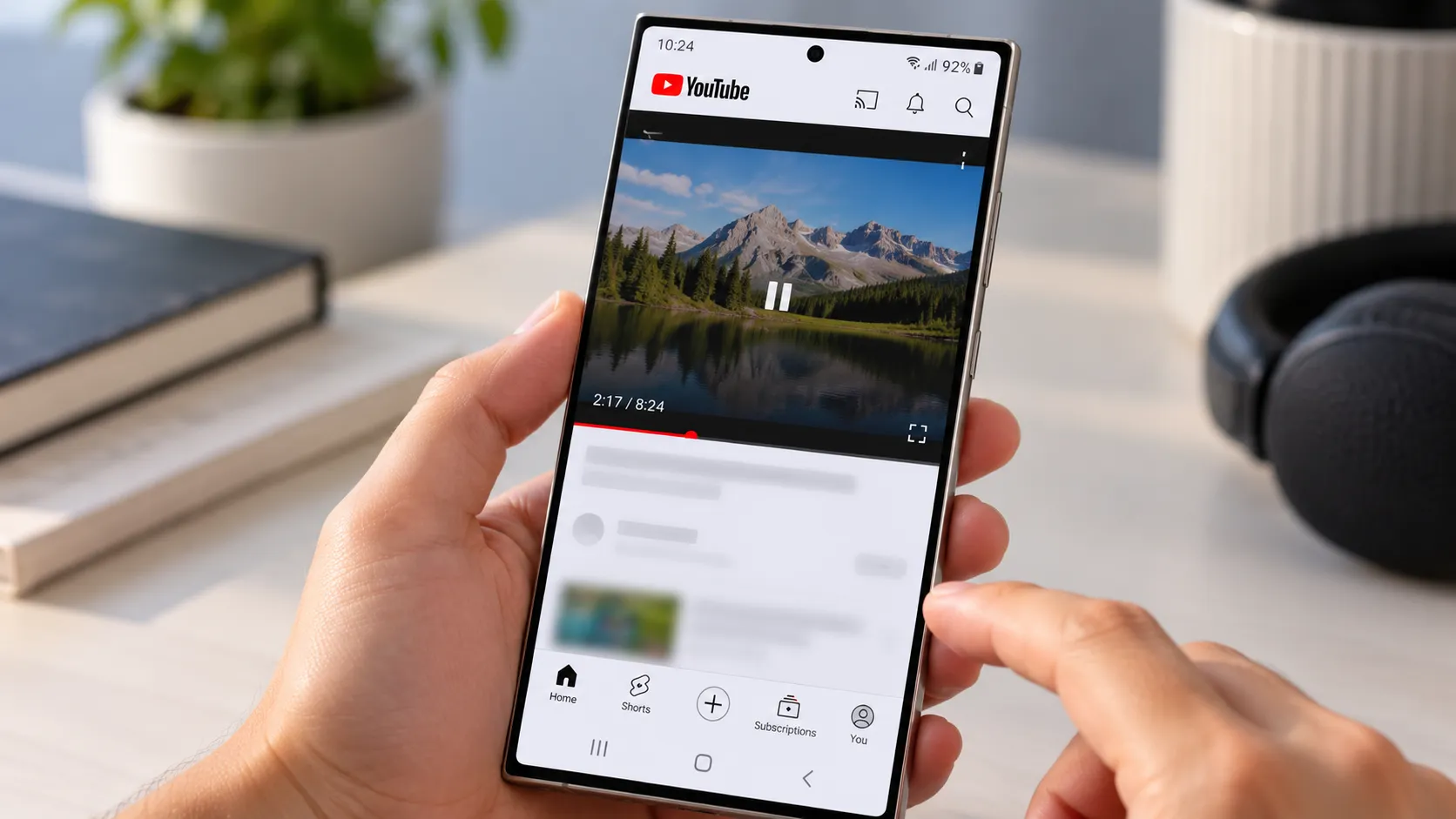
The interface itself has been completely redesigned with integrated video content from gaming creators, including gameplay footage and guides (Android Authority). This YouTube integration addresses a critical gap in mobile game discovery—the ability to understand gameplay mechanics and visual style before downloading. For users managing limited storage on their devices, this preview capability can significantly improve download decision-making.
How smart recommendations actually work
Samsung's approach to game discovery leverages behavioral analytics that go deeper than conventional recommendation engines. The system analyzes which titles users spend the most time playing on their Galaxy devices, then generates recommendations that shift dynamically as gaming habits evolve (Android Authority). The algorithm weighs session duration, return frequency, and progression metrics to build comprehensive player profiles.
What's sophisticated about this approach is its ability to identify engagement patterns across different game categories. The system recognizes when users consistently abandon certain game types early while investing significant time in others, adjusting future suggestions accordingly. These recommendations are designed to feel natural rather than promotional (Android Authority), prioritizing genuine user preference alignment over marketing partnerships or promotional content.
The platform's recommendation engine also factors in temporal gaming patterns—understanding when users prefer quick puzzle games versus longer RPG sessions. This contextual awareness enables more relevant suggestions based on typical usage scenarios and available play time.
Future iterations will introduce achievement tracking systems that allow users to compare their progress against other players (Android Authority), incorporating social proof elements that can influence discovery. This competitive layer adds retention value beyond initial game recommendations, creating reasons for users to return to the Hub platform regularly.
Building toward a social gaming future
Samsung's long-term vision extends into community-driven features and enhanced social connectivity that position the Hub as a comprehensive gaming ecosystem. Planned updates will introduce customizable player profiles and more sophisticated discovery tools that help users engage more deeply with their preferred gaming content (Samsung News). This roadmap mirrors successful gaming platforms like Steam and Discord that blend individual discovery with community engagement.
The integration of video content represents the foundation for this more connected experience. By incorporating gameplay footage and creator content directly into the app (The Verge), Samsung creates opportunities for users to engage with gaming communities before downloading titles. This approach leverages the proven effectiveness of video content in gaming decisions—players increasingly rely on gameplay videos to evaluate potential downloads.
Samsung's strategy here is particularly smart because it doesn't require the company to generate all content internally. By partnering with existing gaming creators and eventually enabling user-generated profiles and achievement sharing, they're building a platform that scales organically. The more users engage with the social features, the more valuable the recommendation data becomes for everyone else in the ecosystem.
The competitive element introduced through achievement tracking could also drive longer-term engagement with both individual games and the Hub platform itself. Users who might normally abandon games after initial play sessions may continue playing to maintain competitive standings with friends or other community members.
What this means for Galaxy gaming going forward
Samsung's Mobile Gaming Hub transformation signals a broader strategic shift toward service-driven differentiation in the smartphone market. The updated platform is now available globally on Galaxy smartphones and tablets (Samsung News), coinciding with upcoming Galaxy S26-series launches (reported by Pocket Tactics; no official launch date confirmed).
This timing reflects Samsung's recognition that hardware specifications alone no longer provide sustainable competitive advantages. As premium smartphones converge in processing power and feature sets, differentiated software experiences and ecosystem services become primary competitive battlegrounds. Gaming, which demands both high performance and sustained user engagement, serves as an ideal showcase for Galaxy device capabilities.
The Hub's evolution from a simple game launcher to an intelligent discovery platform demonstrates Samsung's commitment to creating value-added services that increase ecosystem stickiness. With 160 million monthly active users already engaged (Samsung News), the platform has sufficient scale to influence mobile gaming behaviors across Samsung's user base and potentially pressure competitors to develop similar integrated gaming experiences.
The success of this update will largely depend on whether Samsung's machine learning algorithms can genuinely surface games that users want to play long-term, rather than simply games that appear similar to previous downloads. Early indicators suggest the behavioral analysis approach may be more effective than traditional recommendation systems, but real-world performance across diverse user segments will ultimately determine the Hub's impact on mobile game discovery and Samsung's broader ecosystem strategy.


Comments
Be the first, drop a comment!