



Samsung's latest tri-fold marvel packs a surprising amount of engineering into its compact form factor, but one specification might leave power users scratching their heads. The Galaxy Z TriFold settles for 15W wireless charging—a decision that seems conservative for a device pushing the boundaries of foldable technology. Let's break it down and explore why Samsung made this choice and what it really means for your daily usage.
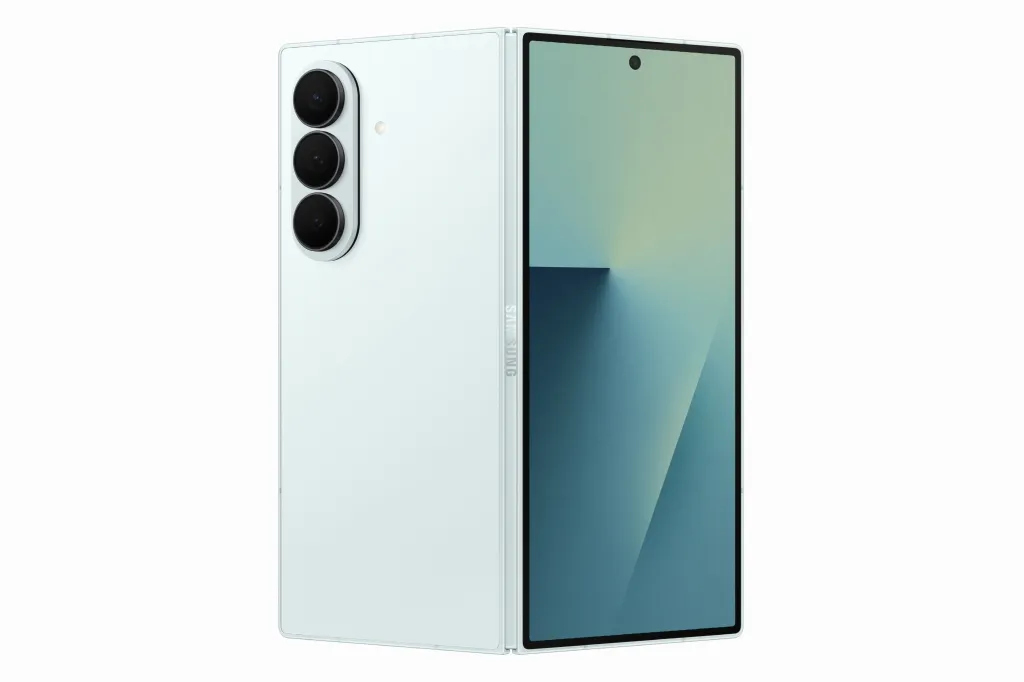
The Galaxy Z TriFold brings some seriously impressive specifications to the table. We're talking about a massive 10-inch display when fully unfolded—that's tablet territory right there—while maintaining similar dimensions to the Galaxy Z Fold 7 when closed. This engineering feat is powered by a substantial 5,600mAh battery capacity, according to Android Central, distributed across three panels for balanced power delivery. The device officially launched on December 1, 2025, with availability starting December 12 in South Korea, marking Samsung's bold entry into the tri-fold smartphone market.
What makes this achievement even more remarkable is the device's incredibly slim 3.9mm profile when unfolded—genuinely impressive engineering when you consider there are two hinges and three separate display panels working in harmony. At 309 grams, the weight remains manageable for a device packing this much cutting-edge technology.
Why Samsung chose 15W wireless charging
The decision to implement 15W wireless charging reflects Samsung's calculated approach to thermal management and battery longevity in their most complex foldable design yet. The TriFold supports Samsung's Fast Wireless Charging 2.0 profile, which delivers consistent power without generating excessive heat across the device's intricate three-panel design.
Here's the engineering reality: distributing wireless charging coils effectively across a tri-fold form factor presents unprecedented challenges. Higher wireless charging speeds generate significantly more heat, which could affect the delicate dual-hinge mechanisms, cause thermal throttling that impacts performance, or compromise the longevity of the distributed battery system. Samsung's conservative 15W approach ensures reliable operation while protecting the sophisticated internal architecture.
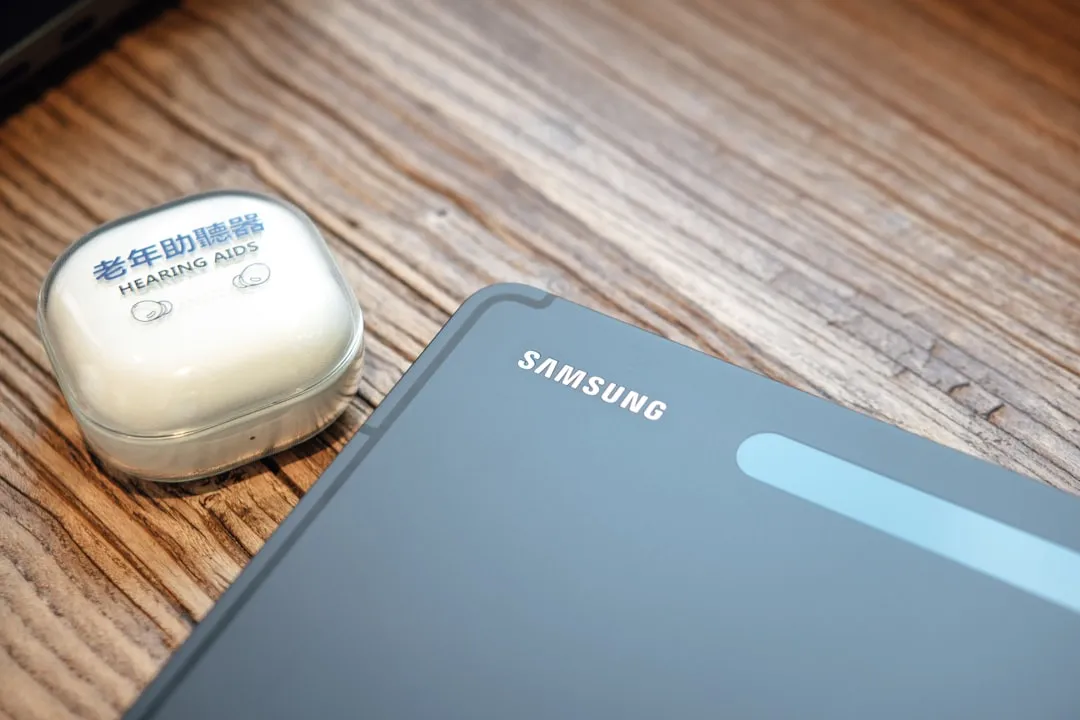
The company also includes Wireless PowerShare functionality, allowing users to charge their earbuds or other devices using the TriFold as a power source—a practical feature that demonstrates Samsung's focus on real-world utility over spec sheet numbers.
How it compares to the competition
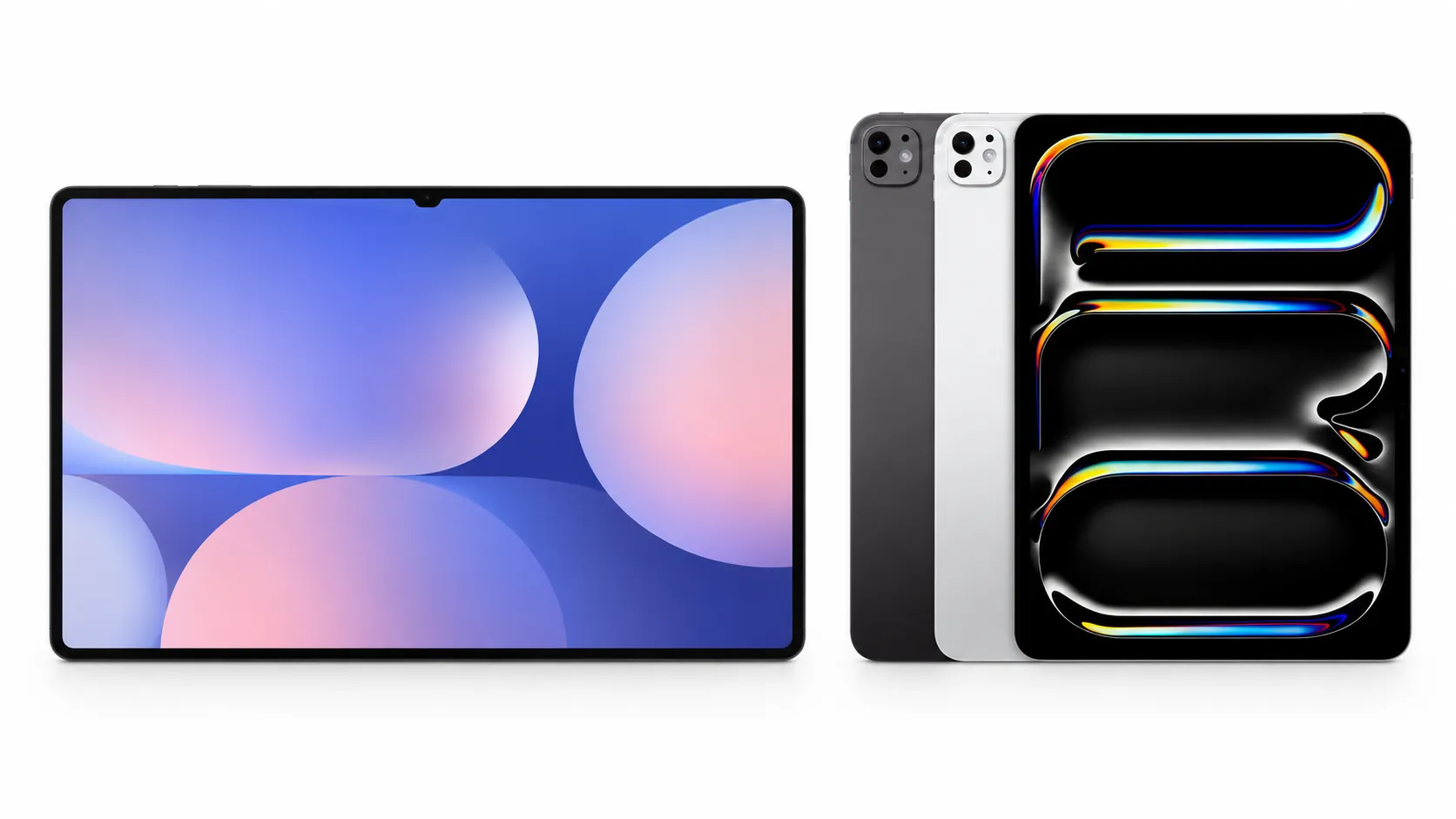
The wireless charging landscape reveals stark strategic differences between manufacturers in the emerging tri-fold market. Huawei's Mate XTs offers significantly faster wireless charging at 50W, compared to Samsung's 15W approach, showcasing completely different design priorities.
Both devices share identical 5,600mAh battery capacities, but Huawei also provides 66W wired charging versus Samsung's 45W. On paper, Huawei's numbers look more aggressive, but Samsung's measured approach prioritizes long-term battery health and thermal stability over peak charging speeds—a philosophy that could prove beneficial for device longevity and consistent performance over years of use.
This strategic difference reflects Samsung's track record of building foldables that last. Rather than chasing headline-grabbing charging speeds that could introduce reliability issues in such a complex form factor, Samsung chose the path that protects their reputation for durable, dependable foldable devices.
The bigger picture: wired charging takes priority
Samsung's engineering focus clearly emphasizes wired charging performance, where the TriFold delivers impressive results. The device features 45 W super-fast charging, which can deliver up to 50% charge in just 30 minutes, making it the fastest wired charging foldable Samsung has produced.
This strategy aligns perfectly with real-world usage patterns. Most users rely heavily on wired charging for quick top-ups during busy days, while wireless charging serves primarily as a convenient overnight or desk-based solution. Samsung's implementation prioritizes the charging method users depend on most while ensuring wireless charging remains reliable and consistent for convenience scenarios.
The approach also demonstrates engineering maturity—recognizing that pushing wireless charging speeds aggressively in a tri-fold design could create thermal bottlenecks that affect overall device performance and reliability.
What this means for your daily routine
Bottom line: Samsung's 15W wireless charging decision reflects a sophisticated understanding of user needs and the engineering constraints of tri-fold design. While competitors chase higher wireless charging speeds that make impressive marketing claims, Samsung prioritizes thermal management and long-term reliability.
The TriFold's substantial 5,600mAh battery capacity—significantly larger than most smartphones—means overnight wireless charging at 15W will fully charge your device with time to spare. For context, that's enough power to easily handle a full day of intensive tablet-style usage. Meanwhile, the robust 45W wired charging handles your quick power-up needs when you're pressed for time.
For most users, this balanced approach delivers exactly what matters: consistent, reliable performance day after day. When you're investing in cutting-edge tri-fold technology that represents the future of mobile devices, you want something that works flawlessly over years of use, not something that might develop charging issues or thermal problems after months of aggressive wireless charging cycles.
The 15W wireless charging might not win speed contests, but it gets the job done reliably while protecting the sophisticated engineering that makes the tri-fold form factor possible in the first place.


Comments
Be the first, drop a comment!