





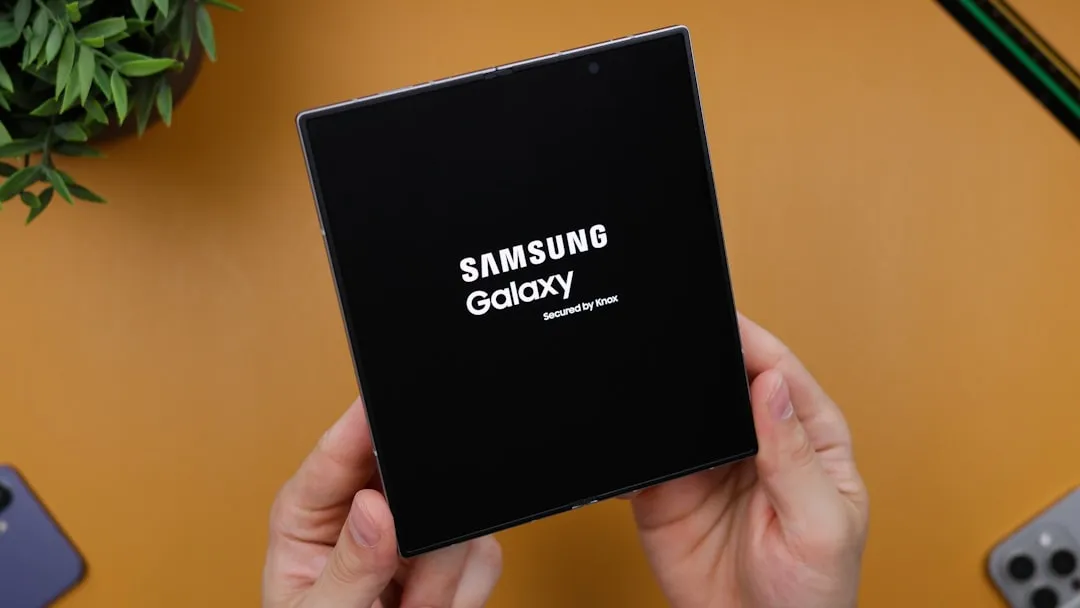
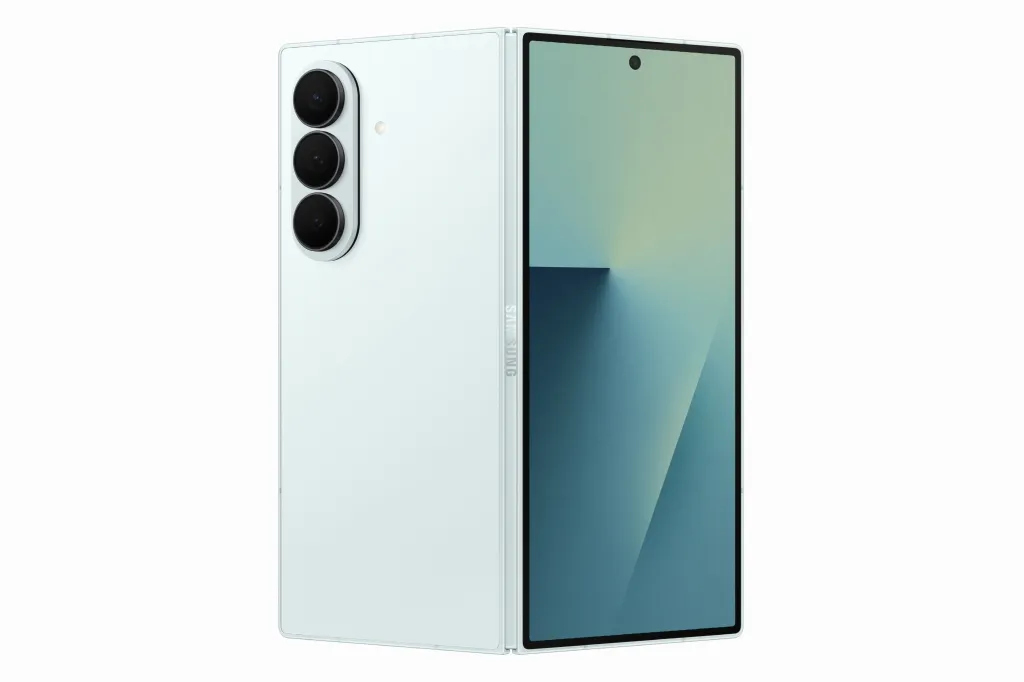
The tech world loves a good mystery, and Samsung's Galaxy Z TriFold has become exactly that. What started as whispers about limited availability has turned into something far more intriguing—the possibility that Samsung might have already pulled the plug on their ambitious tri-fold experiment. If this sounds familiar, it should. The foldable market has been littered with promising concepts that never quite made it to mainstream success.
The reality is that tri-fold devices represent the bleeding edge of smartphone engineering, where ambitious design meets harsh manufacturing realities. Understanding what might have happened with the Galaxy Z TriFold requires looking beyond the surface-level rumors and diving into the complex web of factors that determine whether a cutting-edge device lives or dies in today's competitive market.
The writing was already on the wall
Samsung's approach to the tri-fold market has been notably cautious from the start. Unlike their aggressive push with the Galaxy Z Fold and Z Flip series, the company seemed to treat the TriFold more like a proof of concept than a mass-market product. This hesitant strategy becomes clearer when you consider the technical challenges involved.
Manufacturing tri-fold displays involves coordinating three separate screen segments with two hinge mechanisms—a feat that pushes current production capabilities to their limits. The yield rates for such complex displays are typically much lower than traditional foldables, meaning more units fail quality control and fewer devices make it to market. Even Samsung's advanced display manufacturing couldn't completely overcome these fundamental challenges.
But here's where it gets really complicated: Samsung's existing foldable production lines aren't easily adaptable to tri-fold manufacturing. The company would need significant retooling of their facilities, including new quality control processes for dual-hinge mechanisms and specialized assembly equipment for managing three display segments simultaneously. That's not just an engineering challenge—it's a massive capital investment with uncertain returns.
The pricing reality also painted a challenging picture. Industry analysts estimated the Galaxy Z TriFold would need to retail for well over $2,500 to maintain reasonable profit margins, placing it firmly in ultra-premium territory. At that price point, the potential customer base shrinks dramatically, making it difficult to justify large-scale production runs. We're talking about a device that would cost more than many people's monthly rent, and that's a tough sell even for the most tech-enthusiastic consumers.
The cost structure goes beyond just materials and manufacturing. Samsung's display division operates on economies of scale—the more units they produce, the lower the per-unit cost becomes. With tri-fold devices targeting such a limited market, those economies never materialize, creating a pricing spiral that makes the devices increasingly less competitive.
Market demand didn't match the innovation
Consumer interest in tri-fold devices has remained surprisingly lukewarm despite the impressive technology demonstrations. Early focus groups and market research suggested that while people found tri-fold concepts fascinating, the practical benefits didn't justify the significant cost premium and potential reliability concerns.
Here's what's interesting: the "wow factor" of tri-fold devices doesn't seem to translate into actual purchase intent. You can show someone a phone that unfolds into a tablet-sized screen and watch their eyes light up, but when you mention the price tag and ask them to imagine carrying it daily, enthusiasm tends to cool pretty quickly.
The use cases for tri-fold devices remain somewhat niche. While the expanded screen real estate offers obvious advantages for productivity and media consumption, most users haven't demonstrated a compelling need for the specific form factor that tri-folds provide. The Galaxy Z Fold series already addresses many of the same use cases with a more proven, reliable design.
Battery life and device thickness also emerged as persistent concerns. Tri-fold devices require more complex internal architectures, often resulting in compromises that affect daily usability. The challenge isn't just about fitting a bigger battery—it's about managing thermal dissipation across three display segments while maintaining the structural integrity of two hinge points. Samsung's thermal management solutions that work well in dual-fold devices become exponentially more complex when applied to tri-fold architectures.
Regional market variations further complicated the demand picture. While some markets showed moderate interest in premium foldables, others remained focused on more traditional smartphone designs. This geographic fragmentation makes it nearly impossible to achieve the global scale necessary to justify tri-fold investments. Samsung's strategy typically relies on worldwide appeal to offset massive R&D costs, and tri-fold devices couldn't deliver that broad market validation.
The competition factor changed everything
The foldable landscape has evolved rapidly, with Chinese manufacturers like Huawei and Honor making significant strides in tri-fold technology. Huawei's Mate XT Ultimate Design, in particular, demonstrated that tri-fold devices could achieve better market reception with the right positioning and regional focus.
This competitive dynamic created a strategic dilemma for Samsung. Rushing to market with a potentially flawed product could damage their carefully cultivated reputation for foldable reliability, while waiting too long might cede the tri-fold category to competitors. The company likely decided that letting competitors navigate the early pitfalls while Samsung perfected dual-fold technology represented the smarter long-term play.
Now here's the thing about Samsung's competitive strategy: they're usually not afraid to be first to market, but they're also smart enough to know when being first might mean being first to fail spectacularly. Watching Huawei navigate the tri-fold waters first gives Samsung valuable market intelligence without the risk.
Samsung's component supply relationships also play a crucial role in these decisions. The company needs to balance their own device production with supplying displays and components to other manufacturers. Their most advanced display production capacity is finite, and allocating it to a niche tri-fold device might mean turning away more profitable orders from other smartphone manufacturers who buy Samsung's foldable displays in higher volumes.
The timing of potential discontinuation aligns with Samsung's typical product evaluation cycles. Companies regularly assess early-stage products based on initial market feedback, production challenges, and competitive dynamics. If internal projections showed the Galaxy Z TriFold struggling to achieve minimum viable scale within acceptable timeframes, cutting losses becomes the logical choice.
Bottom line: Samsung didn't get to where they are by throwing good money after bad. If the numbers don't add up—whether that's production costs, market demand, or competitive positioning—they're disciplined enough to cut their losses and redirect resources to more promising opportunities.
What this means for the future of foldables
Samsung's potential retreat from tri-fold devices doesn't signal doom for the foldable market—quite the opposite. It demonstrates the company's commitment to sustainable innovation rather than rushing unready technology to market. This measured approach has served Samsung well in other product categories.
The lessons learned from the Galaxy Z TriFold development won't be wasted. Samsung's engineering teams have undoubtedly gathered valuable insights about multi-fold mechanisms, display technologies, and user interface challenges that will inform future foldable innovations. These insights likely include advances in hinge durability testing, multi-segment display calibration, and software optimization for variable screen configurations—knowledge that will prove invaluable when tri-fold technology matures.
Looking ahead, Samsung's focus will likely remain on perfecting dual-fold devices while exploring other form factors that offer clearer value propositions. The company's track record suggests they'll return to tri-fold concepts when manufacturing yields improve, costs decrease, and market demand demonstrates genuine sustainability rather than novelty appeal.
Here's what you need to know: Samsung isn't abandoning foldables—they're just being smart about which foldable bets to make right now. The Galaxy Z Fold and Z Flip series continue to evolve and improve, with each generation addressing previous limitations while expanding their user base. This suggests the company sees a clear path forward for dual-fold devices and wants to dominate that space before diversifying into more complex form factors.
The broader foldable market continues to show healthy growth, with dual-fold devices becoming increasingly mainstream. Samsung's decision to potentially step back from tri-folds allows them to concentrate resources on strengthening their market-leading position in more established foldable categories while competitors work through the early challenges of tri-fold implementation.
This isn't the end of the tri-fold story—it's more like the end of chapter one. The technology will continue to mature, manufacturing processes will improve, and consumer expectations will evolve. When Samsung does return to tri-fold devices (and they probably will), they'll likely arrive with a more refined product that benefits from both their own continued research and the market lessons learned by early tri-fold pioneers.



Comments
Be the first, drop a comment!