





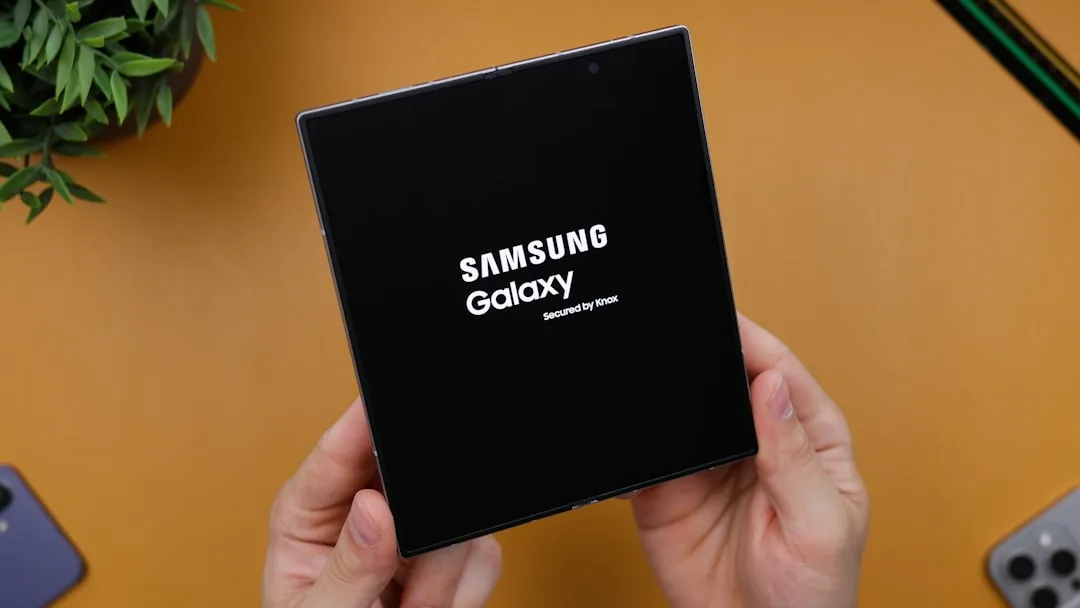
The foldable phone landscape is about to get interesting again. While Samsung has been refining its Galaxy Z Fold series with incremental improvements, whispers from the rumor mill suggest something different is coming—a "Wide" Galaxy Z Fold that could shake up the form factor we've grown accustomed to.
The alleged specs making rounds online hint at a device that prioritizes width over the current tall-and-narrow approach. If these rumors hold water, we're looking at a fundamental shift in how Samsung thinks about foldable real estate. But here's the thing—with no official confirmation and the notoriously fluid nature of pre-launch specifications, we're in that familiar territory where excitement meets healthy skepticism.
What makes this particularly intriguing is the timing. Samsung has spent years perfecting the current Z Fold formula, gradually addressing durability concerns and software optimization. A "Wide" variant suggests they're confident enough in their foldable foundation to start experimenting with different approaches to portable screen real estate.
What would a 'Wide' form factor actually mean?
The current Galaxy Z Fold series follows a specific design philosophy—when closed, you get a narrow but functional outer display, and when opened, a nearly square inner screen that's great for multitasking but can feel cramped for certain content types.
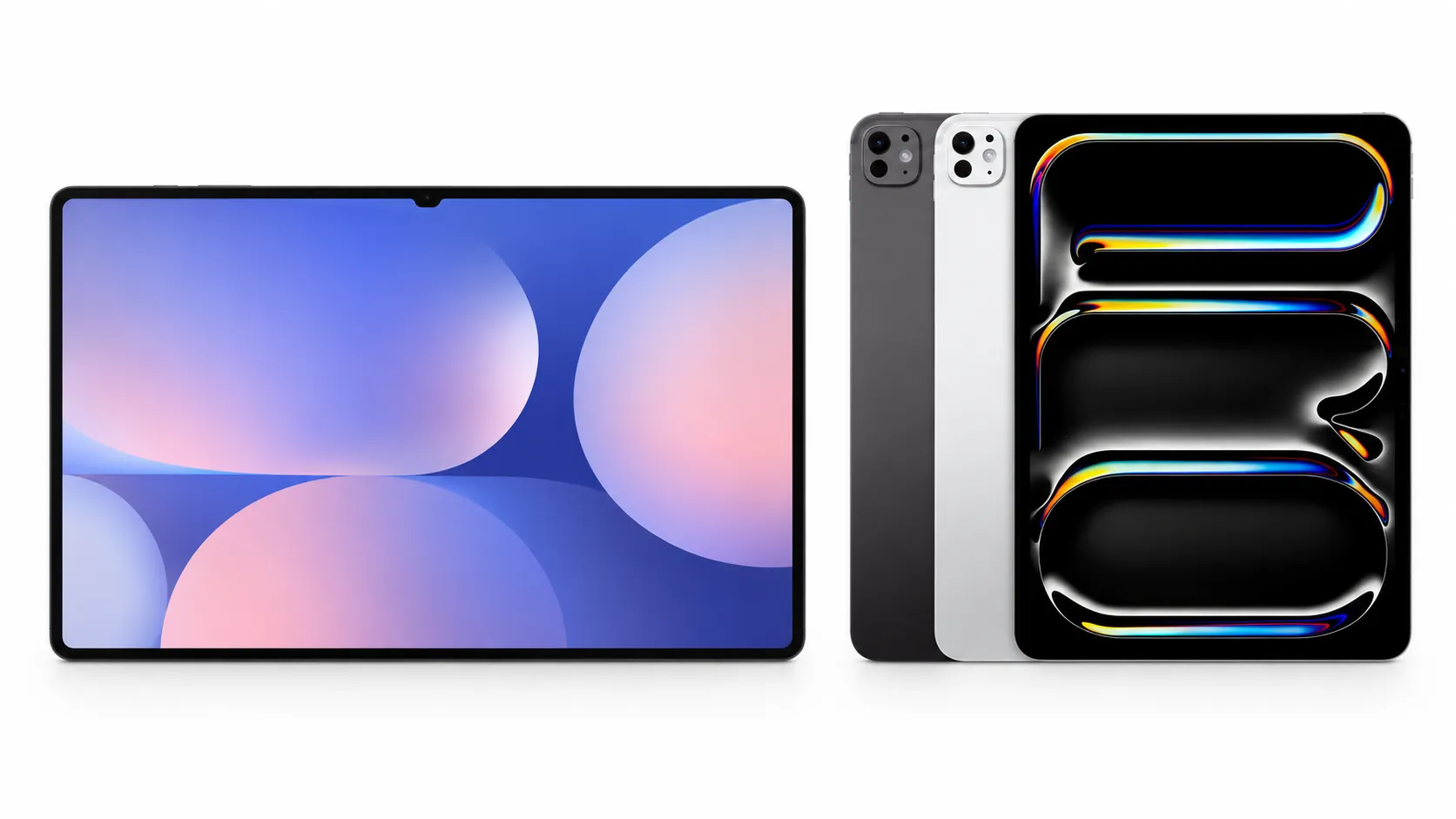
A "Wide" approach would flip this script entirely. Picture a device that, when unfolded, gives you something closer to a traditional tablet's landscape orientation as the default. This isn't just about making the screen bigger—it's about fundamentally changing how you interact with the device.
The engineering challenges here are substantial. Samsung's current hinge mechanism is optimized for the existing aspect ratio, and shifting to a wider format means rethinking everything from the internal component layout to how the flexible display curves. The crease, which Samsung has worked hard to minimize, might behave differently across a wider span—potentially becoming more noticeable as the flexible display material stretches across a broader horizontal distance.
Here's where solving these technical hurdles unlocks entirely new user experiences. From a usability standpoint, a wider foldable could be a game-changer for certain use cases. Video content would feel more natural, productivity apps could take advantage of true side-by-side layouts, and gaming could benefit from the expanded horizontal real estate. You know those moments when you're trying to edit a document while referencing another app, and everything feels squished? This could solve that entirely.
In my experience with current Z Fold devices, the narrow outer display often forces you to unfold the device more frequently than you'd like, especially for typing or reading content. A wider format could potentially offer a more usable closed-state experience while delivering that expansive tablet feel when opened.
The trade-offs are worth considering too. A wider device might be less pocketable when folded, depending on how Samsung handles the dimensions. There's always that delicate balance between maximizing screen real estate and maintaining practical portability—something I've noticed varies significantly between different foldable designs I've tested.
The competitive landscape context
Samsung isn't operating in a vacuum here. Chinese manufacturers have been pushing foldable boundaries with different approaches to form factors, and the pressure to innovate beyond incremental improvements is real.
Google's Pixel Fold took a notably different approach to proportions compared to Samsung's Z Fold series, opting for a wider outer display and different internal screen ratios. The market response has been telling—users appreciate having options in how their foldable experience is structured.
What's interesting is how different form factors appeal to different use cases. Some folks love the current Z Fold's book-like proportions for reading and browsing, while others find it limiting for media consumption and productivity tasks. A "Wide" variant could capture that latter group without abandoning what works for existing users.
Companies like Honor with their Magic V2 and OnePlus with the Open have demonstrated that alternative approaches to foldable proportions can work well. The Magic V2, in particular, achieved impressive thinness while maintaining usable outer and inner displays—proof that there's room for experimentation in this space.
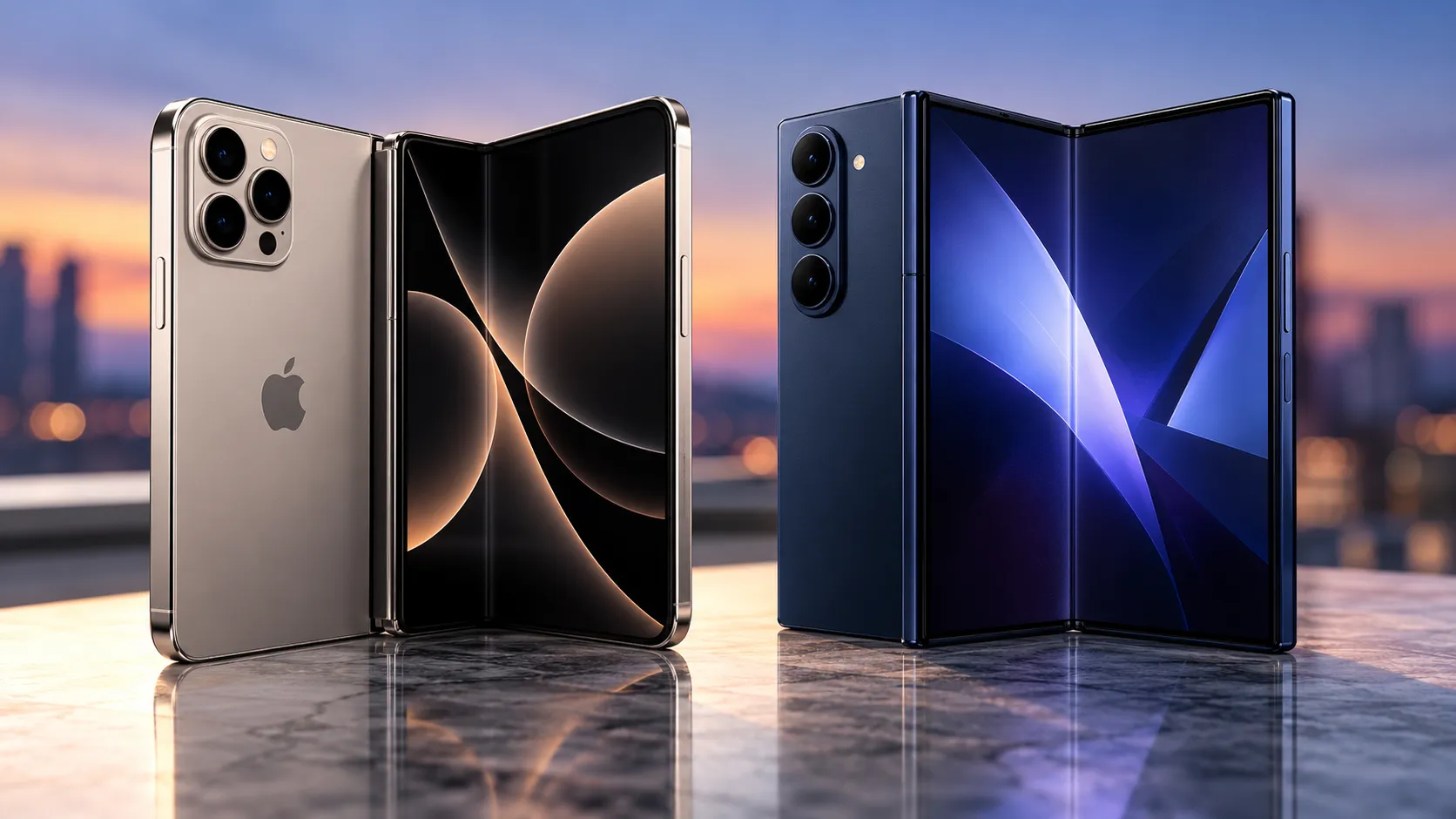
Apple's rumored foldable ambitions also loom large. While we haven't seen concrete products yet, the expectation is that when Apple enters the foldable space, they'll bring fresh thinking to form factors. Samsung's exploration of a "Wide" variant could be positioning for that eventual competition.
The broader foldable market is still finding its footing in terms of what consumers actually want. Early adopters have provided valuable feedback, but mainstream adoption requires hitting that sweet spot of functionality, durability, and price that works for a much larger audience.
App ecosystem and multitasking implications
Here's where things get really interesting from a practical standpoint. Android's foldable support has evolved significantly since the original Fold's launch, with major improvements in how apps handle screen transitions and multi-window functionality.
A "Wide" Galaxy Z Fold would need robust app compatibility and multitasking features that take advantage of the different proportions. Samsung's One UI has been leading the charge in foldable software optimization, but a new form factor means new challenges and opportunities.
Imagine true three-app multitasking that doesn't feel cramped, or video calls where you can have your camera feed, the other participants, and your notes all visible simultaneously without compromise. The productivity potential is significant, but only if the software execution matches the hardware ambition.
From my hands-on experience with current foldables, the apps that truly shine are those that smartly utilize the extra screen real estate rather than simply stretching phone interfaces. Microsoft Office apps, for example, transform beautifully on unfolded displays, while many social media apps still feel like oversized phone experiences.
The developer ecosystem would need to adapt as well. Apps that work beautifully on current foldables might need interface adjustments for a wider format, and new use cases would emerge that developers haven't had to consider yet. It's one of those chicken-and-egg situations where hardware innovation drives software adaptation, which then enables even better hardware utilization.
PRO TIP: The success of any new foldable form factor ultimately comes down to how well everyday apps handle the transition between folded and unfolded states. If your most-used apps feel clunky or don't take advantage of the extra screen space, even the most innovative hardware won't feel worth it.
Where does this leave foldable enthusiasts?
The rumored "Wide" Galaxy Z Fold represents exactly the kind of experimentation the foldable space needs. While the current Z Fold formula has found its audience, the technology is mature enough now to support different approaches to the same core concept.
Bottom line: these alleged specs, regardless of their ultimate accuracy, point to Samsung's willingness to push beyond the established foldable playbook. Whether this particular device materializes with these exact specifications is less important than what it represents—a recognition that foldables can and should explore different ways to deliver expanded screen real estate.
The key will be execution. A "Wide" form factor brings new opportunities, but also new challenges in terms of pocketability, durability, and software optimization. If Samsung can nail those elements while delivering the performance and camera quality we expect from a premium foldable, this could be the device that pushes foldables into their next evolutionary phase.
What I find most encouraging is the signal this sends about Samsung's long-term commitment to foldable innovation. Rather than settling into a predictable upgrade cycle of slightly better cameras and processors, they seem willing to rethink fundamental aspects of the foldable experience. Given their significant investment in foldable display technology and manufacturing, this kind of bold experimentation makes strategic sense.
For now, we wait and watch as the rumor mill continues churning, knowing that the most interesting foldable developments often start as whispered specifications that have us curious about what's possible. The foldable space is still young enough that bold experiments like this could reshape how we think about mobile devices entirely—and that's exactly the kind of innovation this emerging category needs to reach its full potential.


Comments
Be the first, drop a comment!