





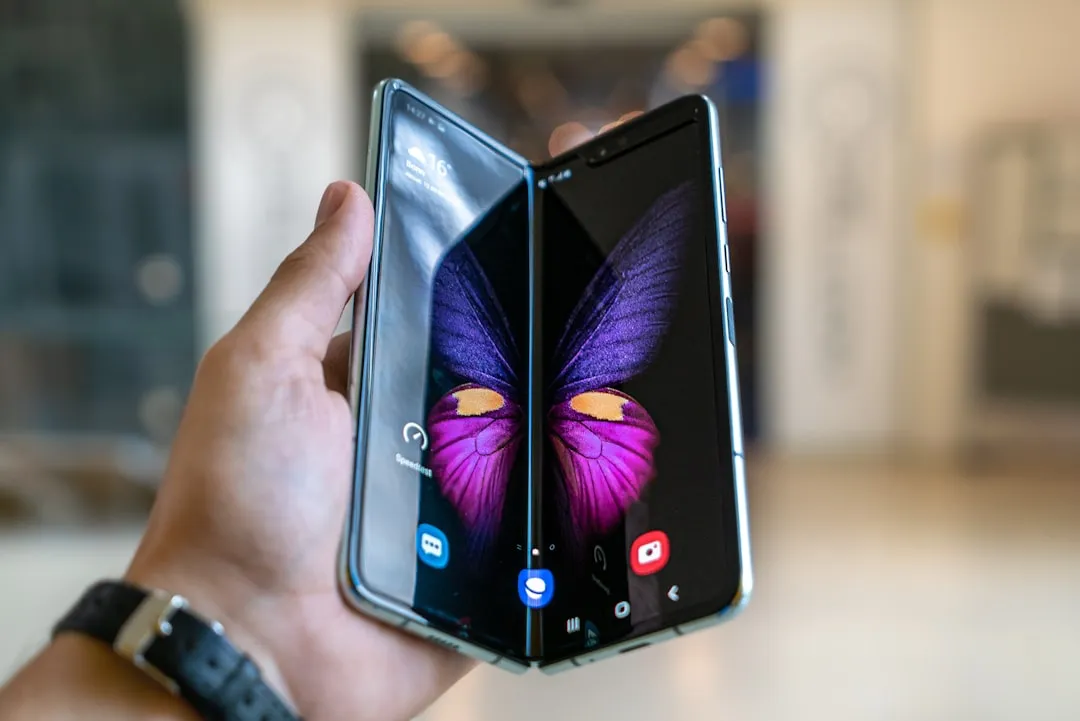
Samsung Galaxy Z Fold 8 Ultra: Bluetooth SIG confirms name and model
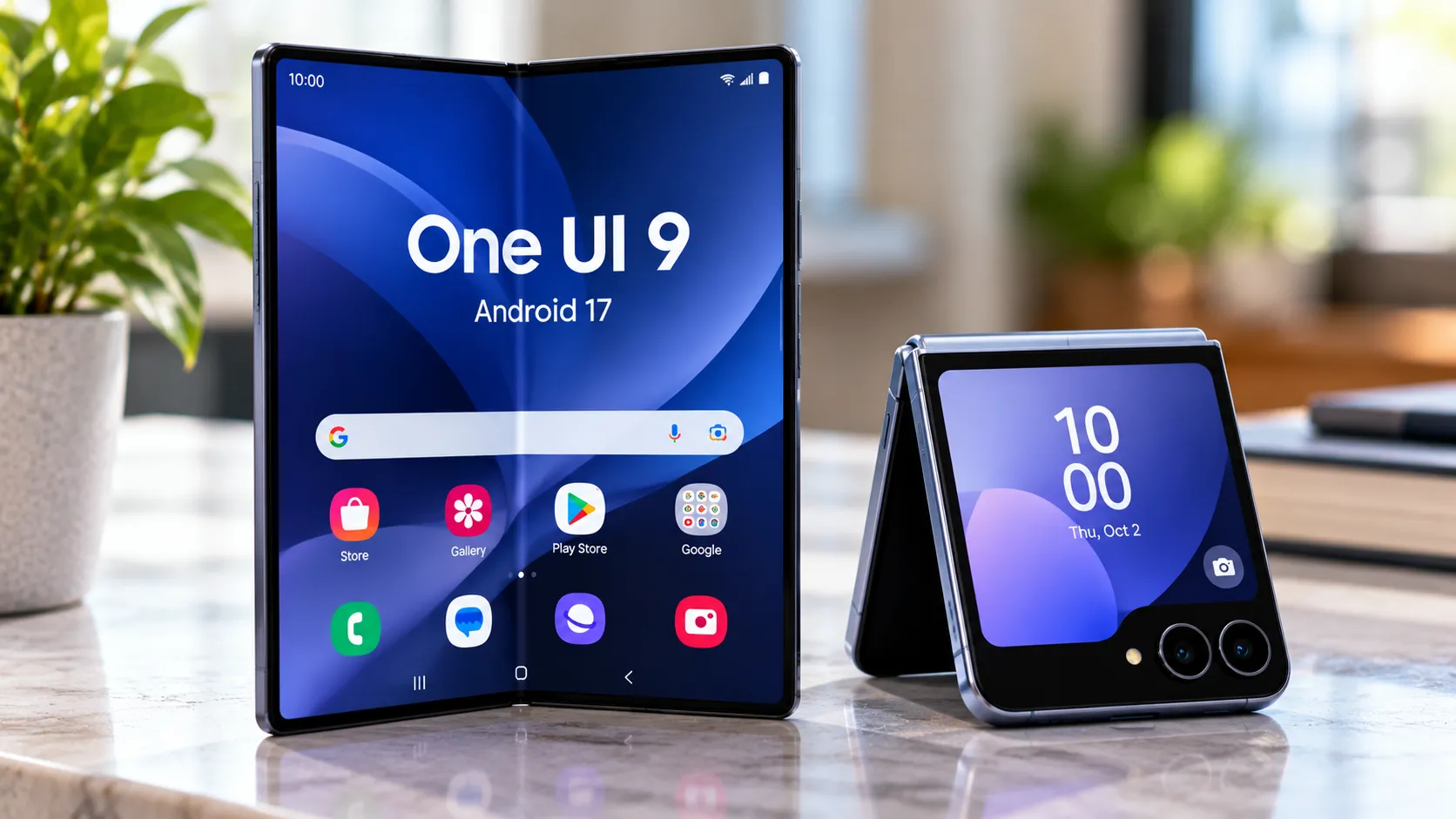
The Samsung Galaxy Z Fold 8 Ultra has a name, a model number, and a place in the regulatory record. A Bluetooth SIG certification filed this week lists the device explicitly as the "Galaxy Z Fold 8 Ultra," model number SM-F976, with five regional variants, according to Android Authority and Android Headlines, both reporting the filing today. That is what the certification confirms: the retail name Samsung submitted to a regulatory body, and nothing else. The specs, the two-device strategy, and the hardware differences between the Ultra and the base Fold 8 all come from leaks. They describe a coherent picture, but a provisional one.
The broad outline: Samsung appears to be launching two distinct book-style foldables this year, one built around weight and the other around hardware completeness. If the leaks hold, buyers will face a genuine trade-off rather than a standard price-tier upsell. That premise is worth examining carefully, because the details are where it either earns out or falls apart.
What the Galaxy Z Fold 8 Ultra Bluetooth SIG listing actually confirms
The filing is narrow. What it locks in is the name, model number SM-F976, and five regional variants: SC-56G, SCG39, SM-F976C, SM-F976Q, and SM-F976Z, per Android Authority. The certification entry contains no technical specifications.
The sequential numbering is consistent with Samsung's recent pattern: the Z Fold 6 carried SM-F956, the Z Fold 7 carried SM-F966, and SM-F976 follows cleanly. That positions the Ultra as the direct successor to the Z Fold 7 in Samsung's flagship foldable line, though the model number pattern alone is secondary evidence the named filing does the real confirmatory work.
Five regional variants across a single submission is also a signal, even if not a guarantee. It suggests Samsung is planning a broad global rollout rather than a limited or phased release. Whether that inference holds depends on how Samsung stages availability at Unpacked, but it is the reasonable read of the filing.
What the certification cannot tell you is whether Samsung intends two foldables, what either device will cost, or how their hardware will compare. That picture comes entirely from leak reports.
How the Galaxy Z Fold 8 Ultra naming situation got complicated before this week
The filing matters partly because of what it corrects. Last week, 9to5Google noted that earlier leaks had attached the "Ultra" label to the wider, lighter model a broader-aspect-ratio device being developed to compete with Apple's rumored wide-format foldable. The practical result of that arrangement would have been difficult to defend: a two-camera, lighter device carrying the premium badge while the more capable hardware sat in the standard slot.
9to5Google flagged the problem directly: under that leaked arrangement, Samsung would have been marketing a device with two cameras and a 4,800mAh battery as an "Ultra" against a standard model with three cameras and a 5,000mAh battery. The hierarchy would have been inverted. The Bluetooth SIG entry appears to have straightened it out. The Ultra name now sits with the hardware-richer Z Fold 7 successor the only arrangement that makes the product line legible to a buyer who takes the naming at face value.
What the leaks suggest about the two-device split
The split taking shape is not the familiar "regular vs. Pro" ladder, where both devices are largely the same phone with a few additions at the top. The leaked specs describe something more specific: a trade-off between portability and hardware completeness, with each device optimized around a different primary goal.
The base Galaxy Z Fold 8, at a rumored 201 grams with two rear cameras and a 4,800mAh battery, is built around weight reduction as the central design priority. Leaker Ice Universe, cited by Wccftech, describes it as the lightest large foldable smartphone ever released by any manufacturer, with an unfolded thickness of 4.5mm. The camera system reportedly includes a new 50MP primary sensor with native 24MP mode support, without requiring Samsung's Camera Assistant app a detail suggesting the base model is not simply a stripped-down Ultra but a device designed with its own engineering priorities.
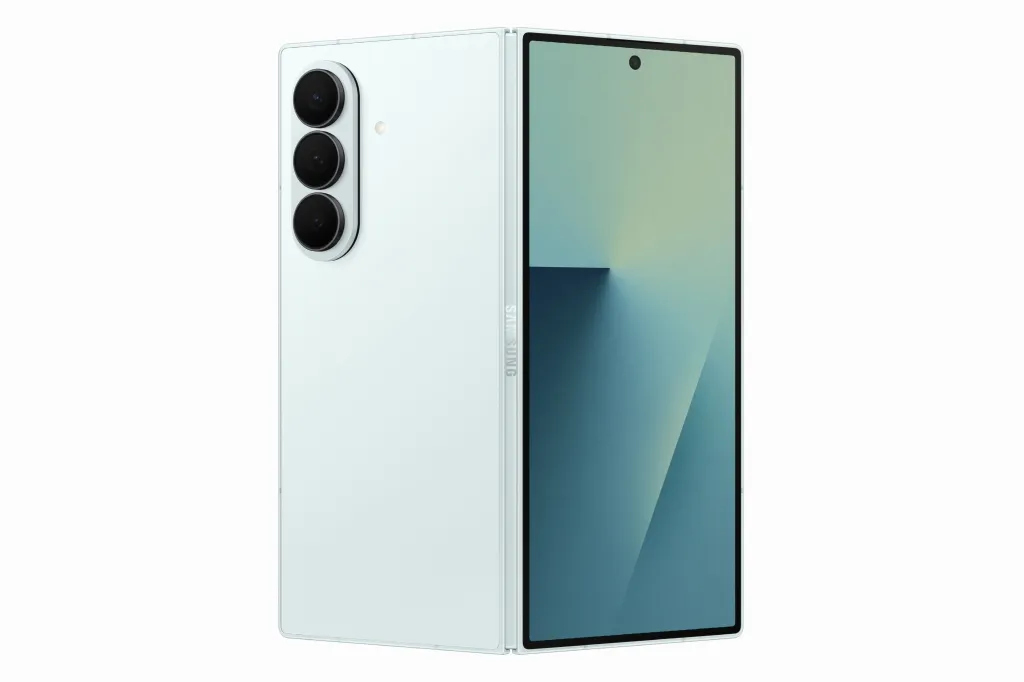
The Ultra holds the same 215-gram weight as the Z Fold 7 while trimming to 4.1mm unfolded, per the same Wccftech report. The bigger changes are in battery and imaging: the cell is expected to grow from 4,400mAh to 5,000mAh, and the camera system reportedly steps up to a triple-camera array led by a 200MP primary sensor, a 50MP ultrawide, and a 3x telephoto, per Android Headlines.
Both models are expected to share the Snapdragon 8 Elite Gen 5 processor and 45W wired charging, per Android Authority. Those are shared specs, not differentiators. The gap between the two devices lives in battery capacity, camera system, and how thin each folds. The Ultra's rumored display dimensions a 6.5-inch cover screen paired with an 8-inch inner panel keep it in familiar Z Fold territory rather than expanding into new size ranges, per Android Headlines.
The practical choice Samsung appears to be building around: a foldable that genuinely disappears in a pocket, or one that prioritizes imaging and stamina. That is a cleaner decision than most flagship tiers offer, assuming the specs hold.
Where the leak picture breaks down
Some details are consistent enough across independent sources to carry real credibility. The Ultra's battery upgrade from 4,400mAh to 5,000mAh and the base Fold 8's 201-gram target appear across multiple reports, per Wccftech and Android Authority. Internal coherence matters here too specs that hang together as a consistent design philosophy are more credible than isolated claims floating without context.
The camera count on the Ultra is where the reporting fractures. Android Authority and Android Headlines both describe a triple-camera system: 200MP primary, 50MP ultrawide, 3x telephoto. A separate report cited by Android Headlines points to a quad-camera array on the same device. That is a concrete hardware disagreement, not a minor variance, and its resolution will directly shape how the Ultra's imaging argument is received. A four-camera system is a materially different product than a three-camera one.
Two single-source claims from Wccftech add a separate layer of uncertainty. The Ultra may use an older-generation M14 OLED panel, and it may ship without S Pen support. Both claims come from a single source and should be held loosely. But they are not footnotes. S Pen support has historically been part of the argument for premium foldables as productivity devices, and a device carrying the "Ultra" label that skips stylus support will need a different justification for the tier name. The display generation question runs similarly: if the Ultra ships with an older panel at the top of Samsung's foldable pricing, that is a tension the company will need to address on a stage in London.
What Samsung has to demonstrate at Unpacked
A Galaxy Unpacked event in London is rumored for July 22, roughly seven weeks out, per Android Authority. The certification confirms the Ultra exists and that five regional variants suggest a broad launch. The open questions are all about whether the hardware backs the name.
Camera count is the most pressing. Triple versus quad cameras will determine how Samsung presents the Ultra's imaging story and how reviewers evaluate it against the price. The S Pen question follows close behind not because stylus support is universally valued, but because its absence on a premium productivity device requires a clear counter-argument. A 5,000mAh battery and a 200MP primary sensor are a credible foundation for an Ultra pitch. They are not sufficient on their own if the surrounding details cut against the positioning.
The certification answers one question. It settles the name, and it places the Ultra in Samsung's main foldable succession line. Everything that matters about whether it earns that name gets answered in July.


Comments
Be the first, drop a comment!