



Samsung Galaxy Tablet Punch-Hole Display: What a New Patent Signals
Samsung Display filed a patent in January describing a specific engineering fix for one of the trickiest reliability problems in OLED manufacturing. The filing, US 2026/0136779 A1, covers a groove-and-seal architecture designed to stop moisture from degrading a panel at the camera cutout edge. It is about punch-hole cutout durability, not under-display cameras. That distinction matters, because it arrives as tipster reporting suggests Samsung's UDC program may be running out of road, according to Android Police.
The patent alone confirms nothing about upcoming devices. But read alongside Samsung's own public statements from 2022 and the leak reporting from about 14 months ago, it suggests the company has been investing steadily in punch-hole reliability at exactly the moment its alternative approach appears to be stalling. Whether that investment eventually shapes a Samsung Galaxy tablet punch-hole display is inference, not a confirmed roadmap item. The engineering logic, though, points somewhere.
What the Samsung Display patent actually describes
Every camera cutout in an OLED panel creates a raw edge where moisture and oxygen can infiltrate the organic light-emitting layer, the material that makes pixels glow. Over time, contamination spreads inward from that edge, producing dark rings around the camera hole. That cosmetic failure is the kind that drives warranty returns at scale, per Patentlyze.
Samsung Display's solution, as described in the filing, carves a groove encircling the camera aperture within the organic light-emitting layer, then covers it with a continuous inorganic encapsulation layer, a dense film of silicon nitride or silicon oxide that resists moisture ingress. The groove acts as a moat; the inorganic cap seals it shut, blocking contaminants from traveling inward along the cut edge, according to the patent analysis.
The structure involves two distinct hole regions: one punched through the rigid substrate, and a larger one cut through the active panel layers above it. The groove-and-seal system protects the transition boundary between them. Because inorganic films are far better moisture barriers than organic ones, capping the groove this way creates a hermetic seal at the panel's most vulnerable point, Patentlyze reports.
The patent is currently docketed and awaiting examination, with a medium grant likelihood. Filing does not confirm commercial deployment; no production timeline, yield data, or cost figures are publicly available.
The January 2026 filing is a divisional derived from a parent application Samsung Display submitted in May 2023, according to Patentlyze. That puts the start of this encapsulation work at least three years back. It reads less like a reactive pivot and more like a sustained program.
Samsung's UDC strategy and where it stands
Samsung first deployed under-display cameras on the Galaxy Z Fold 3 in 2021 and continued the technology through the Z Fold 4 and Z Fold 5, according to Android Police. It has never appeared in any other Samsung product line.
In a 2022 interview, Samsung's own engineers described mass UDC adoption as a significant challenge. Broader deployment would require meaningful improvements to image quality, processing speed, and display experience, they said, with the stated R&D goal of making the UDC completely invisible while matching punch-hole image quality, per the Samsung Global Newsroom. That bar has not been cleared at commercial scale in the three-plus years since.
Tipster reporting published by Android Police about 14 months ago suggested Samsung may abandon UDC after the Galaxy Z Fold 7, citing unresolved cost-effectiveness and quality challenges. The same reporting indicated the Z Fold 8 might revert to a standard camera hole on the main display. A separate leak around the same time suggested the Z Fold 7 would still ship with an improved UDC. These are leaker claims, not confirmed plans, and the two tips point in slightly different directions.
What they share, read alongside Samsung's 2022 comments, is a consistent picture: UDC has not cleared the bar the company publicly set for wider deployment, and the device roadmap beyond the current Fold generation is unsettled.
Could this point toward a Galaxy Tab punch-hole camera?
Samsung Display is a separate entity from Samsung's device divisions, supplying panels to Samsung's own product lines and to other manufacturers, per Patentlyze. A patent from the display arm does not confirm anything about upcoming Galaxy Tab hardware.
What it does reflect is where component engineering investment is going. When a display supplier spends three years refining the durability of punch-hole cutouts, that shapes what device teams can realistically build and ship. A reliable panel-level fix for cutout degradation is more useful across a broader range of form factors, including larger ones, than existing sealing methods, Patentlyze suggests.
UDC has only ever appeared in the Z Fold line, a premium foldable where the engineering cost could be absorbed into the price point. Tipster reporting suggests even that deployment may not survive the Z Fold 7 transition, according to Android Police. If the technology is struggling to justify its cost on Samsung's most expensive foldable, it was unlikely to lead on tablets regardless of this patent.
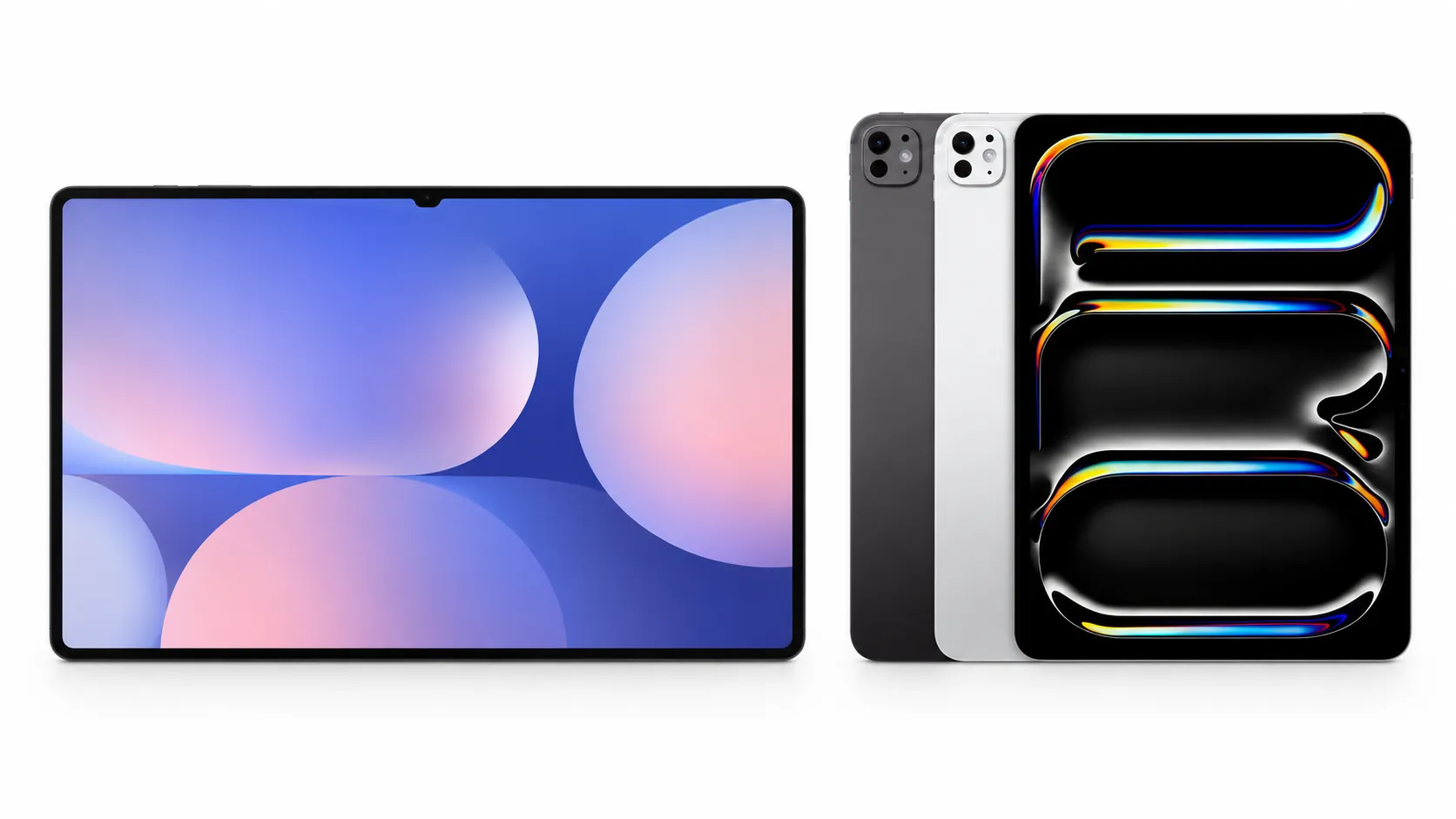
If Samsung were to apply the groove-and-seal approach beyond phones, tablets would be a natural test case. A punch-hole placement would allow meaningful top-bezel reduction without the manufacturing complexity and image-quality tradeoffs that have constrained UDC. That is a reasonable inference from the available evidence, not a sourced claim.
What would confirm the direction
Three developments would sharpen that reading.
First: whether Z Fold 8 leaks, when they arrive, confirm a return to a visible camera hole on the main display. That would be the clearest sign UDC is stepping back rather than pausing.
Second: whether Samsung Display files additional patents addressing encapsulation geometry at larger panel dimensions. The current filing is device-agnostic. Filings that specifically address tablet or laptop panel sizes would indicate those form factors are being explicitly engineered for.
Third: whether Galaxy Tab design leaks begin showing reduced top bezels with a camera cutout rather than the current placement. That kind of supply chain signal would shift the tablet argument from plausible to supported.
None of those have happened yet. What exists is a three-year investment in solving the specific durability problem that punch-hole displays at scale actually have, published last month at the moment Samsung's alternative approach appears to be running into limits the company identified for itself back in 2022.



Comments
Be the first, drop a comment!