



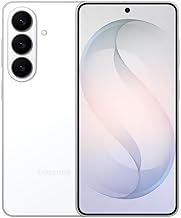


Samsung Galaxy S27 Camera Redesign Tipped to Enable Native Qi2
A supply-chain rumor circulating this week suggests the Samsung Galaxy S27 camera redesign could be driven not by aesthetics but by a practical engineering constraint: fitting native Qi2 magnetic charging into a phone whose current camera layout may not leave room for it. The sourcing is thin, and the phone isn't named directly in the original claim. But the physical logic behind the rumor is credible enough to take seriously.
The tip traces to a South Korean blog post, citing a "related company" in Samsung's supplier network, surfaced by SamMobile yesterday. The post was machine-translated. It refers only to "the next Galaxy S model," not the S27 by name. SamMobile notes the S27 inference is reasonable given no Galaxy S Edge sequel appears to be in the pipeline, but it's still an inference. No CAD renders, component orders, or prototype images exist to corroborate the claim.
Why the Samsung Galaxy S27 Qi2 charging issue may be driving the camera design change
The redesign claim is fundamentally an engineering geometry problem, which is what separates it from the standard pre-cycle "new look incoming" noise.
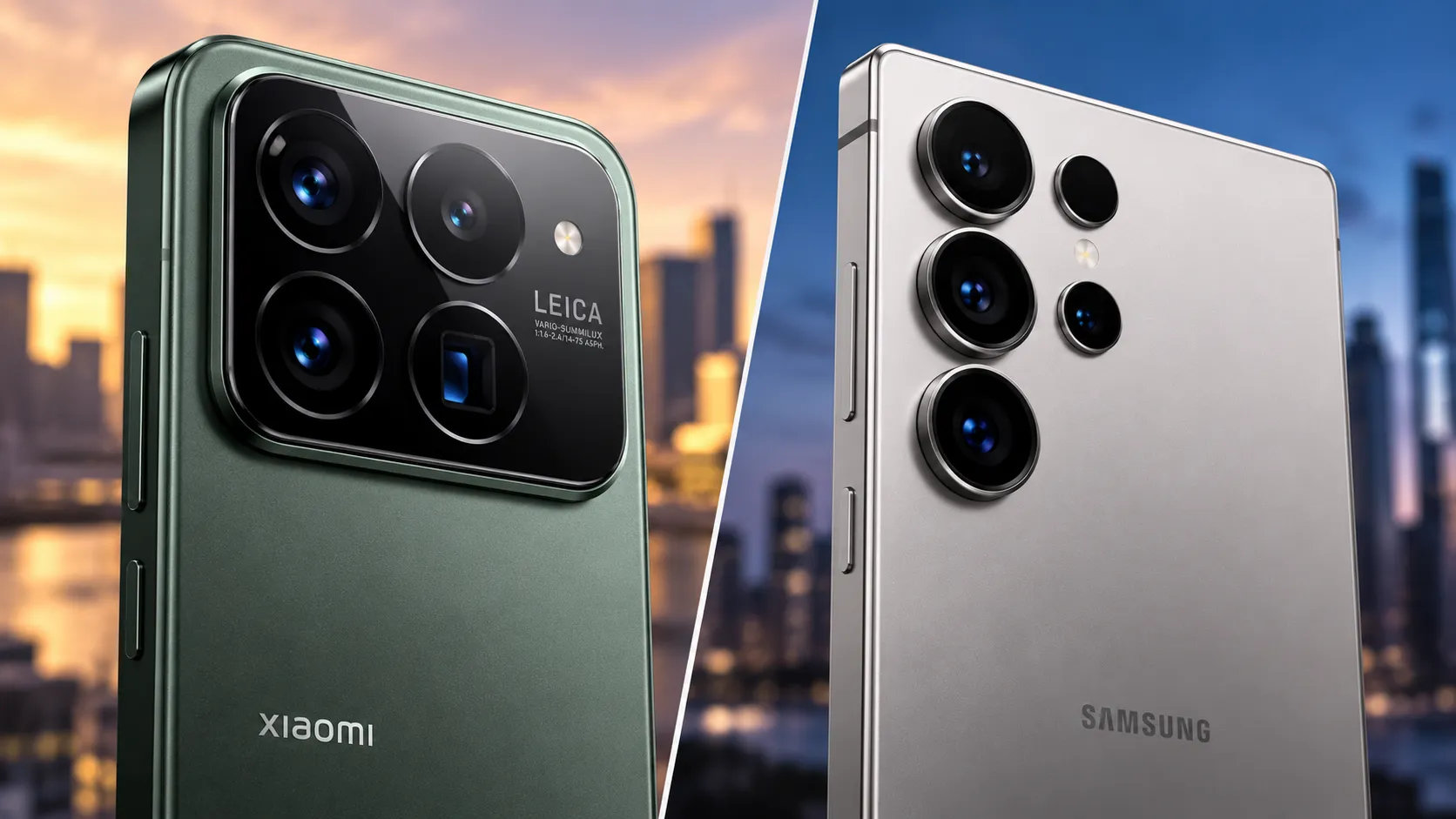
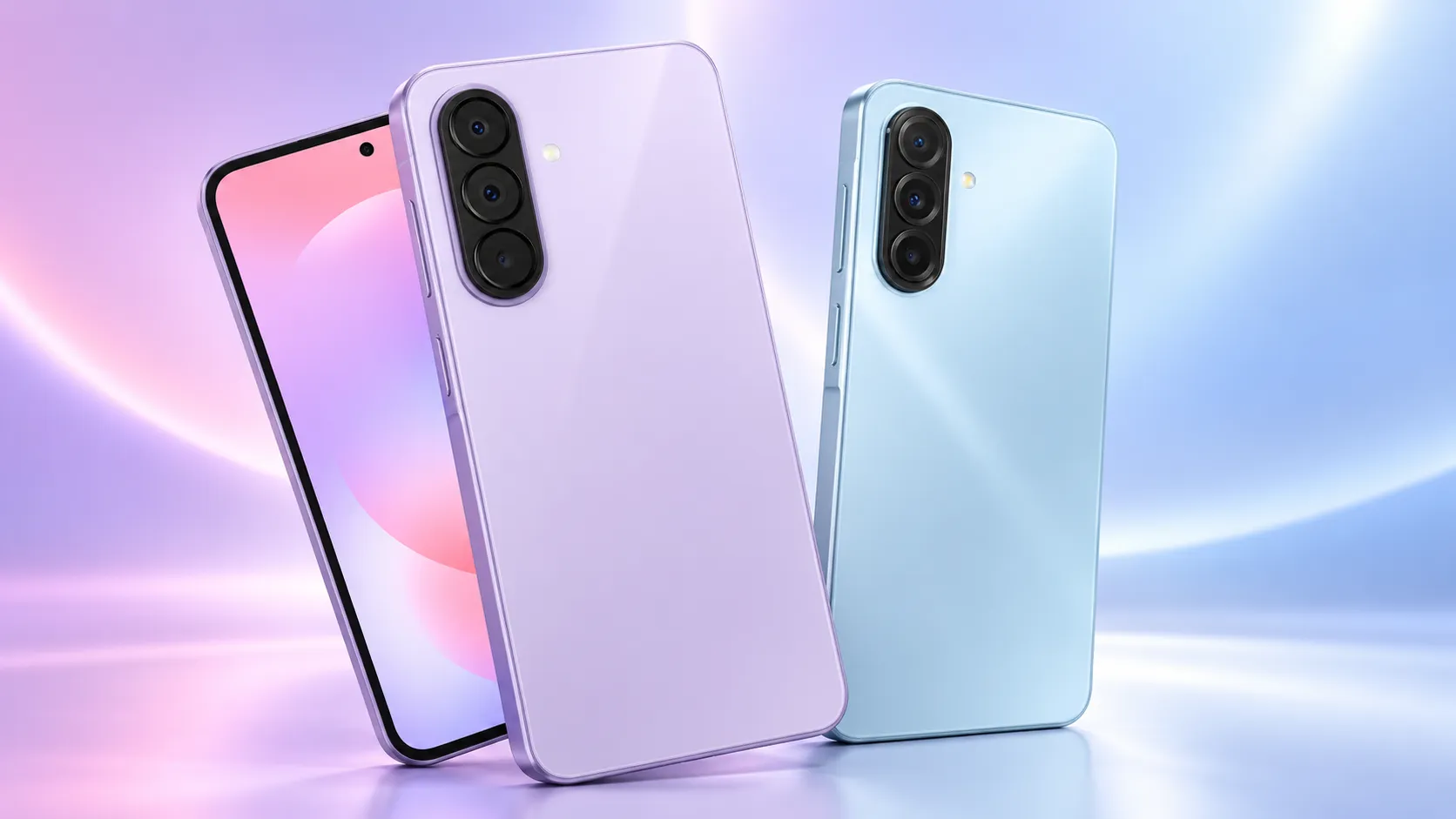
Native Qi2 magnetic charging requires a ring of circular magnets embedded near the back surface of the phone, the same basic arrangement Apple uses with MagSafe. That ring needs a relatively clear section of the rear panel to function reliably. SamMobile reports that Samsung's current elongated camera module, running vertically along the top-left corner since the Galaxy S20 launched in 2020, has been speculated to conflict with that space. Five generations, same corner, same orientation. Tech Advisor notes this morning that if the rumor is accurate, the S27 would mark Samsung's first structural rethink of that rear layout since 2020.
The practical gap for users is real. The Galaxy S26 series supports Qi2.2 only through add-on magnetic cases, not internal magnets, according to SamMobile. Built-in magnets would change that entirely: wallet attachments, charging stands, car mounts, and third-party accessories would lock and align without any case required. It's the difference between a feature and a feature that costs extra to actually use.
Both SamMobile and Tech Advisor describe any camera relocation as a shift in Galaxy S design language rather than a routine update. That framing is reasonable. Moving the camera stack isn't a cosmetic refresh; it would be the first structural change to the rear panel in five generations.
How much to trust a rumor that doesn't name the phone
Two questions are worth keeping separate here: does the physical conflict between Samsung's camera layout and a Qi2 magnet ring exist? Probably yes. Has Samsung decided to resolve it by relocating the cameras? Entirely unconfirmed.
SamMobile explicitly cautions readers to treat the claim skeptically. The original source is a single unnamed supplier contact, filtered through machine translation, passed on through a blog post. There are no renders, no component orders, and no corroborating leaks from other supply-chain watchers. ETNews noted earlier this year that specifications on unreleased Samsung flagships can shift considerably before launch, and with the Galaxy S27 series still roughly a year out by SamMobile's assessment, that caveat applies here.
Cost is the other variable. SamMobile and Tech Advisor both flag it explicitly: rising component costs could push Samsung to shelve both the Qi2 integration and the camera redesign, leaving the S27 looking much like the S26.
Galaxy S27 Ultra camera sensor: two conflicting accounts
Separate from the layout question, several camera hardware rumors have been circulating for the S27 Ultra. They're worth knowing, but they pull in different directions.
Leaker Ice Universe told GSMArena earlier this year that the S27 Ultra will receive an upgraded main sensor, likely designated the ISOCELL HP6, along with improved ultrawide and front cameras. The catch: Ice Universe also said the HP6 would match the physical size of the HP2 currently in the S25 Ultra, a 1/1.3-inch format. Same footprint, refined internal architecture, improved output without a larger sensor. Incremental, in other words.
A separate report from ETNews earlier this year goes further, suggesting the new sensor could grow to 1/1.12 inches and incorporate LOFIC technology, a design approach that captures highlights and shadows simultaneously for wider dynamic range. ETNews also noted that Ultra models following the S26 Ultra have cycled through the same main sensor generation, which makes a genuine hardware step-up more plausible at this point.
Those two accounts directly contradict each other on sensor size, and neither is confirmed. The difference is not trivial. A 1/1.12-inch sensor with LOFIC would be a meaningful competitive move; an HP6 at 1/1.3 inches with refined architecture would be a solid but incremental upgrade. ETNews flagged that LOFIC technology is already in Xiaomi's current lineup and is expected in Apple's iPhone 18 line, so the competitive pressure to match it is real.
Variable aperture is also circulating in rumor threads. Tech Advisor reported earlier this year that Samsung has requested component samples from multiple camera module partners, a feature the company last shipped in the Galaxy S9 and S10 in 2018 and 2019. Samsung is said to be "strongly committed to using it" on a future device, per machine-translated sourcing in the same report.
What the rumor actually signals
The most defensible read on all of this isn't that the S27 will arrive with a redesigned camera layout. It's that Samsung may have reached the point where a long-unchanged rear design is blocking a feature that flagship buyers increasingly expect as standard.
The Qi2 constraint is specific and credible. SamMobile's analysis suggests the current vertical camera stack may be one reason Samsung has relied on accessory workarounds rather than native magnetic charging. If eliminating that workaround requires moving the cameras, the redesign isn't a stylistic decision it's a likely prerequisite.
Whether it actually happens depends on cost, internal timelines, and component decisions that are still well off. The sourcing is thin, the sensor specs are contradictory, and the phone hasn't been identified by name in its own leak. But the engineering pressure behind this rumor is more grounded than most. If the S27 does land with internal Qi2 magnets and a relocated camera module, it will have been geometry, not brand refreshment, that finally moved the cameras.





Comments
Be the first, drop a comment!