




I've been covering smartphones for years now, but the Samsung Galaxy S26 Ultra has me more excited about display technology than I've been in a long time. And honestly, that's saying something—when was the last time we got truly excited about a screen upgrade that wasn't just "brighter" or "bigger"?
The device is set to launch next month with a range of updates designed to strengthen Samsung's market position. What makes this particularly significant is that Samsung is known for creating some of the best smartphone displays available, and the S26 Ultra is expected to introduce two features not found on other devices. This represents Samsung's most advanced flagship to date, though rather than pursuing revolutionary changes for their own sake, Samsung is focusing on meaningful improvements that address real-world user concerns.
What makes the S26 Ultra's display so special?
Let's break down Samsung's three-pronged approach to display innovation. The device will feature an innovative display incorporating anti-reflective coating, COE non-polarized light technology, and the latest Gorilla Glass iteration, with Samsung claiming these advances enhance visibility, improve durability, and eliminate the need for screen protectors.
The foundation of these improvements lies in Samsung's next-generation materials. Samsung will equip the device with its next-generation M14 OLED panel and CoE (Color-filter-on-encapsulation) technology, where the M14 material reportedly delivers higher brightness while consuming less power than current M13 OLED panels. This efficiency breakthrough enables the display to some leaks cite up to ~3,000 nits, while other reputable reports suggest Samsung may hold peak brightness near ~2,600 nits (reports differ) without the typical battery drain penalties we've come to expect from ultra-bright screens.
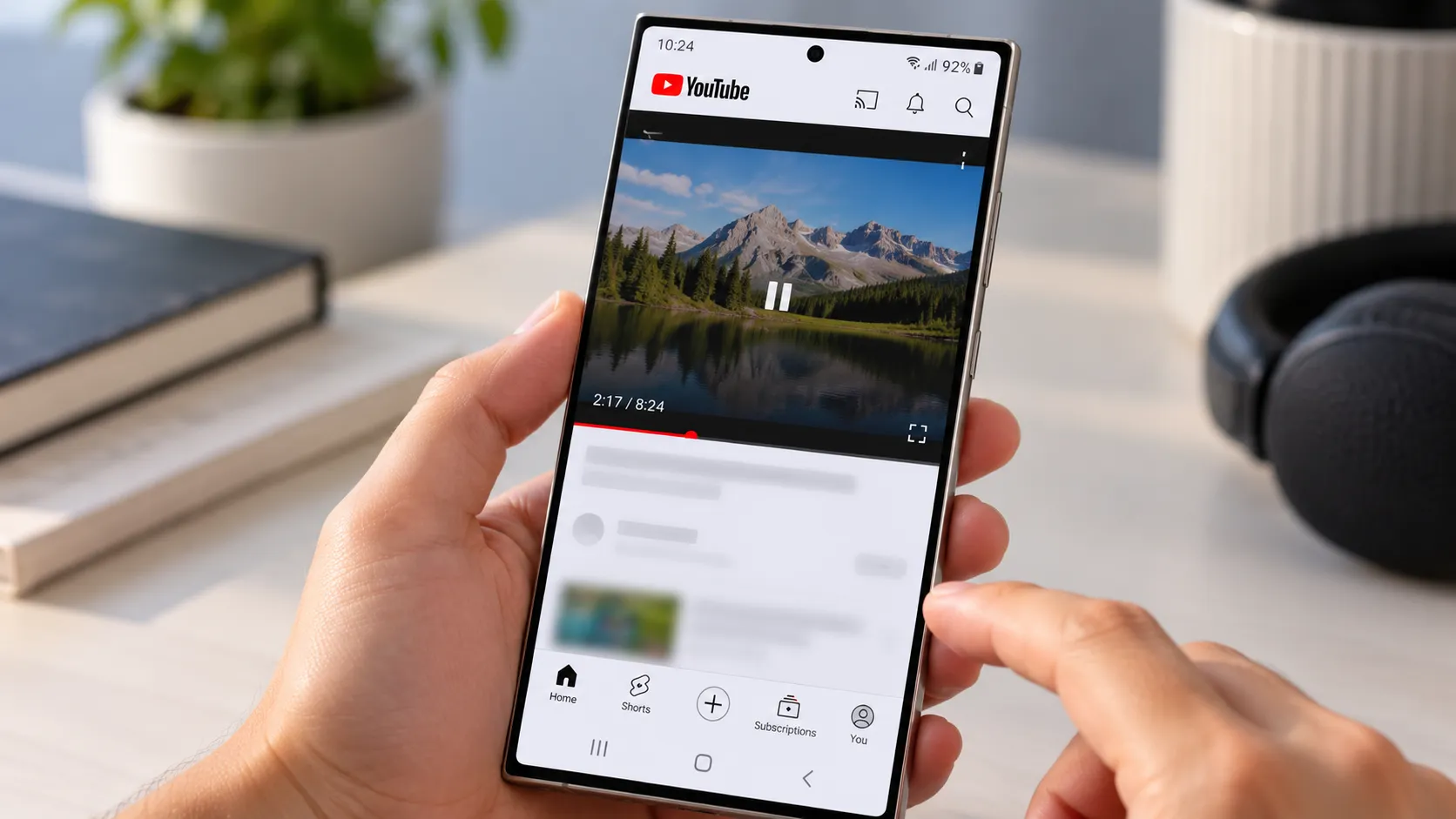
These technological advances come together in a 6.9-inch Dynamic AMOLED 2X display with 1,440 x 3,120 pixel resolution and variable 120Hz refresh rate. While those specifications might sound familiar, the underlying M14 and CoE technology stack represents a fundamental shift in how Samsung approaches display efficiency and outdoor visibility.
Privacy Display: The game-changing feature I'm most excited about
Here's where Samsung might actually change how we use our phones in public spaces. The S26 Ultra will introduce a Privacy Display feature that limits visibility from side angles, offering enhanced security for sensitive information. I know what you're thinking—privacy screen protectors have been around forever. But this addresses every major complaint about those aftermarket solutions.
Unlike traditional privacy protectors, the feature makes the screen harder to see from the sides while maintaining clarity when viewed straight-on, essentially functioning as a built-in privacy screen without dulling colors or reducing brightness. Think about how many times you've hesitated to check your bank account or respond to a personal message because someone might see your screen on the train or in a coffee shop.
The automation potential makes this particularly compelling for daily use. Samsung could allow users to quickly activate extra privacy or have it automatically trigger for specific apps like banking or messaging, transforming privacy protection from a manual inconvenience into an intelligent, context-aware feature.
The engineering behind this innovation is remarkable. Samsung's Privacy Display integrates a specialized controllable layer directly into the M14 OLED panel's pixel stack, and when activated, this layer physically modifies how light exits the display, creating a blackout effect that renders text completely unreadable outside roughly a 30-degree viewing cone. What sets this apart from any previous privacy solution is that the system operates without brightness penalties or color degradation, meaning users get full M14 OLED visual performance while maintaining complete privacy control.
Gorilla Armor returns with meaningful improvements
Samsung's durability and visibility improvements build naturally on the privacy innovations. Gorilla Armor glass was introduced with the Galaxy S24 Ultra and continued on the S25 Ultra, so it will almost certainly return on the S26 Ultra. But this generation promises more than just incremental improvements.
Beyond enhanced protection, Gorilla Armor glass is tougher than previous versions, providing better protection against scratches and drops, while also dramatically reducing reflections, making the display easier to read outdoors and under bright lights. This anti-reflective capability works synergistically with the M14 OLED's increased brightness to solve outdoor visibility problems that have plagued smartphones for years.
The most intriguing development is the potential for a fundamental shift in screen protection. A leaker suggests the S26 line will feature a new form of Gorilla Glass that could make screen protectors obsolete. If Samsung delivers on this promise, they'd eliminate one of the most frustrating aspects of premium smartphone ownership—the immediate need to compromise display quality with aftermarket protection.
What Samsung might be leaving out (and why I'm worried)
Now here's where my excitement turns to strategic concern, and I think it's worth examining Samsung's apparent trade-offs. While the display innovation sounds revolutionary, Samsung seems to be concentrating resources in specific areas while maintaining conservative approaches elsewhere.
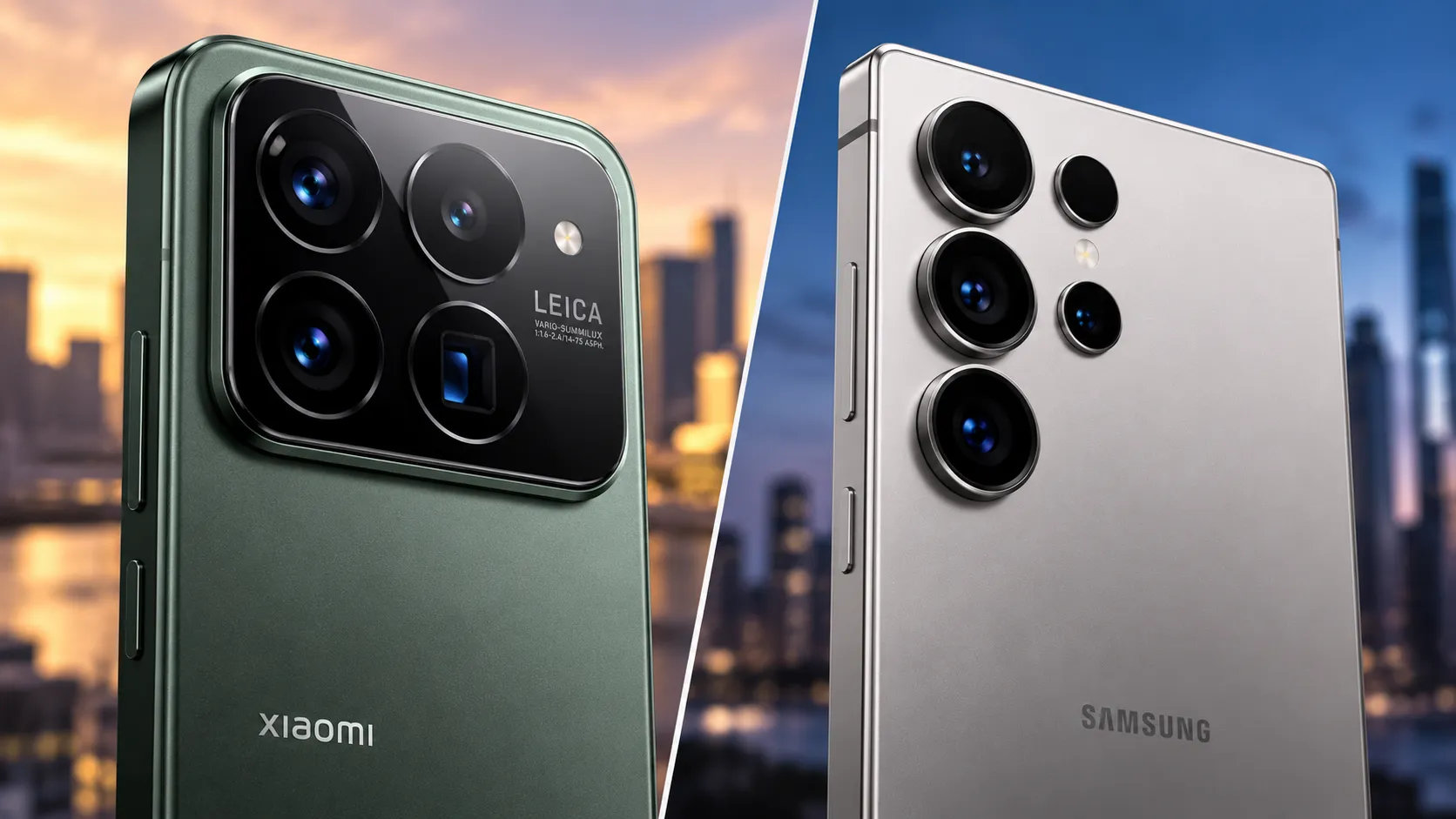
The camera strategy raises questions about Samsung's priorities. Reports suggest we're unlikely to get significantly improved cameras with the S26 line, suggesting Samsung is betting that display differentiation will matter more than photography advances to consumers. This represents a significant strategic gamble in a market where camera capabilities often drive purchase decisions.
More concerning from a practical standpoint is Samsung's conservative approach to fundamental specs. The battery capacity will likely remain unchanged at 5,000 mAh, and while the device may support 60W wired charging and 15W wireless charging, these speeds feel conservative when competitors like OnePlus are pushing 100W+ charging capabilities. Given the efficiency promises of the M14 OLED, this unchanged battery approach could represent a missed opportunity for industry-leading battery life.
The exclusivity strategy creates the most troubling market fragmentation. The privacy display feature is initially expected to remain exclusive to the Galaxy S26 Ultra variant due to technical and manufacturing considerations, and the Galaxy S26 Pro and Galaxy S26 Edge models will be left out of the M14 display upgrade, sticking to the older M13 material. This creates an unprecedented feature gap within Samsung's own flagship lineup that could push mainstream users toward competitors offering more consistent experiences across price points.
Bottom line: Revolutionary innovation with strategic blind spots
The Galaxy S26 Ultra represents Samsung's boldest display innovation in years, addressing genuine user frustrations with privacy, outdoor visibility, and durability concerns that have persisted across the entire industry. The Privacy Display feature solves real-world problems about smartphone usage in public spaces, while the M14 OLED and CoE technology promise efficiency breakthroughs that could redefine what we expect from high-brightness displays.
Samsung's Privacy Display technology could set a new industry standard for mobile security and privacy protection, and the device is shaping up to be one of the most intriguing smartphone releases in years. These innovations address actual pain points rather than pursuing flashy specs for their own sake.
But Samsung's strategic choices raise important questions about market positioning and accessibility. The company appears to be creating a two-tier innovation approach—revolutionary advances reserved for Ultra buyers while maintaining conservative approaches to charging speeds, battery capacity, and cross-model feature parity. This strategy might maximize profit margins, but it risks alienating users who want these privacy and efficiency innovations without paying Ultra premiums.
The pricing implications loom particularly large. The Samsung Galaxy S26 Ultra could be the most expensive in the series to date, which transforms the question from "are these features worth having?" to "are these features worth Samsung's highest-ever asking price?" That calculation will ultimately determine whether Samsung's display innovation bet succeeds in a market where consumers have more compelling alternatives than ever before.


Comments
Be the first, drop a comment!