




Samsung's next big AI move might already be out there, thanks to what appears to be an early announcement that got pulled faster than you can say "Bixby." With a Perplexity AI integration, the company is upgrading Bixby's ability to retrieve and synthesize information rather than just execute commands.
Samsung accidentally published and then quickly deleted details about the new Bixby, but the cat's already out of the bag. The timing is particularly interesting, coming just a week after Apple announced Siri would be augmented by Google's Gemini. Samsung's choice to partner with Perplexity instead shows they're serious about charting their own course in the increasingly competitive AI landscape.
What's Actually Changing with the New Bixby?
The most significant shift involves creating what Samsung calls a "conversational device agent." Instead of relying on rigid voice commands, the new system is designed to interpret natural language and maintain conversational continuity, addressing one of Bixby's longstanding weaknesses compared to more established competitors.
Here's where Samsung's strategic thinking becomes clear: they've created a smart division of labor. Bixby will continue handling device-specific tasks like adjusting settings and controlling system features, leveraging its deep integration with Samsung's ecosystem. Meanwhile, some builds show Perplexity takes over when you need information from the web, bringing its real-time search capabilities to deliver comprehensive, sourced answers.
This approach directly tackles Bixby's adoption challenges. Since launching in 2017, Samsung's assistant has struggled to gain traction against rivals with stronger conversational abilities. The Perplexity integration transforms these limitations into advantages by combining Samsung's device control expertise with cutting-edge web intelligence.
How Perplexity Changes the Game for Samsung's Ecosystem
What makes Perplexity special isn't just its AI capabilities—it's the company's approach to information retrieval. Perplexity specializes in retrieval-augmented generation with source citations, meaning it doesn't just give you an answer, it tells you where that information came from and provides links to verify it.
This transparency addresses a critical issue plaguing many AI assistants: the "black box" problem, where users can't verify the accuracy of responses. When you ask complex questions, Bixby uses Perplexity's engine to pull live data and present it directly within the assistant's interface, complete with source citations that build user trust.
The implementation is remarkably seamless. The Perplexity logo only appears at the bottom of query results, so most users won't even realize it's not Bixby providing the answer. This design choice maintains the unified Bixby experience while leveraging Perplexity's superior search capabilities behind the scenes—exactly the kind of strategic integration that could drive user adoption.
Real-World Impact: From Settings to Search Intelligence
The practical implications become clear when you see how the enhanced system handles everyday requests. Instead of navigating through multiple settings menus, you can simply tell Bixby "don't let the screen lock while I'm looking at it," and the assistant will understand the context and automatically enable the "Keep Screen On While Viewing" setting.
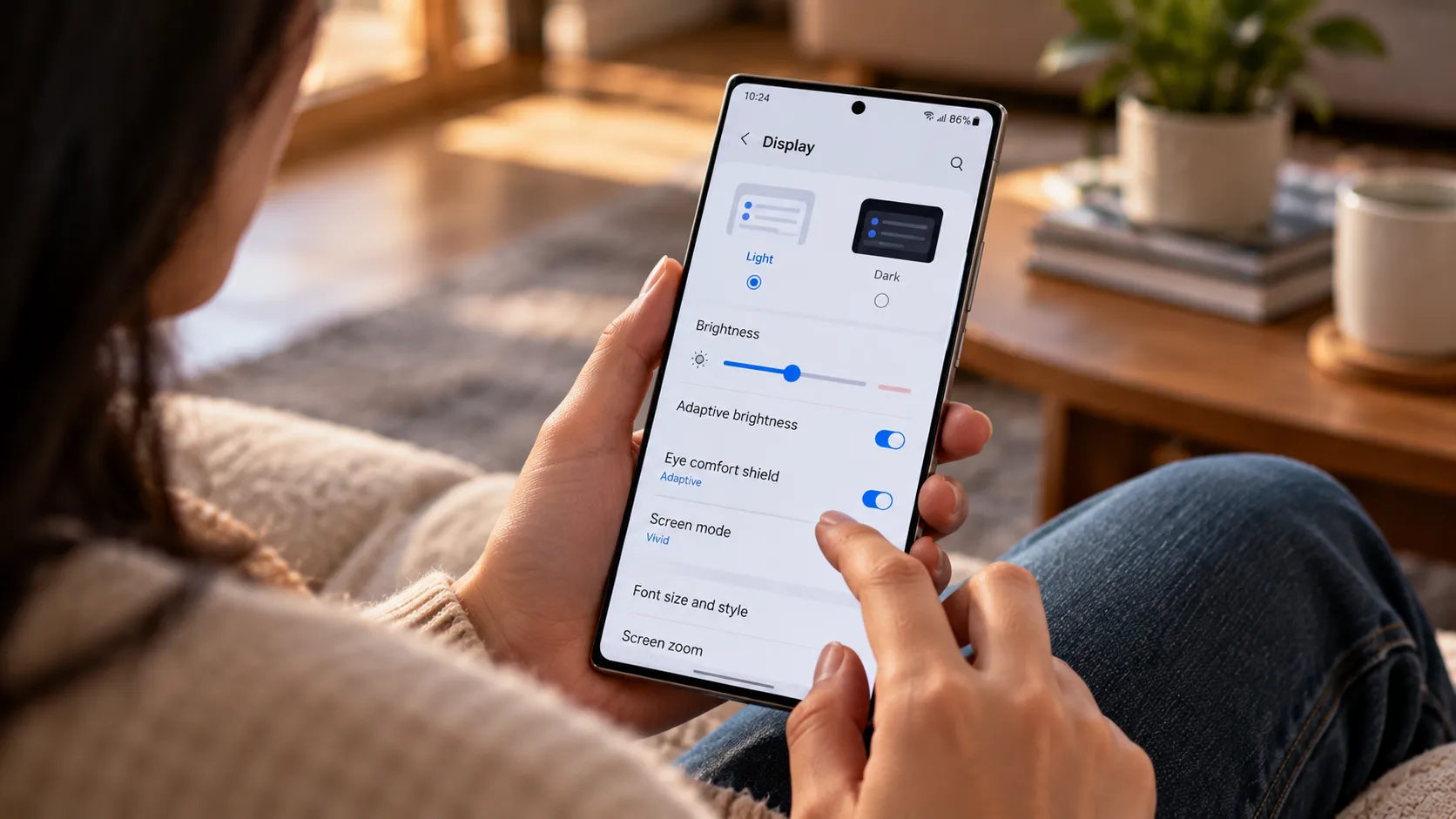
But the real breakthrough comes with contextual problem-solving. Bixby can identify current device settings and suggest solutions, reducing trial and error. If you're dealing with accidental touches while your phone is in your pocket, the assistant can understand the situation and bring up relevant settings like Accidental Touch Protection.
For web-based queries, the transformation is even more dramatic. Demonstrations show queries like "Find me a hotel in Seoul that has a swimming pool for kids" getting comprehensive, well-sourced responses rather than just a list of web links. This moves Bixby beyond basic device control toward answering questions and supporting more conversational interactions.
Timeline and Strategic Positioning
The rollout strategy reveals Samsung's confidence in this transformation. The functionality currently requires Bixby version 4.0.50.4 and is restricted to Galaxy S25 series devices enrolled in the One UI 8.5 beta program, giving Samsung valuable real-world testing data before the broader launch.
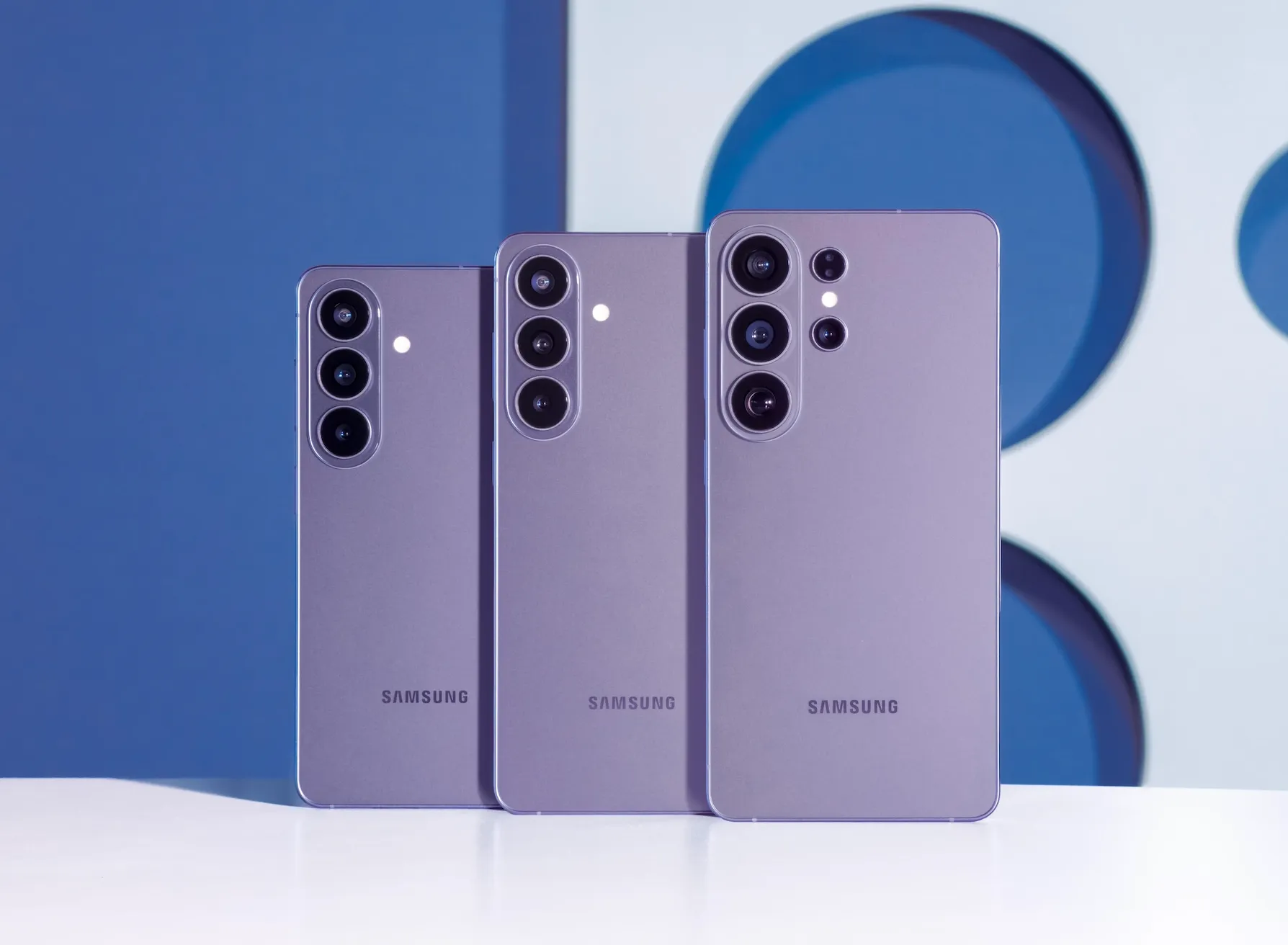
A public release will most likely come with a stable version of One UI 8.5 expected to arrive alongside a future Galaxy flagship launch. This timing isn't coincidental—Samsung is positioning the enhanced Bixby as a flagship feature that differentiates their devices in an increasingly crowded smartphone market where AI capabilities drive purchasing decisions.
What's particularly strategic is Samsung's diversification approach. Samsung's own suite of AI features for mobile, known as Galaxy AI, has so far been powered by Google's AI models. By partnering with Perplexity for Bixby while maintaining their Google relationship for other features, both Gemini AI and Perplexity-powered Bixby will be available at the user's discretion, reducing their dependence on any single AI partner.
The Broader AI Strategy Evolution
This move represents more than just a voice assistant upgrade—it signals Samsung's evolution from hardware manufacturer to AI ecosystem orchestrator. Rather than trying to develop all AI capabilities in-house, Samsung is embracing strategic partnerships that leverage specialized companies' expertise while maintaining control over the user experience.
The approach makes particular sense given the current AI landscape. Samsung wants an AI that knows your phone's guts as well as it knows the internet while achieving some independence from Google. This balanced strategy allows Samsung to compete with Apple's Siri and Google Assistant without putting all their eggs in one technological basket.
The timing also capitalizes on proven user engagement. Samsung's research shows that about 80% of users have tried Galaxy AI features on Galaxy phones, with more than two-thirds using them regularly. The Perplexity integration builds on this foundation of AI acceptance while addressing the specific areas where Bixby has historically struggled.
What This Means for Samsung's Competitive Future
Perhaps most importantly, Samsung has said that core Galaxy AI features will remain free for the foreseeable future. This includes tools like Circle to Search, Live Translate for phone calls, real-time translation services, writing assistance, and generative photo editing features. The Perplexity-enhanced Bixby builds on this free foundation while potentially offering premium capabilities down the road.
The strategic implications extend beyond Samsung's immediate product lineup. This integration demonstrates how manufacturers can differentiate their devices through AI partnerships rather than just hardware specifications. By combining Perplexity's research-focused approach with Samsung's device expertise, they're creating something genuinely different from the competition.
Whether this finally makes Bixby a serious competitor to Siri and Google Assistant will depend on execution and user adoption. But the early signs suggest Samsung has learned from their previous approach and is building something that addresses real user needs rather than just checking AI feature boxes. The goal is moving away from rigid voice commands toward natural, intent-based dialogue—exactly what users have been asking for since voice assistants first appeared on smartphones.
The accidental early announcement might have been embarrassing, but it reveals a company confident enough in their AI strategy to make bold partnerships and technical integrations. For Samsung device users, that confidence could translate into finally having a voice assistant that truly understands both their device and the wider world.


Comments
Be the first, drop a comment!