



Next Samsung Galaxy Unpacked Will Follow This Agentic AI Blueprint
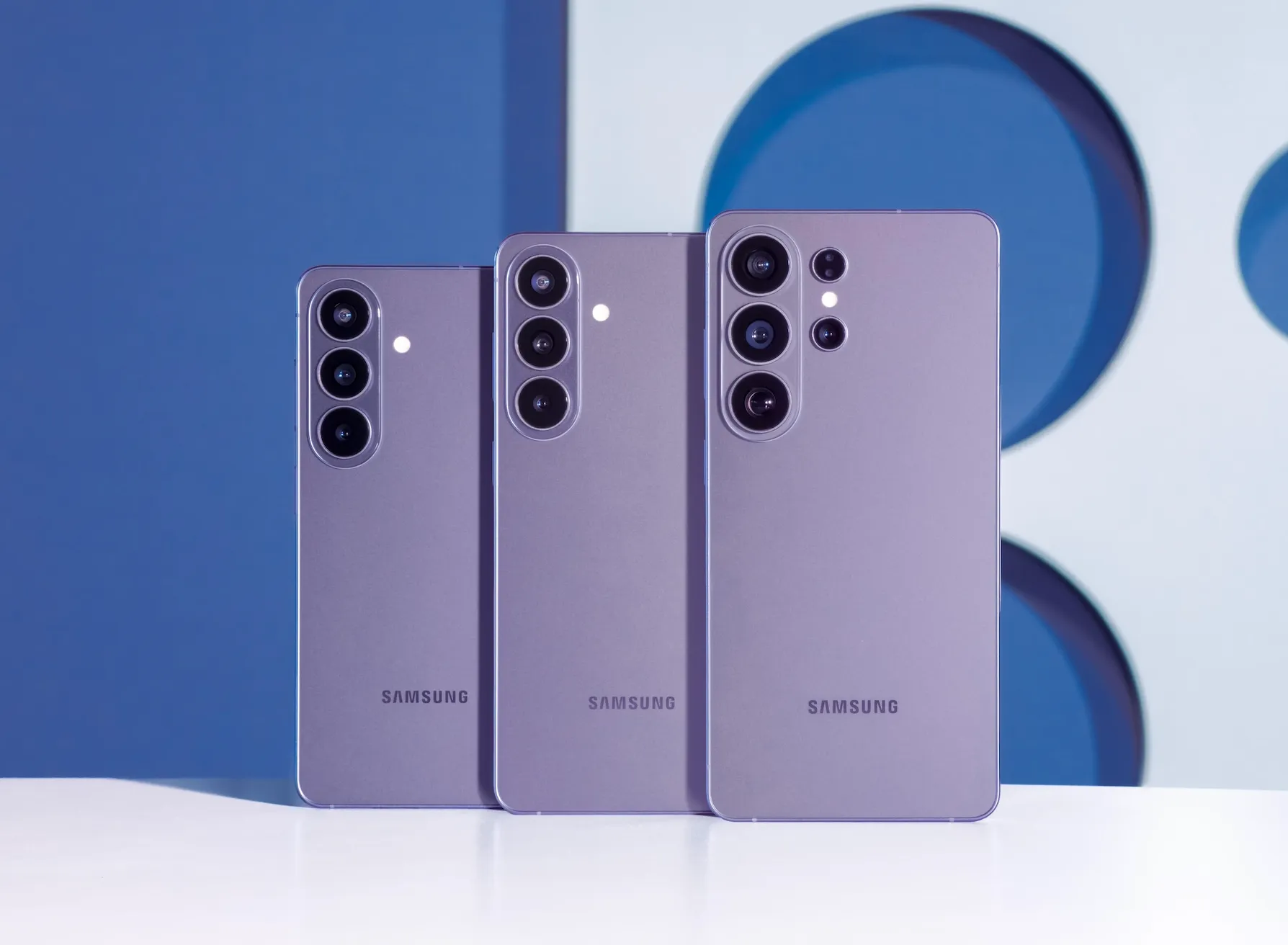
Samsung's February 2026 Unpacked event in San Francisco wasn't primarily a phone launch. It was the clearest statement yet of what Samsung wants Galaxy events to be: a platform announcement built around agentic AI, backed by visible privacy architecture, and extended across devices, software partnerships, and corporate messaging. That template, not any single product, is what the next Samsung Galaxy Unpacked will almost certainly follow.
A source note worth stating upfront: all reporting here draws from Samsung Newsroom materials published around the February event. These are authoritative for what Samsung announced and how it framed those announcements, but they are promotional materials, not independent reporting. AI performance claims have not been benchmarked externally. Privacy architecture has not been audited by third parties. Where Samsung's phrasing is ambiguous or unverifiable, this article says so.
Samsung organized the entire event around three pillars, Reach, Openness, and Confidence, and declared it "the beginning of truly agentic AI," explicitly framing the Galaxy S26 series as its third-generation AI phone, per Samsung Newsroom. Samsung CEO TM Roh argued in his keynote that technologies which change history eventually "fade into the background because they become infrastructure," and that Galaxy's mission is closing the gap between what AI promises and what people actually experience.
Samsung telegraphed this framing before the event opened. The official invitation described the next Galaxy as designed to "make your life easier" by making AI "truly personal and adaptive," with teaser messaging emphasizing friction reduction rather than any hardware specification.
Understanding that structure tells you what to expect from the next Galaxy Unpacked: which categories will appear, which claims deserve scrutiny, and why a phone-specs frame will miss the bigger story.
From feature list to operating logic: what "agentic AI" actually means for the next Unpacked
The most consequential shift at Unpacked 2026 wasn't any individual feature. Samsung repositioned Galaxy AI from a collection of discrete tools into something closer to an ambient layer that acts on context before users ask. That shift changes how Samsung will demonstrate, sell, and defend its AI at every event going forward.
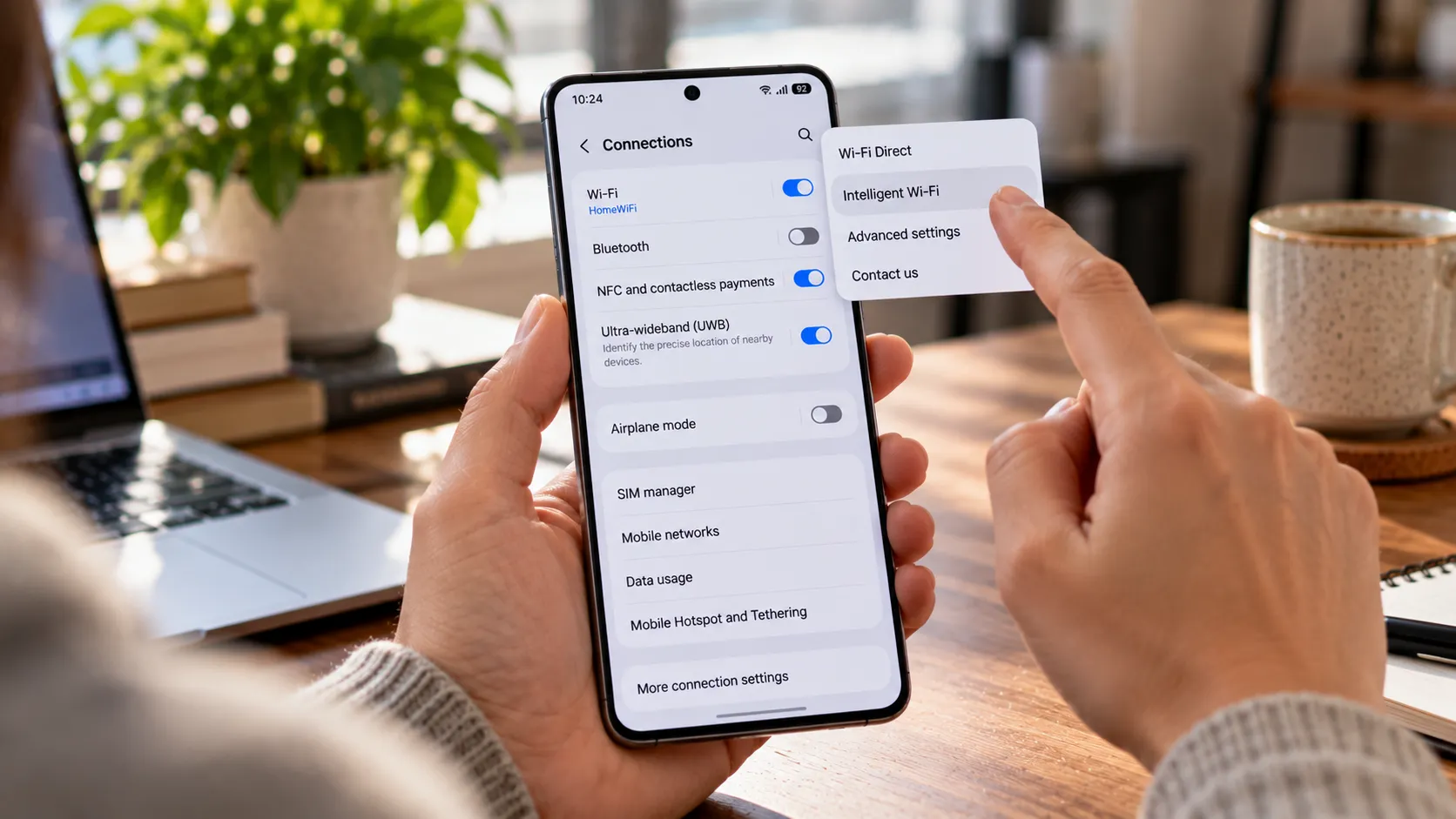
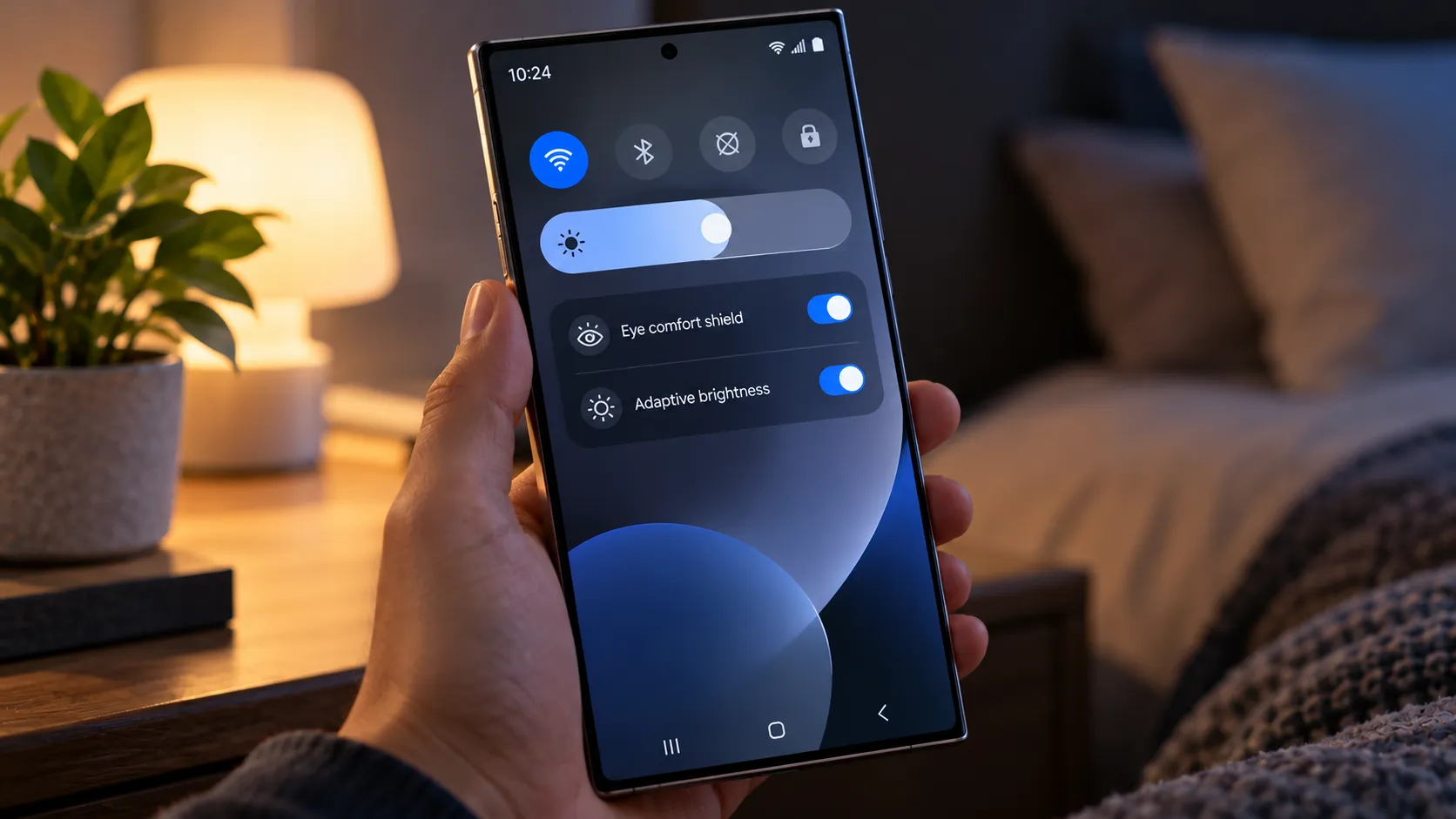
The new Now Nudge feature illustrates the logic most clearly. It reads conversational context inside messaging apps and surfaces inline suggestions, with the demo scenario being a calendar conflict check when a friend asks about evening plans, keeping users inside the conversation rather than bouncing between apps, according to Samsung Newsroom. The same underlying principle runs through Call Screening, which summarizes who is calling and why before the user picks up, and through natural-language settings control, where telling Bixby "my eyes feel tired" routes automatically to Eye Comfort Shield without menu navigation. Circle to Search, first introduced at Galaxy Unpacked 2024, now handles multi-element searches within a single image, another step toward reducing the number of deliberate steps a user has to take.
The Google partnership extends this platform story beyond Samsung's own software. Samsung and Google jointly previewed a more agentic version of Android powered by Gemini 3, launching initially on the S26 series as a Google Labs feature, Samsung Newsroom reported. That detail carries a specific implication: part of Samsung's AI story depends on Google's roadmap, not just Samsung's own.
Taken together, Samsung's own materials suggest the next Unpacked will feature fewer standalone AI feature announcements and more cross-app workflow demonstrations. The Gemini 3 Google Labs preview also means the next AI chapter will include a section Samsung doesn't fully control.
Why privacy became a pillar, not a footnote
More proactive AI requires more access to personal data. Samsung addressed this structural tension directly at Unpacked 2026 by pairing each new agentic capability with explicit privacy architecture, hardware and software together. This pairing is now load-bearing for Samsung's brand argument, which means it will be prominent at the next Unpacked too.
The S26 Ultra debuted Privacy Display, a display-integrated layer more than five years in development that blocks side, above, and below viewing angles without a separate screen protector. Users can toggle it per-app or assign it to a side-button double-press, per Samsung Newsroom. On the software side, the Personal Data Engine keeps user preference data local on device, Knox Enhanced Encrypted Protection isolates that data within individual apps rather than pooling it system-wide, and Knox Vault stores passwords, biometrics, and security keys in a dedicated hardware environment separate from the main processor.
Every privacy claim above comes from Samsung's own materials. None has been independently audited or stress-tested in the available research. Samsung is making the trust argument entirely on its own terms.
At the next Unpacked, the scrutiny worth applying is whether privacy claims arrive with third-party verification or remain self-attested. That distinction will matter more if Samsung continues pushing further into proactive AI, since deeper contextual access creates a proportionally larger privacy surface to defend.
Hardware as enabling infrastructure, not the story itself
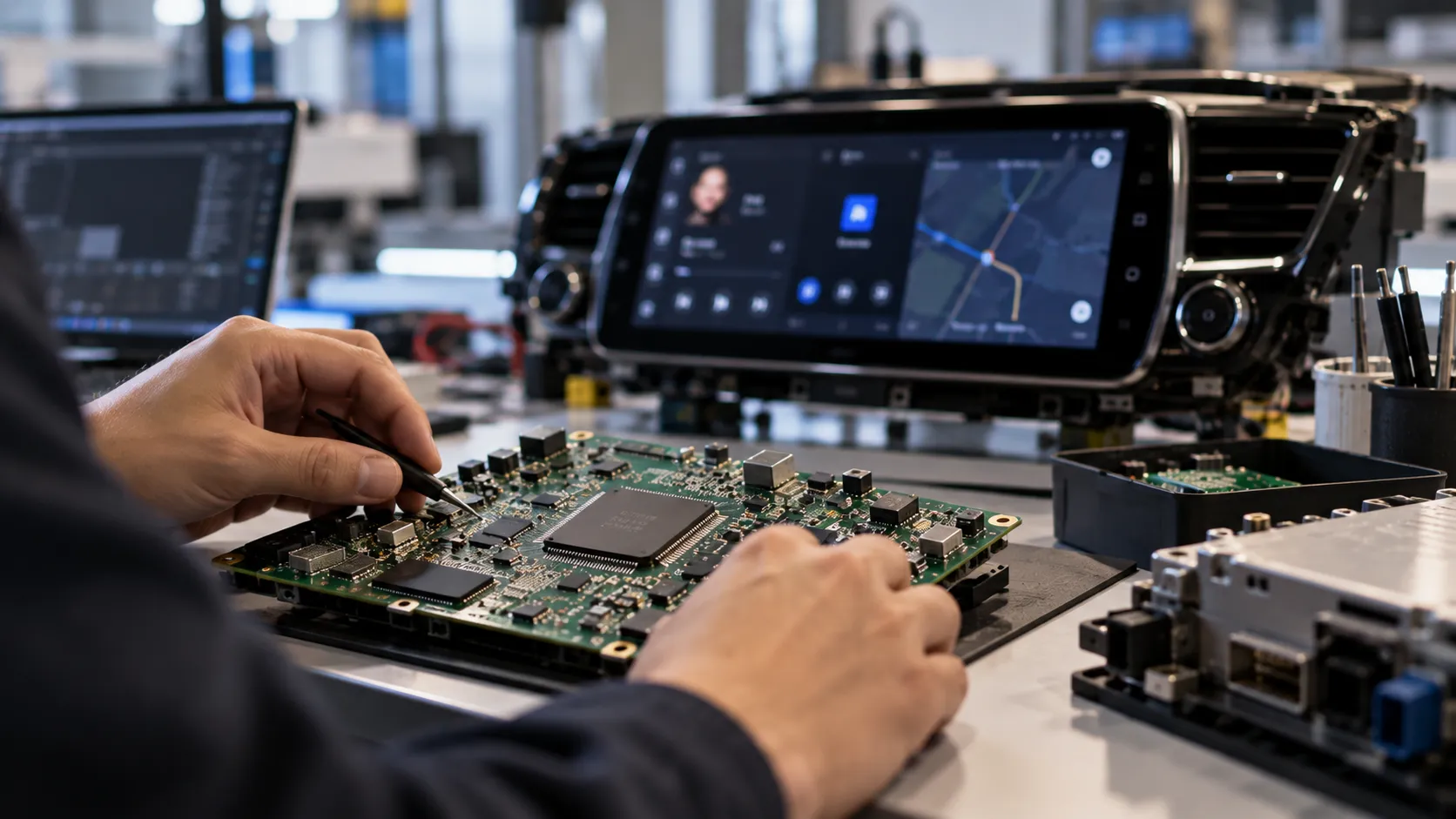
Samsung's chip, thermal, and camera upgrades at Unpacked 2026 were framed consistently as prerequisites for AI workloads, not as headline features in their own right. Hardware specs will continue to appear at the next Unpacked, but based on the February event structure, they'll be presented as the reason the software experiences above are possible, not as the reason to buy the phone.
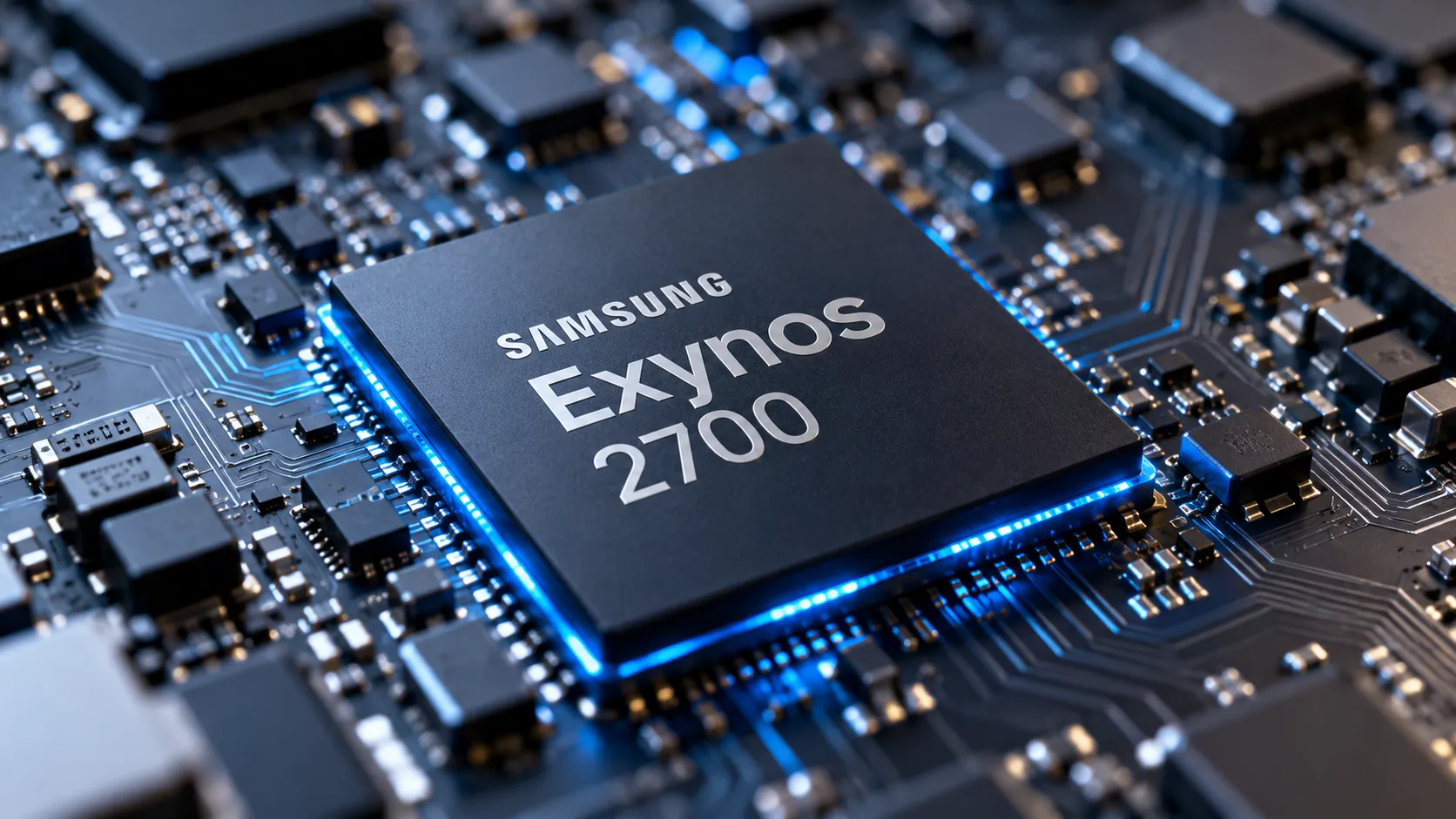
On the processor, Samsung says it co-developed a custom application processor for the S26 Ultra featuring a neural processing unit 39% more powerful and a CPU 19% faster than the prior generation, paired with Qualcomm's Snapdragon 8 Elite Gen 5, per Samsung Newsroom. Worth noting: Samsung describes both a "co-developed custom AP" and the Snapdragon 8 Elite Gen 5 in the same breath. This likely reflects a custom-tuned Snapdragon variant, but the phrasing is ambiguous enough that it warrants clarification before treating either claim as definitive.
The thermal and camera upgrades follow the same narrative logic. A redesigned thermal system with Samsung's largest-ever vapor chamber is positioned as sustaining continuous AI workloads without throttling. The AI image signal processor, previously rear-camera only, now extends to the front camera, automating detail capture and skin tone handling without separate post-processing. The S26 Ultra's 200MP wide camera, 50MP telephoto with 5x optical zoom, and 8K APV codec recording capability are all paired with Photo Assist for object removal and Creative Studio for content generation, so that capture and editing are presented as one AI-assisted pipeline rather than separate hardware features, Samsung Newsroom noted.
Unpacked as a platform event: what comes beyond the phone
Galaxy Unpacked 2026 included a companion audio launch, a major Android partnership announcement, and a corporate sustainability segment. That structure reflects Samsung's argument that its AI strategy is an ecosystem, not a device. Covering only the phone at the next Unpacked will mean missing how Samsung is actually positioning itself.
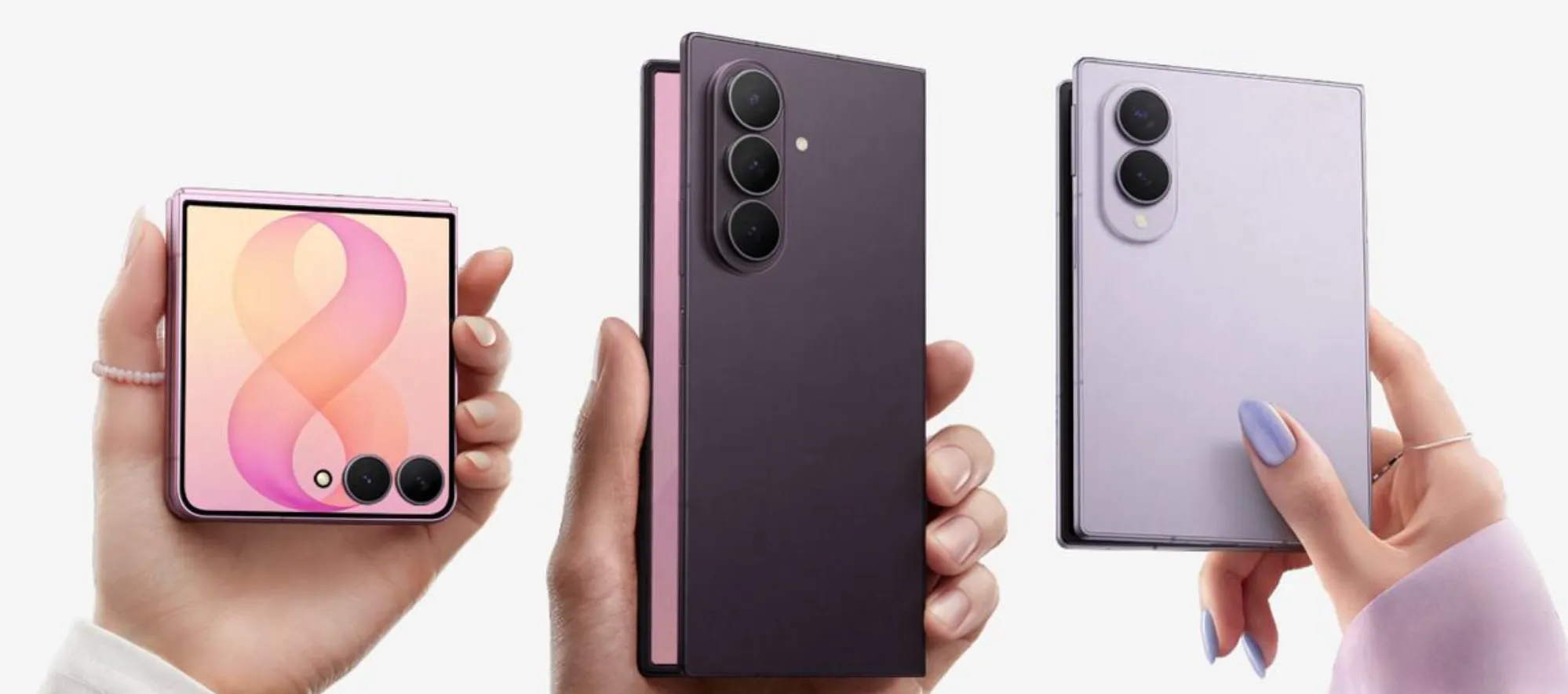
Galaxy Buds4 Pro extended the agentic AI narrative off the phone and into audio, adding AI noise reduction, Super Wideband voice, and hands-free access to Bixby, Gemini, and Perplexity, according to Samsung Newsroom. The sustainability segment announced completion of Samsung's 2025 environmental targets alongside new 2030 goals: recycled materials in every mobile device, water replenishment at 10 manufacturing sites, and ecosystem conservation across an area matching the combined footprint of those sites. The Galaxy S26 series added recycled tantalum alongside existing recycled plastics, glass, and cobalt.
Plan for at least three distinct announcement categories at the next Unpacked beyond the flagship phone: an accessory product extending the AI ecosystem, a Google/Android platform update, and a corporate responsibility segment. The pre-event 3D billboard campaign Samsung ran across 17 global landmarks, in cities including Ho Chi Minh, London, Los Angeles, Seoul, and Tokyo, before February's event suggests the company will again invest heavily in narrative framing during the run-up, per Samsung Newsroom. The themes Samsung emphasizes in that pre-event window have historically previewed the keynote's organizing argument.
What to expect at the next Samsung Galaxy Unpacked
No confirmed date, location, or product list for the next Samsung Galaxy Unpacked is publicly available as of late June 2026. This article is a forecast built on the February template, not a report on announced products. With that caveat in place, the February event does point toward specific signals worth watching.
Agentic AI will be the organizing frame again. Samsung has now spent three Galaxy S generations building toward what it calls "truly agentic AI," and the 2026 event's three-pillar structure, along with pre-event messaging that previewed it weeks earlier, reflects a durable strategic commitment rather than a keynote theme of the moment, based on Samsung's own framing. Expect deeper cross-app workflow demonstrations and expanded Gemini integration beyond the Google Labs preview status it held in February.
Privacy architecture will recur, and the scrutiny should match it. What the 2026 event lacked, and what journalists and buyers should press for going forward, is third-party verification of those protections. Samsung's self-attested architecture may be sound; there's currently no independent evidence either way, per Samsung Newsroom.
The most useful pre-event signal won't be a spec leak. It will be whatever narrative Samsung chooses to run in the billboard and teaser campaign before the keynote. In February, that campaign emphasized effortless creativity and friction reduction, which is exactly what the event delivered. Watch that runway closely.

Comments
Be the first, drop a comment!