





Galaxy Z Fold 8 Missing Features Explained: Cuts, Upgrades, and Trade-Offs
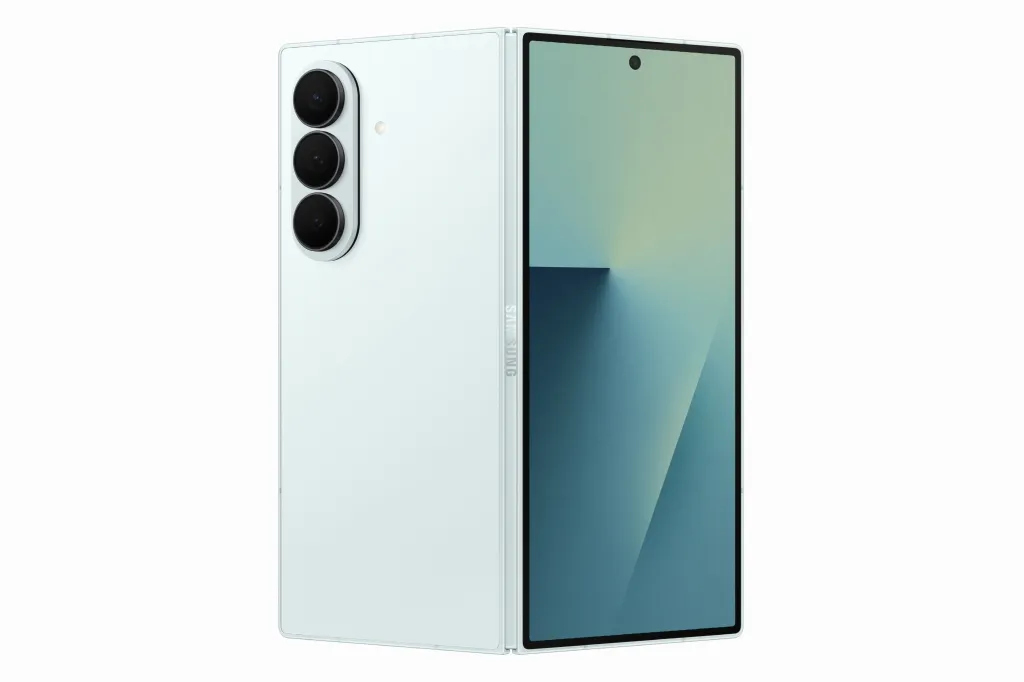
The big story in the latest Galaxy Z Fold 8 leak is the list of missing features on a phone expected to cost around $2,000. Leaks published this week suggest the device may ship without S Pen support, without the display material Samsung already put in the S26 Ultra, and without the privacy screen technology that debuted on that phone. Leaks suggest the Galaxy Z Fold 8 may miss features already available on the cheaper Galaxy S26 Ultra, and the gap is hard to ignore at this price point.
This isn't simply a spec-sheet shortfall. Based on what's emerged so far, Samsung appears to be optimizing its most expensive phone for thinness and cost discipline rather than maximum capability. Tipster Ice Universe claimed this week that Galaxy Z Fold 8 S Pen support and the Galaxy S26 Ultra's privacy screen technology are both absent from the Fold 8, according to Android Authority. Separately, Korean outlet ET News, cited by both Phandroid and PhoneArena six weeks ago, says the Fold 8 will use M13 OLED panel material rather than the M14 formulation Samsung already put in the S26 Ultra.
The picture that emerges is more nuanced than a simple regression. The pattern, though, is consistent enough to take seriously.
Galaxy Z Fold 8 missing features: S Pen, display material, and privacy screen
The S Pen removal is the sharpest cut on the list because it isn't just a spec entry. It defines how the Fold gets used.
S Pen support gave the Fold line a practical identity no rival foldable matched: annotating documents on a tablet-sized screen, sketching, handwritten notes, precision input on a large folding display, as Android Authority noted this week. That capability matters most to exactly the kind of professional and power user willing to pay $2,000 for a phone. Samsung already stripped the digitizer layer from the Fold 7 to slim the chassis, and the latest leaks suggest the Fold 8 continues in that direction, Android Authority reported.
One counterargument circulating in the leak community holds that a slightly thicker chassis could signal the digitizer's return. The Fold 8's folded dimensions are only about 0.1mm thicker than its predecessor, per 9to5Google, and the more plausible explanation for that added bulk is the larger battery discussed below.
The Galaxy Z Fold 8 vs Galaxy S26 Ultra features comparison gets more uncomfortable on the display. Samsung's M14 OLED formulation delivers up to 30% higher brightness, better power efficiency, and a panel lifespan roughly 20% longer than M13, per PhoneArena. The Fold 8 is expected to skip it entirely, which would make this the third consecutive year Samsung uses M13 in its foldables, dating to the Fold 6 and Flip 6 in 2024.
PhoneArena notes that most buyers likely won't notice the difference between M13 and M14 in daily use. At this price, that argument is harder to make. As for Galaxy Z Fold 8 privacy screen technology, Ice Universe's claim via Android Authority is the only source on record, and the real-world significance of that omission isn't well-documented, so treat it as a footnote rather than a headline.
Samsung co-CEO TM Roh flagged earlier this year that rising component costs would likely push prices upward, and sticking with M13 is one of the more visible ways to keep the Fold 8 from climbing past $2,000, Phandroid reported six weeks ago. The cost logic is understandable. What it produces, as Android Authority argues, is a premium foldable that hands its best display technology to a cheaper slab phone.
What Samsung is prioritizing instead: battery, crease reduction, and endurance
The counterweight to the feature-cutting story is genuine, and it centers on endurance.
The Fold 8 is expected to arrive with a 5,000mAh battery, the first time the standard Fold line would reach that capacity, up from the 4,400mAh cell carried since the Fold 3 in 2021, 9to5Google reported two months ago. For context, the Google Pixel 10 Pro Fold already ships with 5,015mAh. Charging speed is also expected to improve, with the Fold 8 rumored to support 45W wired charging, matching the speed increases Samsung brought to the S26 series, 9to5Google reported. A vapor chamber and Snapdragon 8 Elite Gen 5 chip are referenced in leaked specs, per GSMArena, suggesting no cuts on raw performance or thermal management.
On the display front, the upgrades are foldable-specific rather than material-level. A dual-layer ultra-thin glass structure and a laser-drilled metal support plate are expected to cut crease visibility by around 20%, Phandroid reported, addressing the complaint that has followed every Galaxy Fold since the first. Even within the M13 generation, the Fold 8 is expected to bring incremental gains in color accuracy and power efficiency, PhoneArena noted. Real improvements, aimed squarely at the experience of using a foldable, not the experience of comparing one on a spec sheet.
The picture these leaks collectively paint is Samsung investing in what makes the Fold 8 a better foldable, while pulling back on the features that made it Samsung's most complete flagship.
Camera rumors add another layer of confusion
The Galaxy Z Fold 8 camera situation is where the leaks conflict most visibly, and it's worth flagging separately.
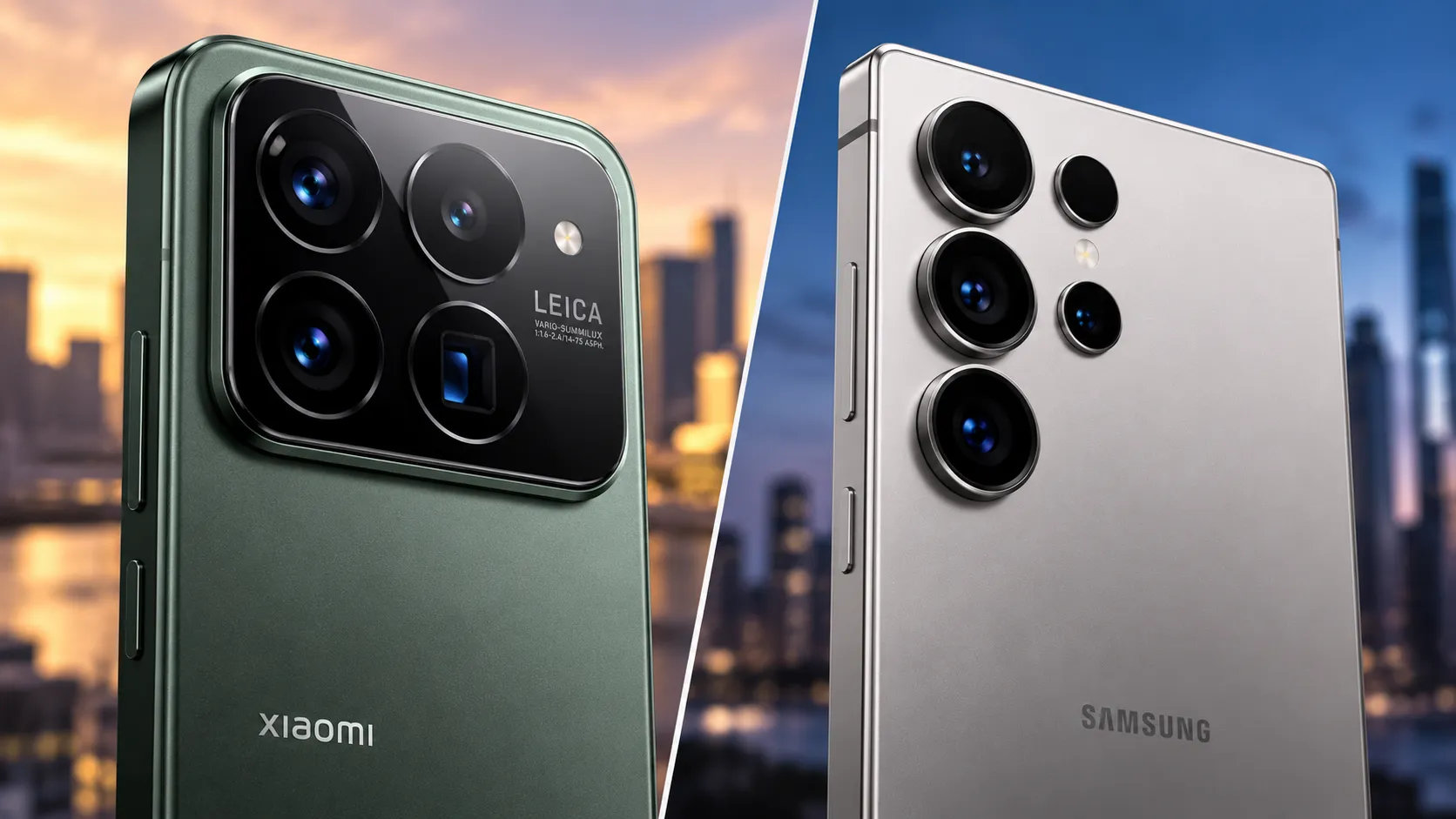
One leaked spec sheet, via GSMArena, points to a 200MP main camera, 50MP ultrawide, and 10MP telephoto with 3x optical zoom for the standard Fold 8. A separate early leak, per 9to5Google, suggests the ultrawide rises to 50MP while other cameras carry over from the previous generation. The Galaxy Z Fold 8 camera downgrade chatter, meanwhile, appears tied specifically to the rumored Wide model rather than the standard Fold 8: Android Authority reported that the Wide variant might skip a telephoto lens entirely, opting for two 50MP rear cameras instead of a triple-camera setup. Conflating the two devices would be a mistake. As GSMArena noted, it's not clear which rumor is right, so the camera picture should be treated as unsettled.
Whether that trade-off makes sense and who gets hurt most
The buyer calculus depends heavily on who's doing the buying.
For a mainstream foldable buyer, someone drawn to the large inner screen and unlikely to reach for an S Pen, the Fold 8's reported upgrades may be exactly right. Better battery life and faster charging are the two complaints that have defined negative Fold reviews across every generation. Fixing them is not a small thing.
For the power user, the one who bought the Fold specifically because it could replace a tablet or enable precision stylus work, the picture is harder to defend. An S Pen-capable Fold with a flagship display was a coherent argument for $2,000. A thinner Fold with last-generation display materials and no stylus is a harder sell, particularly when the Galaxy S26 Ultra offers more complete specs at a lower price point, Android Authority argues.
That internal comparison becomes more pointed when the competitive environment is factored in. Apple is expected to enter the foldable market this fall with the iPhone Fold, the first time Samsung will face a genuine mainstream rival for U.S. foldable sales, PhoneArena reported six weeks ago. Missing a high-profile upgrade cycle in that specific window carries more risk than it would have in 2023 or 2024. Samsung has had the foldable market largely to itself. That changes this fall.
Several of these leaks conflict on details like camera specs and final dimensions, so none of this is confirmed. But the direction they collectively point is consistent, as Phandroid noted six weeks ago: a foldable being shaped by thinness and cost discipline rather than the ambition to be the most capable phone Samsung makes. That may be a rational product decision for a broadening market. It is a different product than the one Samsung spent five generations building toward.
The Fold 8 is expected this summer, most likely in July, per GSMArena. By then, Samsung will need to make the case that these trade-offs are worth it. For the first time, Apple will be on the other side of that conversation.


Comments
Be the first, drop a comment!