



Galaxy Z Flip 8 Charging Speed Stuck at 25W for Fifth Year
The Galaxy Z Flip 8 has appeared in the SGS certification database drawing power at 9V and 2.77A, or 25W wired charging the same ceiling every Z Flip has carried since the Flip 4, Android Authority reported today. If confirmed at launch, Samsung will have shipped five consecutive clamshells without touching the Galaxy Z Flip 8 charging speed.
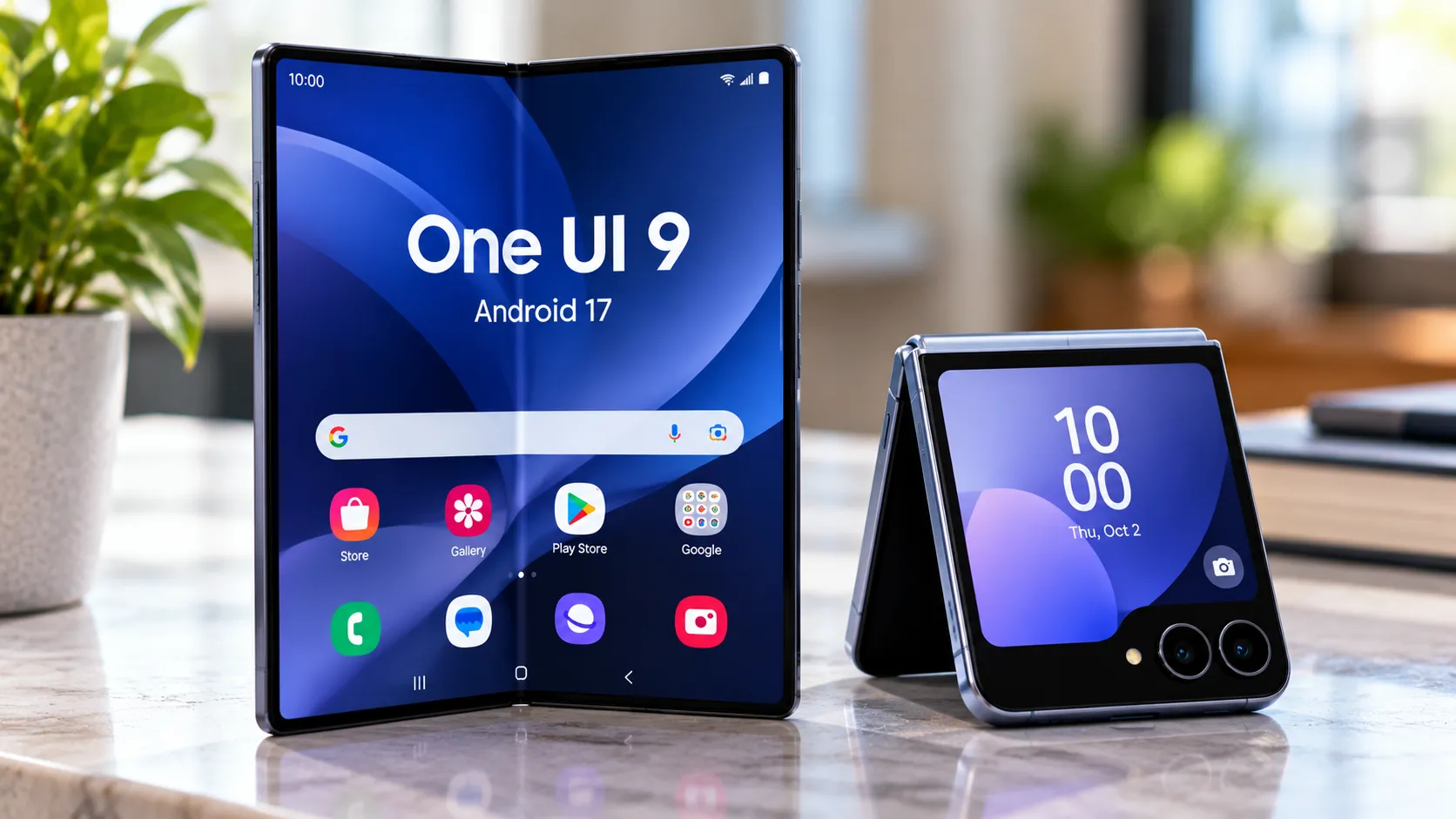
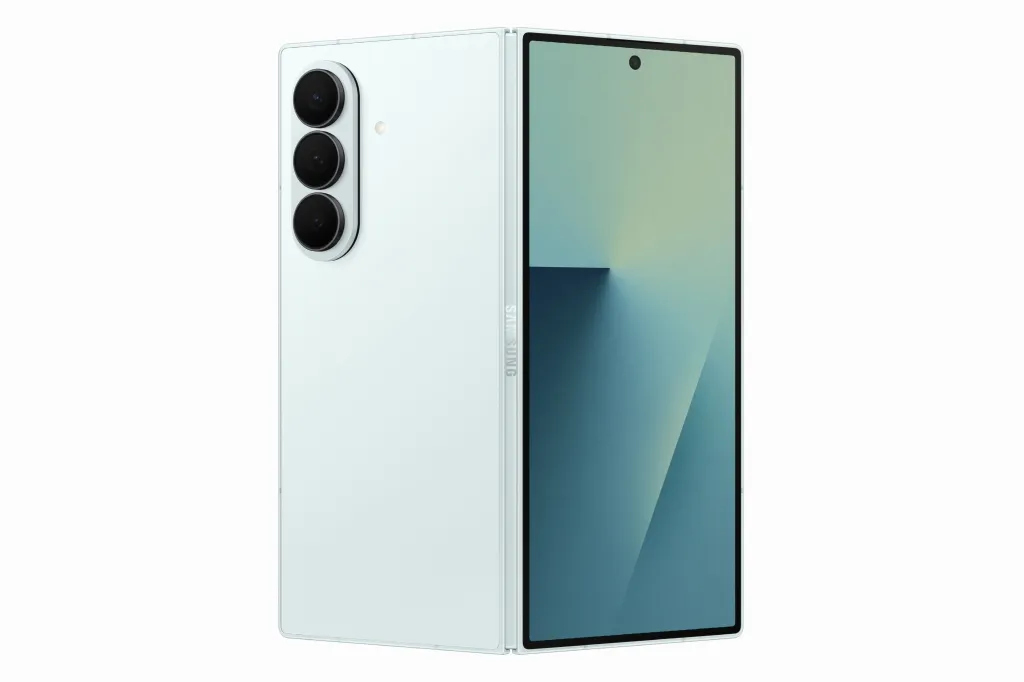
The timing makes that more conspicuous than in previous years. The Z Flip 8 is set to debut alongside the Z Fold 8 and Z Fold 8 Ultra, both of which are expected to support 45W wired charging, SamMobile reported today. Same brand, same launch event, 20W apart. The Fold 8 line demonstrates Samsung can build faster charging into a foldable chassis. Samsung has not explained why the Flip 8 would remain at 25W.
Galaxy Z Flip 8 charging specs: what the SGS certification actually shows
The SGS listing covers nine model numbers: SM-F776U, SM-F776U1, SM-F776W, SM-F7760, SM-F776Z, SM-F776C, SM-F776Q, SC-55G, and SCG40, per Android Authority. The US carrier variant (SM-F776U) and the unlocked US model (SM-F776U1) are both included, and the certification is specifically about charging input. That number is consistent across all entries at 25W.
A separate Chinese 3C filing for model SM-F7760 reached the same figure, WhatMobile reported three months ago. Two independent certification processes, the same consistent number across global variants. The Flip 8 is also expected to carry the same price as its predecessor, NotebookCheck noted around the same time, which removes pricing as a potential explanation for the unchanged spec.
Five generations at 25W and now the battery stopped growing too
The 25W ceiling has held since the Flip 4. Every model through the Flip 7 topped out there, SamMobile confirmed today, and the Flip 8 certification extends that streak to five generations.
What made that stagnation easier to overlook in previous years was that battery capacity kept climbing. The Flip 5 held at 3,700mAh, the Flip 6 stepped up to 4,000mAh, the Flip 7 reached 4,300mAh, NotebookCheck reported earlier this year. The cell was growing even if the charging speed wasn't. Now, based on pre-release data, both appear to have stopped.
GalaxyClub battery data cited by NotebookCheck shows two internal cells for the Flip 8 totaling 4,174mAh the same rated capacity as the Z Flip 7, with Samsung expected to market both at 4,300mAh. At 25W wired charging, a full 0-to-100% charge is estimated at around 1.5 hours, a figure that has not shifted across multiple upgrade cycles, per SamMobile.
That combination charging speed flat, battery capacity flat, estimated refill time unchanged marks a shift in what the Z Flip upgrade cycle is actually delivering. For the first three generations after the Flip 4, buyers at least got a bigger cell. The Flip 8 appears to offer neither.
Samsung's apparent rationale: thinner, not faster
The battery pack on the Flip 8 is reportedly thinner and lighter at the same rated capacity, contributing to a device that could arrive at least 10% slimmer and lighter than the Flip 7, folded to around 12.33mm and weighing roughly 169g, WhatMobile reported three months ago. Samsung applied the same approach with the Z Fold 7, which measures 8.9mm folded and sits among the thinnest book-style foldables currently available, per the same report.
A slimmer body is a tangible design gain one that shows up in a jacket pocket or a small bag, not just in a spec table comparison. The question is whether it holds as the primary justification for an otherwise flat upgrade when Samsung's own sibling products at the same launch event are stepping up to 45W, per SamMobile.
There's a secondary consideration the certification data can't settle: chipset efficiency. Charging speed and battery capacity are the visible specs, but real-world battery life also depends on how efficiently a newer processor manages power draw. A more efficient chip could narrow the practical gap between a Flip 7 and Flip 8 without a larger cell or faster charger. That's a question for launch testing, not pre-release filings.
How the Flip 8's Galaxy Z Flip 8 25W charging holds up against the competition
The Fold 8 comparison is the sharpest one internally. Externally, Motorola's Razr Ultra adds further pressure: a 5,000mAh battery roughly 16% larger than the Flip 8's expected 4,300mAh paired with 68W wired charging, 30W wireless, and reverse wireless charging, per Android Authority's comparison from last month. The Razr Ultra costs $400 more than the Z Flip 7, and that premium buys a faster chipset, more RAM, and more base storage alongside the faster charging. The price gap is real and it explains part of the difference but not all of it.
The more pointed comparison is software longevity. The Z Flip 7 carries a commitment to seven years of Android and security updates, per Android Authority, while the Razr Ultra is promised three Android updates and five years of security patches. For buyers weighing the total value of a $1,500 phone against a sub-$1,100 Samsung, that gap matters over time. The Flip 8 is expected to carry the same long-term software support as its predecessor, per NotebookCheck.
None of that changes what the charging numbers say. The Razr Ultra refills its larger battery in meaningfully less time, per Android Authority. The Fold 8 charges faster at the same launch event. The Flip 8 holds at the same 25W it has shipped since 2022.
For buyers already on the Flip 7, the charging and battery data provides no technical reason to upgrade based on available evidence. Same speed, same estimated refill time, same rated battery capacity. The case for moving rests on the slimmer chassis assuming the thinness claims hold at launch and on whatever efficiency gains the new chipset delivers in real-world testing.
What launch will actually resolve
The certification evidence across two independent filings points in one direction: a fifth Z Flip at 25W, with battery capacity flat for the first time after three successive increases, per SamMobile and NotebookCheck.
Three things will settle the picture when Samsung makes the Flip 8 official next month. First, whether Samsung confirms 25W or the certifications missed a higher-speed mode. Second, whether independent battery testing shows efficiency gains from the new chipset substantial enough to offset the flat cell and unchanged Galaxy Z Flip 8 wired charging speed. Third, whether the 12.33mm folded thickness holds in production hardware because a genuinely slimmer clamshell is currently the only pre-release spec working in the Flip 8's favor.
Samsung's thinness rationale is a coherent design argument. It's also being made at the same moment the Fold 8 line receives the charging upgrade the Flip 8 won't get. Whether that reads as a deliberate product tier decision or a reasonable engineering tradeoff depends on what launch testing reveals about day-to-day battery life. If efficiency gains close the gap, the flat specs matter less. If they don't, the Flip 8 will ask buyers to pay current prices for a phone that charges at the same rate as the one they may already own.


Comments
Be the first, drop a comment!