



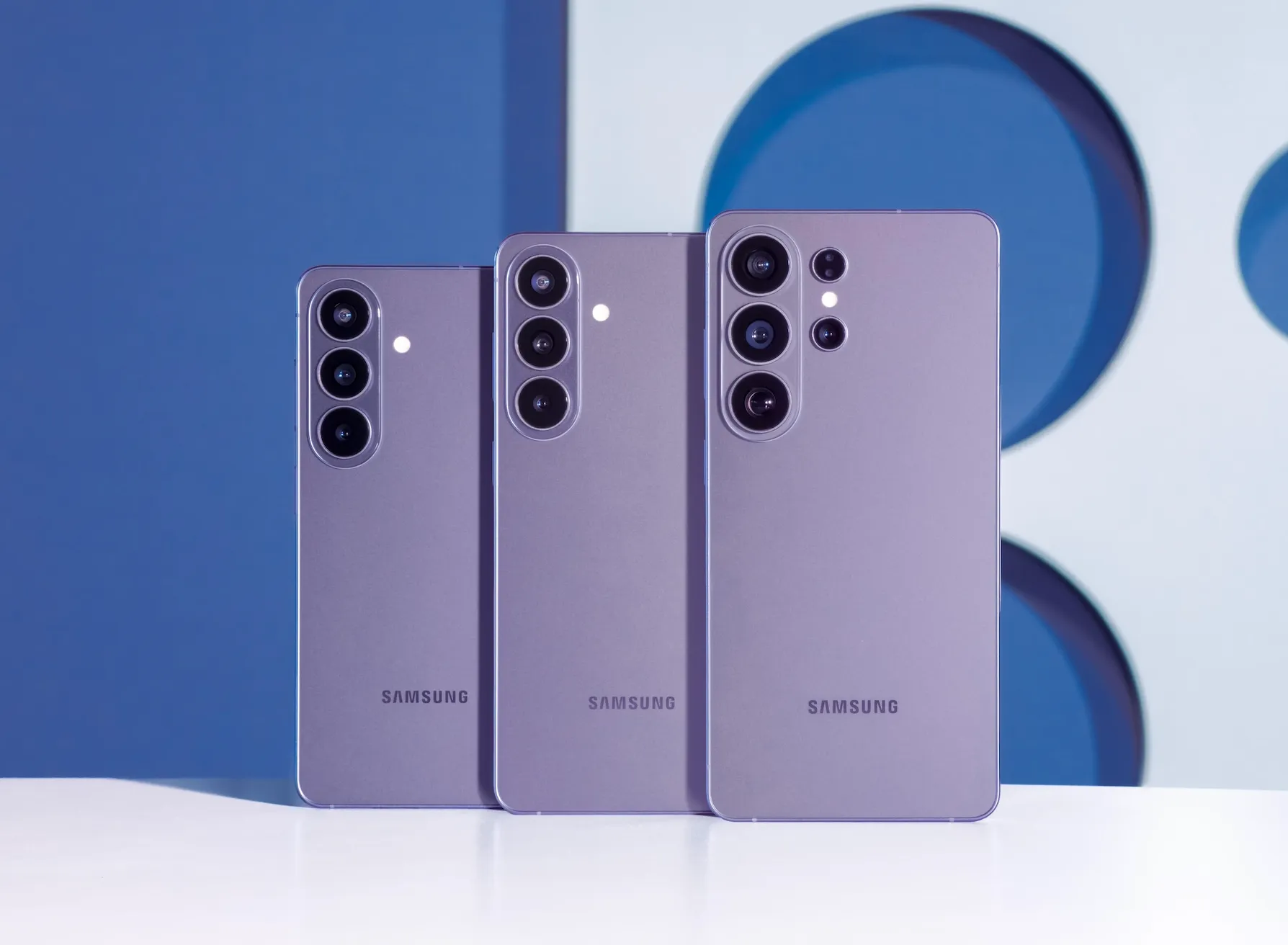
Samsung's new flagship is making headlines, but not for the reasons they'd hoped. Reports are piling up about the Galaxy S26 Ultra causing eye strain, headaches, and general viewing discomfort - issues that many budget Android phones solved years ago. According to Android Police, even Samsung loyalists are experiencing problems with the premium display. What makes this particularly frustrating is Samsung's confirmation that they won't include any flicker-reduction features in the S26 series, as Android Authority reports.
The irony is hard to ignore - Samsung's most expensive phone is using a relatively low 480Hz PWM rate while competitors like HONOR have moved to ultra-high frequencies of 3,840Hz to 4,320Hz, and OnePlus offers DC Dimming toggles for user control. You might actually get a more comfortable viewing experience by spending less money on a different Android device.
The eye strain complaints are piling up fast
The problems started before the phone even hit retail shelves. Early feedback came from Samsung enthusiasts who usually champion new Galaxy devices, with Android Police noting that dedicated Samsung followers were reporting tired eyes and discomfort. Samsung newshound Tarun Vats specifically mentioned his eyes feeling "slightly uncomfortable" after using the device - that's not exactly the vote of confidence you'd expect from the faithful.
From there, things escalated quickly. Reddit users began sharing experiences that went beyond simple eye strain - we're talking headaches and nausea that people directly attributed to the S26 Ultra's display. One early post mentioned the display appearing grainy, while others described much more serious discomfort issues. The range of symptoms tells a concerning story: eye strain is the most common complaint, but mentions of headaches and nausea suggest something more significant than typical adjustment issues with a new screen.
Android Police confirms that complaints continue mounting, despite some users reporting zero issues after intensive use. What's particularly telling is the volume and consistency of these reports compared to typical smartphone launches - this appears to go beyond the usual small percentage of users who experience display sensitivity with any new device.
PWM dimming: the technical culprit behind the discomfort
Let's break down what's actually happening here. The root cause appears to be Samsung's continued use of low-frequency PWM (pulse-width modulation) dimming. As ShopSavvy explains, OLED displays control brightness by rapidly flickering pixels on and off - in the S26 Ultra's case, this happens 480 times per second.
Most people can't consciously perceive this flickering at all. But for sensitive individuals, it triggers eye strain, headaches, and fatigue, especially at lower brightness levels where PWM effects become more pronounced. Think of it like those old fluorescent office lights - some people work under them all day without issues, while others get headaches within minutes.
Samsung has confirmed that the Galaxy S26 series maintains the same dimming behavior as previous flagships and offers no flicker-reduction options, according to Android Authority. This 480Hz frequency falls well below what accessibility experts recommend. Research indicates that IEEE standards suggest much higher modulation frequencies - well into the kilohertz range - to reduce adverse effects. The medical context makes this even more concerning, as clinical literature suggests that roughly 12% of the population suffers from migraines, with flicker being a known trigger for some sufferers.
Budget phones are leaving Samsung's flagship behind
Here's where Samsung's approach becomes genuinely embarrassing. Cheaper Android phones have been addressing PWM sensitivity for years while Samsung's premium devices ignore the issue entirely, creating a market where spending less money can actually deliver better accessibility.
HONOR has been leading this charge aggressively. Their devices now offer frequencies of 3,840Hz to 4,320Hz, Android Authority reports, providing significantly more comfortable viewing for sensitive users. We're talking about nearly 10 times higher frequencies than what Samsung offers on their flagship - that's not a minor incremental improvement, it's a generational leap in display comfort technology.
The broader competitive landscape tells the same story. OnePlus and OPPO frequently include DC Dimming or Flicker-Free toggles that reduce PWM reliance at certain brightness ranges. Xiaomi has implemented 1,920Hz on recent flagships - four times higher than Samsung's rate. According to industry analysis, even some Motorola Edge phones offer flicker-reduction options that allow users to switch off PWM dimming entirely in favor of DC-like dimming. The pattern is crystal clear: manufacturers across the price spectrum have recognized PWM sensitivity as a real accessibility issue worth addressing through both hardware improvements and user control options.
The Privacy Display adds confusion, not solutions
Samsung's new Privacy Display feature initially took the blame for eye strain issues, but that theory doesn't hold up under scrutiny. The feature is designed to hide screen content from side angles, and some users theorized that the privacy effect might cause eye strain when phones move slightly out of the optimal viewing angle, as Android Police notes.
However, many complainants confirmed they'd disabled the Privacy Display feature entirely, ruling it out as the primary culprit. Samsung has clarified that the Privacy Display doesn't alter the underlying PWM dimming method, according to Android Authority. This means the eye strain issues stem from the fundamental brightness control system, not an unintended consequence of the new privacy feature.
What this really reveals is how Samsung's display engineering priorities haven't shifted to accommodate PWM-sensitive users. The Privacy Display restricts side-angle visibility to protect on-screen content but leaves the problematic PWM waveform and amplitude behavior completely intact. Users who struggled with previous Samsung flagships at low brightness levels should expect the same comfort challenges with the S26 Ultra, regardless of whether Privacy Display is enabled or disabled.
What Samsung could learn from the competition
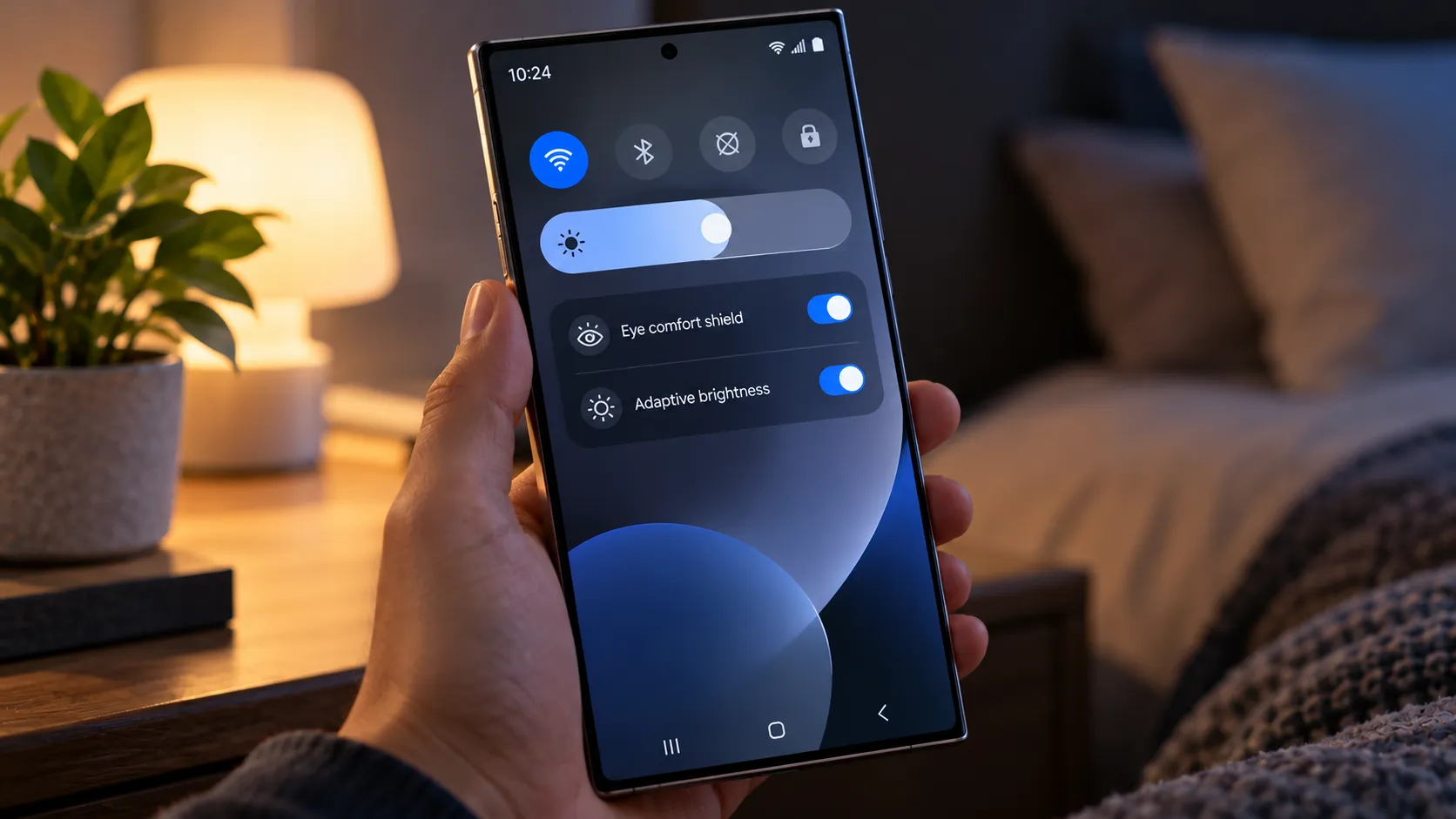
The frustrating part is that solutions aren't rocket science - they're already implemented across the Android ecosystem, often by companies with far fewer resources than Samsung. Higher PWM frequencies generally provide more comfortable viewing experiences, research shows, with multi-kilohertz rates offering tangible relief for sensitive users. Even a basic settings toggle would represent meaningful progress, giving sensitive buyers the option to choose a trade-off profile where they accept slightly different color behavior in exchange for reduced flicker artifacts.
Samsung's engineering approach prioritizes predictable color accuracy and luminance control, which maintains display fidelity across different usage scenarios. But this philosophy leaves accessibility features on the table while competitors increasingly treat high-frequency PWM and DC-like modes as key differentiators. Standards organizations continue to emphasize that higher modulation rates and reduced flicker amplitude are essential tools for user comfort, yet Samsung has chosen consistency over adaptability.
The business implications are striking: Samsung is essentially ceding the PWM-sensitive market segment to competitors who've made display comfort a priority. For users who need these accessibility features, the choice becomes clear - look elsewhere, often at significantly lower price points, to find the comfort options that Samsung's flagship excludes.
Bottom line: test before you buy
If you're considering the Galaxy S26 Ultra and have any history of display sensitivity, you need to spend serious time with a demo unit first. Experts recommend testing the device at very low brightness levels and paying attention to any eye strain within the first few minutes of use, especially when viewing high-contrast content in dim environments where PWM effects are strongest.
For PWM-sensitive users, there are some potential workarounds, though results vary significantly by individual. Keeping hardware brightness higher while using Android's Extra Dim tools might provide some relief, since flicker amplitude typically eases at higher brightness levels. Research suggests that enabling dark mode, lowering screen contrast, and avoiding stark white backgrounds can also lessen perceived discomfort, though these are Band-Aid solutions rather than real fixes.
Here's the bottom line: Samsung has created a powerful flagship with impressive features, but on display comfort, they're standing still while budget competitors push ahead with real solutions. The irony is stark - you might need to spend less money on a phone to get a more comfortable viewing experience, with devices offering DC Dimming or multi-kilohertz PWM providing better accessibility than Samsung's premium offering. That's not exactly the premium experience Samsung customers are paying for, and it represents a significant missed opportunity in a market where display comfort is becoming an increasingly important differentiator.

Comments
Be the first, drop a comment!