





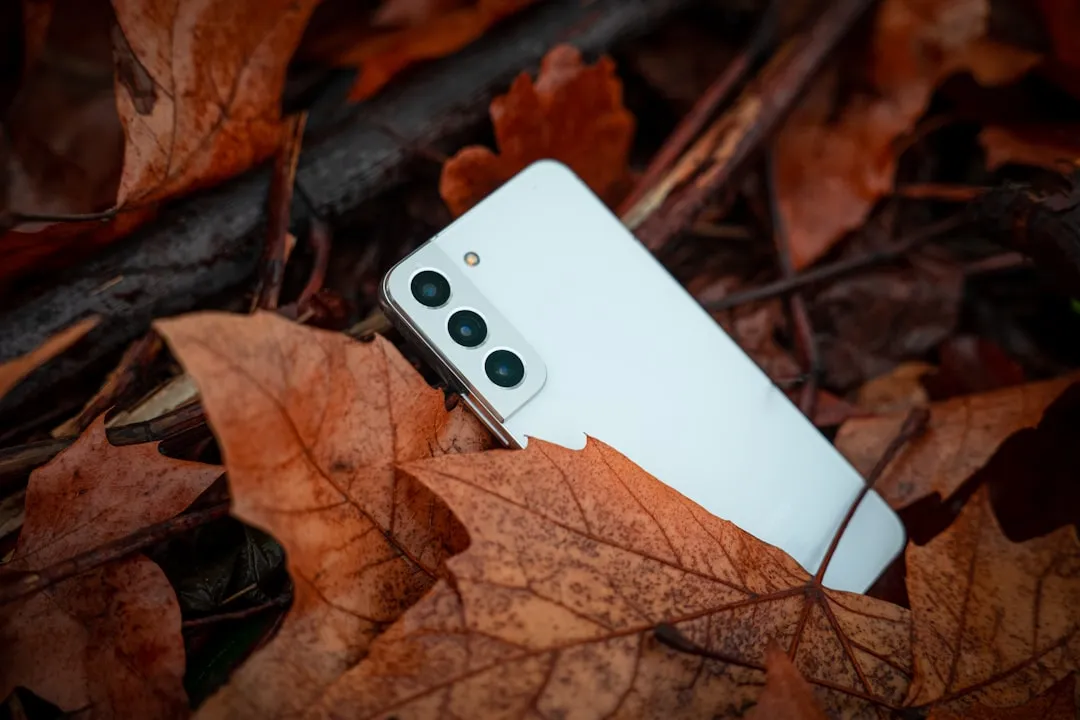
If you're still holding onto a Galaxy S22, it's time to face the music: Samsung has officially pulled the plug on regular feature updates for this former flagship. The S22 lineup launched in February 2022 running Android 12, and according to Samsung's current support policy, these devices are guaranteed four major Android OS updates and five years of security patches. That means the S22, S22+, and S22 Ultra have now reached their final major Android version—Android 16 with One UI 8—as reported by SammyGuru. While the phones aren't being abandoned entirely, the shift marks a significant turning point for anyone still using these devices daily.
Here's what you need to know: the Galaxy S22 series will receive One UI 8.5 later this year, which will be its last feature update, SammyGuru confirms. After that, it's security patches only—and even those will wind down by early 2027. The bigger picture? These phones aren't eligible for Samsung's newer seven-year support policy, which only applies to devices from the S24 generation forward. That two-year gap in policy means the S22 suddenly feels a lot older than it actually is. Think about it this way: a Galaxy S24 will receive updates all the way through Android 21, potentially spanning five full Android generations beyond where the S22 caps out. Bottom line: if security, app compatibility, and resale value matter to you, it's time to start thinking about your next move.
What "end of support" actually means for your Galaxy S22
Let's break it down. The Galaxy S22 won't suddenly stop working—no Samsung Galaxy phone will completely stop functioning in 2026, as UpTrade It clarifies. Your device will continue to operate normally, but Samsung is discontinuing software support, meaning no more Android OS updates or security patches after a certain point. The S22 series already received its final major Android OS update with Android 16 (One UI 8) in October 2025, according to IMP News. While One UI 8.5 is expected to arrive by April 2026 as a final refinement, IMP News reports, that's where the feature updates end.
Security updates will continue for roughly one year after the final OS update, likely ceasing sometime in early 2027, per AEANET. This aligns with Samsung's 4+5 policy—four years of OS updates and five years of security patches—helping users maximize their device lifespan.
But here's what most coverage misses: the consequences aren't just about missing new emoji packs or interface tweaks. Each new Android version introduces fundamental security architecture improvements that older versions simply can't retrofit. When Android 17 arrives with enhanced privacy sandboxing or quantum-resistant encryption protocols, your S22 won't just miss a feature—it'll lack the underlying security framework that modern threats require. This matters most for apps handling sensitive data. Your banking app might work today, but when developers optimize for Android 18's security model in 2027, they'll eventually phase out support for Android 16's older architecture. Without regular security patches, older devices may become vulnerable to hacking attempts or malware, according to UpTrade It. The real danger isn't theoretical: malicious actors specifically target devices they know have unpatched vulnerabilities. Without updates, devices might also struggle with new apps or system demands, leading to slower performance, reduced battery efficiency, and less overall stability, UpTrade It adds.
PRO TIP: Check your current security patch level by navigating to Settings > About phone > Software information. The date listed under "Security patch level" shows your last update. If you see gaps longer than 45 days between patches after early 2026, you've been downgraded to quarterly updates—the first sign your device is entering maintenance mode.
How the S22 compares to Samsung's newer support policy
Here's where things get interesting—and a little frustrating if you own an S22. Samsung now promises seven years of security updates for its flagship Galaxy smartphones, a major step forward for long-term device safety and usability, UpTrade It explains. This enhanced commitment ensures newer Galaxy phones continue receiving critical security patches well into the 2030s, according to UpTrade It. However, there's a critical distinction: this seven-year promise applies to security updates only, not guaranteed Android OS upgrades, UpTrade It clarifies. Think of it like maintaining a 2022 car versus upgrading to a 2029 model. Both might remain mechanically safe to drive, but only one receives the latest driver assistance technology, connectivity features, and efficiency improvements.
This enhanced support applies to recent flagship models launched since 2022, such as the Galaxy S22, S23, S24, and S25 series, UpTrade It reports—but with a significant caveat. The S21 series has been excluded from the seven-year policy, except for the S21 FE, which launched a year later in 2022, according to UpTrade It. The timing mattered: Samsung announced this enhanced support in early 2024, likely responding to Apple's long-standing support advantage and Google's matching seven-year commitment for Pixel devices. But the policy only applied to devices from the S24 generation forward.
The Galaxy S22 series falls into an awkward middle ground: it qualifies for the older four-year OS update policy, but misses out on the extended seven-year security timeline. As one SamMobile opinion piece put it, at the time of writing, nearly two years after release, the Galaxy S24+ is still eligible for more Android OS updates than the S22+ could have ever received over its entire lifetime, SamMobile notes. Let that sink in: those five additional Android generations represent not just incremental updates, but fundamental shifts in AI capabilities, privacy architectures, performance improvements, and app ecosystem evolution that S22 owners will simply never experience. That's a sobering reality check for anyone who purchased a flagship device just three years ago.
Should you upgrade or stick it out?
If you're using a Galaxy S20-era or Note 20-era device, upgrading to a Galaxy S22 or newer is a smart move, UpTrade It suggests. But what if you're already on an S22? The answer depends entirely on how you use your phone.
Let's establish a decision framework. If you use your S22 primarily for basic tasks—browsing, social media, streaming—you can probably ride it out through 2026 without major concerns. The hardware remains capable, and for casual use, the security risks remain manageable if you practice good digital hygiene: avoid suspicious links, use strong passwords, and stick to trusted app sources.
However, the calculation changes dramatically if you handle sensitive data. Your device can still be used after support ends, but it's not recommended—especially if you use your phone for banking, work, or storing sensitive data, UpTrade It warns. The biggest security risks include vulnerability to malware, phishing attacks, and data breaches, AEANET explains. Without security patches, your phone becomes an easier target for malicious actors, potentially compromising your personal information. Each unpatched vulnerability is essentially a door left unlocked, and attackers know exactly which doors to try.
If security concerns push you toward upgrading but budget is tight, certified refurbished devices offer a practical middle path. Unlike private sales where you can't verify update status or battery health, certified programs provide warranties and verified software standing. For long-term value, choose models that support the latest Android version and receive monthly updates, such as the Galaxy S22, S23, S24, and S25 series, UpTrade It recommends. If you're considering a used or refurbished device, always choose Certified Used or Refurbished devices, UpTrade It advises. Using a trusted comparison platform allows you to compare certified options across verified sellers, helping you find the best price without unnecessary risk, according to UpTrade It.
Here's a bargain option worth considering: The Galaxy S21 FE launched later than the rest of the S21 lineup, so its support timeline extends further, UpTrade It notes. Specifically, it launched in January 2022, technically making it a 2022 device that qualified for the enhanced policy—a lucky break for buyers who got flagship specs at a lower price point with better long-term support. You can pick one up for $200-300 less than an S22 while still getting updates through 2026—essentially paying less for the same support timeline.
PRO TIP: The sweet spot for upgrading is typically 6-8 months before support ends. You'll get better trade-in values while still having security coverage, and you'll avoid the rush when everyone realizes their phone is entering obsolescence. S22 values will drop sharply once support officially ends—a device worth $300 in early 2026 might fetch only $150 by mid-2027.
What happens next for S22 owners?
Samsung recently updated its Security Updates Work Scope page, and the Galaxy S21 series is no longer among the devices that are guaranteed to receive monthly updates, Phone Arena reports. Instead, the Galaxy S21, S21+, and S21 Ultra will only receive updates four times per year, according to Phone Arena. The same fate likely awaits the S22 series in the near future.
This shift isn't just about frequency; it's about priority. Monthly updates mean Samsung's security team actively monitors and patches your device, responding to newly discovered vulnerabilities within weeks. Quarterly updates mean you're in maintenance mode, getting batched fixes rather than immediate protection. Samsung may drop devices from monthly to quarterly or biannual updates anytime, as per its current software support policy, SammyGuru warns. When a critical zero-day vulnerability emerges, monthly update devices might receive a patch within two weeks. Quarterly devices could wait 90 days—and that's 90 days where attackers know exactly which vulnerabilities exist and which devices remain unprotected. If your device isn't on Samsung's eligible update list, it means Samsung has officially ended update support for it, SammyGuru confirms.
You can track this transition yourself. You can check your phone's last update date by going to Settings > About phone > Software information > Last update, AEANET explains. This will provide information about the most recent security patch level and Android version. If you don't update your Samsung Galaxy S22, you'll miss out on new features, performance improvements, and, most importantly, security patches, AEANET warns. This leaves your device vulnerable to potential threats and malware.
For tech-savvy users willing to trade convenience for longevity, there's one more option. Unofficially, you can explore custom ROMs like LineageOS, AEANET notes, but this voids your warranty and requires technical expertise, with always a risk of bricking your device. But let's be clear: this is truly a last resort and a project for enthusiasts, not a practical solution for most users. You'll lose Samsung Pay, banking app compatibility due to SafetyNet failures, and any remaining warranty coverage. For the vast majority of S22 owners, this isn't a viable path forward.
PRO TIP: Once you hit the quarterly update schedule (likely in late 2026), set a calendar reminder to check for updates manually every month. Samsung's automatic update system can lag, and manual checking ensures you get patches as soon as they're available, potentially shaving weeks off your vulnerability window.
The bottom line: plan ahead
Any flagship Galaxy phone that missed the seven OS upgrade policy is starting to feel outdated at an accelerated rate, SamMobile observes. And once the S22 reaches the end, the S23 won't be far behind, SamMobile adds. Having tested phones past their support window, I can tell you that degradation is subtle at first—apps continue working, performance remains acceptable, and daily use feels unchanged. But the risks compound with each passing month after final patches cease.
Here's your action plan if you're reading this in early 2026 with an S22 in hand: You have a decision window. One UI 8.5 will arrive by April 2026, IMP News reports, giving you one last feature refresh to evaluate whether the device still meets your needs. Security patches continue through early 2027, creating a reasonable glide path if you're not ready to upgrade immediately. But start planning now.
Monitor your phone's performance with security-sensitive apps—if banking apps or work software start showing compatibility warnings, that's your signal to act. Check resale values regularly; S22 trade-in offers will crater once support officially ends. And if you're considering buying used, verify the exact purchase date. Yes, the entire Samsung Galaxy S22 series (S22, S22+, and S22 Ultra) follows the same update schedule as outlined by Samsung's policy, AEANET clarifies, and if you buy a used Galaxy S22, it will continue to receive updates until the end of its support lifecycle, regardless of ownership, AEANET explains. The update schedule is tied to the device model, not the owner—but a February 2022 S22 and a December 2022 S22 have the same support end date. The later purchase gives you marginally more practical use time before obsolescence sets in.
The key takeaway is that the Galaxy S22 series is expected to receive its final Android OS update (Android 16) in early 2026, based on Samsung's current commitment of four major OS updates, AEANET confirms. Security updates should continue through January or February 2026, 9to5Google reports—though given the context of other sources, this likely extends into early 2027, giving you a clear timeline to plan your next move.
While unlikely, unforeseen circumstances such as major security vulnerabilities or significant shifts in Samsung's business strategy could potentially alter the update schedule, AEANET notes—though Samsung is generally reliable in adhering to its published policies. Most apps will likely continue to work for some time after support ends, but developers often optimize their apps for newer OS versions, and eventually, compatibility issues may arise, AEANET warns. The transition isn't a cliff, but a gradual decline that makes each month past final support progressively riskier.
The Galaxy S22 remains a capable device today, but its expiration date is now clearly marked. Plan accordingly.

Comments
Be the first, drop a comment!