



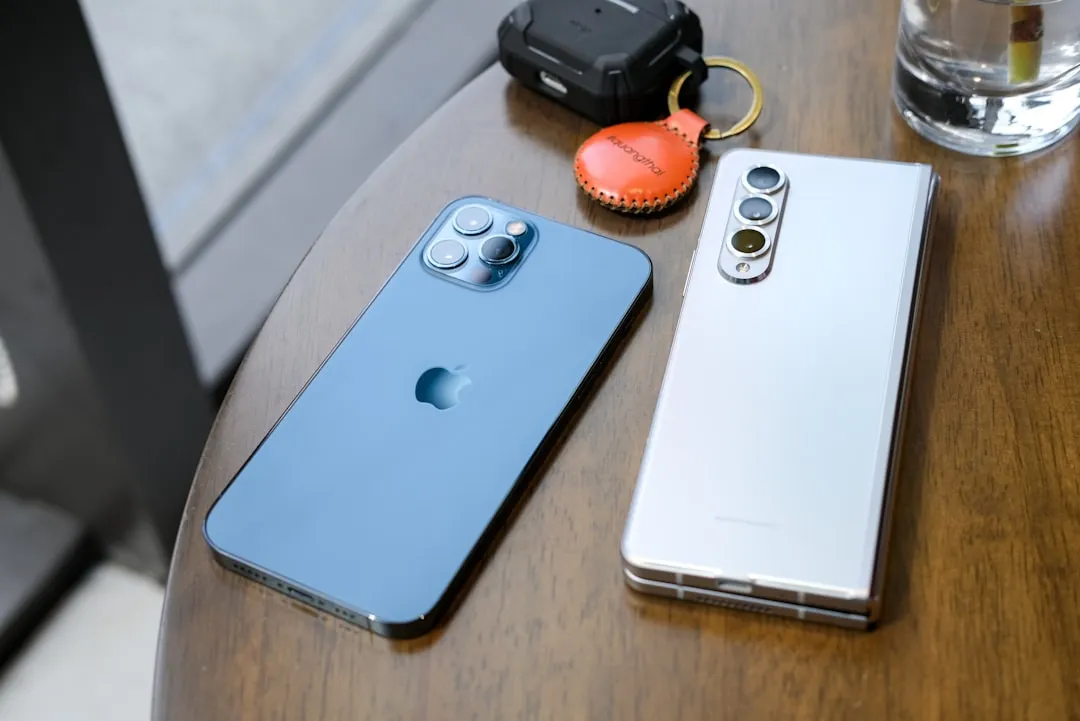
Samsung is making waves in the foldable market with reports of a new "Wide Fold" device designed to directly challenge Apple's upcoming iPhone Fold. Both companies are preparing for what could be the biggest foldable showdown yet, with ETNews reporting that Samsung's new device will feature dimensions remarkably similar to Apple's rumored specifications. The timing isn't coincidental—both devices are targeting a fall 2026 launch window, setting up a head-to-head competition that could reshape the premium foldable landscape.
This development shows Samsung's strategic pivot from its traditional tall-and-narrow foldable design to something more universally appealing. According to MacRumors, the Wide Fold will reportedly sport a 4:3 aspect ratio when unfolded, making it notably different from Samsung's current Galaxy Z Fold series. What makes this particularly intriguing is how closely these specifications mirror Apple's expected foldable dimensions, suggesting Samsung may be preemptively addressing what it sees as Apple's competitive advantage.
The Wide Fold will feature a 7.6-inch internal display and a 5.4-inch cover screen, as reported by ZDNet, dimensions that closely match Apple's rumored 7.5 to 7.8-inch and 5.3 to 5.5-inch displays, respectively. Rather than waiting to see how Apple's device performs in the market, Samsung is positioning itself to compete directly from day one—a move that signals just how seriously the company takes Apple's entry into this space.
Why Samsung's design shift actually matters
Samsung's move toward a wider form factor isn't just about copying Apple—it's about fixing real usability issues with current foldables. The current Galaxy Z Fold series, with its tall 20:18 aspect ratio when open, creates an awkward user experience for many tasks. Think about how you actually use a tablet versus a phone, and you'll immediately understand why this aspect ratio shift is so significant.
The 4:3 aspect ratio represents a fundamental shift in how we think about foldable usability. The Verge notes that this ratio is better suited for reading e-books, viewing documents, and creative tasks like design work. It's essentially bringing the iPad's proven aspect ratio to the foldable phone world—a move that makes perfect sense when you consider how people actually use these larger screens.
When you unfold a current Galaxy Z Fold, you get something that feels like a very tall, narrow tablet. It works for multitasking and split-screen apps, but it's not ideal for reading a magazine, editing photos, or doing anything that benefits from a more square workspace. The Wide Fold's passport-style design promises to deliver a more natural tablet-like experience that could finally make foldables feel less like a compromise and more like a genuine productivity tool.
The engineering implications go well beyond screen dimensions. According to ZDNet, the Wide Fold will support 25W wireless charging, a significant upgrade from current Galaxy devices that max out at 15W. This suggests Samsung is implementing improved battery technology alongside the form factor changes, possibly including higher-density cells or better thermal management systems that address the increased power demands of a wider display.
What this means for Apple's foldable strategy
Apple's approach to foldables has been characteristically methodical, with the Indian Express reporting that the company has been testing foldable technology internally for years while waiting to solve durability and user experience issues. The iPhone Fold is expected to feature advanced display technology, potentially including a crease-free design and collaboration with Corning for bendable glass.
Samsung's Wide Fold announcement fundamentally changes Apple's competitive landscape. Instead of entering a market where Samsung's traditional tall-and-narrow design represents the established premium option, Apple now faces a competitor that's essentially matching its chosen form factor and potentially offering similar functionality at launch. This puts additional pressure on Apple to differentiate beyond just premium materials and build quality.
Apple's traditional strength in software optimization becomes even more crucial in this scenario. According to Tom's Guide, Apple's foldable may incorporate Touch ID instead of Face ID and could feature a hybrid titanium-aluminum construction. The expected $2,400 price point positions it as a true premium device, but Samsung's competing Wide Fold will likely offer similar specifications at a potentially lower cost.
The company is reportedly developing iOS elements specifically for foldables, potentially combining features from both iOS and iPadOS to create a more seamless dual-screen experience than current Android foldables offer. When you consider Apple's track record with iPad optimization over the years, this software integration could be where the iPhone Fold truly sets itself apart from Samsung's hardware-focused approach.
The technical challenge of going wider
Creating a wider foldable isn't just about changing screen dimensions—it requires rethinking the entire device architecture. Android Police reports that Samsung's Wide Fold will support 25W wireless charging, a significant upgrade from current Galaxy devices that max out at 15W. This suggests Samsung is implementing improved battery technology, possibly including higher-density cells or better thermal management.
The hinge mechanism alone presents unique challenges when dealing with a wider device that needs to fold flat while maintaining structural integrity. Samsung's experience with the Galaxy Z TriFold, which MacRumors describes as featuring titanium Armor FlexHinge technology with dual-rail structures, likely informs the Wide Fold's development. But adapting this technology for a different form factor requires solving new engineering problems around weight distribution and pocket-feel.
Battery technology becomes particularly crucial with wider displays. More screen real estate means more power consumption and heat generation, requiring different cooling strategies than the tall, narrow designs we've seen so far. Android Police notes that Samsung plans to upgrade the "battery technology," potentially including larger capacity batteries or the higher-density silicon-carbon cells that have enabled better power management in other premium devices.
Both companies must also address the fundamental trade-off between usability when open and pocketability when closed. A wider device changes the entire equation of how the phone feels in your hand and pocket, potentially affecting mainstream adoption despite improved functionality when unfolded.
Market implications and the bigger picture
The 2026 foldable face-off represents more than just two companies launching competing products—it's about establishing the future form factor for premium smartphones. IDC projects that Apple could capture over 22% of global foldable shipments and 34% of market value in its first year, while foldable growth is expected to accelerate 30% year-over-year in 2026.
Samsung's preemptive Wide Fold strategy shows the company isn't waiting to see how Apple's device performs. As Gadgets360 reports, the Wide Fold will launch alongside the Galaxy Z Fold 8 and Galaxy Z Flip 8, giving Samsung a three-device foldable lineup to compete with Apple's single entry. This shotgun approach offers consumers multiple price points and form factors while Apple figures out which direction to go next.
The broader implications extend beyond just Samsung and Apple. This potential standardization around a 4:3 aspect ratio could accelerate software ecosystem development that has frankly lagged behind hardware innovation. When both major players adopt similar form factors, app developers gain clearer targets for optimization, potentially solving one of the biggest barriers to mainstream foldable adoption.
What's particularly fascinating is how this competition could drive costs down across the entire category. Premium foldables currently sell at about three times the price of standard smartphones, but increased competition and manufacturing scale could make these devices more accessible to mainstream consumers sooner than anticipated.
Where the foldable future unfolds
The Samsung Wide Fold versus iPhone Fold battle isn't just about specs—it's about proving that foldables can move beyond early-adopter novelty to mainstream utility. Samsung's decision to match Apple's rumored dimensions suggests both companies see the 4:3 aspect ratio as the sweet spot for foldable usability. CNET notes that this design choice could make reading, web browsing, and document editing feel more natural than current foldable formats.
The real winner in this competition will likely be consumers, who'll benefit from two premium options that push each other toward better designs, features, and pricing. Samsung's established foldable expertise meets Apple's integration prowess in what could finally deliver the foldable experience that lives up to the category's long-standing promise.
Both companies are essentially betting that 2026 is when foldables go mainstream. Samsung hedges that bet by offering multiple form factors, while Apple makes a more focused play with what they presumably believe is the optimal design. Having both strategies in play simultaneously should accelerate innovation across the entire category, potentially solving long-standing issues around durability, software optimization, and user experience.
Whether Samsung's Wide Fold successfully counters Apple's foldable iPhone will depend on execution details we won't know until both devices launch. But the fact that Samsung is already positioning a direct competitor shows just how seriously the company takes Apple's entry into the foldable space—and how competitive 2026 is shaping up to be.


Comments
Be the first, drop a comment!