





Samsung Galaxy S27 Ultra rumors: release date, chipset, and camera changes
Samsung's Galaxy S27 lineup is growing from three phones to four, and that expansion is tangled up with a chip decision Samsung hasn't made yet. Samsung Galaxy S27 Ultra rumors have picked up through industry reporting out of Korea rather than leaked spec sheets this time, covering a new display material, a camera shake-up, and an unresolved fight over which processor powers the phone. Samsung's next top-tier device is expected to launch in the first quarter of 2027, according to ETNews.
For anyone already saving toward an upgrade, the practical read matters more than any single spec. The lineup restructuring and display upgrade carry real backing from supply-chain reporting, which makes them worth factoring into a wait-or-buy decision now. The chipset question and the camera claims don't have that kind of backing yet, and Samsung's own mobile division reportedly hasn't settled the chip question internally. If a current phone is still doing its job, there's no rush. This breakdown separates what's tied to verified industry reporting from what's resting on a single tipster, so it's clear how much weight to put on each claim.
Which Samsung Galaxy S27 Ultra rumors have the strongest evidence?
Two tiers of sourcing are circulating this cycle, and they don't deserve equal trust.
- Industry-source reporting: the four-model lineup, screen sizes, Exynos 2700 production status, the unresolved chip split for the Ultra, and the M16 display material allocation, reported by The Elec and ETNews. These trace back to people tracking Samsung's actual production and supplier decisions, not leaked documents.
- Single-tipster claims: the possible removal of the Ultra's 3x telephoto lens, a camera rearrangement on the back of the phone, and the rumored S27 Pro camera setup, all from Ice Universe as relayed by GSMsea.
None of it comes from Samsung directly, and every detail below could still change before launch.
Samsung Galaxy S27 Ultra release date: a bigger lineup arrives alongside it
The Galaxy S27 series is expected to launch in the first quarter of 2027, according to ETnews reporting from last month.
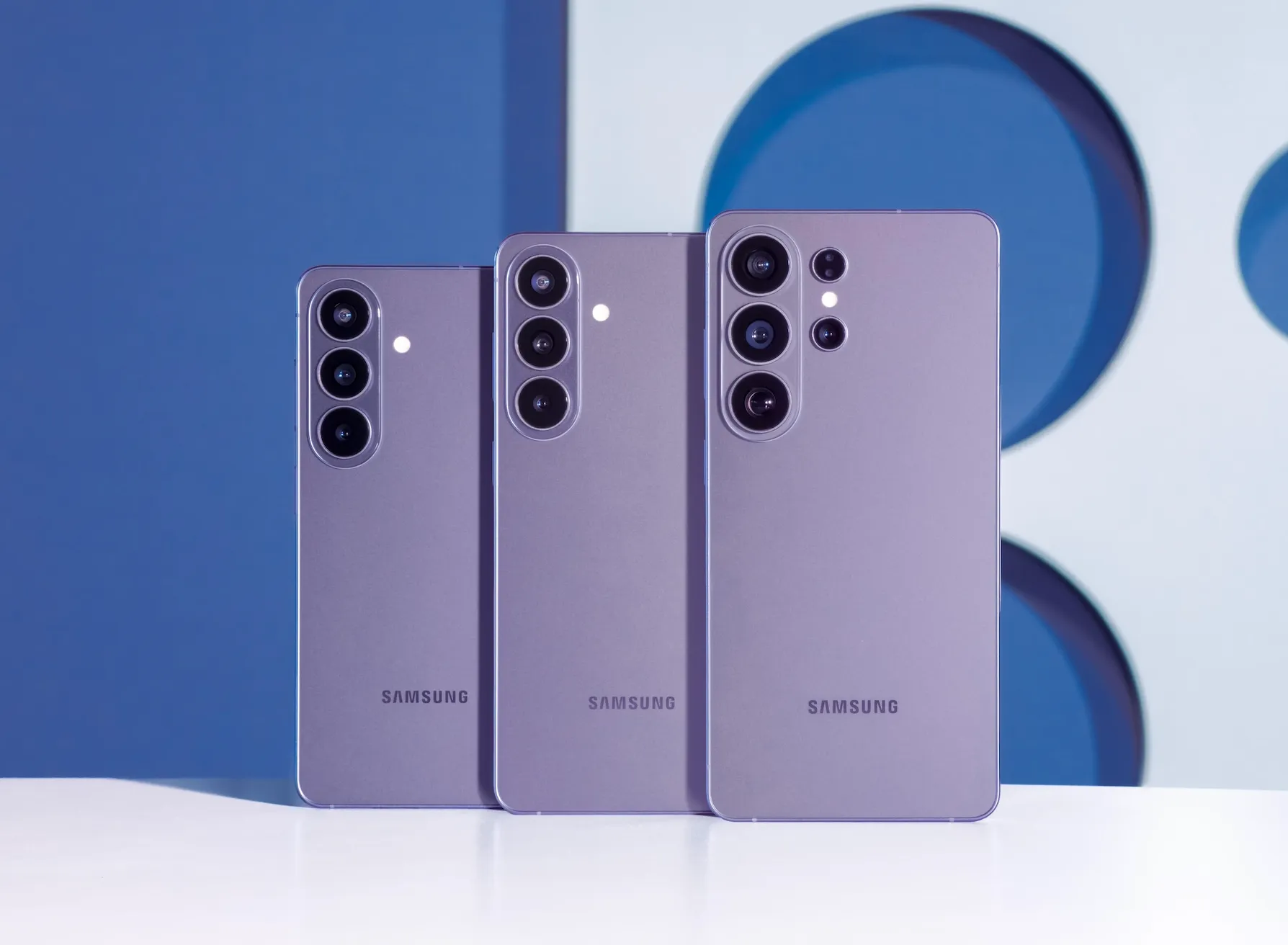
The lineup itself is expanding. Samsung is reportedly adding a new Galaxy S27 Pro model slotted between the Plus and Ultra, turning what's historically been a three-phone family into four, confirmed separately by The Elec.
Reported screen sizes back that structure up: the Ultra at 6.89 inches, the Pro at 6.47 inches, the Plus at 6.66 inches, and the base model at 6.27 inches, according to ETNews.
For anyone eyeing a Pro instead of an Ultra, the reporting so far still positions the Ultra above it, with the largest display in the lineup and shared early access to Samsung's newest display material, covered below. Its final camera setup, though, remains unconfirmed and could end up less distinct from the Pro's than past Ultra generations.
Galaxy S27 Ultra display rumors: M16 OLED material arrives early
Samsung Display is reportedly supplying its newest M16 OLED material set to the Ultra and Pro models only, making them the first Samsung phones built on that material generation, according to ETNews.
M16 already shipped elsewhere before reaching Samsung. Apple's iPhone 18 Pro and Pro Max used it at launch last month, and Google's Pixel 11 lineup picked it up around the same time. Vivo's iQOO 16 is reportedly getting the same material set when it launches in China later this month, per ETNews.
A material-set upgrade isn't the same as a headline spec bump. It affects color reproduction, brightness, power efficiency, and panel lifespan, not the resolution or refresh rate printed on a spec sheet, according to the same report.
The base S27 and Plus are reportedly moving to the separate M14 set, a step up from the M13 material used since the Galaxy S24 but still one generation behind the Ultra and Pro. Industry sources say the split is meant to visibly separate the two premium tiers from the rest of the lineup, marking Samsung's first lineup-wide panel update for the S series in three years.
Galaxy S27 Ultra Exynos 2700 rumors: what is still undecided
Samsung reportedly started full-scale mass production of the Exynos 2700 this month, moving the chip from small-batch sampling into real wafer output on its second-generation 2-nanometer SF2P process, according to The Elec. Production volume is said to be more than 10% higher than last year's Exynos 2600, with the extra volume tied to the new Pro model joining the lineup.
Samsung's mobile division has reportedly locked in how many Exynos 2700 chips it needs for the base S27, the Plus, and the Pro. The Ultra is the exception: Samsung reportedly still hasn't decided whether the Ultra will use Exynos at all, or what share of Ultra units would get it versus Qualcomm's chip, per The Elec.
That's a shift from last year. The Galaxy S26 Ultra ran on Qualcomm's Snapdragon 8 Elite 5th generation worldwide with no Exynos variant, so any Exynos presence in the Ultra tier would break from recent precedent, according to the same report. If Samsung sticks with Qualcomm for the Ultra, the chip in question would reportedly be the Snapdragon 8 Elite Extreme 6th generation.
Two groups inside Samsung reportedly want different outcomes here. The System LSI division, which designs and sells Exynos chips, wants the adoption for its own earnings and to build credibility for the chip, per The Elec. The mobile division that actually ships phones has final say, and is reportedly still weighing performance and thermal testing, pricing against Qualcomm's chip, and how much spare capacity Samsung's SF2P production line actually has.
There's also an unverified performance claim worth treating carefully. Samsung's own internal Geekbench 6 testing reportedly showed the Exynos 2700 beating that Snapdragon chip's multi-core score by 9.5%, which would put the Exynos past 14,000 points against Qualcomm's reported 12,856. The same testing reportedly still has the Exynos trailing Qualcomm's single-core score of 4,308, per The Elec. Samsung ran this test itself, and nobody outside the company has reproduced it, so it's a company claim rather than independent proof of how the chip performs.
That multi-core jump looks more plausible once the manufacturing numbers are laid out. The outgoing Exynos 2600 scored around 3,200 single-core and 11,000 multi-core on Geekbench 6 using the older SF2 process, according to The Elec. The newer SF2P process is rated for roughly 12% better performance, 25% lower power draw, and an 8% smaller chip area than SF2, per the same report, which would put a same-design chip around 3,600 single-core and 12,300 multi-core on paper. The Exynos 2700 uses a newer core design on top of that process gain, so it would need to clear those numbers just to match expectations, let alone beat Qualcomm by the claimed margin.
Whichever way Samsung decides, the chipset mix could affect performance, thermal behavior, and battery efficiency between regions, variables that would need independent testing once retail units ship. For anyone shopping by region, that's the detail most likely to affect the phone they actually end up with. If Samsung does split the Ultra by chipset, three things are worth checking before buying: the exact processor listed for the local model number, how the modem performs on that network, and independent battery and thermal results once reviewers get hands-on time. Samsung's mobile division hasn't finalized any of it yet.
Galaxy S27 Ultra camera and design rumors: one fewer lens, new placement
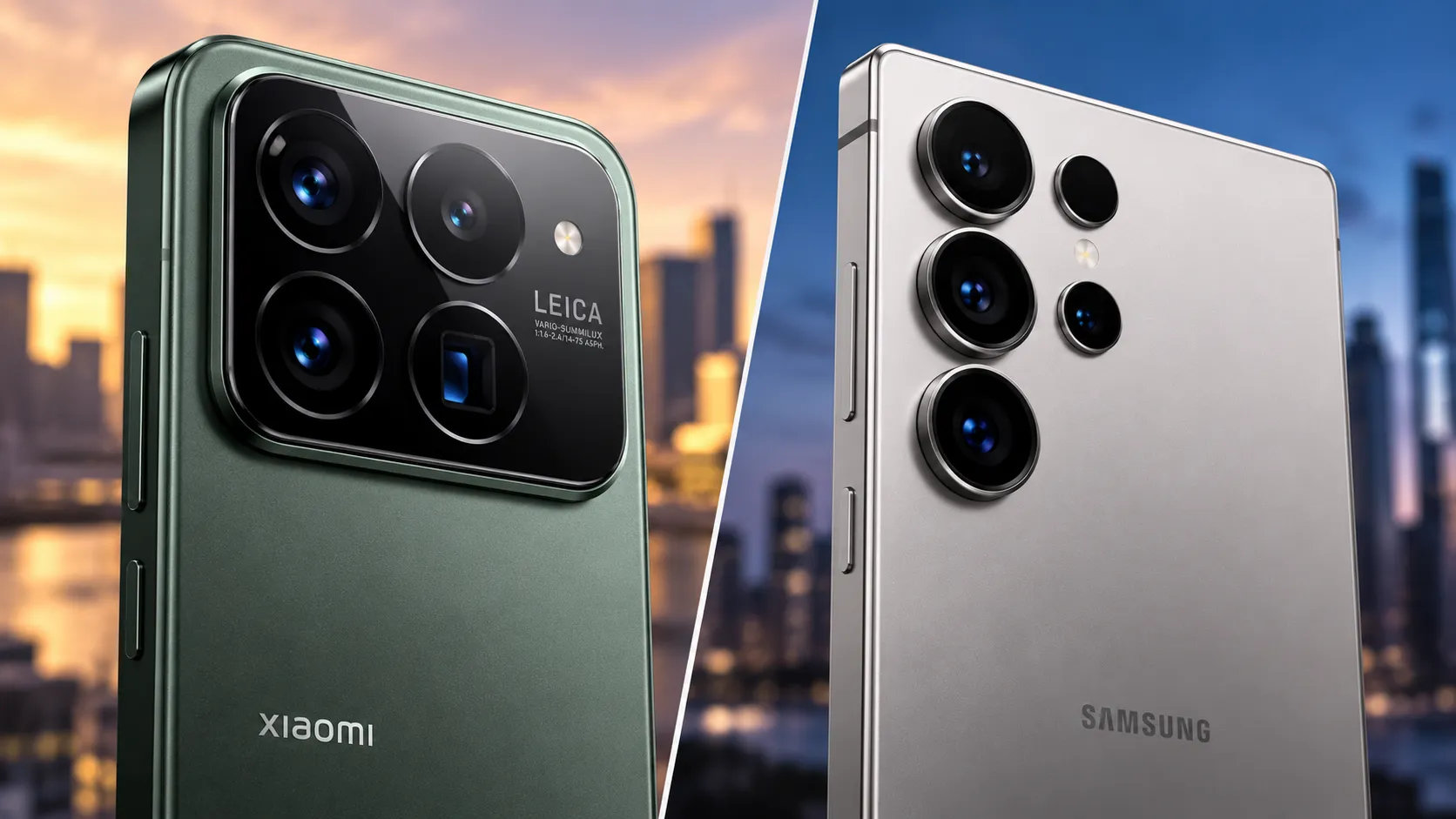
Camera chatter around the Ultra right now centers on Ice Universe's reporting, and the clearest claim is about what might disappear rather than what's new. The leaker says Samsung is considering dropping the Ultra's dedicated 3x, 10MP telephoto lens, leaving the phone to jump straight from the 1x main camera to the 50MP 5x telephoto, according to GSMsea. The reasoning is that Samsung's high-resolution 200MP main sensor can produce usable detail at lower zoom levels through cropping and computational processing, reducing the need for a separate 3x lens.
That trade-off would matter most to anyone who regularly shoots at 2x to 4x, portraits especially, since those shots would then lean on a cropped sensor instead of dedicated zoom glass. Buyers who mostly reach for 5x and beyond would likely notice the change less.
Ice Universe has separately shut down a different rumor about the long telephoto itself. An earlier report claimed Samsung would swap the Ultra's 5x telephoto for a shorter 4x lens built around a much larger 1/1.9-inch sensor. Ice Universe called that claim "100% false," saying the existing 5x telephoto with its 1/2.52-inch sensor carries over unchanged from the Galaxy S26 Ultra, per GSMsea reporting from last month.
Camera placement on the back of the phone is reportedly changing too, a detail backed by leaked CAD renders, according to GSMsea. Part of that could be cosmetic, giving the Ultra a refreshed look. There's a practical angle too: Samsung's current Magnet Wireless Battery Pack needs an awkward cutout to clear the S26 Ultra's camera module, and moving the cameras could create cleaner clearance for magnetic accessories to sit flush against the phone.
Oddly, the rumored Galaxy S27 Pro is expected to keep a simpler but still dedicated zoom lens, a 12MP, 3x optical telephoto, alongside its own 200MP main and ultrawide cameras, per GSMsea. If the Ultra does lose its 3x lens while the Pro keeps one, a mid-tier buyer could end up with a dedicated mid-range zoom that the flagship Ultra reportedly lacks, even though the Ultra would still hold the longer native reach with its 5x telephoto.
All of this traces back to one source. Ice Universe has a track record on Samsung leaks, but Samsung hasn't confirmed any camera configuration for the S27 Ultra, and the final hardware could still change before launch.
What to do with these Galaxy S27 Ultra rumors right now
The display and lineup details carry the strongest backing of everything here, since they trace back to industry sourcing tracking Samsung's actual supplier and production decisions rather than a single tipster, per ETNews and The Elec. The M16 material upgrade for the Ultra and Pro, the four-model restructuring, and the Q1 2027 launch window all fall into that category.
The chipset split is murkier. Samsung's own mobile division reportedly hasn't settled it, so there's no way yet to know whether an Ultra bought in one region will perform like one bought in another, per The Elec. The internal benchmark claim is worth watching but shouldn't be treated as a real-world result until someone outside Samsung tests a retail unit.
The camera and design claims sit at the other end, resting mostly on Ice Universe's reporting through GSMsea. Samsung could still change course on the 3x lens, the camera arrangement, or both before launch.
Anyone planning an upgrade should wait for Samsung's official unveiling, expected around the first quarter of 2027, before making a final call. If regional chip performance matters, confirm the exact processor once pricing and official specs land rather than assuming parity with Snapdragon units. The camera rumors aren't solid enough to delay or rush a purchase either way, so treat them as a preview rather than a spec sheet until Samsung says otherwise. If a current phone is already covering daily needs, there's little cost to waiting a few more months for confirmation.






Comments
Be the first, drop a comment!