





Samsung Galaxy S27 Ultra DC dimming: what the rumor claims
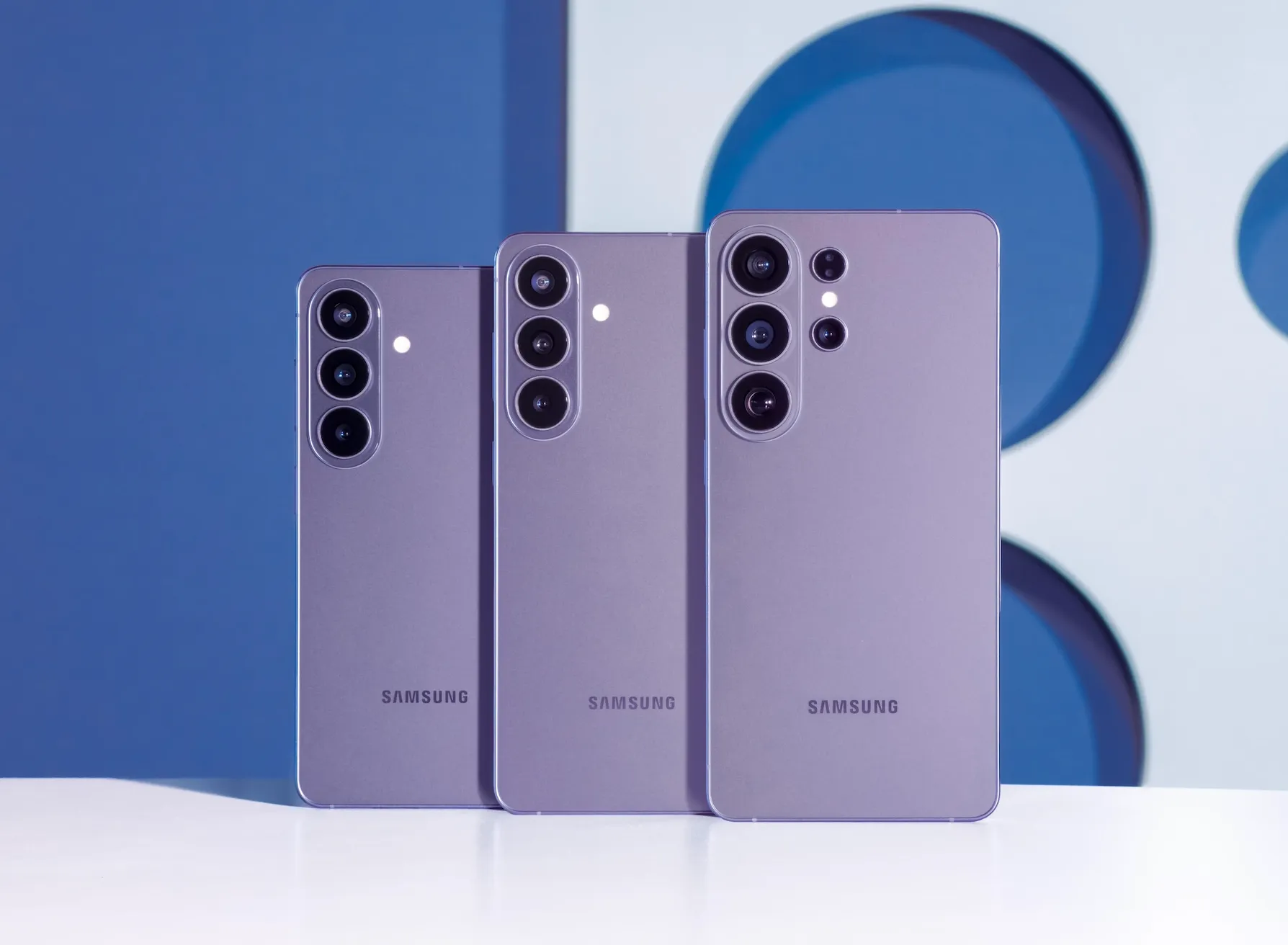
A new rumor claims the Galaxy S27 Pro and Galaxy S27 Ultra could introduce DC dimming, a technology no Samsung flagship has used before, according to Android Central. If the claim holds up, Samsung Galaxy S27 Ultra DC dimming would make the phone the first Samsung smartphone to ship with the technology, according to GSMArena, which reported on the same rumor two days ago.
The claim traces back to tipster Walle, who posted on X that Samsung is developing new eye-strain reduction tech for the S27 Pro and Ultra, a post Android Central says was relayed via Android Headlines. Samsung hasn't announced either phone, confirmed DC dimming, or detailed any eye-comfort feature changes.
That gap between leak and confirmation matters most if screen flicker already gives you trouble. If PWM sensitivity, headaches, or eye fatigue are the reason you're watching this phone, nothing here is locked in, and the specifics that would actually determine whether it helps are still missing.
Samsung Galaxy S27 Ultra DC dimming: what the rumor says
Samsung's flagship phones have relied on PWM dimming exclusively for years, a brightness method GSMArena calls the traditional approach for controlling display output. DC dimming instead adjusts voltage directly, a technique Samsung has never shipped on a mainline flagship, according to GSMArena.
The current DC dimming claim ties to a rumored new M16 OLED panel, reportedly reserved for the S27 Pro and Ultra, while the base S27 and S27+ would use an M14+ panel instead, per GSMArena. That panel split is itself unconfirmed, sourced to the same leak chain as the DC dimming claim rather than an official Samsung spec sheet. Neither report explicitly states the base models are locked out of DC dimming; that's an inference drawn from the panel rumor, not a confirmed exclusion.
Android Central's report traces to Walle via Android Headlines, published today. GSMArena covers the same rumor independently, pointing to the panel split as the likely mechanism behind any dimming change. Both outlets are reporting leaks, not a Samsung announcement, and neither constitutes confirmation.
How DC dimming could reduce Galaxy S27 Ultra eye strain
PWM dimming rapidly switches the display on and off to simulate a dimmer image, a trick GSMArena describes as flickering the pixels "very quickly on and off to achieve different perceived brightness." DC dimming instead adjusts voltage directly, producing a steady brightness level without that on-off cycling, according to GSMArena.
The distinction matters because temporal light modulation can contribute to eye strain, headaches, and fatigue even when a user can't consciously perceive the flicker, per a 2024 DXOMARK breakdown of the phenomenon. Most people won't notice flicker during normal phone use, DXOMARK notes, but sensitive individuals can pick up on modulation at frequencies well above typical thresholds.
The research here is more nuanced than "DC good, PWM bad." A study published last year measured ocular effects after 45-minute visual tasks at 45-55 nits and found PWM had a significantly greater impact on imaging quality than DC dimming. The same study found no statistically significant difference in its accommodation-based fatigue measure between the two, and described comparable cumulative effects on retinal neural-adaptation fatigue for both technologies. Those are narrow experimental measures from one limited study, not proof that users will feel less discomfort with DC dimming during everyday use.
A separate study from last year, comparing 3,240 Hz PWM against DC dimming at 50 nits, found PWM performed slightly better for photobiological effects, while DC held the advantage on imaging quality. That result alone undercuts any assumption that high-frequency PWM is inherently worse, or that DC dimming is a blanket fix. Both studies come from narrow, specialized research rather than established clinical guidance, so treat the figures as directional. Frequency, modulation depth, brightness level, and individual sensitivity all shape the outcome, which means DC dimming is likely to help specific sensitivity patterns rather than resolve every eye-strain complaint a buyer might have.
Samsung Galaxy S27 Ultra PWM dimming and Eye Comfort Shield updates
Full-range DC dimming is difficult on OLED panels because low voltage distorts color output, leading to muddy results or odd tints. That's why manufacturers often rely on hybrid systems: DC dimming at medium-to-high brightness, with PWM returning at low brightness, according to GSMArena.
OnePlus offers a comparison point, though not evidence of how Samsung's implementation would work. Its DC-like dimming only activates above 25% brightness, and dipping below that threshold triggers a return to PWM flicker, per Android Central. Anyone who keeps a phone dim at night would need measurements at that specific brightness level to know whether a similar hybrid system on the S27 Ultra actually helps.
A separate but related claim: Walle says Samsung is also updating Eye Comfort Shield, the existing blue-light and color-temperature tool currently found in Display settings on Galaxy phones, according to Android Central. Toggled on today, it warms the screen's colors and can adjust automatically based on time of day.
That's a separate problem from flicker. Eye Comfort Shield manages blue light and color temperature; DC dimming addresses modulation. A reader bothered specifically by screen flicker shouldn't expect Eye Comfort Shield updates to fix it, and vice versa. Android Central also reports that Samsung is said to be collaborating with "various safety firms" to reduce eye strain on future Galaxy phones, though no firm names, testing methodology, or timeline have surfaced.
What's still unconfirmed about Galaxy S27 Pro and Ultra display comfort
No public PWM frequency, modulation depth, or brightness-handoff threshold appears in any of these reports. Until Samsung or a credible leaker publishes those numbers, there's no way to judge how much flicker reduction the S27 Pro and Ultra would actually deliver, or at what brightness levels DC dimming would even be active.
Separately, GSMArena notes that Samsung's Privacy Display feature, introduced on the Galaxy S26 Ultra, is expected to carry over to the S27 Pro and Ultra. How Samsung might adjust that feature alongside any dimming changes hasn't surfaced in current reporting, and it's worth tracking independently rather than assuming it's tied to the DC dimming story.
No independent measurements or review-unit testing of flicker behavior, duty cycle, or imaging quality exist for any S27 hardware. Every number in this rumor cycle comes from leaks and insider claims, not teardown data, and that won't change until review units ship.
What this means for buyers now
Three questions matter most right now. Is DC dimming confirmed for the Galaxy S27 Ultra? No. Samsung hasn't announced the phone or the feature, and everything traces back to tipster claims. Which models are actually tied to the rumor? The S27 Pro and Ultra specifically; the base S27 and Galaxy S27+ are only linked indirectly, through a panel split that's itself unconfirmed.
What should PWM-sensitive buyers do? Wait. A hybrid system could revert to PWM at low brightness, the pattern GSMArena describes as typical for OLED hardware, so don't preorder the Galaxy S27 Ultra on the strength of this rumor alone. Independent flicker measurements across multiple brightness levels after launch will tell you more than any leak can.
In the meantime, check whether Eye Comfort Shield's current blue-light settings on your existing Galaxy phone already help your symptoms. It may ease discomfort tied to color temperature or blue light, but it doesn't touch flicker, so don't expect it to solve a PWM-related problem while waiting on the rumored S27 generation.



Comments
Be the first, drop a comment!