



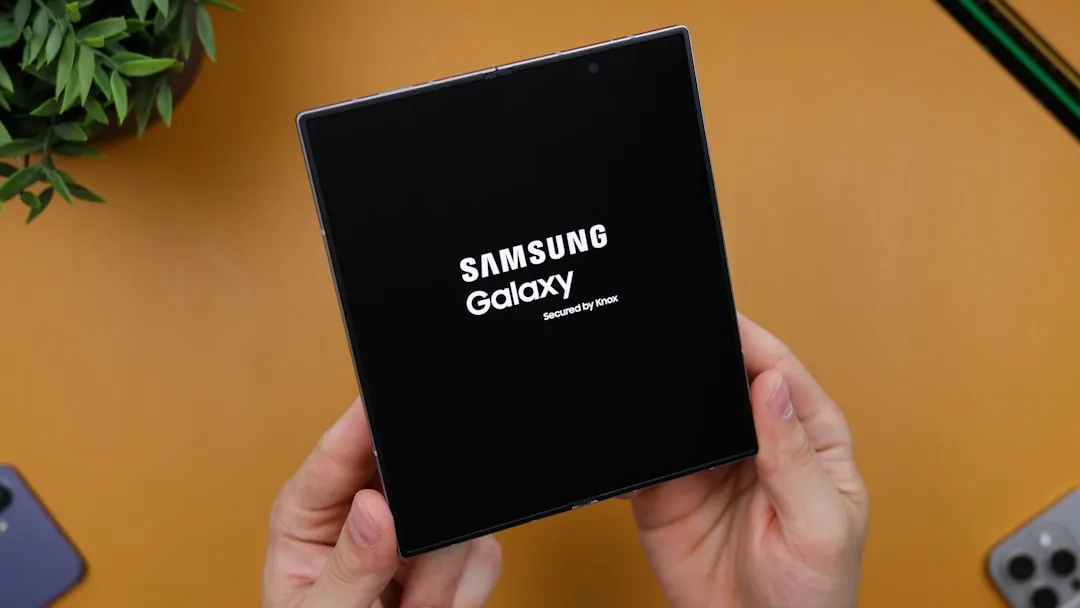
Samsung's upcoming Unpacked event is shaping up to be one of the most interesting launches in recent memory—not just for what's being announced, but for what might be quietly disappearing from the lineup. The company has scheduled its February 25 showcase in San Francisco, according to reports from South Korean media outlets, and the rumor mill is buzzing about more than just new phones. While Samsung prepares to unveil the Galaxy S26 series and the next-generation Galaxy Buds 4, there's growing speculation about which existing products might be getting the axe to make room for these fresh arrivals. The streaming event kicks off at 10 AM PT (11:30 PM in India), available through Samsung's official website, YouTube, and Newsroom, giving fans worldwide a front-row seat to Samsung's latest strategic moves in the increasingly crowded mobile ecosystem.
What's coming to the party: The Galaxy S26 lineup takes shape
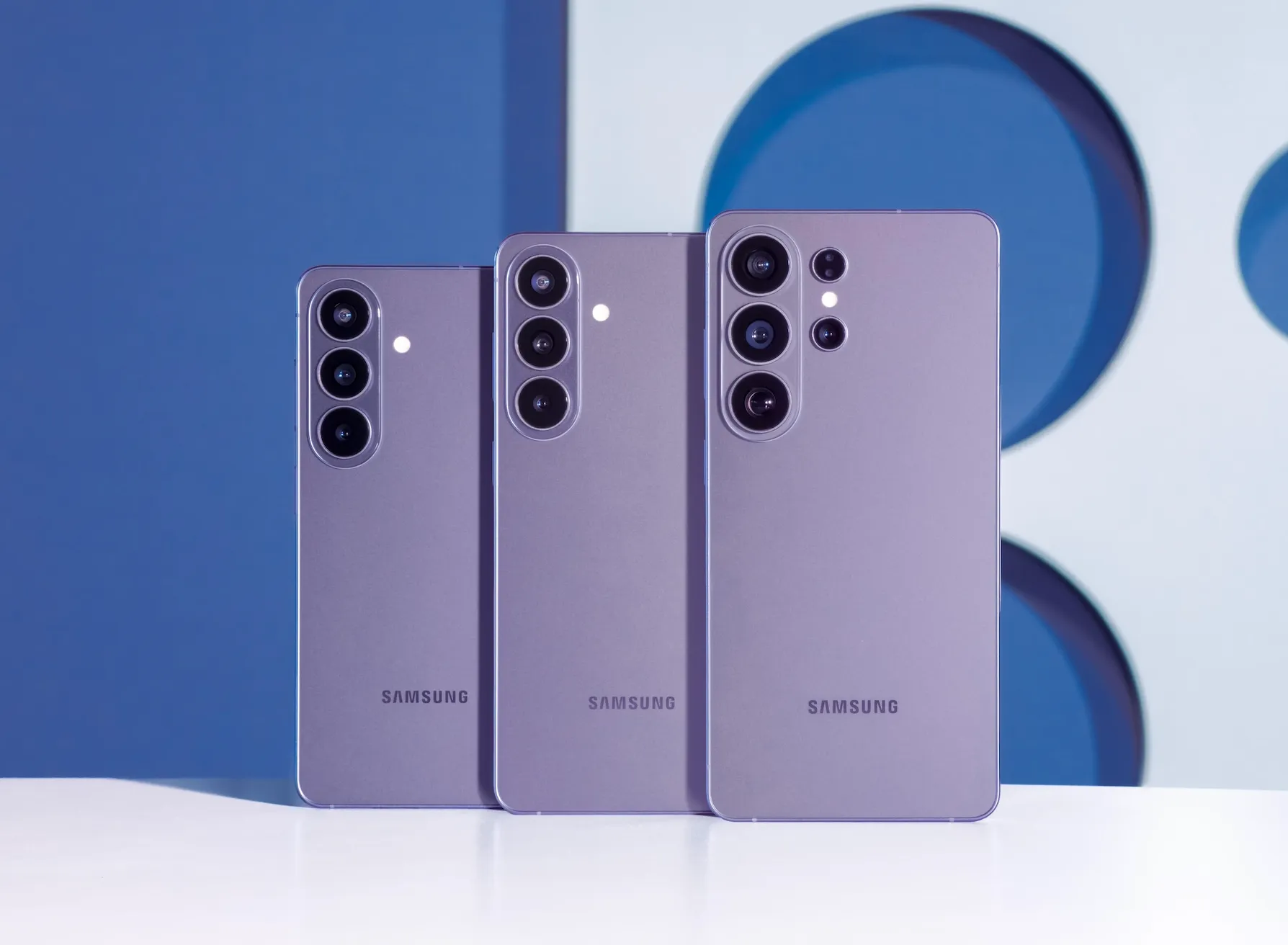
Samsung's flagship smartphone series is getting its annual refresh, with three distinct models expected to hit the market. The standard Galaxy S26 will reportedly feature a 6.3-inch AMOLED display running at 120Hz, as detailed by Digit, marking a modest screen size increase that should appeal to users who want flagship features without the bulk. Under the hood, regional variations will matter: US and China buyers might see Qualcomm's Snapdragon 8 Elite Gen 5 processor, while other markets could receive the Exynos 2600 chip, according to ZDNET's analysis.
This regional processor split serves dual purposes from Samsung's perspective. Snapdragon variants in the US satisfy carrier certification requirements and meet thermal performance expectations American consumers have come to expect, while Exynos markets provide real-world testing grounds for Samsung's semiconductor division—a critical revenue stream that extends far beyond mobile devices. It's also an economic calculation: Samsung pays licensing fees to Qualcomm for Snapdragon chips, but uses its own silicon elsewhere to improve profit margins. If the Exynos 2600 can finally match Snapdragon's performance and efficiency, Samsung gains both cost savings and semiconductor credibility.
Battery capacity is getting a notable bump up to 4,300mAh—that's 300mAh more than the Galaxy S25's cell, per ZDNET, though it'll still charge at 25W wired and 15W wireless speeds. This capacity increase pushes the S26 past the 4,000mAh threshold where Samsung's AMOLED efficiency typically enables full-day battery life for demanding users—the folks running multiple productivity apps during work hours, streaming video during commutes, using GPS navigation throughout the day, and still expecting juice left for evening gaming sessions. Those usage patterns consistently drained the S25 by 8 PM, creating that familiar battery anxiety Samsung is now addressing.
The camera setup should please photography enthusiasts, with the base model packing a 50MP main sensor, a 12MP ultra-wide lens, and a 12MP telephoto lens with 3x optical zoom, according to Digit. Memory configurations are expected to max out at 12GB RAM with 512GB of UFS 4.0 storage, as reported by Digit.
The Galaxy S26 Plus follows a similar playbook but supersizes key specs for users who want everything the base model offers with better battery life and faster charging. You're looking at a 6.7-inch AMOLED display and a beefier 4,900mAh battery that supports faster 45W charging, as reported by Digit. The Plus model also gets Qi2 wireless and reverse wireless charging support, making it more versatile for power sharing with Galaxy Buds or smartwatches when you're away from outlets.
Camera specs should mirror the base model, according to Digit, though both devices might see an upgrade from 12MP to 50MP ultrawide sensors, per Android Headlines reporting cited by ZDNET. If that ultrawide upgrade materializes, it would enable 4-to-1 pixel binning technology—combining four pixels into one to produce 12.5MP images with superior dynamic range and noise characteristics compared to native 12MP sensors. This matters most in challenging mixed-lighting scenarios where wide-angle lenses typically struggle: think indoor shots with bright windows, or landscape photos with deep shadows and bright skies. The extra resolution also means you can crop into wide-angle shots without immediately hitting quality degradation, useful for correcting composition or creating tighter framing after the fact.
PRO TIP: That ultrawide sensor upgrade would be particularly valuable for architectural photography and group shots where you need edge-to-edge sharpness. Current 12MP ultrawide sensors often show noticeable quality drop-off in corners and edges—quadrupling the resolution means those peripheral details stay crisp even when you're shooting at maximum width.
The Galaxy S26 Ultra is where things get particularly interesting from a hardware perspective. This flagship is rumored to pack a massive 200MP main camera with a larger 1/1.1-inch Sony sensor featuring an f/1.4 aperture, as reported by ZDNET, which should deliver significantly better low-light performance—reportedly capturing 47% more light than its predecessor.
Here's what that 47% light-gathering advantage actually means in practice: larger sensors with wider apertures capture more photons hitting each pixel, which gives Samsung's computational photography algorithms cleaner source data to work with. Less noise in the raw capture means less aggressive noise suppression needed in processing, which preserves fine details and texture that typically get smoothed away in low-light shots. That extra light also provides more headroom for HDR processing—Samsung can pull detail from shadows and prevent highlight blow-out simultaneously because the sensor is starting with more usable information. This is the technical foundation where iPhone's Night Mode has historically excelled, and if Samsung can deliver on this sensor advantage, we're talking about a legitimate competitor for best smartphone camera on the market.
The device might also feature a 6.9-inch AMOLED display and up to 16GB of RAM with 1TB storage options, according to Digit. The camera array gets even more impressive with a 50MP ultra-wide lens and dual telephoto lenses offering 3x and 5x zoom, per Digit, alongside a 5,000mAh battery with 60W charging. That charging speed represents a nice upgrade, though it still lags behind Chinese competitors like OnePlus and Xiaomi pushing 100W or more—Samsung appears to be prioritizing battery longevity over absolute charging speed.
Design tweaks include curvier corners and a slimmer 7.9mm profile, based on leaked renders analyzed by ZDNET, addressing ergonomic complaints about the sharp-edged S25 Ultra. Having tested every Galaxy S flagship since the S20, I can tell you those sharp edges on the S25 Ultra caused genuine hand fatigue during extended use—the kind of discomfort that doesn't show up in 10-minute store demos but becomes problematic when you're gaming for two hours or reading for an evening. The device is also expected to feature a new M14 OLED display and a raised vertical camera bump on the back, according to ZDNET.
Pricing in India is expected to start around Rs 82,999 for the base S26, climbing to approximately Rs 99,999 for the S26 Plus and Rs 1,32,999 for the Ultra variant, according to Digit's projections. These figures suggest Samsung is maintaining its premium positioning while trying to offer something for different budget tiers within the flagship category—though "budget" is relative when the entry point sits above Rs 80,000.
The Plus or the Edge? Samsung's naming game gets complicated
Here's where Samsung's lineup strategy gets genuinely murky, signaling the company is testing different product positioning approaches to see what resonates with consumers. There's been considerable confusion about whether the company will stick with the traditional "Plus" designation for its mid-tier flagship or pivot to something entirely different. Early speculation suggested Samsung might introduce a "Galaxy S26 Pro" to replace the base model, but those rumors have since been debunked according to ZDNET, with the Pro moniker simply referring to the standard S26.
The more intriguing possibility involves the Galaxy S26 Edge potentially replacing the Plus model altogether. This ultra-slim device could measure just 5.5mm thick with a 4,200mAh battery, according to tipster Ice Universe as reported by ZDNET, making it thinner than both the S25 Edge and Apple's iPhone Air by 0.3mm and 0.1mm respectively. The Edge would maintain the 6.7-inch screen size typical of Plus models, per ZDNET, suggesting it's meant to occupy the same market position.
What makes this particularly interesting is the strategic uncertainty those conflicting reports reveal. The Edge's extreme 5.5mm profile represents serious engineering challenges that go beyond aesthetics—this thinness requires compromises in battery density, thermal management, and structural rigidity. Samsung's hesitation about committing to the Edge strategy long-term likely reflects conflicting market signals they're seeing: Chinese brands like Oppo and Vivo have found success with ultra-slim flagships in Asian markets, where sleek form factors carry significant status appeal. Meanwhile, Western consumers consistently prioritize battery life over thinness in satisfaction surveys, creating geographic tensions in global product strategy that make unified branding difficult.
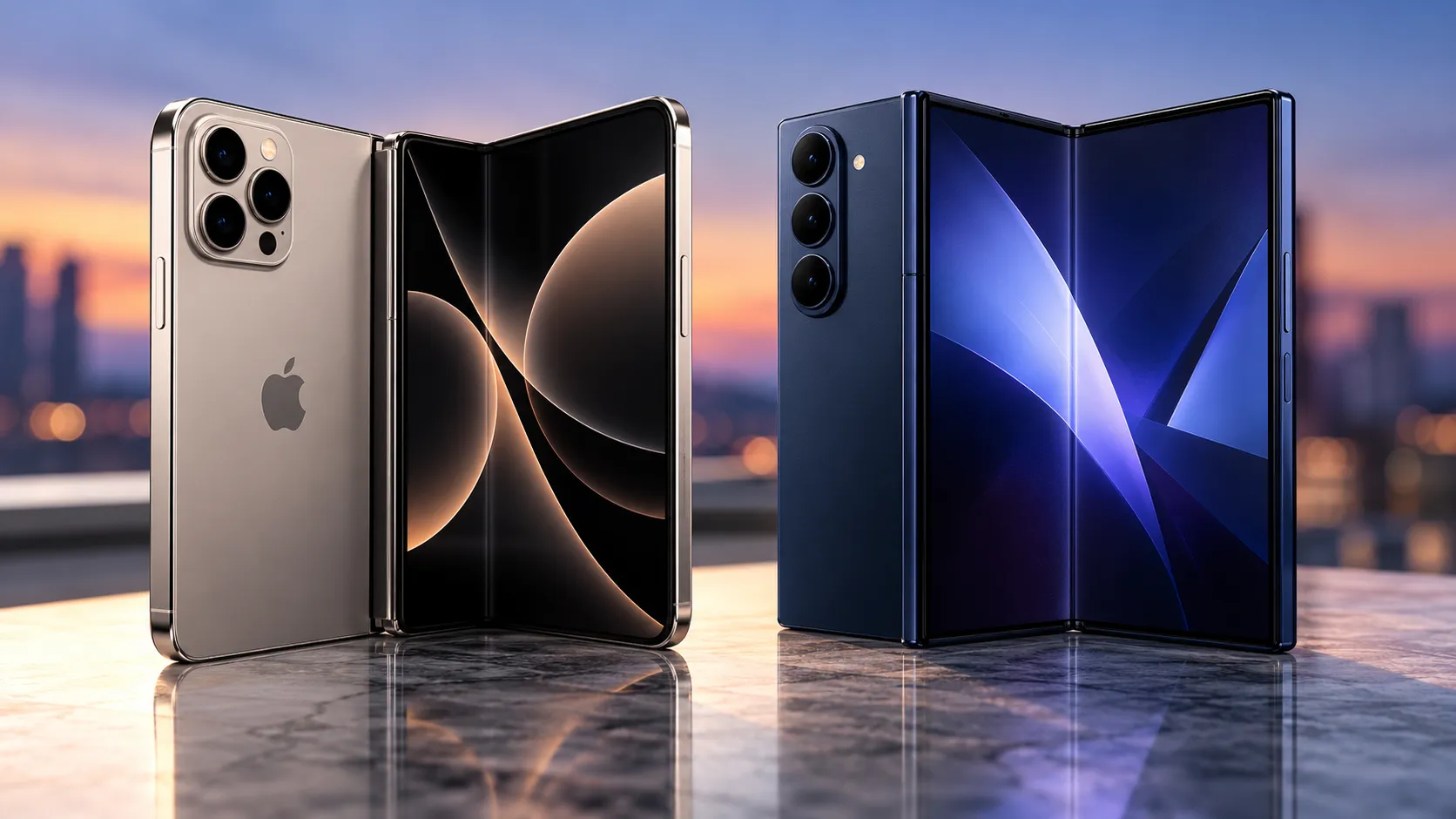
This naming confusion also intersects with Samsung's foldable portfolio. If the Galaxy Z Fold captures users who want maximum screen real estate in a pocketable form factor, the mid-tier flagship might need to shift toward form factor innovation (Edge's ultra-slim design) rather than size scaling (Plus's bigger screen) to avoid internal cannibalization. Why buy a Plus for its larger display when a Z Fold offers even more screen area with added flexibility?
Samsung's experience with the Galaxy S25 Edge—which apparently had fewer hardware limitations than Apple's comparable offering, according to ZDNET—might give them confidence to pursue this strategy more aggressively. The "Edge" branding emphasizes form factor as a key differentiator, while "Plus" has traditionally meant "bigger screen, same features." Which approach wins could determine Samsung's flagship strategy for years to come.
Galaxy Buds get a makeover: What's new with the audio lineup
Samsung's audio ecosystem is also getting refreshed, with the Galaxy Buds 4 series expected to debut alongside the phones. Development of these new earbuds was first spotted in September through codename strings found in One UI 8.5 leaks, according to SamMobile reporting cited by ZDNET. The physical design appears to be getting a significant overhaul, with leaked renders showing a flat stem design and a new wire grille element on the side, per Android Authority images analyzed by ZDNET.
The redesign represents a notable departure from Samsung's previous approach. The move to flat stems fundamentally changes the center of gravity compared to the bean-shaped Buds 2 design, which should reduce the torque that caused earlier models to work loose during running or vigorous head movements. Apple's ergonomic research proved that vertical stems provide better leverage for touch controls and more stable fit during movement, and Samsung is essentially acknowledging that design advantage while adding their own refinements—that wire grille detail likely serves pressure equalization purposes to prevent the "plugged ear" sensation that sealed in-ear designs can create.
The Buds 4 launch raises strategic questions about which existing models might be phased out. Samsung's current audio lineup includes multiple overlapping tiers: the premium Buds 3 Pro, standard Buds 3, specialized Buds FE, and lingering inventory of Buds 2 Pro. Historically, Samsung has maintained multiple generations in market simultaneously, but streamlining to make the Buds 4 and 4 Pro the clear flagship options would improve product clarity at retail. You'd likely see the Buds 2 Pro receive aggressive discounting as retailers clear inventory—potentially dropping to $149 or below, making them compelling value versus $249 Buds 4 Pro if you don't need the latest features or updated design.
What we don't know yet is what audio improvements or new features these redesigned buds will bring to the table, as ZDNET notes. Given the competitive pressure from Apple's AirPods lineup and the growing number of premium Android-compatible options from Sony, Bose, and others, Samsung needs to deliver more than just a cosmetic refresh to justify premium pricing. Galaxy ecosystem integration could be the differentiator here—imagine pass-through audio that automatically pauses when SmartThings detects your doorbell ringing, or improved voice isolation during calls that leverages the stem design's additional microphone placement options.
Software updates and the AI integration push
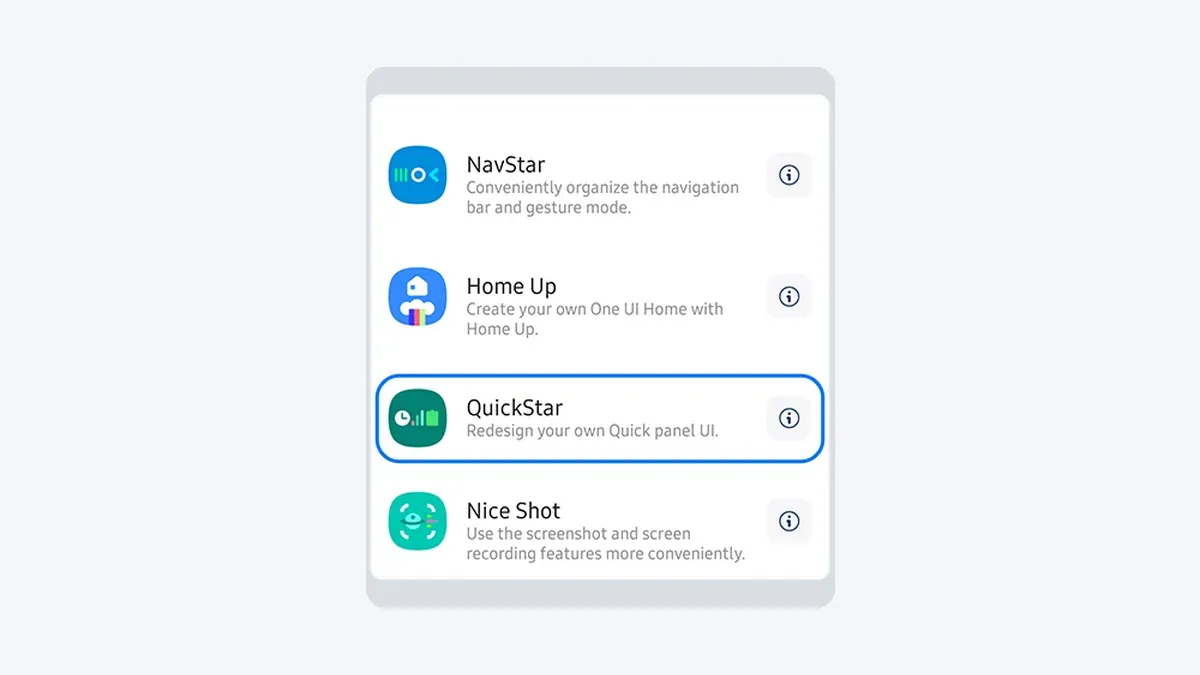
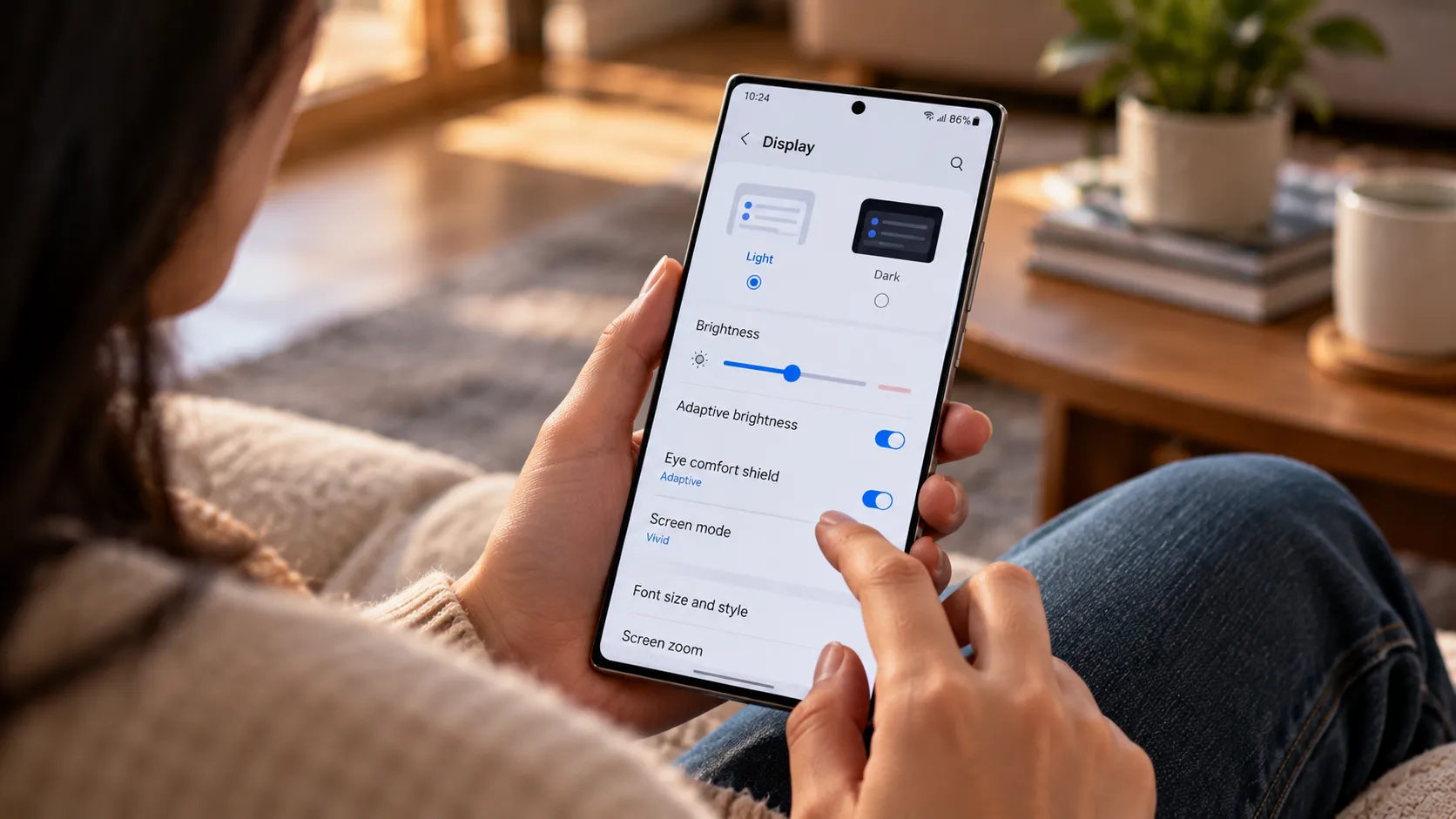
Beyond hardware, Samsung is preparing to roll out One UI 8.5 at the February event. This software update has been available in beta since December, according to ZDNET, giving us a preview of what's coming. The stable release is expected to include an expanded dark theme, upgraded Home Up support, and lockscreen widget functionality, per ZDNET's analysis.
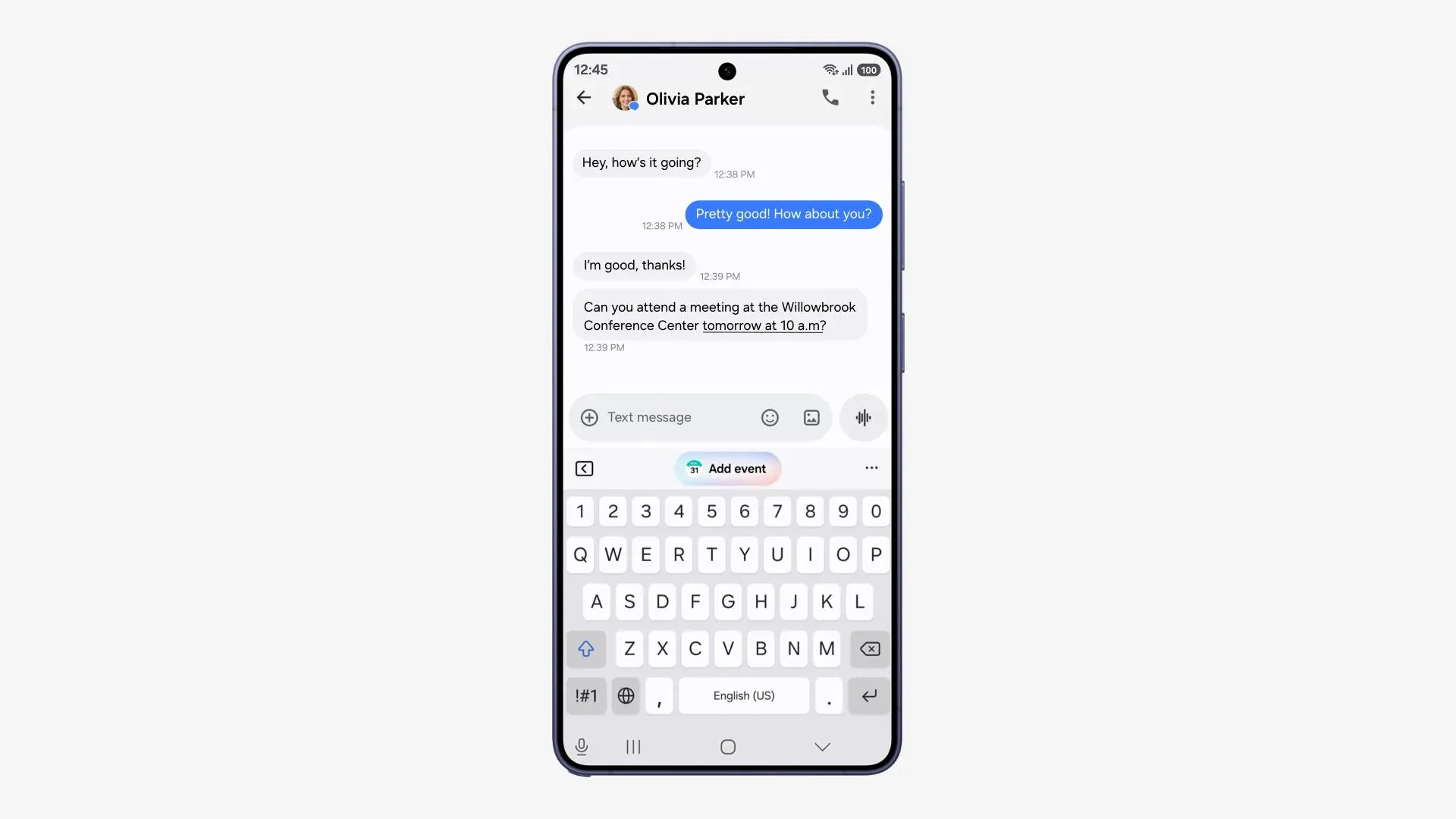
More significantly, Samsung is implementing its version of notification summarization features, according to ZDNET, along with other AI-powered capabilities that lean heavily on the improved NPU performance in the new chipsets. Here's the bottom line: Samsung's notification summarization could potentially avoid Apple's embarrassing missteps with false emergency alerts. The technical approach matters here—Samsung's implementation reportedly uses on-device processing with dual AI models: one generates the summary while a second validation model compares the summary against original text using semantic similarity scoring, only displaying summaries that exceed 95% accuracy thresholds. This redundancy catches hallucinations before users see them, though it requires the NPU horsepower that makes the Exynos 2600's performance advantage crucial.
The beta version has already shown some practical improvements. You'll be able to resize folders and enjoy better inter-device connectivity, as noted by ZDNET, which should make managing your digital ecosystem smoother. These might sound like minor tweaks, but they're the kind of quality-of-life improvements that actually matter in daily use—being able to customize folder sizes means less scrolling on your home screen, and improved device connectivity means your Galaxy Watch, Buds, and phone stay in sync more reliably.
The Exynos 2600 processor deserves particular attention here. Samsung's in-house chips have historically struggled with thermal management issues—something users haven't been shy about complaining about, as ZDNET points out. Previous Exynos generations would throttle performance during sustained workloads or heat up uncomfortably during gaming sessions, creating a genuine performance gap compared to Snapdragon variants. But the new generation could include an NPU that's approximately 30% faster than Qualcomm's flagship offering, according to Korea Economic Daily as reported by ZDNET.
If Samsung can deliver on that performance claim while solving the heat problems that plagued previous Exynos generations, it would represent a major competitive advantage—especially for AI workloads that are increasingly running on-device rather than in the cloud. That 30% NPU advantage also translates to power efficiency: AI features process faster using less energy, meaning notification summaries, voice assistant responses, and image generation consume roughly 20% less battery than equivalent Snapdragon processing. That's the difference between all-day AI availability and afternoon battery anxiety when you're leaning heavily on these features.
PRO TIP: The NPU performance boost will be most noticeable in real-time AI features like live translation, voice-to-text transcription, and photo editing suggestions. If you regularly use Galaxy AI features, the speed improvement means these capabilities become more practical for everyday use rather than occasional novelties—think instant translation during international calls rather than noticeable lag that disrupts conversation flow.
Samsung has also teased a new privacy feature in recent videos that could protect on-screen information from prying eyes, as noted by ZDNET, though details remain scarce. This kind of visual privacy technology could become a major differentiator if implemented effectively—imagine being able to check sensitive emails on public transportation without worrying about the person next to you reading over your shoulder.
What's next for Samsung's wearable ambitions?
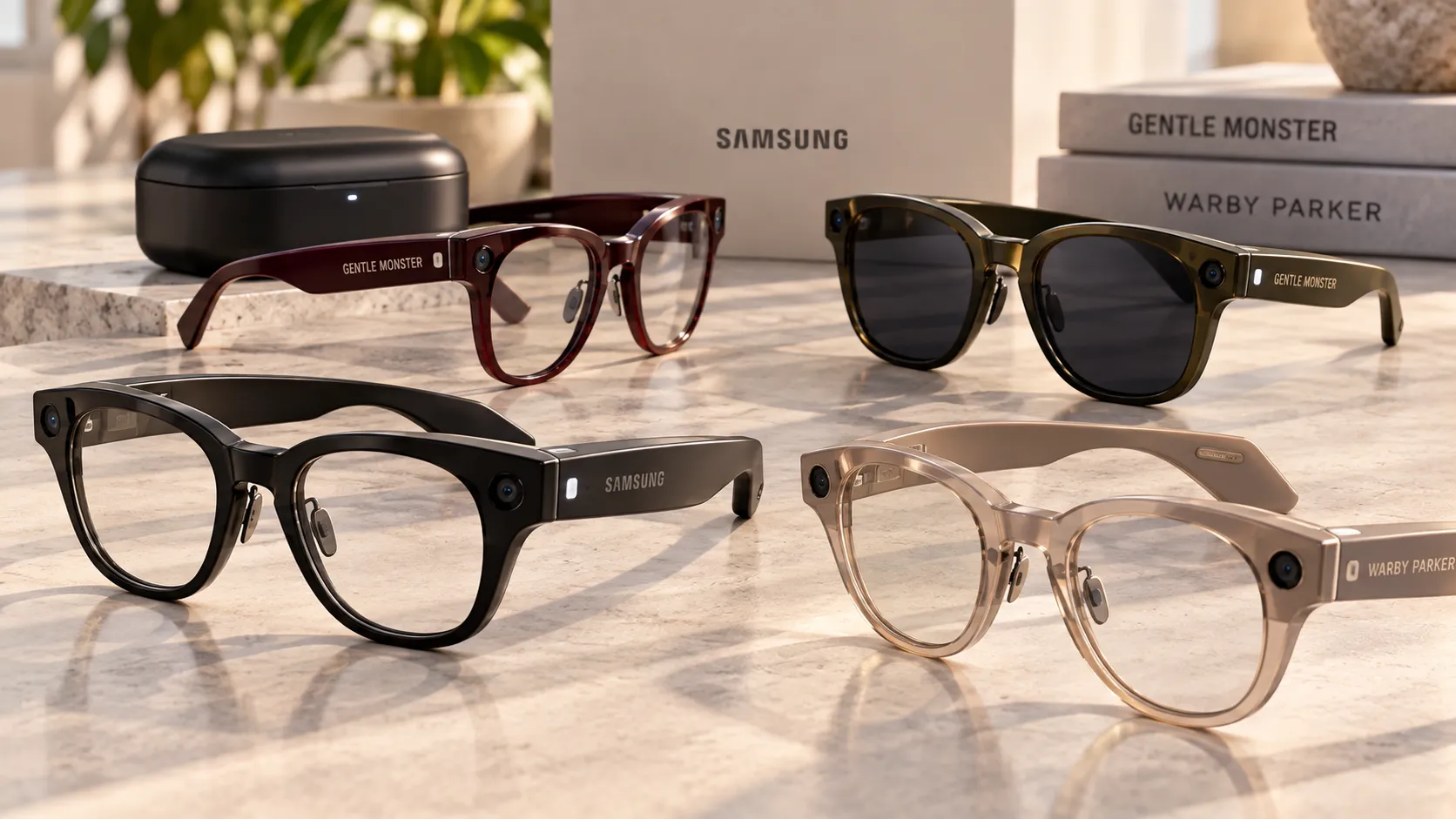
The wildcard in Samsung's Unpacked lineup might be smart glasses. While a full product launch seems unlikely, Samsung could offer a preview or teaser of its AI-powered eyewear developed in partnership with Gentle Monster and Warby Parker, according to ZDNET. This would position Samsung as a direct competitor to Meta's Ray-Ban collaboration, per ZDNET, in what's shaping up to be the next major battleground for wearable technology.
Samsung's potential smart glasses preview represents the missing link in its Galaxy ecosystem—a device that could handle notification triage during meetings where checking phones appears rude, provide turn-by-turn navigation while cycling when watches are too small to read comfortably, and enable hands-free photography during activities like cooking or repairs. These are scenarios where Galaxy Watch's small screen and phone's attention demands create genuine friction in user experience.
The partnerships matter more than you might think. Gentle Monster brings fashion-forward design expertise that helped Meta's Ray-Bans avoid the "tech glasses" stigma that killed Google Glass—their Korean streetwear aesthetic appeals to younger demographics Samsung struggles to capture with traditional Galaxy marketing. Warby Parker provides US retail distribution infrastructure and prescription lens integration, solving the accessibility problem that prevents mainstream adoption: if smart glasses can't be your primary eyewear, adoption stalls regardless of features. Most people won't carry two pairs of glasses, which means smart glasses need to work as everyday prescription eyewear first and tech device second.
The timing here is interesting. Smart glasses have been "the next big thing" for years now, but they're finally starting to gain real traction with consumers beyond early adopters. Meta's partnership with Ray-Ban has shown there's genuine appetite for stylish, functional eyewear that doesn't scream "I'm wearing tech on my face," and Samsung bringing comparable fashion credibility to the table suggests they understand that design matters just as much as functionality in this category.
The timing of the February 25 event is also strategic—it falls just before Mobile World Congress, as ZDNET points out, giving Samsung a chance to dominate the news cycle before competitors make their own announcements. MWC attendees—mobile carriers, enterprise buyers, and tech journalists—provide different feedback than consumer reactions focused on style and price. Unlike the January events Samsung held the previous two years, this later timing pushes the actual retail availability into early March, according to ZDNET's analysis, which might help with supply chain management but also gives competitors more time to prepare counter-programming.
What's vanishing: The products Samsung might be retiring
While Samsung focuses attention on shiny new releases, the company's portfolio pruning strategy might be just as revealing about where they see the mobile market heading. The Plus versus Edge naming confusion we discussed earlier isn't just about branding—it likely signals the death of the traditional Plus model as we've known it. Samsung has used the Plus designation since the Galaxy S6 era to mean "same features, bigger battery, larger screen," but if the Edge takes that market position, it represents a fundamental shift in how Samsung defines mid-tier flagships. Form factor innovation becomes the differentiator rather than simple size scaling.
The wearables portfolio faces equally aggressive pruning. The Galaxy Watch 5 series, which launched in 2022, will likely see official discontinuation coinciding with the S26 launch—Samsung typically maintains only two active Watch generations to avoid retail confusion between Watch 6, Watch 7, and Watch FE models competing for the same customers. More significantly, the Galaxy Watch Classic's future looks uncertain: its rotating bezel interface, once a Samsung signature that distinguished their watches from Apple's digital crown approach, hasn't appeared in new models since the Watch 4 Classic. This suggests Samsung is consolidating around industry-standard interfaces that simplify UI development across their wearable portfolio rather than maintaining unique interaction paradigms that require separate software support.
For consumers still using the Galaxy Watch 5, this timing matters for software support considerations. Samsung typically provides four years of major updates from launch, meaning 2022 models face end-of-support in 2026—the S26 launch timing suggests Samsung is actively encouraging Watch 5 owners to upgrade to Watch 7 or FE models with longer support runways ahead of them.
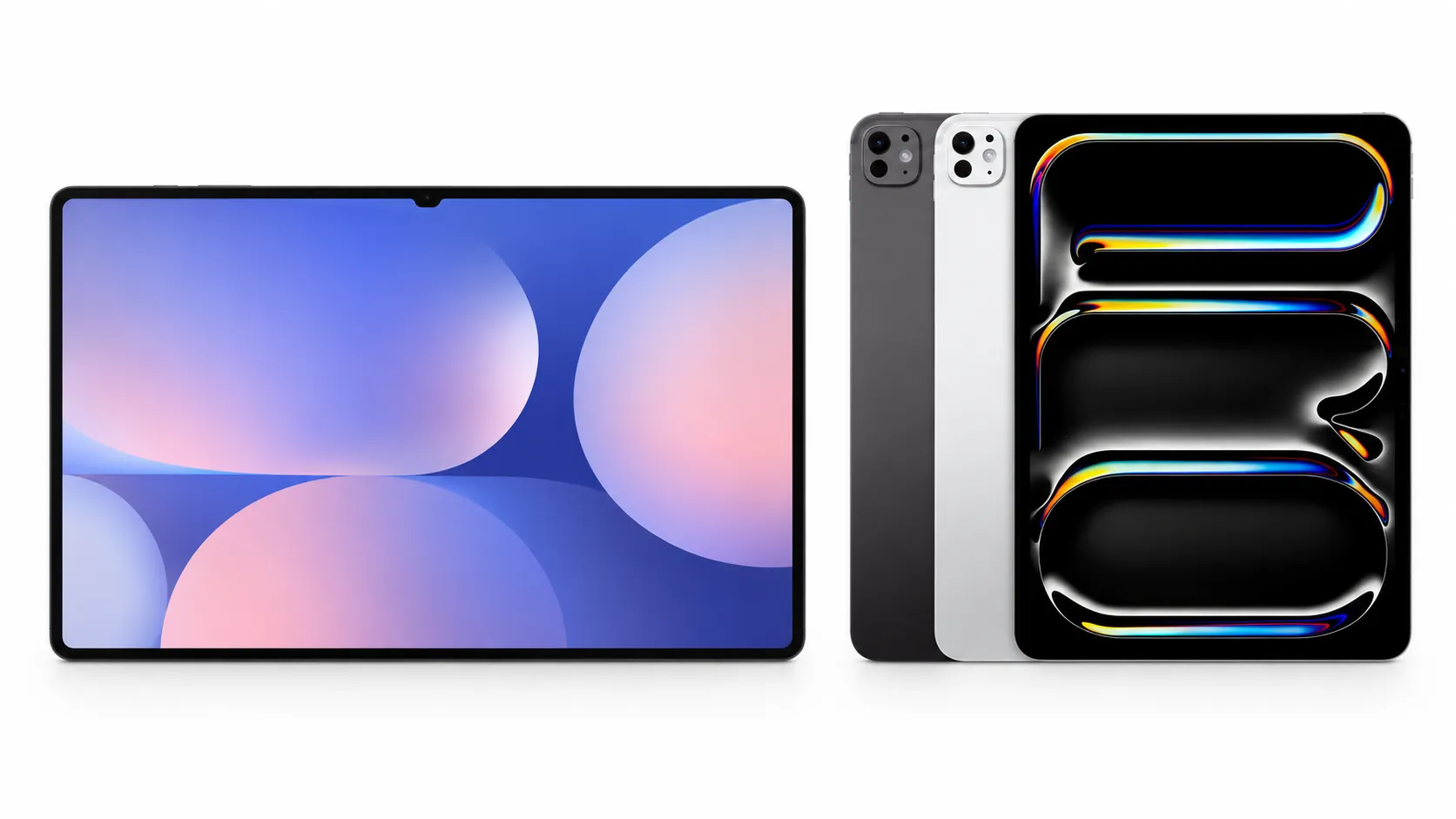
Samsung's tablet lineup also signals quiet consolidation that hasn't gotten much attention. The Galaxy Tab S9 FE series occupies an awkward middle ground between flagship S9 Ultra productivity powerhouse and budget A-series tablets adequate for media consumption. With the S26 launch potentially bringing Tab S10 FE successors, the S9 FE will likely disappear from active marketing while remaining available through clearance channels until inventory depletes. This mirrors Apple's strategy of maintaining only three clear tablet tiers: budget (iPad), mid-range (Air), and pro (Pro)—a simplification that reduces retail confusion and focuses development resources on fewer, more distinct product categories.
The audio lineup faces similar streamlining. The Buds 2 Pro, now approaching three years old, will likely receive its discontinuation notice alongside aggressive retailer discounting. You might see them drop to $149 or below as Samsung clears inventory to make shelf space for Buds 4 models, creating strategic buying opportunities for budget-conscious consumers who don't need the latest stem design or cutting-edge features. The Buds FE, Samsung's attempt at an affordable true wireless option, has never gained significant market traction and might quietly disappear without direct replacement—Samsung seems content letting the previous-generation flagship models serve that value segment through price reductions rather than maintaining a separate "affordable" SKU.
This portfolio pruning reflects Samsung's response to economic pressures squeezing mid-tier products across the industry. Component costs for premium features—high-refresh displays, advanced camera sensors, fast charging technology—have dropped enough that flagship-adjacent devices like the potential S26 Edge can offer compelling specs at Plus-model pricing, eliminating the value proposition of maintaining separate "affordable flagship" tiers. When a $900 phone delivers 90% of a $1,300 Ultra's capabilities, maintaining a $750 option that delivers 85% of those capabilities stops making strategic sense.
The discontinuations also free up marketing budget that's become increasingly valuable as consumer attention fragments across platforms. Rather than spreading promotional spending across eight active phone models plus tablets, watches, and multiple earbuds generations, Samsung can concentrate resources on three clear S26 variants plus Z Fold/Flip foldables—a focused strategy that mirrors Apple's streamlined iPhone lineup and acknowledges that consumer attention is finite. Better to dominate conversation around fewer products than compete against yourself for mind share.
For consumers, these discontinuations create both opportunities and potential frustrations. Those strategic discounts on outgoing models offer genuine value if you don't need cutting-edge specs—a $400 Galaxy Watch 5 that was $499 at launch still delivers excellent health tracking and notification handling for users who don't need the Watch 7's latest sensors. Conversely, anyone investing in Samsung's ecosystem should consider support timelines: buying a Watch 5 now means you're purchasing a device already approaching end-of-support, while spending extra for a Watch 7 buys you years of additional software updates and feature improvements.
Bottom line: Samsung is making some bold moves with this launch, potentially retiring familiar product names and introducing new form factors while pushing harder on AI integration and ecosystem connectivity. The success of these changes will depend not just on the hardware specs—which look competitive—but on whether Samsung can articulate a compelling vision for why you need these particular devices in your life. The vanishing act of certain Galaxy products might be just as telling as what's being unveiled, signaling where Samsung sees the mobile market heading and which battles it's choosing to fight. What's clear is that this Unpacked event won't just be about incremental upgrades—it's about Samsung reshaping its entire product strategy for the next era of mobile computing, with some longtime favorites falling by the wayside to make room for that evolution.


Comments
Be the first, drop a comment!