



Samsung teases wider foldable with squarer inner display
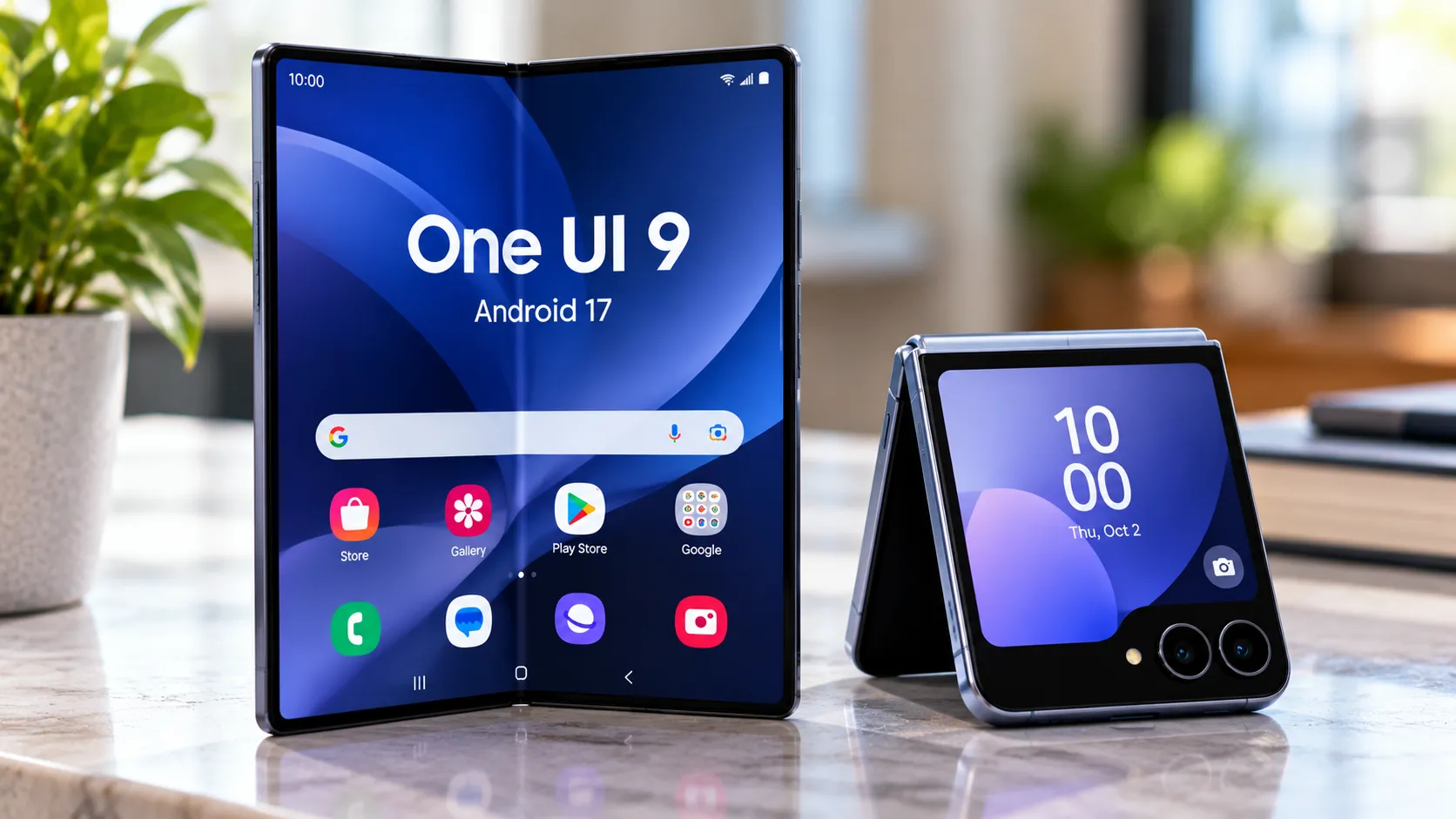
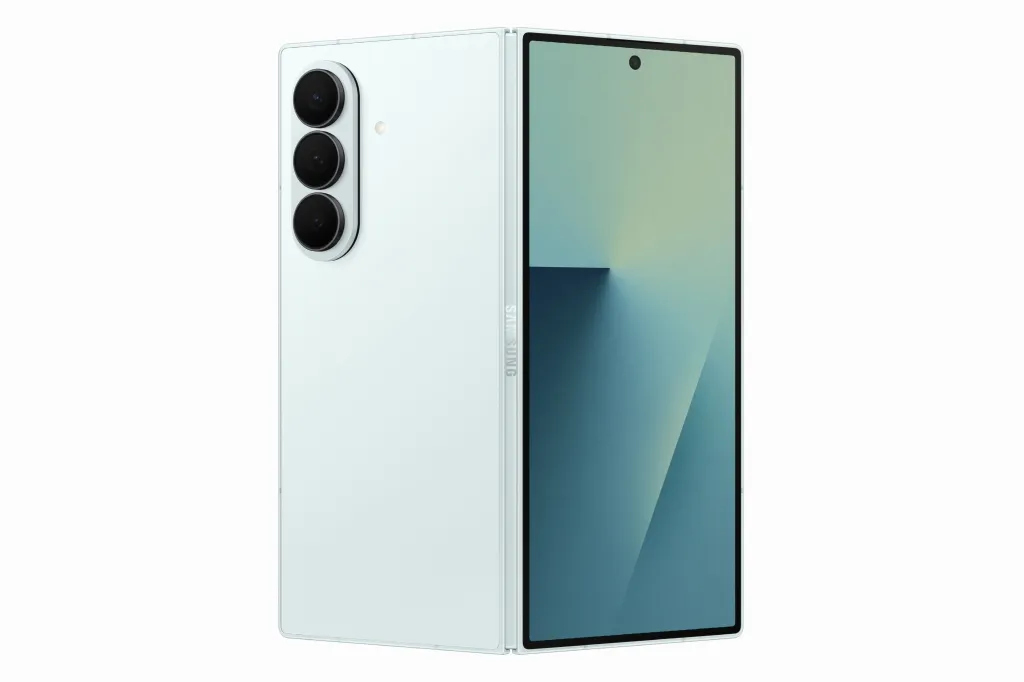
Samsung has published teaser imagery showing a book-style foldable device with a visibly wider unfolded profile than its current Fold lineup. No display dimensions, pricing, product name, or launch date have been confirmed. What the imagery establishes is a visual direction. What remains unconfirmed is everything else.
The teaser is promotional material. This article reports what it shows, distinguishes that from what it implies, and is explicit about where the line sits.
What Samsung published
The teaser, released through Samsung's official channels, depicts a book-fold device whose unfolded proportions sit noticeably closer to square than the current Fold lineup's inner display. That observation is a visual inference drawn from marketing imagery designed for impression, not precision measurement. Samsung has not confirmed dimensions, aspect ratio, or any other specification.
No launch event, announcement date, or product name has been attached to the teaser. The proportional shift is visible. The hardware reality behind it is not yet on the record.
Why the proportions are the story
The significance of a wider inner display isn't cosmetic. An inner display that opens closer to square changes how the device handles the tasks that distinguish a foldable from a phone: running two apps side by side with enough column width to be legible, rendering document formats that are proportioned closer to landscape than portrait, and playing widescreen video without letterboxing consuming a substantial portion of the screen. These aren't niche use cases. They're the practical justification for the foldable form factor.
A teaser that visually signals a departure from a taller, narrower inner display is worth reporting as a directional shift. It is not confirmation that the final hardware resolves those use cases.
What a squarer display would change in practice
The geometry here is straightforward. Split-screen multitasking divides the inner display into two columns. A taller, narrower inner display gives each column roughly the width of a mid-range phone panel, which is workable but often forces horizontal scrolling or zooming on content designed for wider rendering. A squarer display gives each column more horizontal room to work with.
Document formats follow the same logic. Standard page proportions are wider than a tall portrait rectangle. A display closer to those proportions can render a standard page at a readable scale without requiring the user to scroll or zoom to see the full width. Landscape video benefits for the inverse reason: widescreen content fits a wider display with less dead space above and below the image.
A wider open display also means a wider landscape software keyboard, which reduces the compression that makes typing from the inner screen feel cramped. These are incremental functional differences, not transformations. But they compound across daily use.
None of this can be confirmed from a teaser. The actual display dimensions, which are the only numbers that answer whether the shift is meaningful or marginal, have not been published.
The tradeoffs the teaser doesn't address
A squarer open display comes with a wider closed device. A device that unfolds wider also folds wider, which affects how it sits in a pocket and how it feels in one hand when folded. How much wider the closed form becomes is a number the teaser does not supply, and it's the number that determines whether the improvement to the open display costs something significant in daily portability.
Weight balance is related. A wider panel shifts weight laterally when held open horizontally. The practical feel of holding a wider device in tablet mode without a surface to rest it on depends on how Samsung manages hinge stiffness and overall weight distribution. Neither is knowable from the teaser.
Software adaptation is a slower variable. A new aspect ratio means a new rendering target for apps. A wider inner display is only useful where apps are built to take advantage of the space. How well Samsung's own productivity suite adapts at launch, and how quickly third-party apps follow, will be a clearer signal of whether the hardware change produces a different experience in practice.
Pricing has not been indicated. Whether Samsung positions a wider display as a course correction at the existing price tier or as grounds for a higher one will shape who the device is actually for.
What the confirmed specs need to answer
Two numbers settle the central question the teaser raises: inner display aspect ratio and closed-form width. Together they show whether Samsung has found a way to make the open display meaningfully squarer without making the folded device noticeably harder to carry.
From there, total weight determines how the open display feels in extended use. Crease visibility under normal lighting requires hands-on time. And the depth of day-one software optimization, particularly for split-screen and document work, will show whether the hardware ambition carries through to the layer users actually interact with.
The teaser marks a visible directional shift. How far the final hardware follows it is what the announcement will need to answer.

Comments
Be the first, drop a comment!