



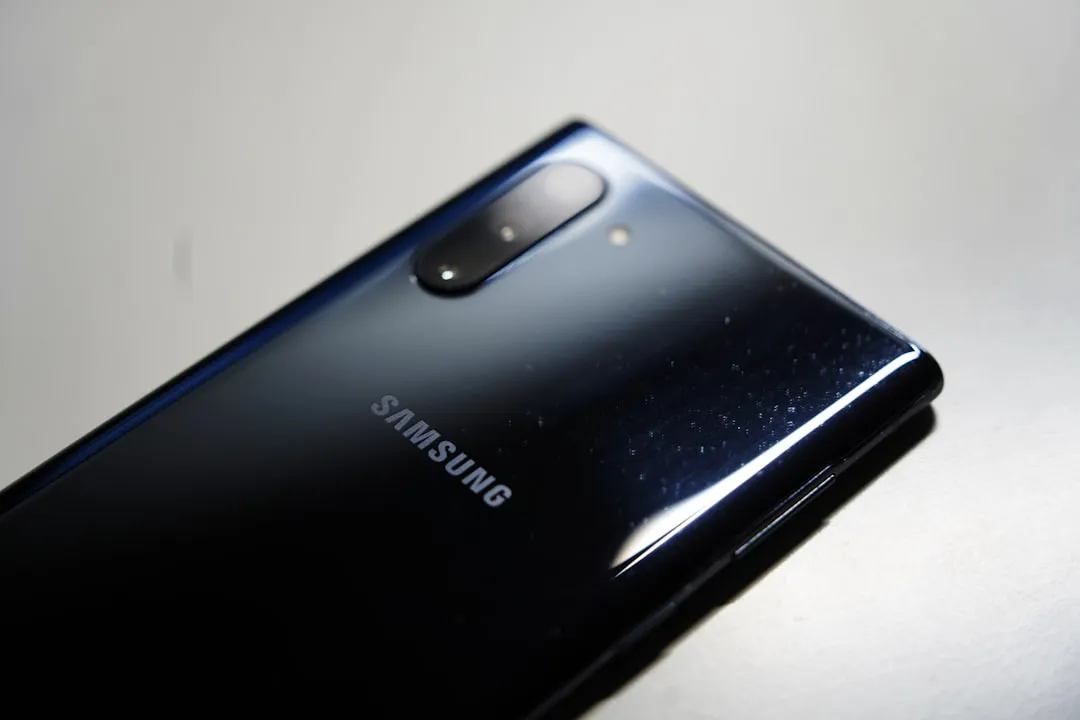
Looking at the Samsung Galaxy Z TriFold, it's clear this device represents a massive leap forward in foldable technology. After spending time with Samsung's latest innovation, I'm struck by how it transforms from an ordinary smartphone into something that genuinely challenges the traditional boundaries between phones and tablets. Let's break down what makes this tri-folding marvel tick, and more importantly, whether it's worth the premium price tag.
The TriFold transforms from a standard 6.5-inch smartphone into a massive 10-inch tablet-like display, weighing in at 309 grams and measuring just 3.9mm thinnest when fully unfolded. It's genuinely impressive engineering that makes you wonder how Samsung managed to pack so much functionality into such a sleek package.
What makes the TriFold a productivity powerhouse?
Here's where things get really interesting. The TriFold isn't just about having a bigger screen - it's about fundamentally reimagining mobile productivity. Samsung has equipped this device with standalone DeX capability, making it the first Samsung phone able to run Samsung DeX directly on its internal 10″ display (on-device DeX) without needing an external monitor. Imagine having a full desktop environment that literally unfolds from your pocket - this isn't just convenient, it's revolutionary.
The 4:3 aspect ratio and 10-inch AMOLED screen make multitasking feel natural in ways that previous foldables couldn't match. You can run three applications simultaneously in full-screen split windows, but here's what's brilliant: each app maintains a standard smartphone aspect ratio, so you're not dealing with awkwardly stretched interfaces. Think managing emails while video conferencing and taking notes - all without the cramped compromise of smaller dual-screen setups.
Performance-wise, Samsung hasn't cut any corners. The customized Snapdragon 8 Elite Mobile Platform for Galaxy handles everything you throw at it, paired with 16GB of RAM and up to 1TB of storage. What's particularly clever is the 5,600mAh three-cell battery system - Samsung distributes power across all three panels for balanced delivery, which means you're not dealing with battery drain hotspots that plagued earlier experimental foldables.
How does Samsung's engineering compare to competitors?
Now here's the thing - Samsung wasn't first to market with tri-fold technology. Huawei's Mate XT beat them to the punch, but Samsung's approach feels more refined in crucial ways while making different strategic compromises.
Samsung's device folds inward with a U-shaped mechanism, which protects the main display when closed - a smart long-term durability choice, even though it means the device is actually millimeters thicker than its Huawei predecessor when folded. You can feel Samsung's decade of foldable experience in the build quality - the titanium hinge housing and Advanced Armor Aluminum frame provide durability without making the device feel overly chunky.
There's one significant limitation compared to the Huawei model: the TriFold only operates in two positions - fully closed or completely open. You can't use it in that intermediate tablet mode that the Mate XT offers. While this limits versatility, it also means Samsung's hinge mechanism is optimized for reliability in its primary use cases rather than compromising durability for flexibility.
But here's what really matters for most users - Samsung's device runs Google services which Huawei lacks. This isn't just about app availability; it's about ecosystem integration that makes the productivity features actually useful in real-world workflows with Gmail, Google Drive, and the thousands of Android apps optimized for larger screens.
Where does the camera system stand?
Samsung hasn't skimped on the photography front either. The TriFold packs a 200-megapixel primary wide-angle camera, 12-megapixel ultrawide, and 10-megapixel telephoto with 3x optical zoom. What's particularly noteworthy is that this mirrors Samsung's flagship Galaxy S25 Ultra camera system - meaning you're getting the same computational photography algorithms, low-light performance, and optical quality that makes the S25 Ultra a photography powerhouse.
The real magic happens when you're reviewing and editing your photos and videos on that expansive 10-inch display. It transforms content creation into something genuinely cinematic, though the larger panel makes resolution differences more noticeable - you'll definitely want to shoot in higher resolutions and appreciate HDR content more than ever. The device also includes dual 10-megapixel front-facing cameras positioned to handle video calls effectively whether you're using the device folded or fully opened.
What are the practical limitations?
Let's be honest about the real-world trade-offs here. Despite its impressive specs, the TriFold faces usability challenges that you need to consider before making the investment. The visible creases appear from most viewing angles except straight-on, and while they're less distracting than earlier foldables, they create visual interruptions during extended content consumption.
More significantly for productivity workflows, the larger screen requires both hands for typing, and you'll likely need a stand for serious productivity work. This fundamentally changes how you interact with the device - you're not casually browsing one-handed like with traditional smartphones, but engaging in more deliberate, desktop-like usage sessions.
The device's 309-gram weight and 12.9mm thickness when folded create a substantial presence in your pocket - manageable, but noticeably heavier than traditional smartphones. Additionally, some software and UI quirks remain, though these are exactly the kind of refinements Samsung typically addresses through over-the-air updates as the platform matures and developers optimize their apps.
Is the premium pricing justified?
Now for the big question - cost. The TriFold commands serious money, with Korean pricing at approximately $3,118 and US pricing expected around $2,000-$3,000. What's particularly telling is that Samsung is reportedly selling the device at a loss, which reveals both the manufacturing complexity involved and Samsung's commitment to establishing this category.
The device is already available in Korea, China, Taiwan, Singapore, and the UAE, with US availability planned for the first quarter of 2026. However, availability might be limited since Samsung considers this more of a proof of concept, making it potentially difficult to find when it reaches broader markets.
For the right user profile - think mobile professionals who travel frequently, content creators who need portable editing capabilities, or executives who genuinely conduct business from their phones - the pricing starts to make sense. The TriFold represents the first true phone-tablet hybrid capable of replacing both devices without much compromise. If you can genuinely consolidate a $1,200 smartphone and $800 tablet into one $3,000 device that excels at both roles, the premium becomes an investment in workflow efficiency.
The verdict: Future-forward with present limitations
Bottom line: The Samsung Galaxy Z TriFold is a compelling upgrade over bi-fold models and genuinely represents the endgame for foldable technology. The engineering achievements are undeniable - from the sophisticated dual-hinge mechanism to the seamless DeX integration that transforms your pocket computer into a legitimate laptop replacement.
Is it perfect? Absolutely not. The creases are still visible, it's heavier than ideal, and you'll need to adjust your usage patterns around its unique form factor. But for power users who prioritize productivity above all else and have the budget to match, the TriFold delivers on its ambitious promises in ways that previous foldables simply couldn't approach.
For mainstream users, my advice is to wait. This technology will continue maturing, prices will become more accessible, and Samsung will undoubtedly refine the experience based on real-world feedback from early adopters. But if you're someone who lives on their mobile device and genuinely needs that laptop-class productivity in your pocket, the TriFold represents the most compelling foldable yet created.
The future of mobile computing is literally unfolding before our eyes, and Samsung's TriFold gives us our clearest glimpse yet of where we're headed - toward devices that don't just bridge the gap between phones and tablets, but eliminate it entirely.

Comments
Be the first, drop a comment!