



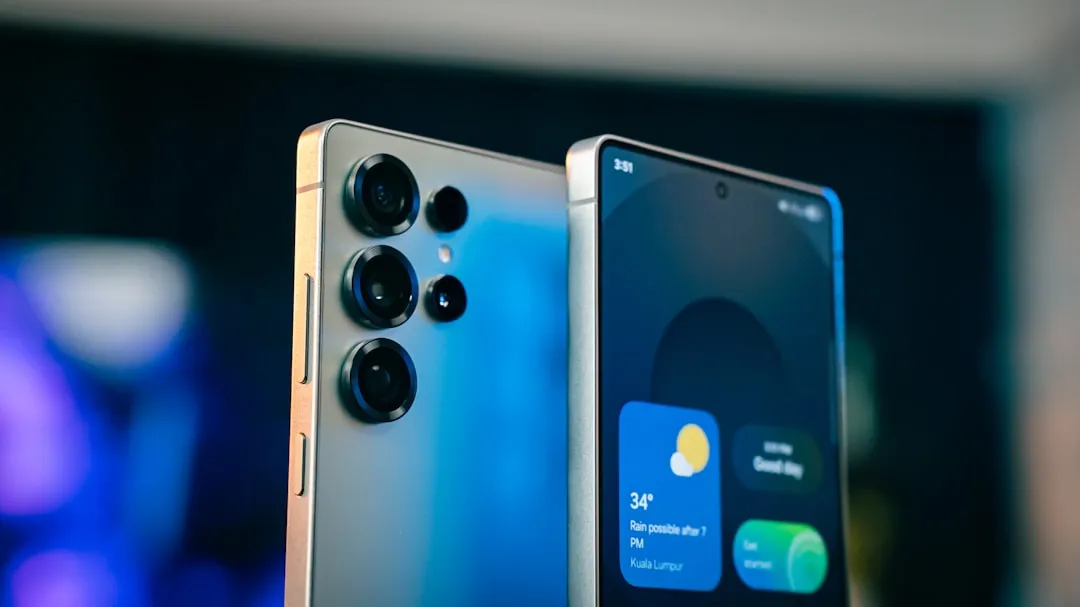
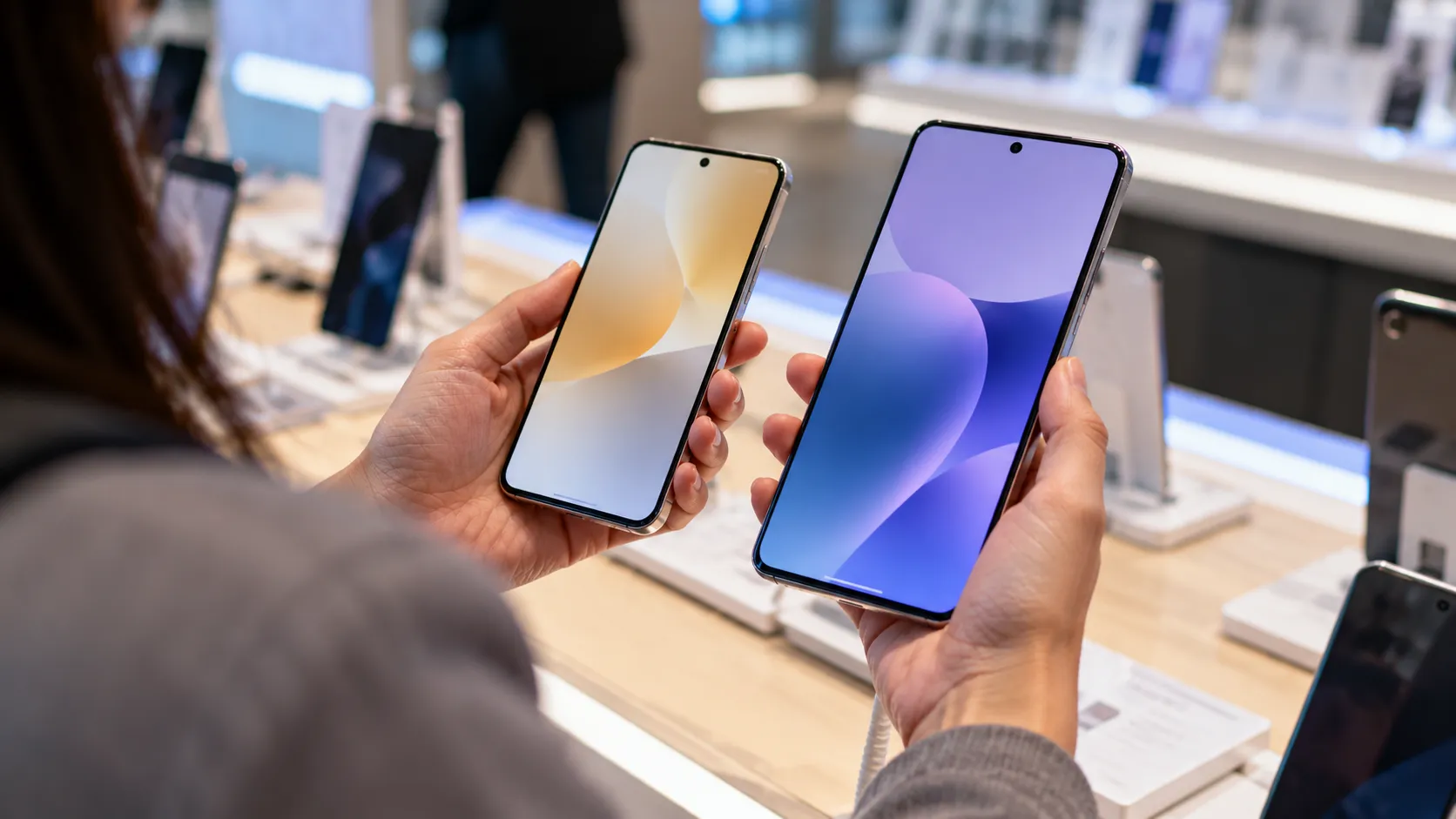
Samsung's mobile division is reportedly exploring BOE as a possible OLED supplier for the standard Galaxy S27, after ZDNet Korea reported on May 11, 2026, that Samsung had sent BOE a request for information related to the model's display. If it happens, it would be a first for Samsung's Galaxy S line: ZDNet Korea reports that BOE has received Galaxy S-series OLED RFIs before, but has not yet secured final supply. The base S27 may also stick with an older OLED material stack rather than inheriting Samsung Display's newer M14-generation technology, though the final retail panel specifications remain unconfirmed. That would put two display variables on the same device: supplier choice and OLED material generation.
The claim originates with SigmaIntel and has not been confirmed by Samsung, Samsung Display, or BOE. This piece treats it as a credible reported scenario, not a settled fact, and holds that distinction throughout.
What the reported Samsung Galaxy S27 BOE display combination could mean for buyers
Samsung and LG are regarded as producing superior and more technically advanced OLED screens than BOE, as noted by PhoneArena. What that gap means in practice is less clear: the supplied reporting does not detail specific performance differences between BOE panels and Samsung Display panels, and whether Samsung's own calibration processes could narrow any perceptible difference remains an open question. What PhoneArena and Android Authority's coverage establishes is the concern: a BOE-sourced panel could create quality-consistency questions if Samsung dual-sources the base S27 display.
The OLED material question adds a separate layer of concern. In September 2025 reporting that cited ET News, Android Police said Samsung's M14 material set was expected for the Galaxy S26 Ultra and could improve brightness, power efficiency, and lifespan compared with M13. The S26 Ultra also received CoE (Color-filter-on-encapsulation) technology, which replaces the traditional polarizer by building the color filter directly into the encapsulation layer, slimming the screen stack, sharpening colors, and reducing glare, Android Police reported. Both the S26 Pro and S26 Edge are rumored to have skipped M14 and CoE entirely, staying with M13.
The base S27 reportedly continuing with M13 would already place it a generation behind the Ultra on emitter chemistry. Sourcing that panel from BOE rather than Samsung Display introduces a second, distinct variable. One concerns the OLED materials themselves; the other concerns panel manufacturing capability. The combination defines the lower end of what the base S27 display could plausibly deliver, though the practical impact on buyers will depend on factors current reporting does not resolve: whether Samsung applies its own quality controls to BOE-sourced panels, and whether BOE supply is limited to certain regional markets or spans the global run.
Why Samsung has a plausible business reason to make this move
The cost pressure driving a potential supplier switch is well-documented. Soaring memory prices have become the single largest source of uncertainty for the smartphone panel market in 2026, TrendForce reported early in March 2026. Memory is among the most expensive components in a smartphone, and brands are pulling back on procurement across the supply chain as a result.
Global smartphone panel shipments are forecast to fall 7.3% year over year in 2026, dropping from approximately 2.31 billion units to 2.14 billion, marking the first annual decline after a multi-year growth cycle. With panel makers competing more aggressively for shrinking order volume, Samsung Electronics could use that dynamic to push for lower prices from its suppliers or credibly threaten to diversify sourcing.
Samsung Display's own president said in March that market conditions were unfavorable due to memory prices and warned that conditions could worsen in the second half of the year as rising costs and geopolitical tensions in the Middle East added further pressure, The Elec reported. The economic environment Samsung is navigating is real. A lower-cost sourcing move on the base S27 display fits that context.
One internal tension complicates the strategy, though. If Samsung Electronics pushes Samsung Display on pricing or shifts meaningful volume to an outside supplier, it risks weakening the display affiliate's margins and its negotiating position with Apple, one of its largest external customers, PhoneArena noted. That constraint makes any supplier shift bounded rather than open-ended, but it does not make it impossible.
Samsung is widening the gap between base and Ultra, and it is not alone
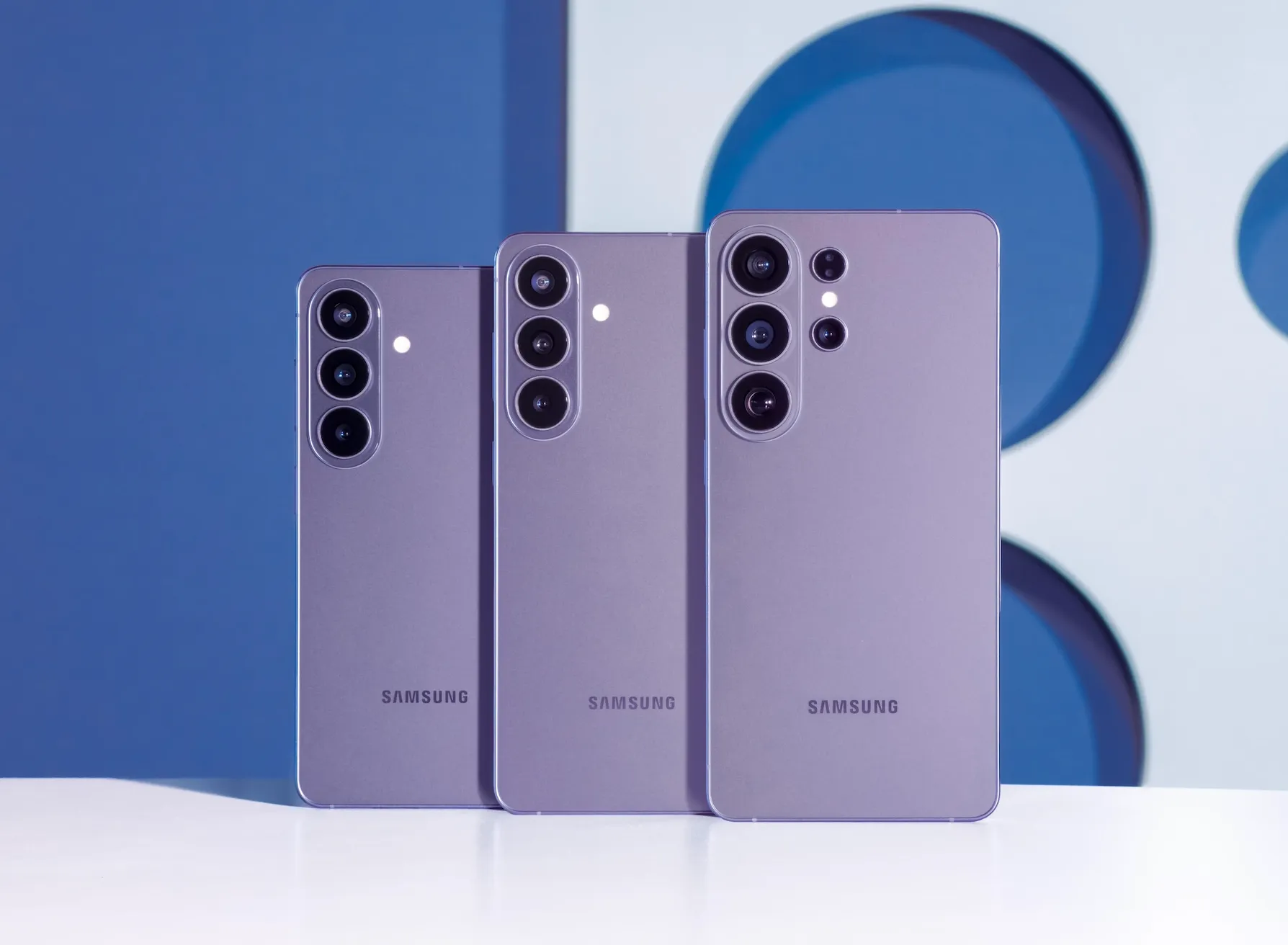
The reported S27 situation extends a pattern Samsung established with the S26. The S26 Pro and S26 Edge are rumored to have stayed on M13 while the Ultra moved to M14 and CoE, Android Police reported in September 2025. If the base S27 continues with M13 and potentially adds a non-Samsung Display source, that is the same stratification taken a step further, not a new direction.
The broader panel market supports the underlying logic. AMOLED's share of smartphone shipments is still growing, projected to reach 43.2% in 2026, up from 41.2% in 2025. But that growth is happening inside a shrinking overall market, where brands are adopting OLED more widely while simultaneously becoming more selective about which tier of OLED goes into which tier of device. More phones are getting OLED. The question is which kind.
Samsung would not be alone in reserving its best display hardware for higher-end models, but the Apple comparison is less central here. The clearer takeaway is that Samsung's own rumored base-versus-Ultra split fits a broader market pattern: OLED adoption is rising, while brands are still concentrating the most advanced panels in premium tiers.
The practical consequence: "Galaxy S" no longer implies a uniform level of display hardware across the lineup. The standard model and the Ultra are becoming meaningfully different products, not just size or feature variants of the same core experience.
What to verify before buying
Three things are worth watching when the S27 ships. First, launch-day teardown reports can identify panel sourcing directly. If BOE components appear, that confirms the reported scenario. If Samsung Display parts appear, the SigmaIntel rumor did not materialize, at least for that regional variant. Second, regional variance matters: BOE panels may supply only certain markets, so checking panel specs by country before purchasing is worth the extra step. Third, independent brightness and power efficiency tests at launch will show whether any gap between the base S27 and Ultra is perceptible in everyday use or confined to spec sheets.
The economic rationale behind a sourcing shift is well-supported by what TrendForce and Samsung Display's own president have said about 2026 conditions. The specific BOE claim remains unconfirmed. Both things can be true at once, and that is exactly the level of certainty buyers should bring to this story until the hardware ships.



Comments
Be the first, drop a comment!