



When Samsung executives mentioned that performance, cameras, and AI will receive the most attention in the Galaxy S26 series, they were setting expectations for something special. The S26 Ultra, expected to launch in 2026, is shaping up to be the kind of camera upgrade that photography enthusiasts have been waiting for—not just through flashy new megapixel counts, but through meaningful improvements that address real-world shooting problems that have plagued Samsung phones for years.
What's actually changing with the camera hardware?
Let's break down what Samsung is doing differently this time around. The S26 Ultra will reportedly stick with the same 200MP ISOCELL HP2 sensor that's powered Samsung's flagships since the S23 Ultra, but here's where it gets interesting—the aperture is reportedly widening from f/1.7 to f/1.4. This might sound like a small change, but it translates to 47% more light entering the camera, which should dramatically improve low-light performance and reduce motion blur.
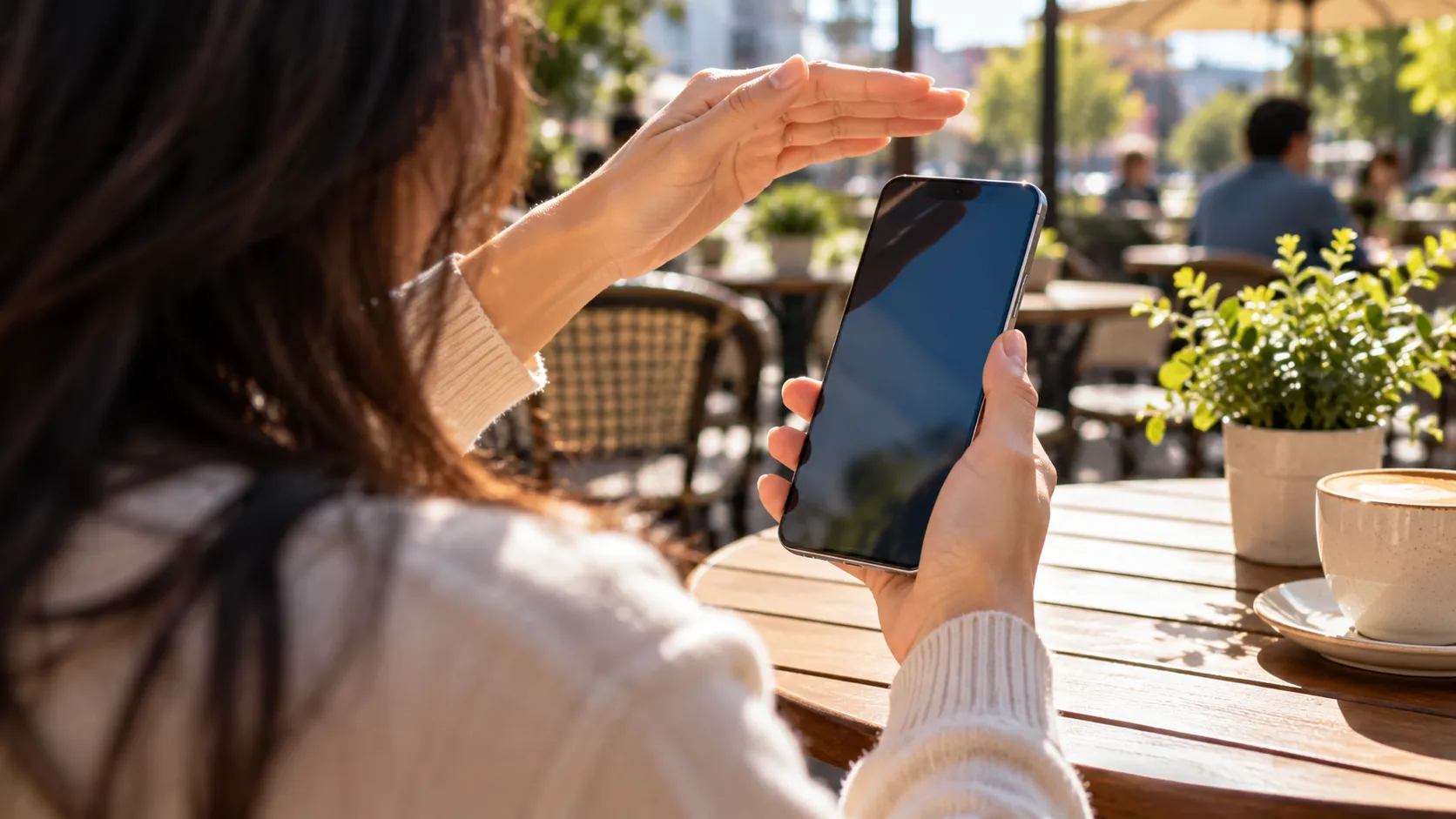
What makes this particularly exciting is how it addresses one of the biggest complaints about Samsung's camera system. The wider aperture should solve motion blur issues found on Galaxy phones by enabling faster shutter speeds. Anyone who's struggled to photograph moving subjects—whether it's kids at a playground or pets in action—will appreciate Samsung finally tackling this persistent issue that has given competitors like the iPhone an edge in real-world shooting scenarios.
The telephoto system is also getting meaningful upgrades, with the rumored 3x lens upgrading from 10MP to 12MP using Samsung's S5K3LD sensor. Meanwhile, the 5x periscope telephoto is moving to f/2.9 for roughly 38% brighter shots, creating a cohesive low-light improvement story across the entire camera array. The complete setup will include a 50MP ultrawide, the upgraded telephoto lenses, and a 12MP Sony IMX874 selfie camera.
Camera Assistant brings pro-level controls to everyone
Here's where Samsung's strategy becomes clear—while the hardware improvements target fundamental photography challenges, the software upgrades provide the advanced controls that enthusiast photographers have been demanding. Samsung's Camera Assistant app is getting several new features that bridge the gap between smartphone convenience and professional camera flexibility.
The app will introduce a 24MP resolution option for both Photo and Portrait modes, sitting perfectly between the current 12MP and 50MP options. This addresses a real usability issue—12MP sometimes lacks detail for cropping, while 50MP creates unnecessarily large files for everyday sharing. The 24MP sweet spot should provide better detail retention without the storage penalty.
The new Adaptive Pixel feature represents Samsung's evolution in computational photography—it reduces noise by combining multiple lower-resolution pictures into one single high-resolution shot. Unlike typical HDR that focuses on exposure, this targets detail and clarity, essentially giving users the benefits of pixel-binning with more control over the process.
For photographers who want manual control, there's a focus speed slider for both picture and video mode, allowing precise control over autofocus behavior—something that separates professional cameras from smartphones.
Video creators get their own advanced tools with APV codec recording, offering two quality options—APV HQ will use up to 1.5GB per minute of footage, while APV LQ requires 750MB, giving flexibility based on project requirements and storage constraints.
What's particularly smart is that these features might also come to older high-end phones like the Galaxy S25 series, showing Samsung's commitment to extending value to existing customers rather than forcing upgrades for software improvements.
Why the design changes matter more than you think
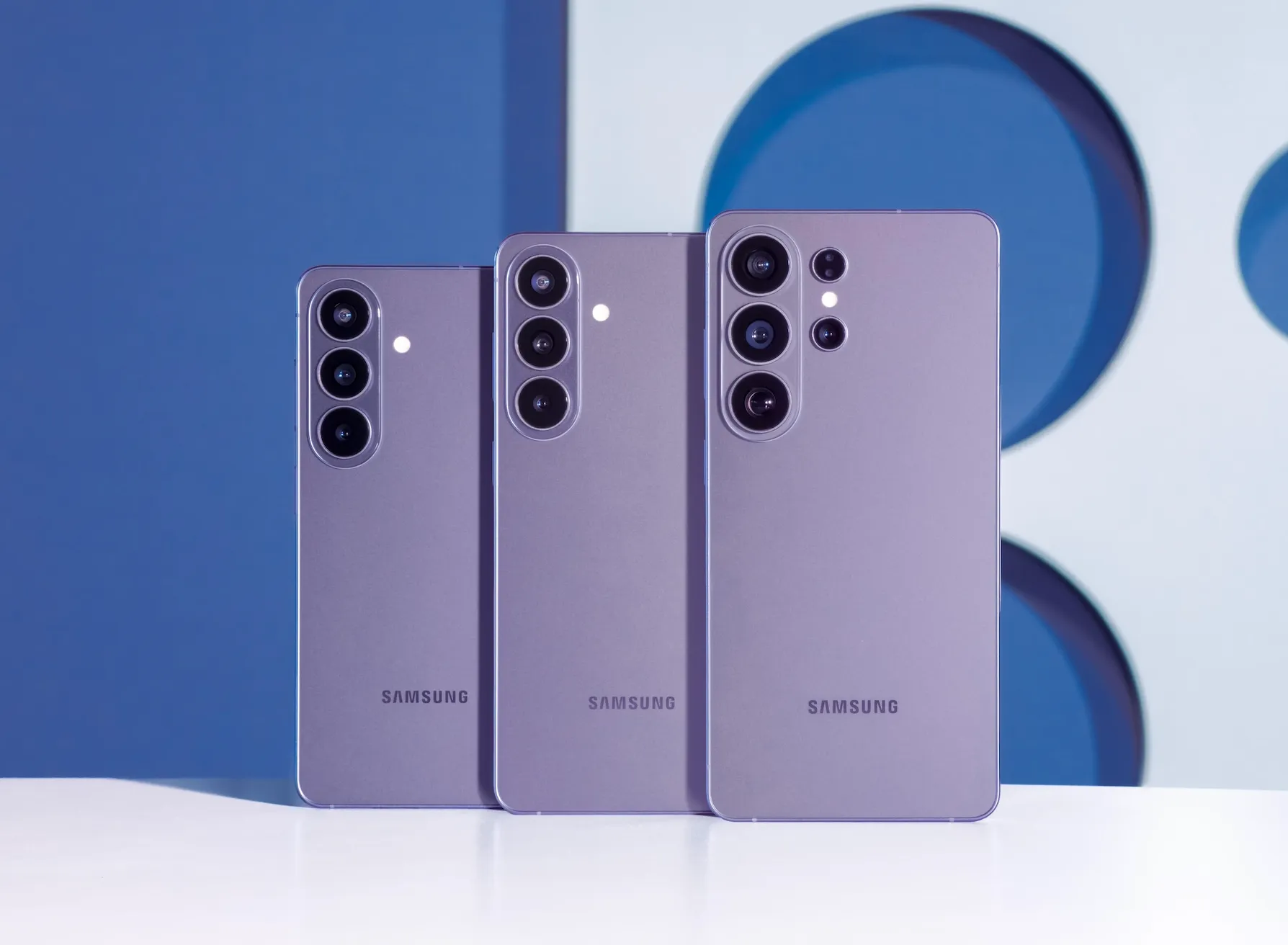
Samsung's design philosophy is a new move in smartphone priorities, and the S26 Ultra embodies this change. The phone will slim down from 8.2mm to 7.9mm, but paradoxically, the camera bump will grow from 2.4mm to roughly 3.7mm. This isn't just about accommodating larger sensors—the primary sensor's f/1.4 aperture needs extra optical depth.
The return to a unified camera island signals Samsung's confidence in prioritizing function over form. Samsung is returning to a unified camera island that houses all rear sensors in one module, and this choice has practical benefits beyond aesthetics. It helps steady the phone on a desk and reduces wobble from isolated lenses, improving stability for long exposures and video recording.
Samsung's messaging around this design change is telling—the company is emphasizing that a big camera signifies big capability, moving away from the "thin at all costs" mentality that has dominated smartphone design. This represents Samsung reading the market correctly—users increasingly prioritize camera performance over incremental thickness reductions, especially in the premium segment where the S26 Ultra competes.
The bigger picture: where Samsung is headed
Samsung's comprehensive approach positions the S26 Ultra as more than just an incremental update. The company is reportedly working on variable aperture functionality, which would be the first time such a feature appeared in a Samsung phone since 2018. This would give users the flexibility to optimize shots for different lighting conditions and depth-of-field preferences, bringing DSLR-like control to smartphone photography.
What makes Samsung's strategy particularly compelling is how it addresses photography pain points across the entire user spectrum. Casual users benefit from better low-light performance and motion blur reduction, while enthusiasts get manual controls and advanced recording options. The hardware improvements solve fundamental physics problems—more light, faster focusing, better stabilization—while the software provides the control that differentiates Samsung from competitors focused purely on computational photography.
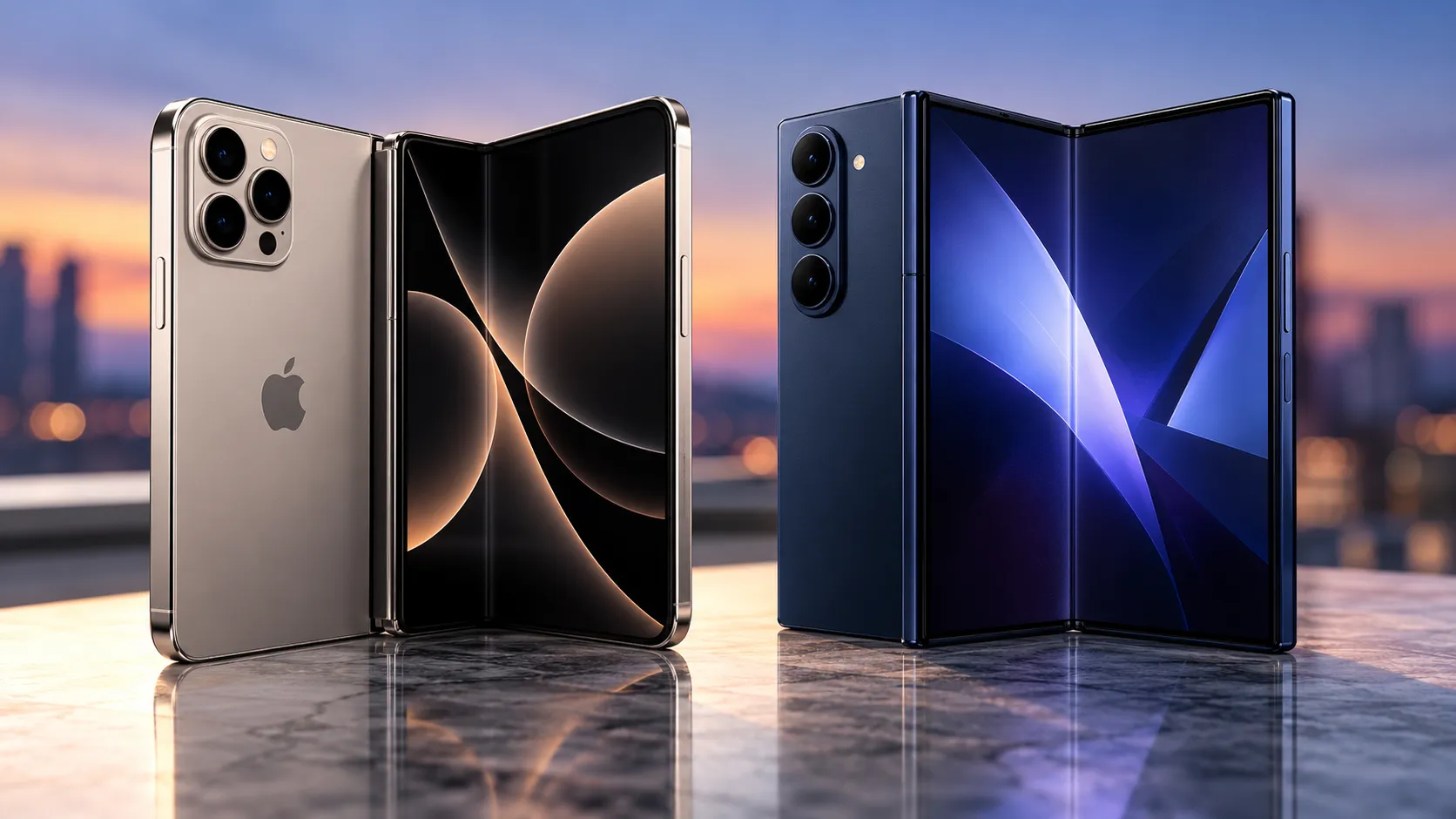
This approach could finally give Samsung the competitive edge needed to challenge Apple's dominance in smartphone photography, particularly among users who want more than point-and-shoot simplicity. Samsung executives have made it clear that cameras will get major attention in this generation, and the combination of meaningful hardware upgrades with professional-level software controls suggests they're delivering on that promise.
Bottom line: the Galaxy S26 Ultra represents Samsung's recognition that smartphone photography excellence requires both physics and software working together. If you've been waiting for Samsung to take mobile photography seriously again—addressing real user complaints while providing advanced controls—the S26 Ultra looks like it could finally deliver the pro-level camera experience that power users have been demanding.



Comments
Be the first, drop a comment!