





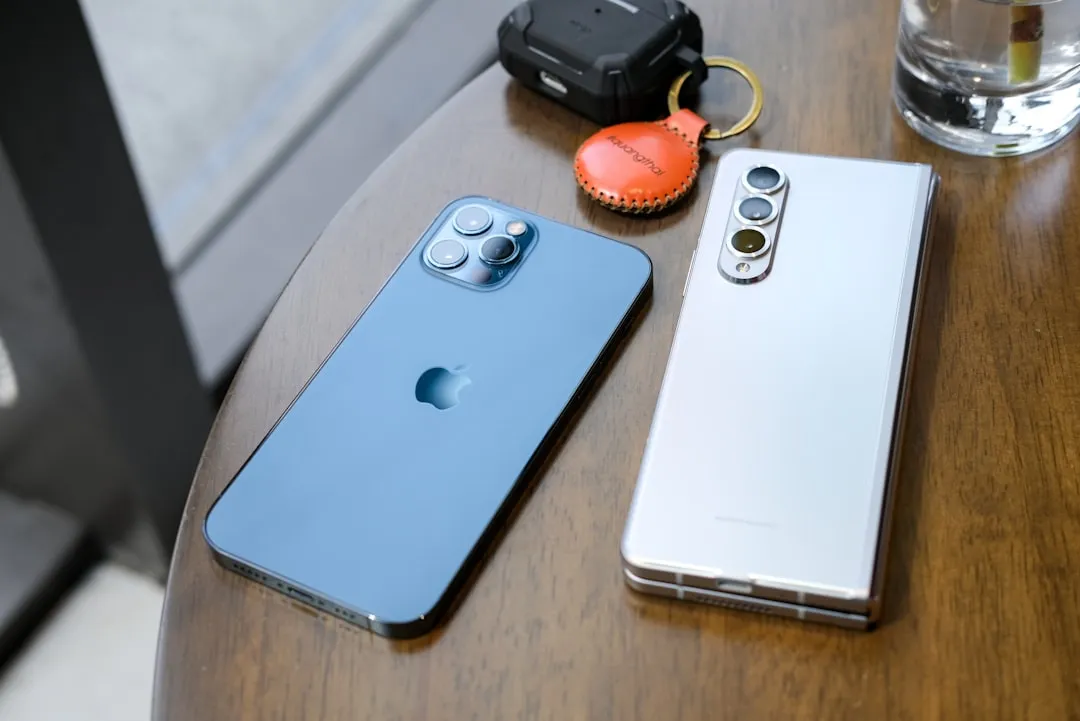
Samsung's Galaxy S25 played it safe with incremental updates across the board, but after nearly a year of using it as my daily driver, I can see exactly where Samsung needs to focus for the S26. Don't get me wrong – the Galaxy S25 held its own as one of the best phones on the market in 2025, even without groundbreaking changes. But here's the thing: Samsung is launching into a much more competitive landscape now, with devices like the iPhone 17 and Google Pixel 10 raising the bar with features like expanded base storage and magnetic charging capabilities.
The timing couldn't be more critical for Samsung to demonstrate they can still lead rather than follow. While the S25's conservative approach maintained market position, the S26 needs to address specific user pain points that have become increasingly obvious during extended daily use – from battery limitations during intensive workflows to the frustrating magnetic charging workaround that requires separate accessories.
Why the Galaxy S26 needs more than incremental updates
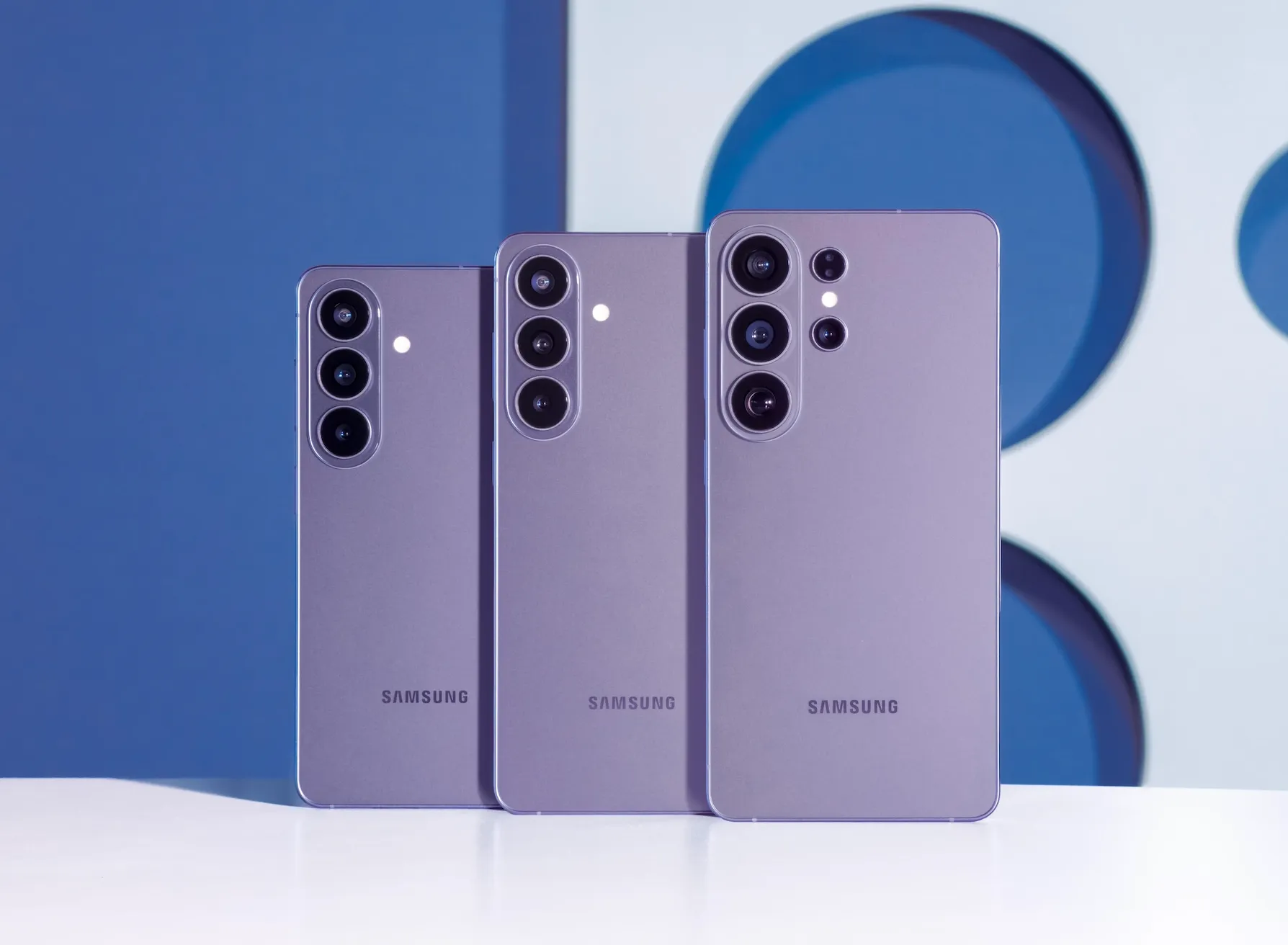
Let's start with what Samsung got right with the S25. The compact design philosophy was genuinely impressive – that 7.2mm thickness paired with just 162 grams of weight and a 6.2-inch screen created one of the most portable flagships I've tested in recent years. It felt premium without being unwieldy, which matters when you're using a device for hours of daily photography and productivity work.
However, early rumors suggest Samsung plans to expand the S26's display to 6.3 inches. While a 0.1-inch increase sounds minimal, this change signals Samsung's recognition that users need more screen real estate for the increasingly complex AI features and multitasking scenarios that define modern smartphone usage.
What's genuinely concerning is how the competition has evolved while Samsung stood still. During my testing period, devices like the OnePlus 15 consistently outlasted the S25 by significant margins – the OnePlus 15 packs a massive 7,300mAh battery that delivers over 25 hours of usage compared to my typical 12-14 hours with the S25 during heavy photography sessions. Even more telling: Samsung's Galaxy S25 Ultra still uses a 5,000mAh capacity – the exact same battery size Samsung offered in the S20 Ultra years ago.
This stagnation becomes obvious during real-world usage. When covering conferences or shooting extended video projects, I found myself reaching for backup batteries or hunting for charging stations far more often than with competing flagships. The market has moved beyond Samsung's battery strategy.
Magnetic charging: The missing piece of the puzzle
Here's something that genuinely frustrated me throughout my year with the Galaxy S25: the misleading "Qi2 Ready" situation. Following Google's implementation of Qi2 technology in the Pixel 10, magnetic charging has become essential for any Android flagship hoping to remain competitive. Samsung's "Qi2 Ready" labeling initially suggested built-in magnetic capabilities, but users quickly discovered this required additional accessories rather than native functionality.
In practice, this meant constantly fumbling with wireless charging pad placement during workflow transitions, something that never happened with MagSafe-equipped devices I tested alongside the S25. The frustration intensifies when you're trying to maintain charging while using the phone for navigation or video calls – scenarios where magnetic alignment would eliminate the constant positioning adjustments.
Samsung's recent move to launch their own line of Qi2 magnetic chargers demonstrates they understand this technology's importance. But why force users to purchase additional accessories when the Galaxy S26 could potentially feature wireless charging capabilities that rival iPhone's MagSafe system? True built-in magnetic charging would transform how users interact with charging stations, car mounts, and desktop workflows – eliminating the positioning guesswork that currently interrupts productivity.
Camera hardware desperately needs modernization
The camera situation represents Samsung's most glaring oversight. The Galaxy S25's imaging setup feels surprisingly dated, with core hardware components traceable back to the Galaxy S22 generation. During side-by-side testing with newer competitors, this three-generation hardware recycling became obvious in challenging scenarios like mixed lighting conditions and rapid subject tracking.
The current configuration includes a 50MP primary sensor, 12MP ultrawide with 120-degree coverage, and 10MP 3x telephoto lens. While these specs perform adequately in ideal conditions, extended testing revealed limitations that newer sensor technology has largely solved – particularly in low-light environments where grain becomes noticeable and autofocus hunting increases significantly.
The encouraging news centers on substantial hardware improvements for the S26 generation. Recent leaks suggest the S26 Ultra may benefit from a wider f/1.4 aperture on its 200MP main camera, compared to the S25 Ultra's f/1.7 opening. This represents a meaningful leap in light-gathering capability – approximately 47% more light reaching the sensor, which should translate to dramatically cleaner night photography and better overall image quality in challenging conditions.
More importantly, Samsung has hinted at "new camera sensors" for the Galaxy S26 lineup. While specifics remain unclear, any genuine sensor modernization would address the computational photography gap that has developed between Samsung and competitors who've invested heavily in newer imaging hardware. Samsung built their smartphone reputation on camera excellence – the S26 represents their opportunity to reclaim that leadership position.
Processing power and AI capabilities
The Galaxy S26 processing story offers genuine excitement after years of incremental improvements. Samsung recently unveiled its Exynos 2600 processor, built on an advanced 2nm Gate-All-Around manufacturing process – representing a substantial technological leap that could finally address longstanding Exynos performance concerns.
The performance numbers suggest transformational capabilities. The Exynos Xclipse 960 GPU in the chipset delivers roughly twice the GPU compute versus its predecessor and 50% better ray tracing compared to previous models. For mobile gaming enthusiasts and professional content creators, this ray tracing improvement could enable console-quality lighting effects and real-time rendering that currently requires significant compromises on mobile platforms.
The AI performance boost deserves particular attention given Samsung's increasing focus on Galaxy AI features. The upgraded Neural Processing Unit delivers 113% increased AI performance over the previous Exynos generation, enabling more sophisticated on-device processing without constant cloud connectivity requirements. This translates to faster photo enhancement, more responsive voice processing, and potentially real-time language translation that actually works reliably.
Samsung has also tackled the thermal management issues that plagued previous Exynos implementations. They've implemented Heat Path Block technology to reduce thermal resistance by up to 16%, potentially eliminating the frustrating thermal throttling that affected sustained performance during intensive tasks like 4K video recording or extended gaming sessions.
One consideration worth monitoring: the Exynos 2600 appears to rely on a separate modem and connectivity chip, unlike Qualcomm's chips which have these built in. This architectural difference could impact battery efficiency and overall system optimization, though the performance improvements may offset these potential limitations.
What Samsung must deliver to justify the upgrade
The Galaxy S26 represents Samsung's critical opportunity to demonstrate innovation leadership rather than market maintenance. After experiencing a year of conservative updates with the S25, users need meaningful improvements that address daily usage frustrations and competitive gaps.
Battery technology demands immediate attention, with rumors suggesting the standard S26 will increase from 4,000mAh to 4,300mAh. While this 300mAh improvement helps, it feels modest when competitors are implementing silicon-carbon technology for dramatically higher capacities. More encouraging: the Ultra model may finally receive faster 60W wired charging, up from the current 45W standard, which would significantly reduce downtime during intensive usage periods.
The AI capabilities challenge goes beyond raw processing power to software implementation philosophy. Samsung's Galaxy AI features need substantial enhancement to compete with Google's Pixel 10 capabilities, which offer more practical and intuitive AI implementations. Google's approach feels integrated into natural workflows, while Samsung's AI features often feel like technology demonstrations rather than productivity tools. The upgraded NPU in the Exynos 2600 provides the computational foundation, but Samsung needs software that enhances rather than complicates the user experience.
Launch timing creates additional pressure for Samsung to deliver compelling improvements. Some sources suggest a January announcement while others point to early 2026, but regardless of timing, Samsung faces competitors who have already established new benchmark standards for flagship smartphones.
The fundamental question facing Samsung: can they transform the Galaxy S26 from another safe iteration into the flagship that reminds users why Samsung once defined Android excellence? The Galaxy S25 successfully maintained Samsung's market position, but the S26 needs to advance it. Whether Samsung can deliver on this promise will determine not just the S26's success, but Samsung's trajectory in an increasingly competitive flagship landscape where incremental improvements no longer satisfy user expectations or market demands.


Comments
Be the first, drop a comment!