





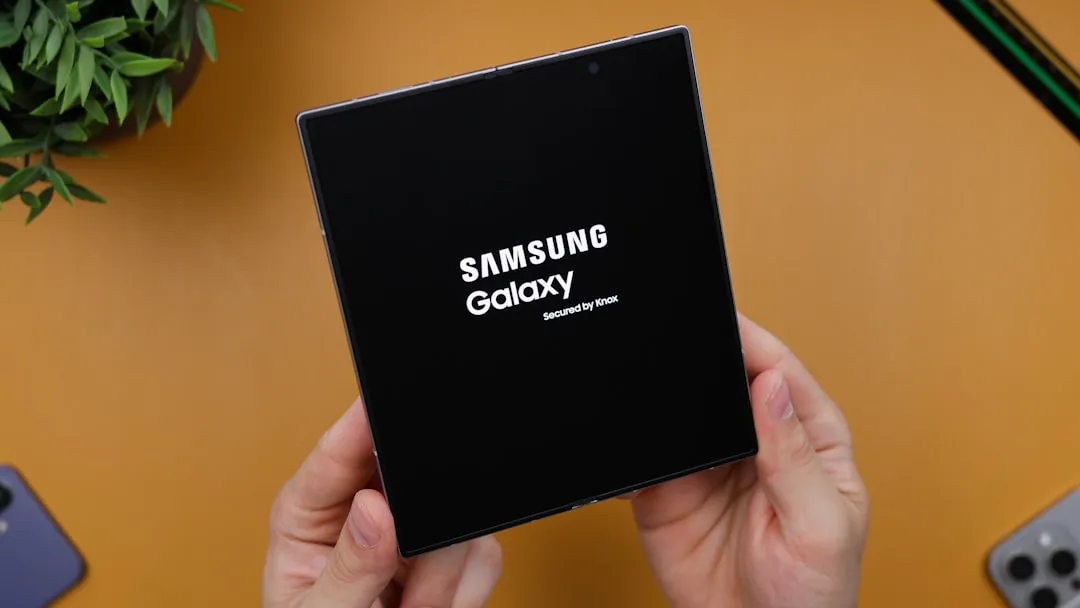
Samsung's got something interesting cooking in the budget smartphone space. The Galaxy A17 5G just landed with a $199.99 price tag that's hard to ignore, especially when you consider what Samsung's managed to pack into this thing, according to Samsung. They're positioning this as their most affordable AI-powered device yet, and when you look at the feature set relative to that price point, it's clear they're making a serious play for budget-conscious consumers who still want a solid smartphone experience.
What caught my attention right away is how Samsung's approaching this release. Instead of just slapping together another generic budget phone, they've actually borrowed some premium touches from their higher-end models. The device hits stores on January 7, 2026, Samsung confirms, giving it a strategic head start on other budget releases this year. At under $200, Samsung's essentially saying "hey, you don't need to spend flagship money to get into our ecosystem" – and that timing feels particularly smart given current economic pressures on consumer spending.
What makes the Galaxy A17 5G stand out in the budget segment?
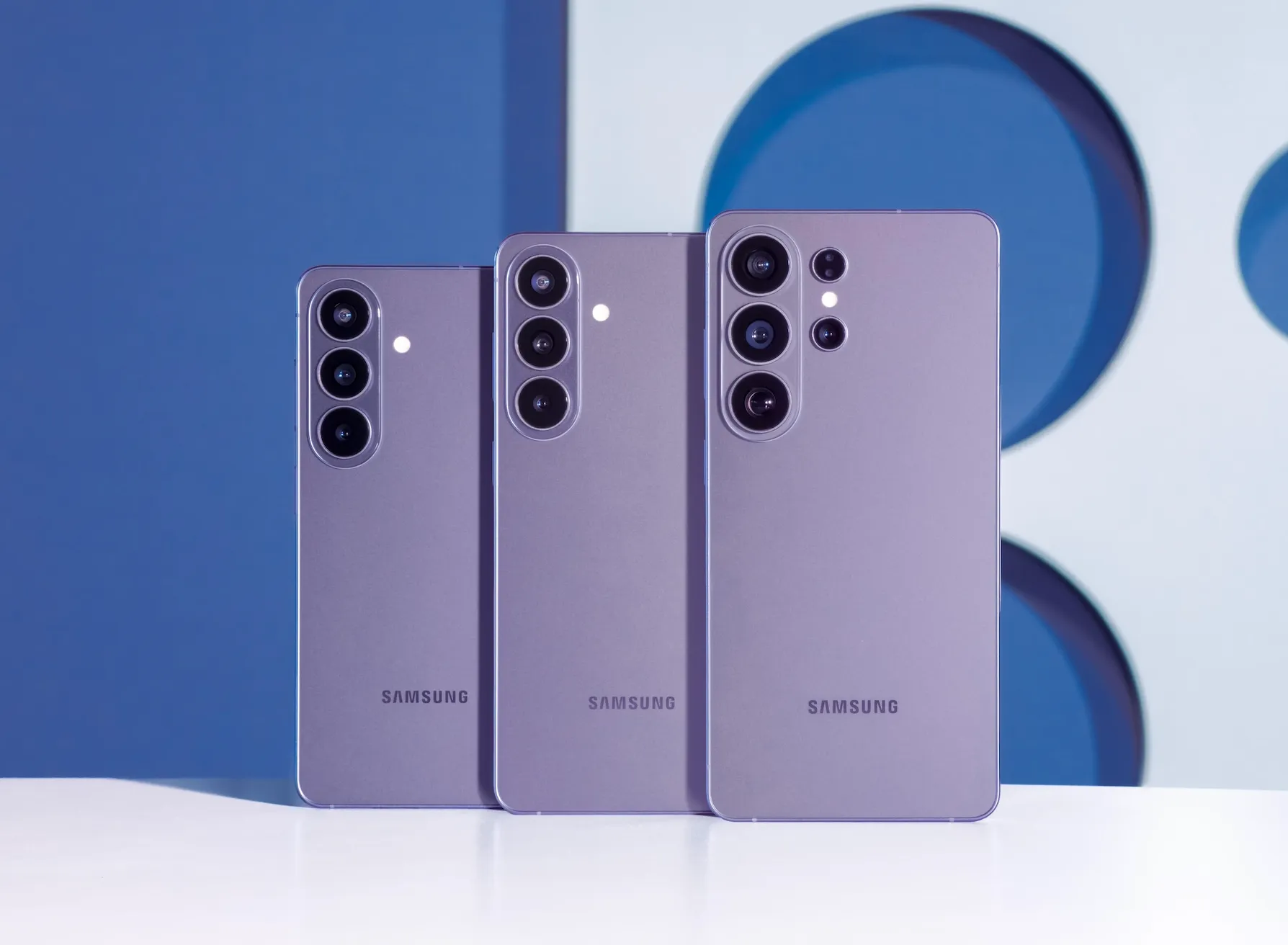
Here's where things get genuinely interesting. Samsung didn't just rehash their previous budget formula – they actually made some meaningful improvements that matter for daily use. The Galaxy A17 5G is both slimmer and lighter than its predecessor, measuring just 7.5mm thick and weighing 192 grams, as reported by Samsung. When you're using a phone throughout the day, those design refinements translate to better comfort and less pocket bulk – details that actually matter for the target audience.
The display is where Samsung's experience really shows. You're getting a generous 6.7-inch Super AMOLED panel with Full HD+ resolution and a 90Hz refresh rate, Samsung states. While 90Hz isn't exactly cutting-edge when some phones are pushing 120Hz or higher, it provides noticeably smoother scrolling through social media and browsing compared to standard 60Hz displays – and at this price point, it's a welcome inclusion that enhances the everyday user experience.
But here's what really surprised me: Samsung equipped this budget phone with Corning Gorilla Glass Victus protection on the front panel, according to Samsung's specifications. That's the same premium protection you'd find on phones costing three times as much. For users who typically expect budget phones to sacrifice durability, this represents a genuine upgrade that could extend the device's usable lifespan significantly.
The minimalistic design approach also works in Samsung's favor here. Rather than competing with flashy textures or attention-grabbing finishes, they've opted for that clean, understated look that Republic World notes helps it stand out in a segment where many devices try too hard to appear premium.
How does the camera system perform for the price?
This is probably where the Galaxy A17 5G surprised me most. Samsung's managed to include a 50MP primary sensor with optical image stabilization – a feature that's genuinely rare at this price point, Samsung confirms. Most budget phones either skip stabilization entirely or rely on digital stabilization, which frankly doesn't deliver the same results for reducing camera shake in photos and videos.
The camera setup rounds out with a 5MP ultra-wide camera for landscape shots and group photos, plus a 2MP macro lens for close-up photography, according to the official specs. The macro camera is mostly there to boost the spec sheet numbers, but the ultra-wide actually proves useful for capturing broader scenes, even if it won't match the detail quality you'd get from more expensive phones.
Up front, there's a 13MP selfie camera, Samsung notes, which should handle your social media and video calling needs without issue. It's not groundbreaking, but it's perfectly adequate for the intended use cases.
From what testing by Republic World suggests, the camera system delivers reliable performance in daylight conditions with good detail and natural colors. The key limitation comes after sunset – low-light performance remains modest for the price category, though the OIS does help stabilize those slightly shakier evening shots compared to phones without any stabilization.
What I appreciate is Samsung's realistic approach here. They're not claiming this will replace professional cameras or compete with flagship photography. Instead, they've focused on delivering a dependable camera system that handles everyday photography needs while including premium features like OIS that genuinely improve the user experience.
What about performance and software support?
Under the hood, Samsung's sticking with their own Exynos 1330 processor built on a 5nm process, Samsung confirms. This isn't going to set any benchmark records, but for everyday tasks like social media browsing, streaming video, and light gaming, it provides adequate performance that keeps the interface responsive and apps running smoothly.
Samsung's offering multiple memory configurations, which is refreshing flexibility in the budget space. You can get the phone with 4GB, 6GB, or 8GB of RAM paired with either 128GB or 256GB of storage, according to GSMArena specifications. This means you can choose the configuration that fits both your budget and usage patterns – heavy multitaskers can opt for more RAM, while casual users can save money with the base model. Plus, microSD support up to 2TB, Samsung notes, ensures you won't be limited by storage space as your needs grow.
But here's the real game-changer: Samsung's promising six years of security updates and six major Android OS upgrades, according to Samsung's support commitment. That's the same long-term support commitment Samsung provides to their flagship devices, and it fundamentally changes the value equation for this $200 phone. Most people keep their phones for 3-4 years, meaning this Galaxy A17 5G could theoretically serve you well into the 2030s with current, secure software.
While testing reveals the Exynos 1330 won't match the raw performance of competitors using Snapdragon or MediaTek chips, it handles routine smartphone tasks with sufficient capability for the typical user checking emails, browsing social media, and streaming content.
How does battery life and charging stack up?
Samsung's packed a substantial 5,000mAh battery into the Galaxy A17 5G, and the real-world endurance delivers exactly what you'd hope for. According to Republic World's testing, the phone easily handles a full day of mixed usage, with moderate users potentially stretching it to nearly two days. That's solid endurance that means you won't be constantly hunting for charging cables throughout your day.
Samsung's included 25W Super Fast Charging support, Samsung confirms, which provides practical charging speeds for daily use. While it's not the fastest charging available in 2025, it's notably faster than many other budget options, and Samsung even includes the charger in the box – something that's becoming increasingly rare across the industry.
The phone maintains basic durability protection with an IP54 rating for dust and splash resistance, according to Samsung's specifications. This means it can handle everyday spills, rain exposure, and dusty environments without major concern, though it won't survive submersion like higher-rated devices.
In standardized battery testing, as reported by Digit, the device lasted approximately 11 hours and 48 minutes – the kind of endurance that supports heavy daily use without anxiety. Combined with the generous battery capacity and practical charging speeds, the power management here focuses on reliability over flashy numbers.
Is the Galaxy A17 5G worth your $200?
The Samsung Galaxy A17 5G represents genuine value in today's budget smartphone market. When you consider the combination of that large AMOLED display, optical image stabilization, premium glass protection, and Samsung's industry-leading software support promise, it offers substantial benefits for the money, multiple reviews confirm.
The device's slim profile and premium design elements help it feel more expensive than its $199.99 price suggests, according to hands-on reviews – an important factor when you're using something every day for years. More importantly, those design improvements translate to practical benefits like better pocket comfort and enhanced durability through Gorilla Glass Victus protection.
The performance limitations are real – the Exynos 1330 processor won't match competitors using more powerful Snapdragon or MediaTek chips, testing reveals. But for typical smartphone usage patterns – social media, streaming, photography, and communication – it provides sufficient performance without frustrating lag or crashes.
What really distinguishes this device is the unprecedented software support commitment. Six years of updates at this price point is almost unheard of, making the total cost of ownership remarkably low when spread across the device's supported lifespan. For users who prioritize long-term software support, camera stabilization, and integration with Samsung's broader ecosystem, the Galaxy A17 5G delivers exceptional value when it arrives in stores on January 7th.
The question isn't whether it's worth $200 – the features and support clearly justify that price. The real consideration is whether Samsung's conservative performance approach will satisfy users who might be tempted by more powerful alternatives. For most people seeking a reliable, well-supported smartphone that'll remain current for years, this Galaxy A17 5G hits a compelling sweet spot between affordability and longevity.






Comments
Be the first, drop a comment!