





Samsung's budget lineup has come a long way from its humble beginnings, and nowhere is this evolution more apparent than in the latest Galaxy A17 5G and Tab A11 Plus. These devices represent a significant shift in how Samsung approaches affordable technology, bringing premium features down to price points that won't break the bank.
The Galaxy A17 5G truly showcases this transformation. Starting at £199 for the base model, according to Tech Advisor's comprehensive review, this device packs features that were unthinkable in budget phones just a few years ago. We're talking about a 50MP main camera with optical image stabilization, a vibrant 6.7-inch Super AMOLED display with 90Hz refresh rate, and even AI-powered features like Circle to Search. Meanwhile, the Tab A11 Plus delivers tablet computing with an 11-inch display and robust 7040mAh battery, as detailed by Gadgets360.
What makes these devices particularly compelling is Samsung's commitment to long-term software support. Samsung promises 6 generations of Android upgrades and 6 years of security updates—a commitment that puts many flagship competitors to shame. This isn't just about having the latest features; it's about genuine value for budget-conscious buyers who want their devices to remain current and secure for years to come, dramatically improving the total cost of ownership.
Design philosophy: Premium looks without the premium price tag
Samsung has clearly learned from its flagship design language and applied those lessons to its budget offerings with impressive results. The Galaxy A17 5G showcases this evolution beautifully, featuring what reviewers describe as a premium aesthetic that belies its affordable pricing.
Samsung calls the A17 5G the slimmest smartphone in its segment at just 7.5mm thick, making it remarkably sleek for a device in this price bracket. The build quality impresses with practical durability features: Gorilla Glass Victus protection on the front and IP54 rating for dust and splash resistance, as noted by Tech Advisor's comprehensive review. Sure, there's no metal in the external construction—it's all plastic frame and glass fiber back—but the execution feels far more premium than you'd expect from a sub-£200 device.
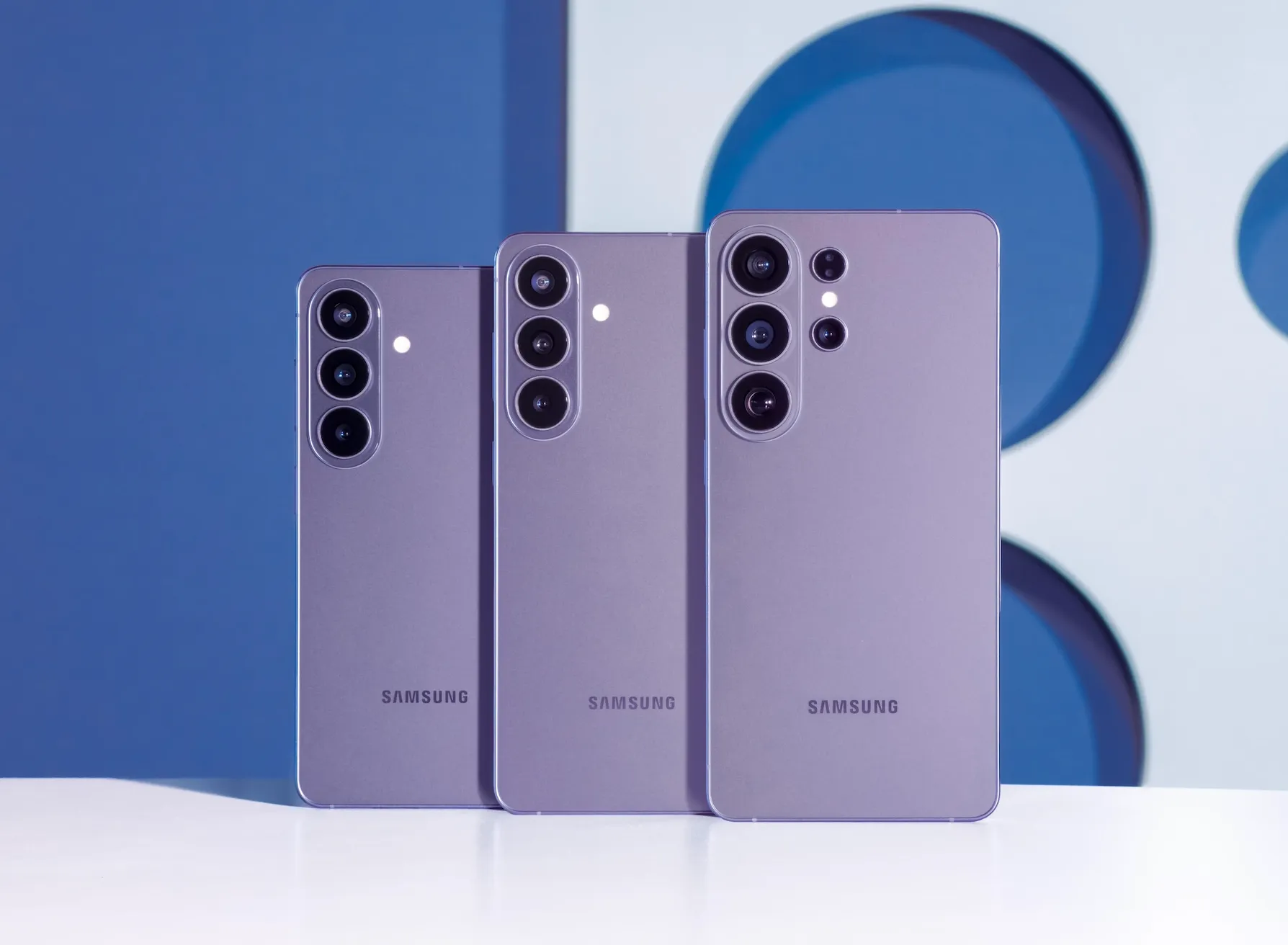
The design language follows current flagship trends too, which matters for users who want their budget phone to look contemporary. As IBTimes notes in their review, "The flat-edged frame, matte-finish back, and slim profile give it a premium flair that many rivals in this price bracket simply can't match." The camera arrangement features what Samsung calls a "linear camera cluster" on the back, giving it a modern, sophisticated look that wouldn't feel out of place on a much more expensive phone.
This attention to design matters because it eliminates the visual compromise that often comes with budget devices—you're getting a phone that looks and feels current, not like yesterday's technology at today's discounted price.
Display technology: AMOLED excellence trickles down
Perhaps the most impressive aspect of Samsung's budget evolution is how display technology has improved, fundamentally changing what users can expect at this price point. The Galaxy A17 5G features a 6.7-inch Super AMOLED panel with Full HD+ resolution and 90Hz refresh rate, delivering vibrant colors and smooth scrolling that was once reserved for premium devices.
The display performance genuinely impresses in real-world use. It achieves brightness levels of about 650 nits in SDR (Digit measurement); Samsung advertises up to 800 nits in High Brightness Mode in regular use with theoretical peaks of 800 nits in high brightness mode, ensuring good outdoor visibility. What's particularly noteworthy is that some markets are getting a jump to 120Hz refresh rate, as PhoneArena's comparison reveals, bringing Samsung's most affordable line into the high refresh rate party that was previously exclusive to premium devices.
Digit's detailed testing confirms the display improvements, showing "the display's white luminance measured roughly 650 nits in SDR and well over 1,200 nits peak in HDR/HBM." This represents a massive shift from just a few years ago, when budget phones were stuck with basic LCD panels and choppy 60Hz refresh rates.
The Tab A11 Plus complements this evolution with its own 11-inch display, proving that Samsung's commitment to quality screens extends across its entire budget ecosystem. While tablets at this price point typically cut corners on display quality, the A11 Plus maintains Samsung's focus on visual excellence as a key differentiator.
Performance and software: The long game pays off
Under the hood, Samsung has made strategic choices that prioritize longevity and user experience over benchmark bragging rights. The Galaxy A17 5G runs on the Exynos 1330 chipset, which might not win any performance competitions but delivers solid everyday reliability. Digit's testing shows AnTuTu scores reaching 604,936, representing a significant improvement over its predecessor while maintaining excellent power efficiency for all-day battery life.
Gaming performance remains modest with 3DMark Wild Life scores of 1,382, but that's not really the point here. The focus clearly lies on reliable daily use—messaging, browsing, light gaming, and video playback. As IBTimes puts it, "the phone feels dependable in daily use—messaging, browsing, light gaming, and video playback" without the frustrating stutters and delays that plagued budget phones of the past.
The real story here is software support that fundamentally changes the value equation. Samsung's commitment to 6 generations of Android upgrades and 6 years of security updates means a phone purchased today will remain current until 2031. For budget-conscious buyers, this extends the useful life dramatically compared to competitors offering 2-3 years of support.
Even more impressive is the inclusion of AI features typically reserved for premium devices. The Galaxy A17 5G supports Circle to Search and includes Gemini integration, bringing cutting-edge functionality down to the budget tier and ensuring users don't miss out on the latest Android innovations.
Camera capabilities: Flagship features find their way down
The camera system on the Galaxy A17 5G demonstrates how premium features eventually trickle down to budget devices, but more importantly, how they're implemented thoughtfully rather than just as checkbox features. The 50MP main sensor includes optical image stabilization—a feature typically reserved for much more expensive phones that makes a real difference in everyday photography.
Supporting this main sensor are a 5MP ultrawide and 2MP macro camera, along with a 13MP front-facing camera. Tech Advisor's hands-on testing shows the selfie camera delivers "pretty decent" quality that handles video calls and social media sharing well.
In practical use, daylight photography produces crisp, shareable results that satisfy most social media needs. As IBTimes notes, "shots in daylight come out crisp with accurate colors, good enough for casual sharing on social media." The optical image stabilization genuinely helps with both photos and video, reducing the shake that typically plagues budget phone cameras and making the difference between usable and unusable shots in many scenarios.
However, it's important to set realistic expectations. Low-light performance shows the constraints of budget hardware, with IBTimes noting that "noise creeps in, details get muddy, and edge detection in portrait mode struggles". The The phone supports 4K video recording (per Samsung's specs) limits content creators to 1080p capture, though the stabilization helps maintain usable footage.
The Tab A11 Plus takes a more utilitarian approach with 8MP rear and 5MP front cameras, as detailed by Gadgets360. These aren't meant for photography excellence but handle video calls and document scanning adequately—exactly what most tablet users need.
What this evolution means for the future
Samsung's budget lineup evolution represents more than just improved specifications—it signals a fundamental shift in how affordable technology is positioned and what consumers can reasonably expect from their investment. The Galaxy A17 5G and Tab A11 Plus prove that "budget" no longer means "compromised" in the same way it once did.
With features like optical image stabilization, AMOLED displays, and extended software support now available at sub-£250 price points, Samsung has effectively raised the bar for what consumers can expect from affordable devices. The company's willingness to include AI features like Circle to Search and Gemini integration in budget phones suggests that the gap between flagship and budget experiences will continue to narrow, focusing more on premium materials and cutting-edge performance rather than fundamental feature availability.
This evolution benefits everyone in the ecosystem. Competitors are forced to match these standards while maintaining profitability, leading to innovation in cost reduction and manufacturing efficiency. Meanwhile, consumers get genuine choice without feeling like they're settling for significantly less capable devices. The Tab A11 Plus, starting around 280 EUR, shows this philosophy extends beyond just smartphones to Samsung's entire affordable device portfolio.
Looking ahead, this trend suggests we're entering an era where the primary differences between budget and flagship devices will be more about premium materials, bleeding-edge performance, and advanced camera features rather than fundamental usability gaps. When a £199 phone can offer six years of updates, AMOLED displays, and optical image stabilization, it's clear that Samsung's budget evolution is reshaping expectations across the entire smartphone market, making premium experiences accessible to a much broader audience than ever before.







Comments
Be the first, drop a comment!