



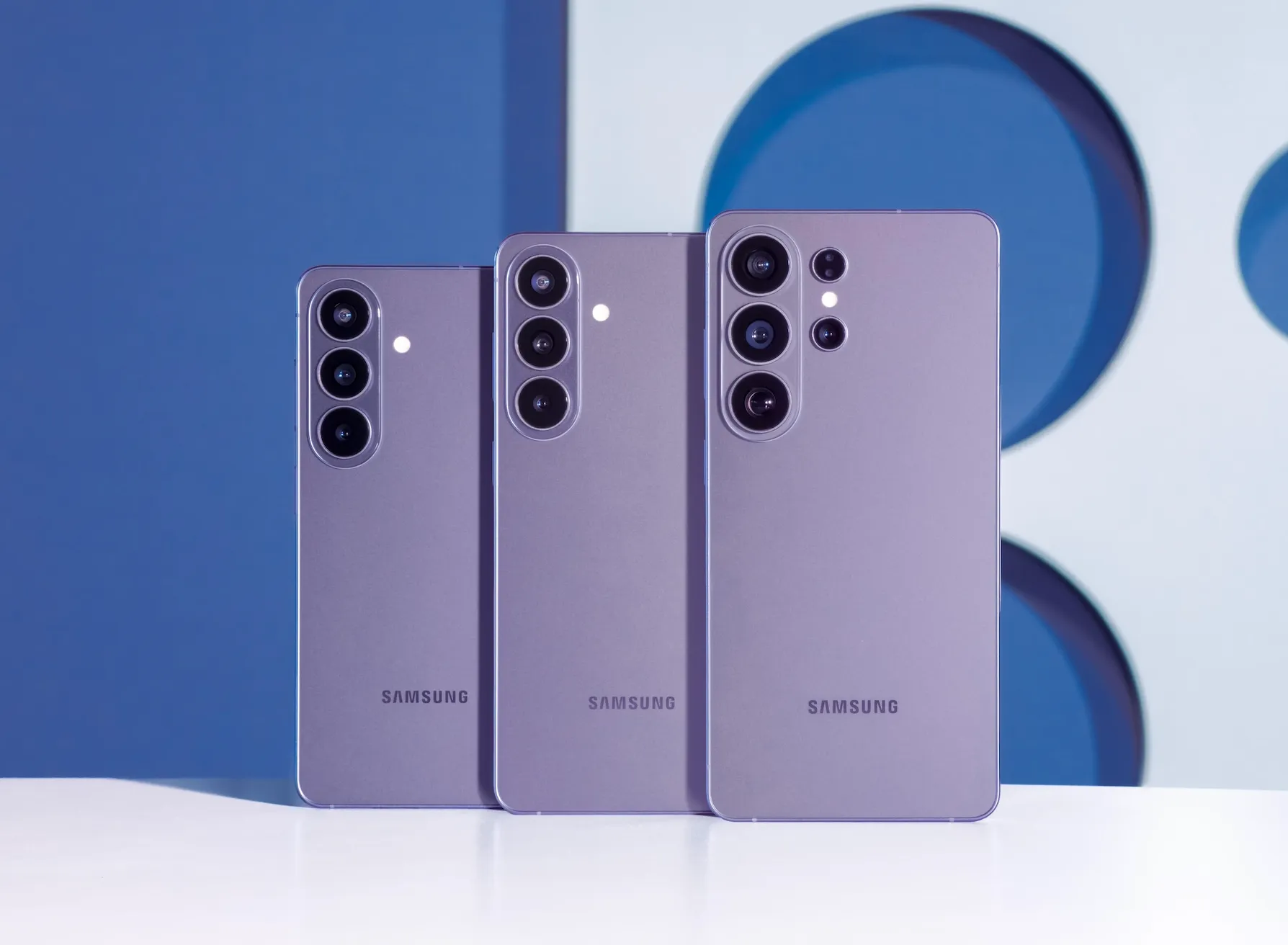
Samsung is now shipping a Device Care feature that can automatically put apps sending frequent ad notifications into deep sleep once the setting is enabled. Called "Block apps with excessive ads," it appeared in Samsung's Device Care update, version 13.8.80.7, 9to5Google reported on May 11, 2026. Samsung has not published a full device-eligibility list, and current reporting says the feature appears limited to the Galaxy S26 series for now and may depend on One UI 8.5.
The name is worth unpacking before going further. This is not an ad blocker. It does not touch banner ads, in-app interstitials, or rewarded video. The scope is narrower: apps that send frequent advertisement alerts through notifications get quarantined. What runs inside the app stays untouched.
9to5Google says some users report the feature has been available on the Galaxy S26 for the past few months, and the latest Device Care update now points to a broader rollout.
How Samsung blocks apps with excessive ads
One UI already puts unused apps into deep sleep as a battery management measure. The new behavior extends that same quarantine to apps that earn it through notification abuse, not disuse, Android Authority reported last December. Samsung didn't build a new enforcement architecture; it applied existing power-management logic to a different trigger.
Deep sleep is a strong background restriction. Samsung says Deep sleeping apps will not run in the background and only work when opened, which can also silence their notifications. That last part matters most for the decision of whether to turn this on: once an app is flagged, all its notifications go quiet, not just the promotional ones.
The system uses two detection modes. "Basic" mode appears to use Samsung's data to block apps Samsung has identified as sending frequent ads whenever they are detected on the device. "Intelligent" mode goes further, analyzing notification content to determine whether individual alerts look like advertising, 9to5Google reports. The distinction matters practically: basic is faster and requires no ongoing analysis, while intelligent can catch apps not yet in Samsung's database.
On the privacy side, the December 2025 beta-era screenshots covered by Android Authority described intelligent mode's notification analysis as happening on-device, meaning notification content would not be sent to Samsung's servers to make the call. That framing came from leaked screenshots, not official documentation, so some caution applies. The implementation could differ in the shipping version.
There's also a built-in buffer against false positives. A single notification that looks promotional won't trigger a block; the behavior has to arrive frequently before the system acts, Android Police reported last December. Samsung has not defined what frequency threshold triggers a quarantine, or which specific content patterns the system uses to classify a notification as an advertisement. Both the threshold and the classification logic remain undocumented.
Where the Samsung Device Care setting lives and what each option controls
The feature is toggled on or off inside the Device Care app settings, per Android Police's December 2025 reporting. Leak-era screenshots showed it disabled by default. Whether the shipping version retains that default is unconfirmed; Samsung has not published documentation on this point. If you're looking for the feature and don't see it, the rollout may not have reached your device yet.
Once enabled, the choice between basic and intelligent blocking comes down to coverage versus complexity. appears to rely on Samsung's data rather than real-time notification-content analysis. Intelligent mode adds local notification analysis, which may catch apps that Samsung's list hasn't catalogued yet, but requires the device to evaluate notification content continuously. For most users, basic is the lower-friction starting point; intelligent mode makes more sense for someone whose notification tray is being flooded by apps that aren't yet on Samsung's radar.
Apps that get quarantined under this feature appear at Settings > Device care > Care report > Excessive alerts, 9to5Google reports. That list is the clearest transparency window currently described in public reporting. Users can review what's been flagged after the fact, though by then a notification may have already been missed.
For users who want more targeted control, Samsung offers a separate, less aggressive path. Going to Settings > Notifications > Advanced settings and enabling per-app notification categories lets users turn off marketing notifications from a specific app without sending it to deep sleep, Android Authority noted last December. The limitation: this only works when developers have properly segmented their notification types into distinct categories. Many haven't. Users are entirely dependent on the developer having done that work, which makes it reliable for some apps and useless for others.
What gets silenced, and where false positives become a real problem
The clearest use case is straightforward: users drowning in promotional notifications from apps they otherwise want to keep. Shopping apps that push daily deals, mobile games running limited-time event spam, utility apps that have quietly become delivery vehicles for advertising. Basic mode handles known offenders automatically. Intelligent mode extends coverage to apps Samsung hasn't listed yet.
The complication arrives with apps that don't separate their notification types. Deep sleep doesn't distinguish between a sale alert and an order confirmation; it stops all notifications from the flagged app. A retail app that sends both "50% off today" blasts and genuine shipping updates loses both. A travel app bundling flight reminders with promotional push alerts faces the same outcome. Delivery apps that mix arrival windows with discount offers are in the same category.
This is a direct consequence of how Samsung chose to build the feature. The quarantine targets the app, not individual notification channels. For apps that use only their notification access for advertising, that's clean and appropriate. For apps where promotional and functional alerts arrive through the same undifferentiated stream, the feature treats them identically.
Users who rely on time-sensitive alerts from any app should check how that app structures its notifications before enabling intelligent mode. If there's no clear separation between promotional and functional alerts, the app is a candidate for collateral silencing. The quarantine log under Device Care is reviewable, but it's a retrospective view, not a preventive one.
Samsung has not publicly documented whether developers are notified when their apps are restricted, or whether there is an appeal process for developers. Whether that changes as the rollout expands is an open question.
What Samsung still hasn't said
In December 2025, this feature was known mainly from One UI 8.5 beta-era screenshots. It's now shipping in Device Care. The confirmed behavior: apps that repeatedly push promotional notifications can be automatically quarantined, with affected apps visible at Settings > Device care > Care report > Excessive alerts, 9to5Google reported.
The gaps are significant. Samsung has not published a full eligibility list; current reporting says the feature appears limited to the Galaxy S26 series for now. The required One UI version is unspecified. Whether the live version still defaults the feature to off is unconfirmed. 9to5Google noted that Samsung has not clarified the broader rollout plan at all.
The deeper unknowns are harder to resolve without more documentation. How intelligent mode handles apps that bundle promotional and functional notifications in the same channel remains undocumented. Whether users have any straightforward path to reverse a wrongful quarantine, other than manually waking the app through Device Care, is also undocumented. Samsung's answer to notification spam is to quarantine the app entirely rather than filter its content. For pure offenders that use notifications as an ad delivery system, that's proportionate. For everything else, it's a threshold worth understanding before switching the feature on.



Comments
Be the first, drop a comment!