



One UI 8.5 Galaxy Glasses Leak: What the Changelog Reveals
A leaked One UI 8.5 changelog never mentions Galaxy Glasses. What it does describe, read alongside Google's published Android XR platform documentation, is a phone being quietly reorganized to handle every job that smart glasses hardware cannot: storing files, running AI queries, bridging audio, and maintaining continuity across secondary displays. That gap between what the leak says and what it implies is worth examining carefully.
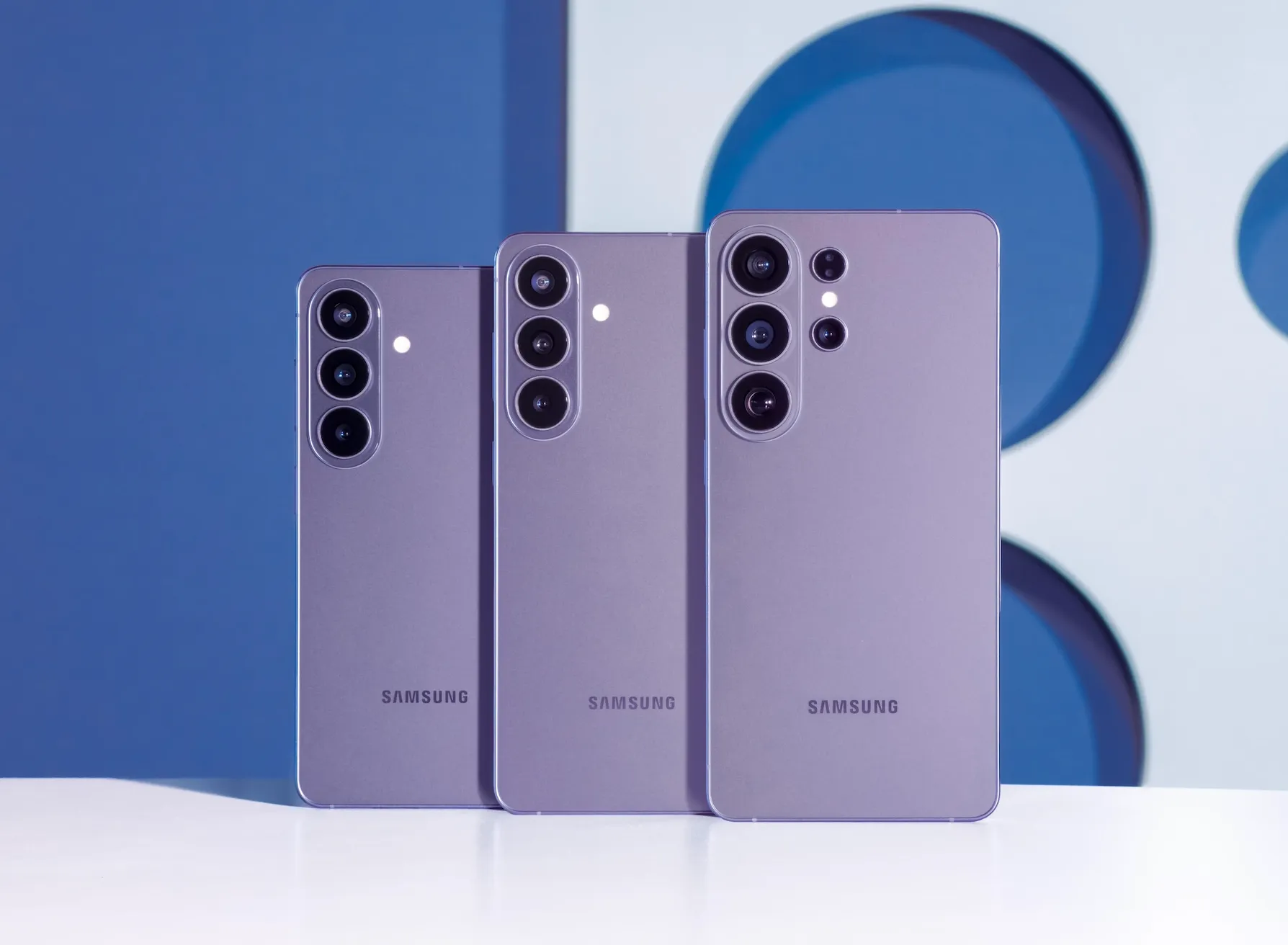
Samsung reportedly planned to ship One UI 8.5 alongside the Galaxy S26 series, according to 9to5Google's changelog report from late last year. The Galaxy S26 sits at the center of Samsung's broader AI ecosystem evolution, which the company showcased at MWC 2026 alongside an agentic AI vision for deeper experiences across the Galaxy lineup, per the Samsung Global Newsroom. The phone isn't just getting smarter. It's being positioned as the engine behind whatever Samsung devices come next.
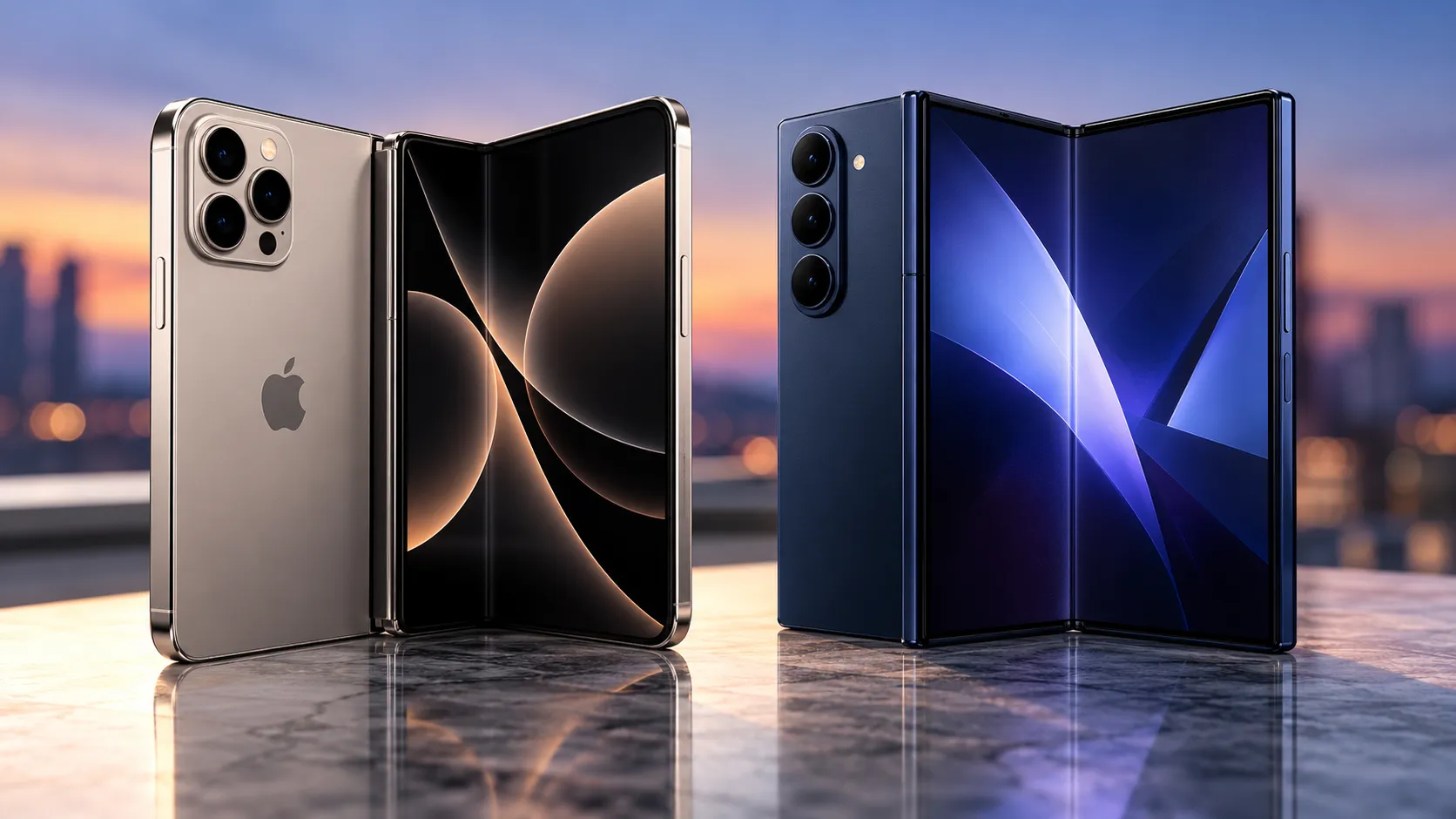
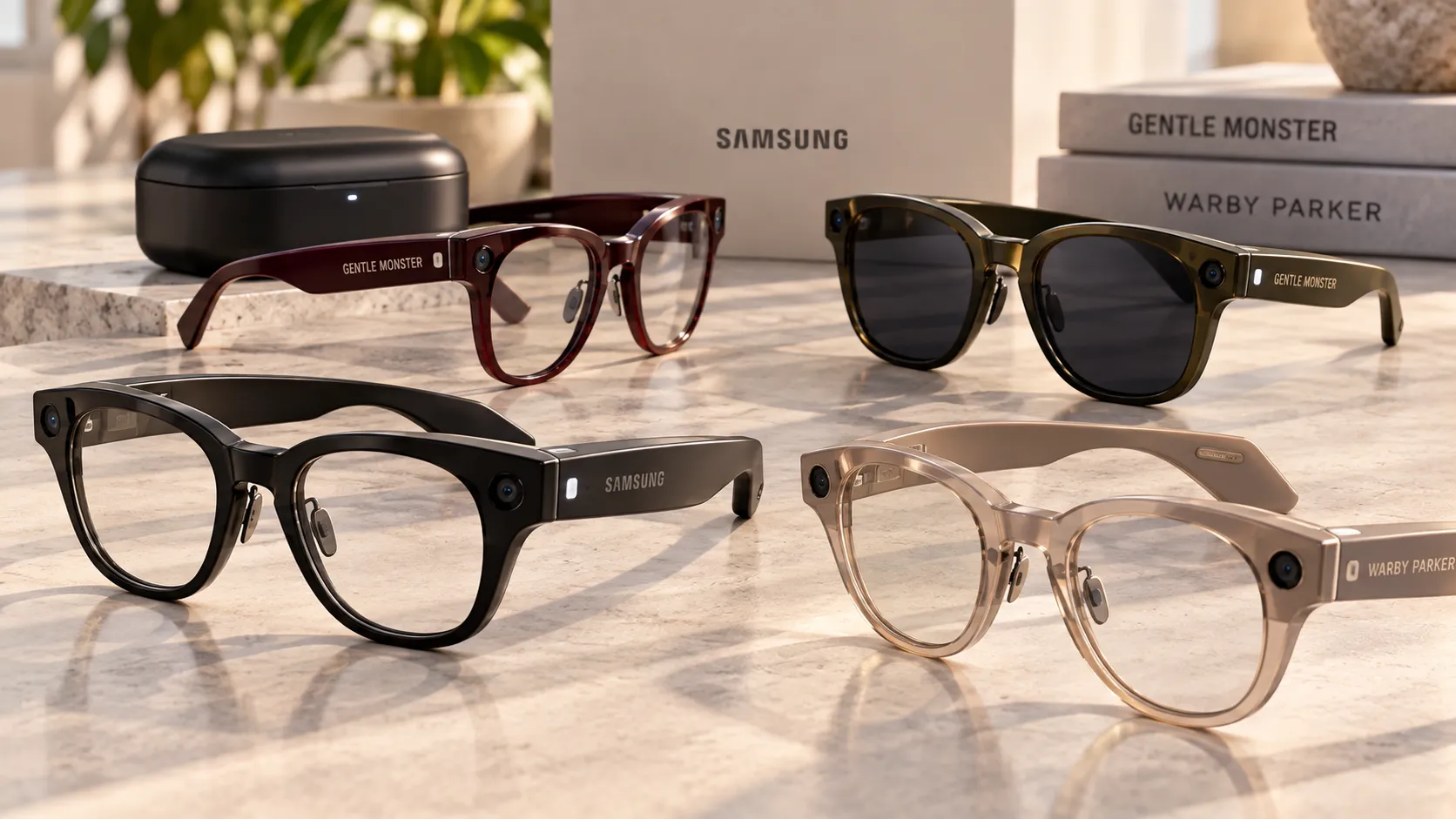
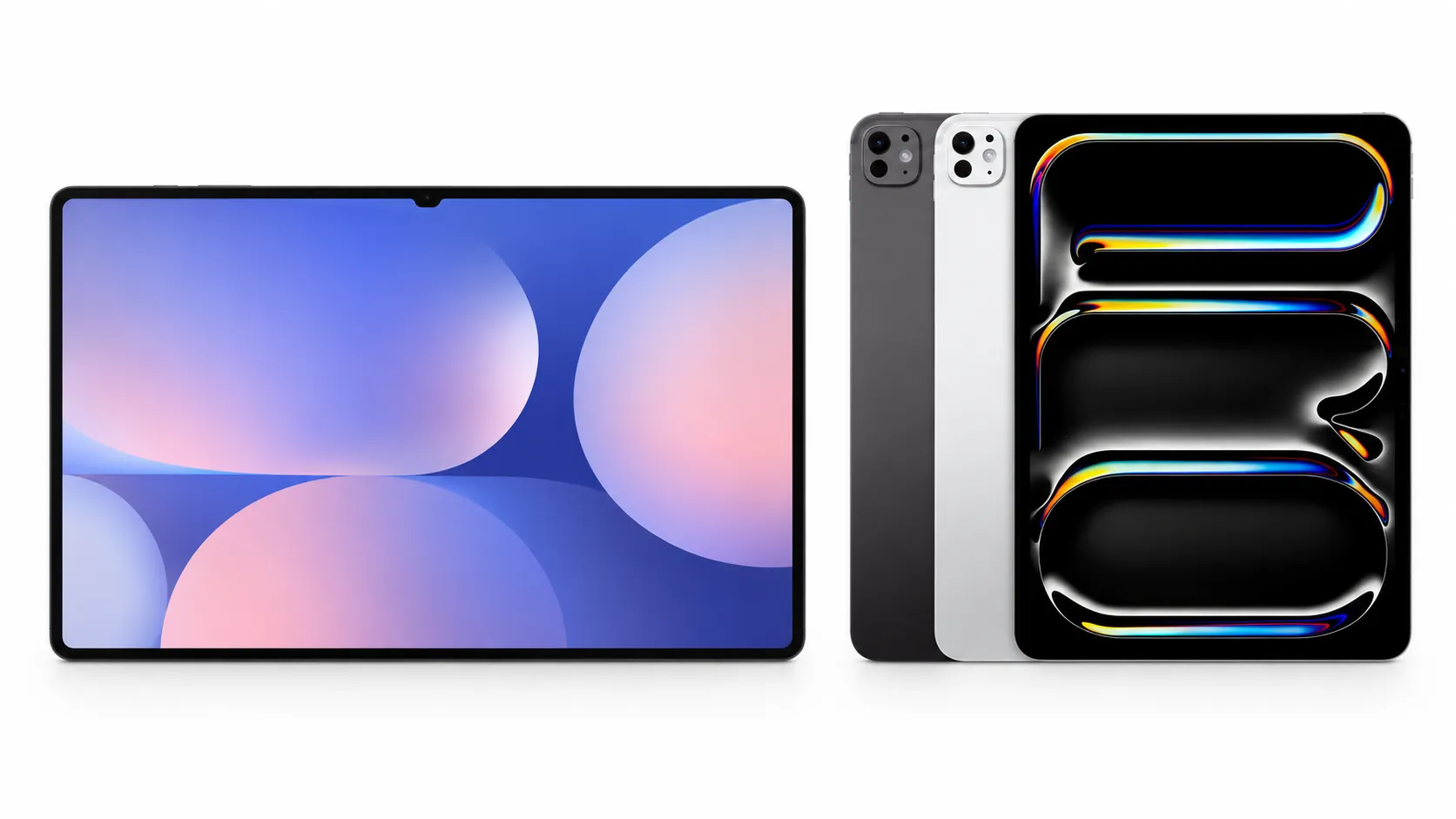
Android XR glasses are coming in 2026 in two distinct forms: audio-first "AI Glasses" with a microphone, speakers, and camera, and "Display AI Glasses" that add a small monocular screen, with binocular versions following later, as reported by 9to5Google earlier this year. That hardware split sets up the division of labor worth examining here: the glasses handle what's in front of your face; the phone, in theory, handles everything behind it.
What's leaked, what's documented, and what's inferred
Before getting into the features, it helps to be precise about the evidence.
Leaked: The One UI 8.5 changelog, posted by tipster Tarun Vats and reported by 9to5Google last December, details specific software changes coming to Samsung phones. None of them reference glasses or XR hardware.
Documented: Google's Android XR platform design guidance, covered by 9to5Google earlier this year, lays out the constraints and interaction model that glasses running on that platform will use. This is published technical material, not a rumor.
Inferred: The argument that these two sets of changes fit together, and that Samsung may be preparing the phone side of a glasses integration, is analytical. It's a reasonable reading of parallel developments, not a statement of Samsung's intent.
What the glasses actually do, and what they can't
Android XR glasses are designed around constraints as much as capabilities. Brighter screens generate heat directly on the display, and filling the lens with white can trigger thermal throttling; color choice affects power draw measurably, with green consuming less than blue at equivalent brightness, according to 9to5Google's Android XR coverage. Glasses that overheat or drain in an hour aren't useful, so the architecture is built to offload compute-heavy work elsewhere.
The interaction model reflects this. Android XR's design language for glasses, called "Glimmer," centers on card stacks that show one piece of information at a time, with camera, display sleep, and voice input handled through physical buttons and LEDs rather than touch, per 9to5Google's reporting. The interface shown so far favors short, glanceable surfaces over app-dense interaction. These are display terminals and capture hardware built to surface distilled outputs from a smarter system running somewhere else.
That somewhere else is most plausibly a phone. AI Glasses, the audio-only form factor with no display, would have everything the wearer perceives beyond the physical world filtered through whatever host device is paired with them.
How Samsung phones could work with Galaxy Glasses
The most structurally significant One UI 8.5 change, in this context, is a My Files update that makes files from other Samsung phones, tablets, PCs, and TVs available in a single interface on the phone, per the leaked changelog. A tethered glasses device with minimal local storage would need exactly this from a host: the ability to locate and deliver any file without requiring the user to think about which device actually holds it.
DeX gains persistent window memory in One UI 8.5, with app positions and sizes surviving between sessions rather than resetting each time, according to the same changelog. Paired with a new home-screen shortcut for pushing the phone's display to a TV or external screen, a pattern emerges: Samsung is building a phone that maintains its state and distributes that state outward to whatever display is nearby. A glasses display could fit that chain, though the same logic applies to any secondary screen.
Auracast voice broadcasting extends this to audio. One UI 8.5 adds the ability to broadcast live voice through the phone's built-in microphone to nearby Bluetooth receivers, not just media playback, as the changelog shows. In a glasses context, this could make the phone the broadcast hub for the wearer's audio environment, handling transmission that battery-constrained glasses hardware may not sustain independently. That's a plausible fit, not a confirmed design goal.
My Files unification, DeX persistence, display mirroring, and Auracast each solve a concrete problem that a tethered wearable creates. They also solve problems for tablets, PCs, and TVs. The point isn't that Samsung built these features for glasses specifically. It's that glasses, if they arrive, would slot into an infrastructure the phone is already building.
Why the AI layer matters most
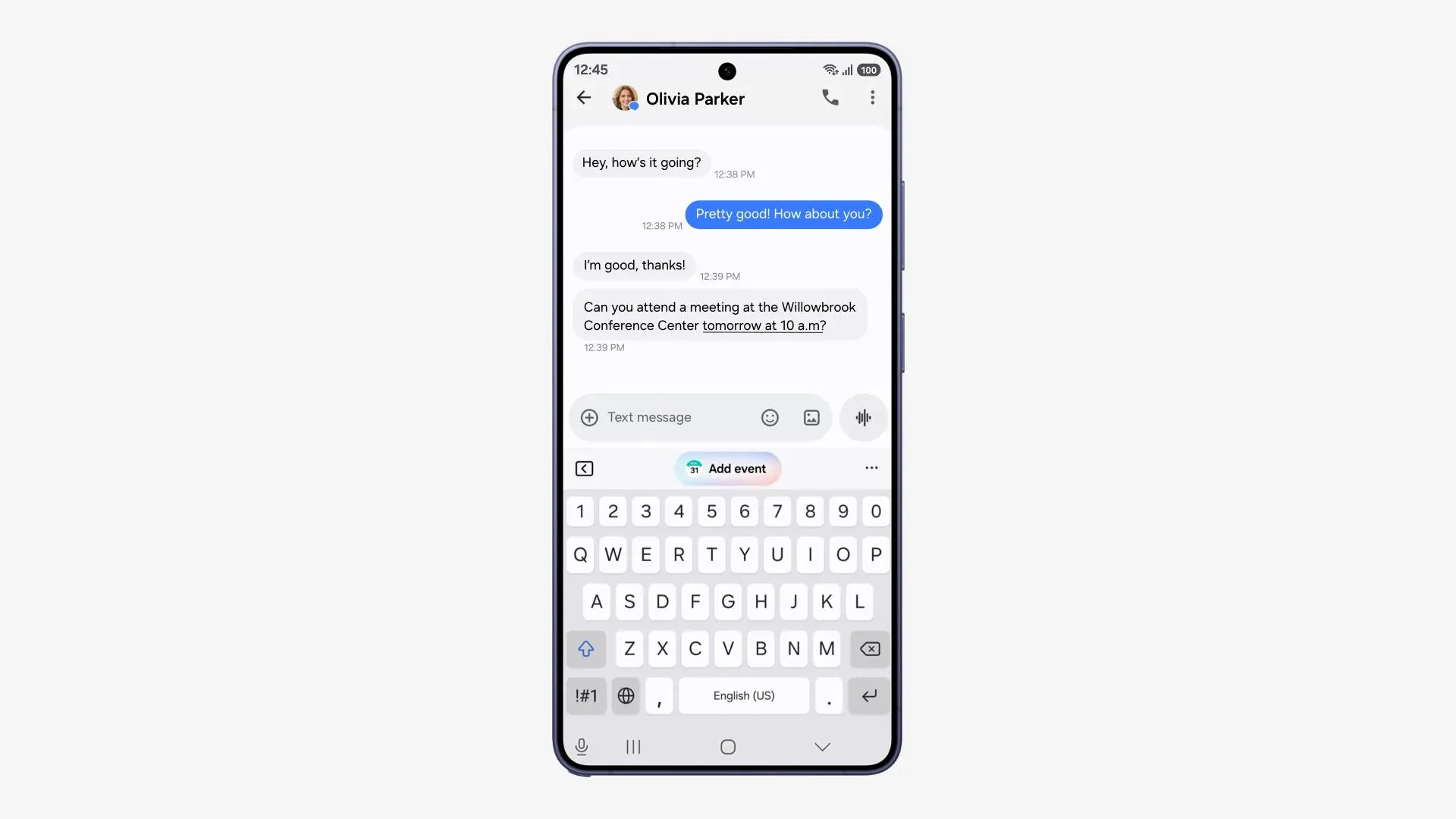
The Bixby changes in One UI 8.5 are arguably the most glasses-relevant part of the entire changelog, even though they read as routine assistant upgrades. The leaked notes describe Bixby parsing natural-language requests for settings and features without requiring exact command syntax, and answering queries without forcing the user to switch apps or lose their current context, per 9to5Google.
Consider what that could mean on glasses. A user glances at a notification stacked in a monocular display. They want to act on it, but they have no touchscreen. They say something conversational. Bixby, on the phone in their pocket, parses the request and surfaces the result, potentially to the glasses display, without requiring the user to unlock anything or specify an app. That's a plausible scenario, not a confirmed one. But it maps to what the changelog describes for Bixby and what Glimmer's card-based glasses interface is built to receive.
Samsung framed the Galaxy S26 as central to its agentic AI ecosystem, showcasing a vision of AI that works across devices and deepens over time, per the Samsung Global Newsroom. For glasses, which offer no surface for complex input, an AI layer that acts on a user's behalf without requiring step-by-step instruction isn't a convenience feature. It's the only way the interaction model works.
Quick Share's face-recognition update in One UI 8.5, which can identify people in photos and suggest sharing directly with them, per the changelog, fits the same pattern at a smaller scale. The phone anticipates what you're likely to do with a piece of content before you've decided. That kind of ambient inference is precisely what a glasses companion would need from a host device: a phone that already has an opinion about what comes next.
What the evidence actually confirms
No Samsung source has explicitly named Galaxy Glasses as a target for any One UI 8.5 feature, and nothing in the supplied evidence confirms Samsung is building such a product on this timeline. What the changelog and the Android XR documentation together suggest is architectural alignment: independent changes to file access, display distribution, voice AI, and audio broadcasting that collectively describe a phone being shaped for the role that Android XR's published glasses platform would require of a host device.
Samsung has placed the Galaxy S26 at the center of its AI and wearables ecosystem evolution, per its MWC 2026 messaging. The more useful question, now, is what would confirm this reading. A Samsung wearable reference in One UI code, a companion app string tied to XR hardware, or continuity features that explicitly name a glasses form factor would all move this from inference to evidence. None of those exist in the current leak. What does exist is a phone being built to do jobs that glasses, by design, cannot do themselves.


Comments
Be the first, drop a comment!