



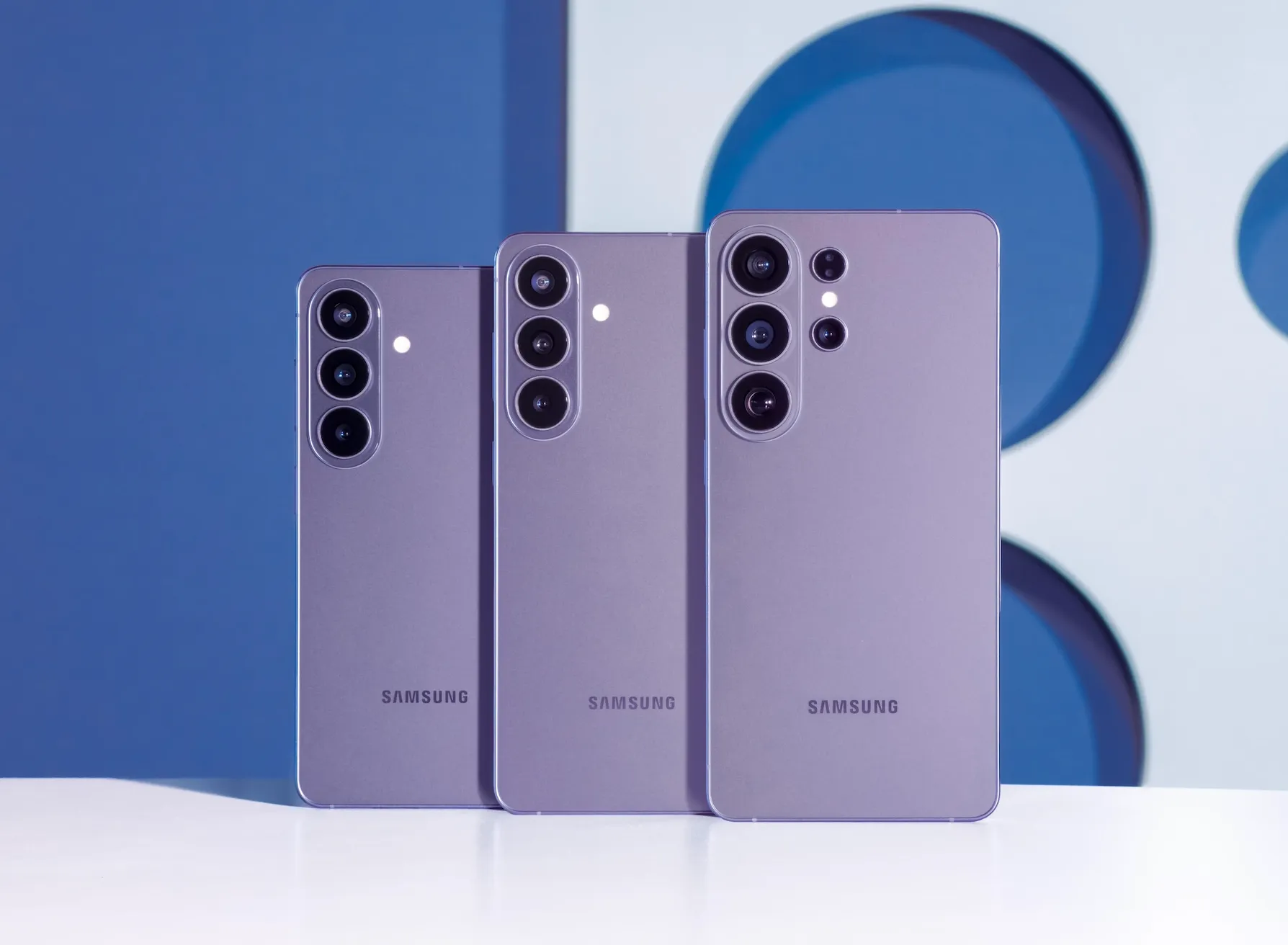
Samsung made a pretty bold move with the Galaxy S26 Ultra – ditching the titanium frame that everyone praised on the previous model in favor of aluminum construction. You can imagine the reaction from tech enthusiasts who saw this as a potential step backward for durability. According to Gizmochina, critics questioned whether this material shift represented a compromise in the flagship's protective credentials.
Samsung defended their decision by explaining that the aluminum construction was essential for achieving their design goals of a slimmer, lighter device while maintaining structural integrity. But here's the thing – defending a choice on paper is one thing, while subjecting that choice to brutal real-world punishment is where the truth really emerges. Recent comprehensive durability testing has now provided concrete answers about how well this aluminum-framed flagship actually holds up when it slips out of your pocket at the worst possible moment.
The results reveal both impressive strengths and one critical area where Samsung has significantly improved consequences, even though the underlying vulnerability persists. Let's break down what this means for your next flagship investment.
How the aluminum frame performs under pressure
The switch from titanium to Samsung's new Armor Aluminum 2 construction initially raised plenty of eyebrows among people who viewed it as a potential downgrade on paper. However, comprehensive testing conducted by YouTuber PBKreviews challenged these assumptions through multiple head-height drops onto concrete surfaces – essentially replicating what happens when your phone makes an unscheduled leap from your hand or pocket, as reported by Gizmochina.
The aluminum frame demonstrated surprisingly robust performance throughout the testing sequence. It absorbed impacts without structural failure while maintaining full device functionality – which is really what matters most when your expensive flagship takes a tumble. The frame handles impacts effectively, picking up visible dents and scratches but showing no structural damage that would compromise the phone's operation.
What makes these results particularly impressive is Samsung's engineering achievement: they delivered this durability while reducing the device thickness to just 7.9mm compared to the previous model's 8.2mm profile and dropping the weight to 214 grams, according to Gizmochina. Maintaining protection levels while making the phone thinner and lighter represents a significant materials engineering challenge – one that likely drove Samsung's aluminum decision.
Now, here's the trade-off you need to understand: compared to the titanium frame on the Galaxy S25 Ultra, the aluminum construction does show scratches and dents more readily. These marks appear to be predominantly cosmetic rather than structural concerns, but they're definitely more visible than what you'd see with titanium's superior scratch resistance. For most users who plan to use protective cases anyway, this aesthetic difference probably won't impact everyday scenarios.
Screen protection reaches new heights
The Galaxy S26 Ultra's display protection represents one of its most impressive durability achievements, and this is where Samsung really delivered on their engineering promises. Corning's Gorilla Armor 2 technology proved exceptionally resilient during the testing sequence. The front display survived every single drop without developing cracks or that dreaded spiderweb pattern that usually signals game over for your screen, according to Gizmochina.
Even more impressive is that the display continued working flawlessly throughout the entire testing process. No touch responsiveness issues, no visual artifacts, no dead zones – just consistent, reliable performance even after absorbing serious punishment. This level of screen durability becomes even more significant when you consider that Samsung achieved it while making the device slimmer and lighter than before.
Samsung maintained the same Gorilla Glass Victus 2 protection on the rear panel as the previous generation, as noted by GSMArena, ensuring comprehensive protection across all glass surfaces. The combination of advanced materials and refined engineering successfully balanced durability with portability – delivering flagship-level protection without the bulk that sometimes accompanies heavily reinforced devices.
PRO TIP: While the screen protection is exceptional, remember that even the best glass protection has limits. If you're particularly accident-prone, pairing this robust protection with a quality screen protector provides an extra safety margin.
The camera vulnerability Samsung improved but didn't eliminate
Here's where things get complex, and it's important to set realistic expectations. Previous Galaxy Ultra models suffered from a persistent weakness around the camera module, where the protective ring design left lens glass somewhat exposed to direct impacts. Unfortunately, the S26 Ultra's testing revealed this vulnerability still exists to some degree.
The lens cover for the 50MP telephoto camera cracked during the first face-down drop and sustained additional damage in subsequent impacts, according to Gizmochina. Drop testing from GSMArena showed similar results, with the lens glass completely shattering after the third drop alongside additional frame scrapes.
But here's what represents genuine progress: despite the glass damage, the camera itself continued operating normally throughout the testing. This marks a significant improvement over previous generations where camera damage often resulted in complete module failure. Samsung appears to have strengthened the internal mounting systems and improved shock isolation around the camera hardware, even though the external glass protection remains vulnerable.
The more exposed camera island design with its refined aesthetic profile may contribute to this ongoing vulnerability, as reported by GSMArena. The S26 Ultra features more rounded corners and a camera configuration that prioritizes sleeker design over maximum protection – a design philosophy that leaves lens glass slightly more susceptible to direct impacts.
Bottom line on camera protection: you're still dealing with a vulnerable point, but Samsung has dramatically improved the functional consequences. Lens glass damage no longer automatically means camera failure, which represents meaningful progress for long-term usability.
What this means for long-term durability
The comprehensive testing reveals that Samsung's material and design changes have created a device that prioritizes functional durability over cosmetic perfection – a smart approach for most users who want their phone to keep working even if it picks up some battle scars along the way.
Beyond the visible durability improvements, Samsung made significant internal enhancements that don't show up in drop tests but matter enormously for long-term reliability. The S26 Ultra features additional thermal paste around the motherboard and incorporates a redesigned vapor chamber that maintains the same size as the previous generation while optimizing heat dissipation patterns, according to GSMArena.
These thermal management improvements are crucial for durability in ways that extend far beyond impact resistance. Superior heat dissipation means components experience reduced thermal stress over time, potentially extending the device's lifespan while maintaining performance consistency as the phone ages. Better thermal design also helps prevent the performance throttling that can affect device longevity under sustained use.
Repairability remains excellent with the S26 Ultra earning a 9/10 rating identical to its predecessor, as noted by GSMArena. This means that while the device can withstand significant abuse, users who do experience damage will find repair processes straightforward and cost-effective. The combination of robust protection, maintained functionality under stress, and excellent repairability creates a compelling durability profile that addresses real-world usage concerns rather than just laboratory benchmarks.
Bottom line: Samsung's durability evolution succeeds
The Galaxy S26 Ultra's durability testing demonstrates that Samsung's controversial switch to aluminum construction was ultimately the right call for this generation. While the device shows more cosmetic damage than its titanium predecessor, it maintains full functionality even after severe abuse, according to Gizmochina.
The exceptional screen protection, enhanced internal component mounting, improved thermal management, and maintained repairability create a device that's genuinely built to last through years of real-world use. Testing confirms it fares slightly worse than the S25 Ultra in terms of visible damage, but it remains fully functional throughout the abuse – and that's what really counts for daily usability.
For users considering the S26 Ultra, these results suggest that durability concerns shouldn't be a deciding factor, especially for those who plan to use protective cases. The combination of a slimmer profile, lighter weight, and proven resilience under stress represents a successful evolution of Samsung's flagship durability approach – demonstrating that strategic material choices can actually enhance the overall user experience when properly engineered for real-world scenarios.


Comments
Be the first, drop a comment!