



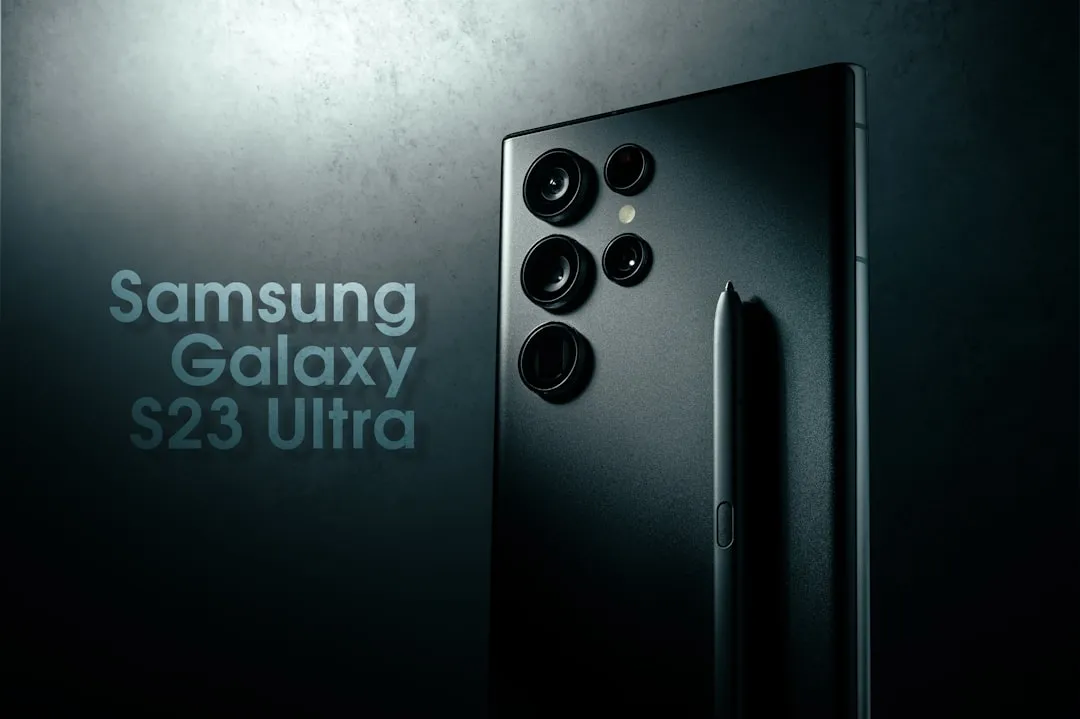
Samsung's latest flagship pricing strategy reads like a complex chess match between market competition and manufacturing economics. While early reports suggested the Galaxy S26 series could face significant price increases due to surging component costs, the reality proves far more nuanced. Samsung appears to be taking a calculated gamble that could pay off handsomely for US consumers while leaving international buyers facing a different reality altogether.
The pricing dilemma stems from serious manufacturing headaches that have created unprecedented cost pressures. Mobile RAM costs have jumped over 16% since early this year, while chipset prices have risen 12% and camera modules have increased by 8%. The memory shortage proves especially challenging because AI server demand has shifted production priorities away from smartphone-focused components, creating a supply crunch that directly impacts smartphone manufacturers. These cost pressures became so intense that Samsung reportedly hasn't even finalized pricing yet, with the company still struggling to determine final costs just months before the expected launch.
Why US buyers might dodge the price bullet
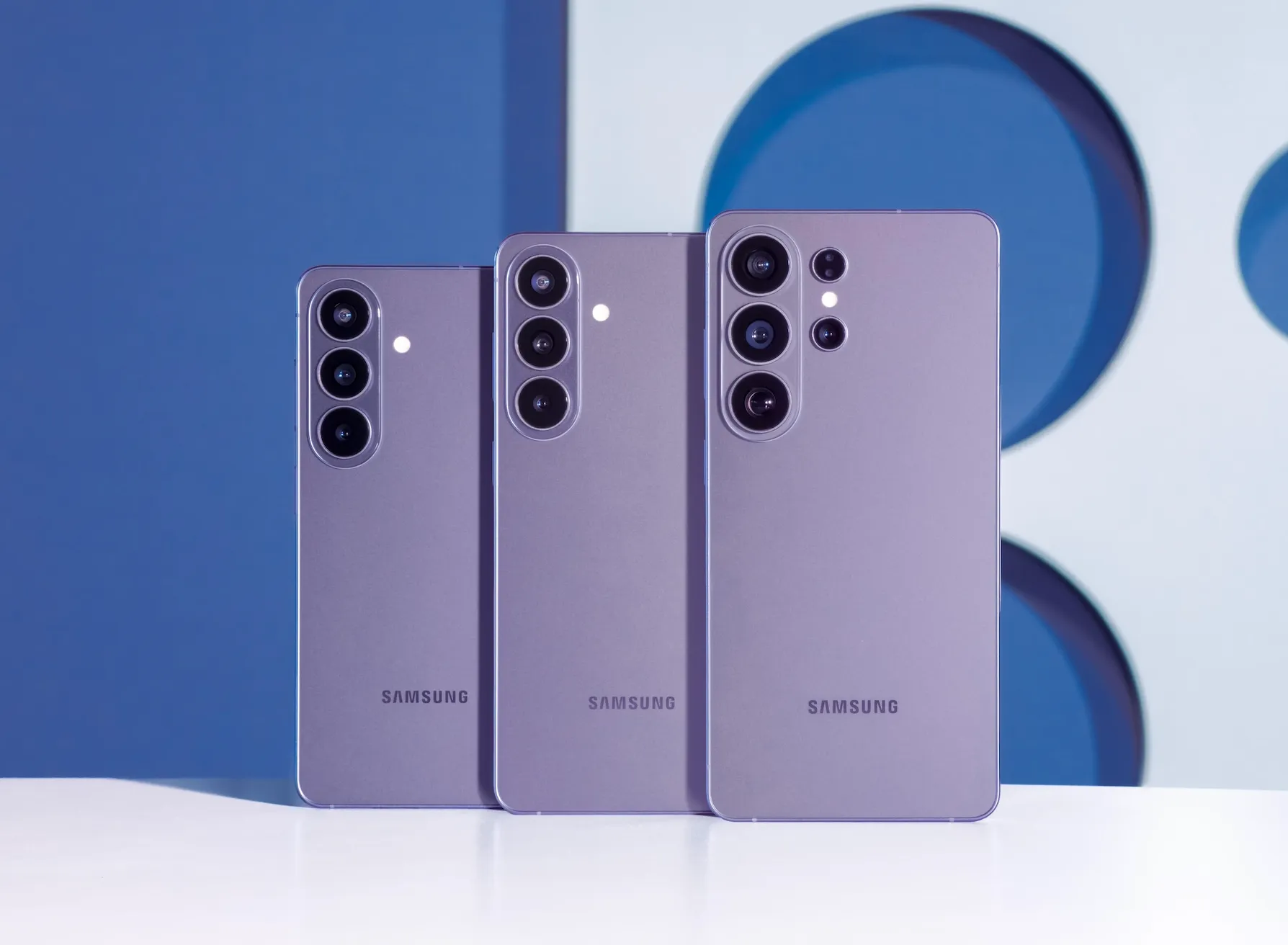
Here's where things get interesting for American consumers. Despite these mounting cost pressures, Korean reports indicate Samsung plans to maintain US pricing at $799 for the base S26, $999 for the S26+, and $1,299 for the S26 Ultra—exactly matching the current Galaxy S25 lineup. This strategic decision comes with substantial sacrifices, as Samsung will reportedly absorb a 10-15% hit to profit margins to keep US prices stable.
The competitive landscape drives this bold approach. Apple's choice to keep iPhone 17 pricing unchanged has influenced Samsung's strategy to hold the line on flagship phone costs. When your primary competitor maintains stable pricing in the world's most lucrative smartphone market, matching that move becomes essential to avoiding market share erosion.
Samsung's diversified business model enables this strategic sacrifice. Higher margins from DRAM and NAND production help cushion the reduced smartphone profitability, allowing the company to use profits from its memory division to support competitive smartphone pricing—a luxury smaller manufacturers simply don't possess. If this strategy succeeds, it If this strategy succeeds, it would continue Samsung's recent run of largely stable flagship pricing (noting some exceptions in prior years).
Global markets face a different reality
The pricing freeze appears exclusively tailored for the US market, with other regions potentially facing increases. Samsung's home market of South Korea will likely see price hikes due to the declining value of the Korean won, while European and other Asian markets could experience similar price increases as Samsung adjusts for local economic conditions.
This regional strategy reflects varying competitive dynamics and market priorities. Currency fluctuations compound the challenge—when local currencies weaken against manufacturing costs denominated in dollars, maintaining stable pricing becomes exponentially more difficult. In markets where Samsung faces less direct pressure from Apple, or where consumers have demonstrated greater price tolerance, the company appears more willing to pass along increased costs.
The strategy creates an intriguing paradox in Samsung's product lineup. While flagship phones might maintain pricing in the US, Samsung's mid-range Galaxy A series will reportedly see price increases across all markets, meaning users will end up paying more for minimal hardware improvements in segments where competitive pressure proves less intense.
What this means for your next upgrade
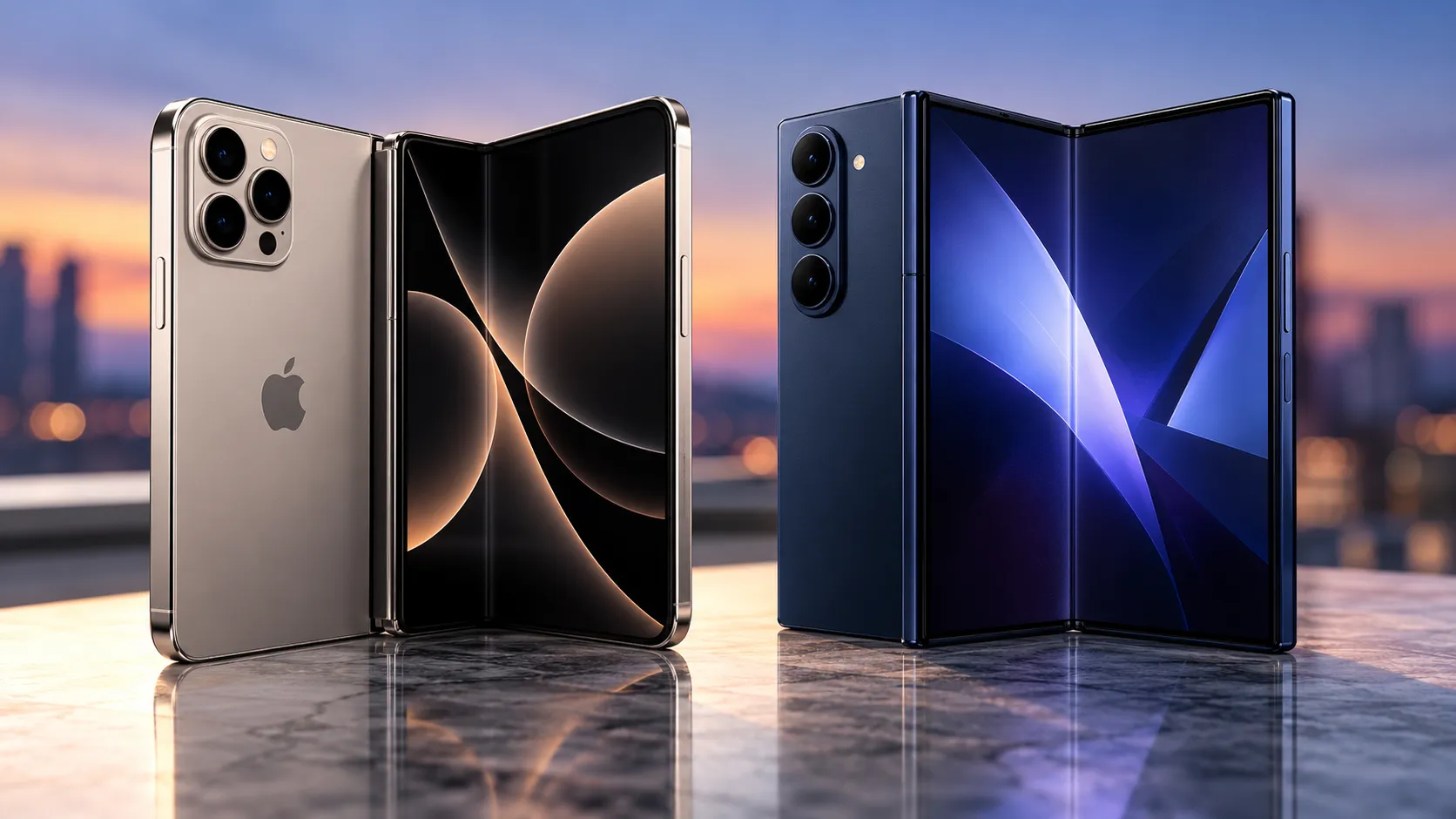
The Galaxy S26 series presents divergent outcomes for potential buyers based on geographic location and market positioning. US consumers stand to benefit from flagship features delivered at familiar price points, while international buyers should anticipate potential premium adjustments. The strategic pricing approach extends beyond the main Galaxy S series, as the price freeze reportedly extends to Samsung's foldable lineup, with the Galaxy Z Fold 8 and Flip 8 also maintaining current pricing levels.
Samsung's willingness to absorb higher costs demonstrates the strategic importance of the US market and the company's confidence in long-term volume growth offsetting short-term margin compression. This approach signals how premium smartphone manufacturers must navigate an increasingly complex landscape where component costs, currency fluctuations, and competitive positioning all influence pricing decisions.
For consumers, the Galaxy S26 series could represent exceptional value delivery—cutting-edge technology without typical cost escalation, provided you're shopping in Samsung's priority markets. The broader industry implications suggest manufacturers increasingly view stable pricing as essential for maintaining premium market position, even when it requires significant financial sacrifice in the near term.







Comments
Be the first, drop a comment!