





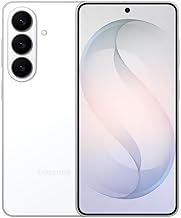
Samsung is finally ready to deliver on its satellite connectivity promises, and the Galaxy S26 appears positioned to introduce a feature we've been waiting years to see: full satellite voice calling. After watching Samsung tease enhanced satellite capabilities for what feels like forever, according to Android Central, the upcoming Galaxy S26 may be the first device to bring comprehensive satellite communication together in one package.
This is an upgrade from simple SOS texting to full-featured satellite communication. What makes this particularly significant is the timing—while competitors like Apple remain focused on emergency messaging, Samsung appears ready to make satellite connectivity as routine as connecting to Wi-Fi.
The tech behind Samsung's satellite ambitions
Let's break down what makes this possible: Samsung's new Exynos Modem 5410. This chip represents Samsung's answer to the satellite connectivity puzzle, combining both satellite and standard cellular connections in a single component. The modem supports 3GPP Release 17, which serves as the global standard for modern satellite communication, as noted by Android Central.
Here's where Samsung's approach gets strategically interesting—the focus on power efficiency. The company claims the new chip consumes less power while maintaining stable connections. This addresses one of the biggest practical barriers to satellite connectivity: battery drain. Early satellite phone implementations were notorious power hogs, but Samsung appears to have solved this fundamental challenge.
The technical architecture reveals Samsung's ambitious three-pronged strategy. The modem integrates LTE DTC, NB IoT NTN, and NR NTN on a single chip, each serving distinct purposes, according to Digital Trends. LTE DTC (Long Term Evolution Direct to Cell) is the breakthrough capability—Samsung describes it as expanding capabilities to enable voice calls, a clear step beyond basic emergency messaging.
The chip's 4nm EUV process delivers reduced standby power consumption while advanced security features protect sensitive data like IMEI information. These aren't just technical specifications—they represent the foundation for making satellite connectivity practical enough for mainstream adoption.
Three-tiered satellite connectivity approach
Samsung's strategy creates an intelligent fallback system that adapts communication quality to available bandwidth and user needs. Think of it as having multiple backup plans that automatically engage based on your situation and network conditions.
At the foundation level, NB IoT NTN (NarrowBand Internet of Things Non-Terrestrial Networks) handles essential communication like location sharing and basic text transmission through satellites, even in remote areas like deserts or oceans. This portion has been certified by Skylo, providing reliability assurance for emergency scenarios.
The middle tier represents the real breakthrough for everyday users—voice calling through LTE DTC. This bridges the gap between emergency-only texting and premium features, potentially making satellite connectivity genuinely useful for regular communication needs rather than just survival situations.
At the premium tier, NR NTN (New Radio Non-Terrestrial Networks) enables high-quality communication, including video calls. This creates a layered fallback system: basic texts and location sharing at the entry level, voice calling as the crucial middle tier, and high-quality communication at the top.
Samsung is positioning this as a premium modem rather than a specialized add-on, signaling these capabilities will be standard features rather than optional extras that only enthusiasts pursue.
Building on the current Galaxy S25 foundation
Samsung's satellite ambitions build on proven technology. The Galaxy S25 series already demonstrates emergency SOS capabilities through Skylo's network, allowing users to connect with emergency services and send texts beyond cellular networks, according to CNET. This existing foundation provides crucial real-world performance data that informs S26 development.
Skylo's established satellite network offers significant advantages through already-deployed satellite constellations covering a combined 50 million square kilometers, per CNET. The company is actively developing voice call capabilities that could arrive as early as late 2025, though mid-2026 remains possible.
Current Galaxy S25 performance metrics demonstrate impressive reliability. Initial emergency messages transmit in approximately three to four seconds, while subsequent responses from providers arrive within five or six seconds, according to Android Authority. This speed makes the technology genuinely practical rather than just theoretically functional.
The S25's intelligent connectivity system automatically connects to the strongest available signal across Canada and the US through Skylo's ground stations that interface with satellites from multiple providers. This multi-provider approach ensures reliability while avoiding vendor lock-in that could limit coverage or increase costs.
What this means for smartphone users
The implications extend far beyond emergency scenarios toward fundamentally changing how we think about smartphone connectivity. Samsung's approach suggests satellite features will become standard rather than premium add-ons, but crucial implementation details remain unconfirmed.
Key unknowns include which Galaxy models will include the modem, whether satellite voice calling will be available at launch, and where these services will be supported. Until Samsung provides these specifics, we should view the Exynos Modem 5410 as demonstrating capability rather than confirmed features.
The competitive landscape reveals why Samsung is moving aggressively. SpaceX has been testing Starlink satellite-to-phone services through T-Mobile, including voice calls and data planned for later this year, according to PCMag. AST SpaceMobile is developing a satellite constellation to provide similar capabilities for AT&T and Verizon customers, and Apple is preparing to invest over $1 billion in partnering with Globalstar to build a new satellite constellation, according to the same source.
This competitive intensity suggests satellite connectivity will rapidly become table stakes for flagship smartphones. We're transitioning from a world where satellite communication was specialized emergency technology to one where it's seamlessly integrated connectivity that phones manage automatically alongside Wi-Fi and cellular networks.
The road ahead for satellite communication
Samsung's satellite voice calling initiative represents more than feature addition—it's positioning for a fundamental connectivity paradigm shift. The company is establishing groundwork for significant Galaxy S26 satellite connectivity advancement through its Exynos Modem 5410 development.
Early reports indicate Samsung intends to offer voice support for satellite calls immediately upon launch, which would be a major leap forward in practical satellite communication. Meanwhile, Skylo continues advancing SMS and voice call functionality for future developments, ensuring the Galaxy S26 will benefit from continuous infrastructure improvements.
The convergence of multiple satellite providers, improved chip efficiency, and growing carrier support creates ideal conditions for Samsung's ambitious connectivity goals. Hardware is becoming more capable and efficient, satellite infrastructure is expanding rapidly, and carriers are competing to offer these services as differentiators.
Bottom line: if Samsung delivers on these capabilities, the Galaxy S26 could redefine smartphone connectivity expectations, making satellite communication as routine as GPS or mobile data. The question isn't whether this technology will work—it's how quickly it becomes something we take for granted, transforming from an emergency feature to an everyday connectivity option.



Comments
Be the first, drop a comment!