



Samsung's latest modem announcement represents a pivotal moment for the Galaxy S26 series. The Exynos Modem 5410 unifies satellite connectivity and advanced 5G capabilities within a single chip, according to Android Central. This isn't merely another incremental upgrade—it's Samsung's strategic leap into next-generation mobile connectivity, potentially positioning Galaxy devices to compete directly with satellite-enabled competitors like the iPhone. The timing aligns perfectly with Samsung's preparation for what could be its most technically ambitious smartphone lineup yet.
What makes this development particularly significant is the modem's implementation of 3GPP Release 17 standards, which form the technological backbone enabling satellite-based mobile communication, as reported by Android Central. Samsung's engineering achievement lies in designing a chip architecture that manages dual connectivity—seamlessly handling both satellite and cellular connections within a unified component while addressing the complex signal processing requirements of each technology, according to the same source.
The power efficiency gains deserve special attention here. Satellite connectivity traditionally demands significant energy, but Samsung engineered the new chip to consume less power while maintaining stable connections across both terrestrial and non-terrestrial networks, Android Central notes. This represents a crucial advancement for real-world usability—satellite features become viable for everyday users only when they don't devastate battery life.
How this fits into Samsung's bigger chipset strategy
Samsung's Galaxy S26 approach reveals a fundamental architectural shift from previous generations. The company recently unveiled the Exynos 2600, marking the world's first smartphone processor built on a 2nm manufacturing process, according to Android Headlines. However, this flagship processor breaks from tradition by omitting an integrated 5G modem, reportedly pairing with an external Shannon 5410 modem.
This represents a departure from Samsung's established "System-on-Chip" philosophy, where CPU, GPU, and modem components historically coexisted on single silicon, Android Headlines explains. The architectural decision stems from silicon real estate constraints, but enables Samsung to dedicate precious 2nm space to performance cores and AI processing units rather than communication hardware, according to the same report.
This trade-off yields substantial performance dividends: the Exynos 2600 delivers a 39% increase in CPU performance and a 113% boost in NPU power compared to its predecessor, Android Headlines notes. These gains translate directly to faster app launches, more responsive AI features, and significantly improved computational photography processing—the kinds of improvements users actually experience daily.
What this means for Galaxy S26 performance
The external modem architecture creates both opportunities and engineering challenges. Samsung can now optimize each component independently for peak performance, while introducing an innovative "Heat Path Block (HPB) — a new heat-transfer/thermal dissipation design that Samsung says improves heat dispersion via HPB and High-k EMC. This thermal management system becomes critical when dealing with the heat generation from both high-performance computing and satellite signal processing.
The potential downside involves energy efficiency trade-offs. External modem placement typically increases power consumption because data transfer between the processor and cellular hardware requires additional energy for inter-chip communication, Android Headlines warns. Samsung appears to be prioritizing raw computational capability and manufacturing yield optimization over traditional integrated design efficiency, according to the same source.
Some vendors have separated modems from SoCs in product variants; this has trade-offs and should be treated as a market observation rather than firm precedent for maintaining solid battery performance despite separate communication chips, Android Headlines points out. The key lies in optimizing power management protocols and thermal design—areas where Samsung's new Heat Path Block technology could prove decisive.
The bigger picture for Galaxy S26 launch strategy
Samsung's modem announcement arrives amid reports of an accelerated Galaxy S26 launch timeline. Industry sources suggest Samsung some reports (e.g., PhoneArena) suggested an earlier pre-order window, but launch timing remains unconfirmed and other outlets report different dates. This acceleration continues the trend of progressively earlier Galaxy S series debuts each year, the same source notes.
The strategic timing makes sense: Samsung's satellite connectivity capabilities finally match competitive offerings while delivering significant performance improvements through the 2nm process node advantage. Early benchmark results show the Exynos 2600 performing competitively against Qualcomm's latest flagship offerings, according to Android Police.
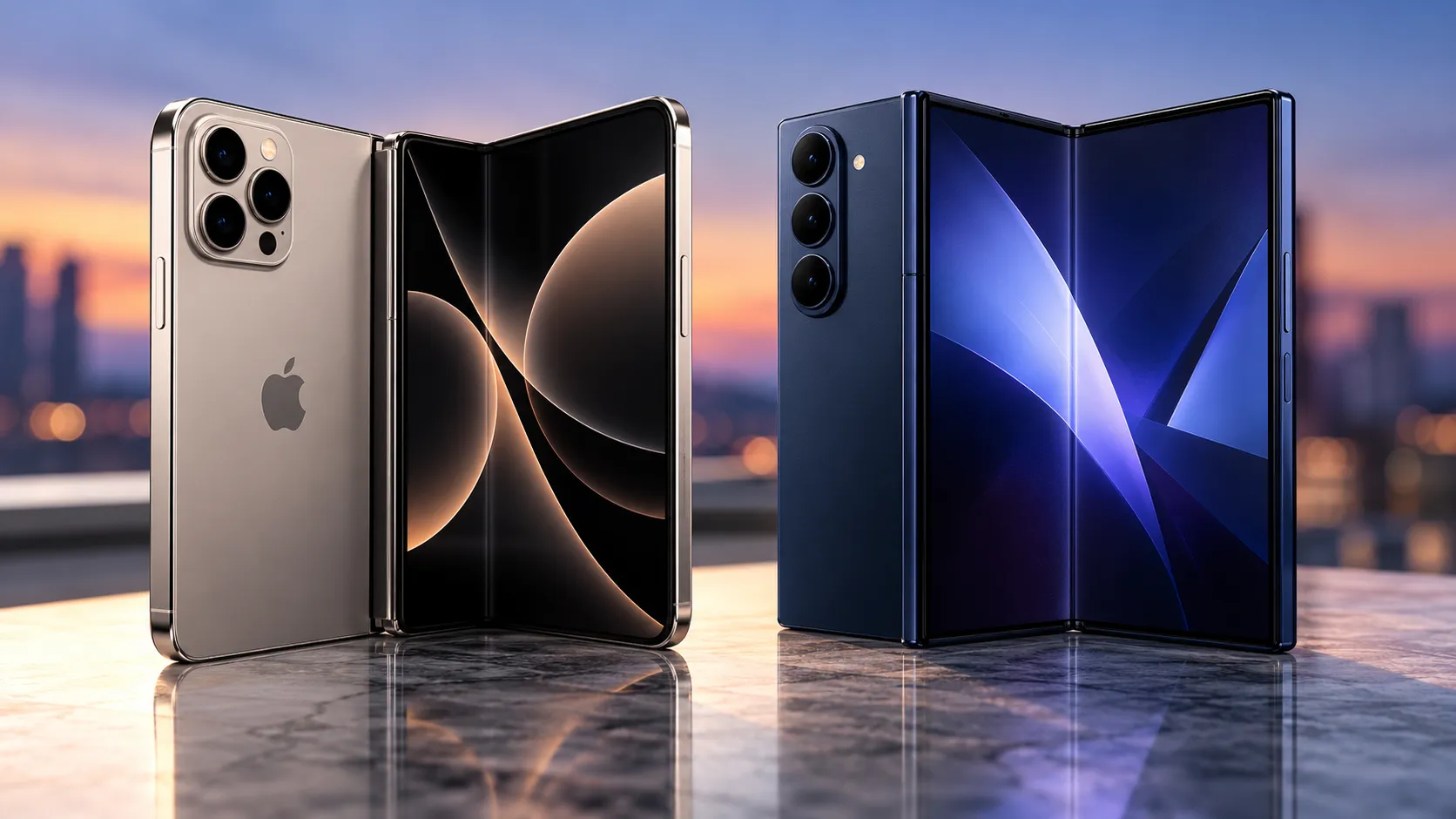
The ultimate success depends on Samsung's execution of the integration between its advanced 2nm processor and external modem architecture, Android Headlines concludes. For Galaxy S26 users, this could deliver the long-awaited satellite connectivity that matches iPhone capabilities, combined with industry-leading processing performance. Samsung isn't just catching up to competitors—they're potentially leapfrogging them with a more sophisticated approach to balancing satellite communications, thermal management, and computational power within the constraints of cutting-edge semiconductor manufacturing.







Comments
Be the first, drop a comment!