





Samsung posted record companywide results for the second quarter of 2026, but its smartphone business struggled to turn strong Galaxy sales into profit. The company reported KRW 171.5 trillion in consolidated revenue and KRW 89.5 trillion in operating profit, while higher component costs weighed on its mobile division.
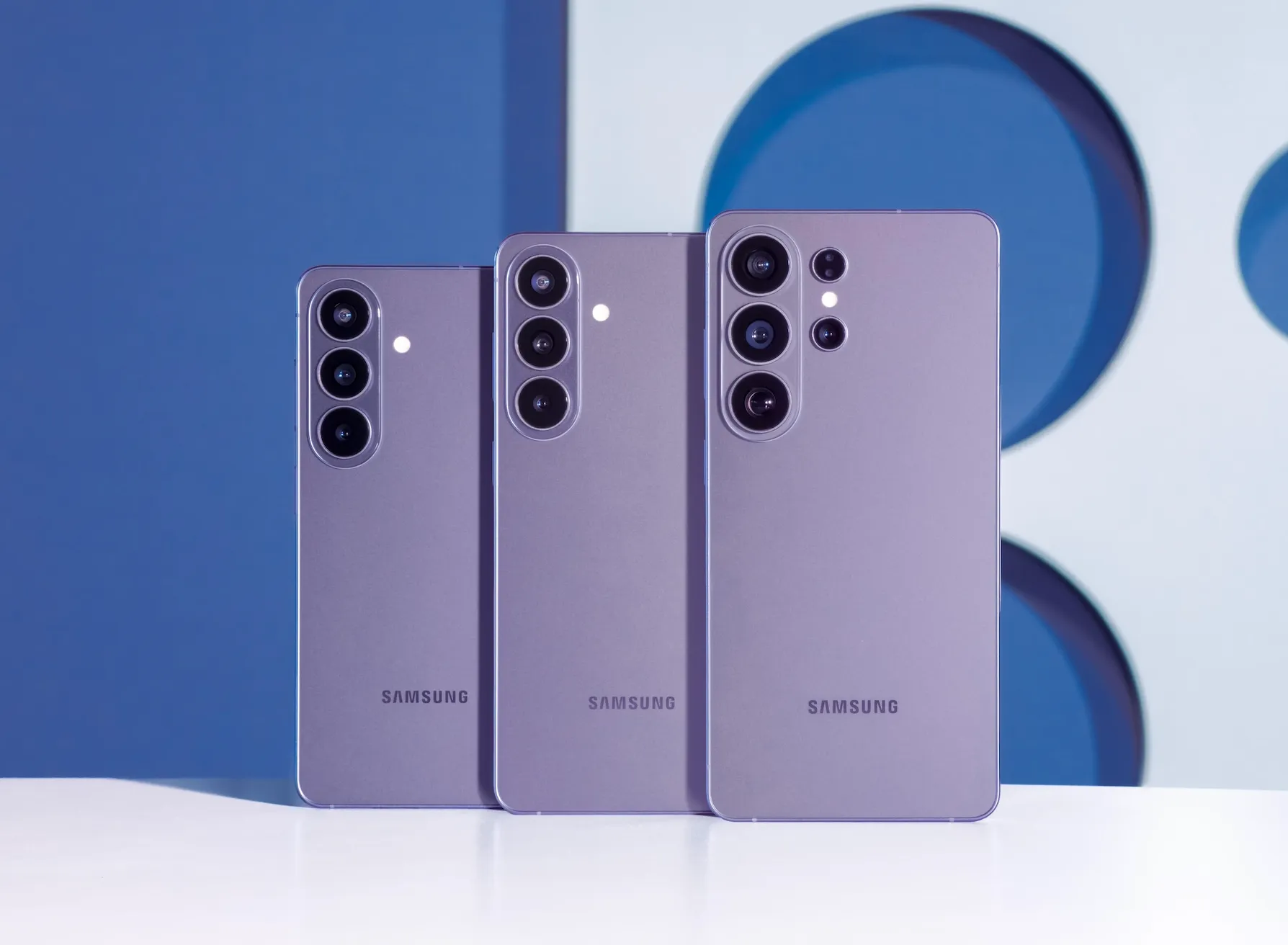
The pressure comes as Samsung prepares to release the Galaxy S26 FE and Galaxy Tab S12 series later in 2026. Samsung has not announced official pricing for either product, but a leak from France suggests that every Galaxy S26 FE storage option could cost more than its predecessor.
That combination does not prove Samsung is passing its higher costs directly to buyers. It does, however, put more attention on whether the next Fan Edition phone can maintain its value-focused position if the leaked prices are accurate.
Higher costs weigh on Samsung's mobile business
Samsung's July 7 earnings guidance projected approximately KRW 171 trillion in sales and KRW 89.4 trillion in operating profit. The finalized figures reported later in July came in slightly higher, producing another record quarter for the company as a whole.
Most of that strength came from Samsung's semiconductor operations. Its Device Solutions division increased sales 56% from the previous quarter as demand from AI servers drove record results for the Memory Business.
The mobile side had a more difficult quarter. According to Android Central's report on Samsung's results, sales of the Galaxy S26 and Galaxy A series supported year-over-year revenue growth, but rising component costs reduced profitability.
Samsung reports its Mobile eXperience and Networks operations together, limiting how precisely the results can be divided among smartphones, tablets and network equipment. The company therefore has not disclosed how much of the pressure came from any individual Galaxy product category.
During the earnings discussion, Samsung also said it plans to extend the Galaxy S26 series with the S26 FE in the second half of 2026. The Galaxy Tab S12 series is also expected later in the year, although Samsung has not released specifications, prices or firm launch dates.
Galaxy S26 FE leak points to higher prices
A French pricing leak lists the Galaxy S26 FE at €749 with 128GB of storage, €809 with 256GB and €929 with 512GB.
Compared with the reported French pricing for the equivalent Galaxy S25 FE models, those figures would represent increases of €50, €90 and €150, respectively.
The leak also points to a September 1, 2026, release in France. Samsung has not confirmed the date, storage configurations or prices, so the information remains subject to change before launch.
French prices include taxes and should not be converted directly into expected prices for the United States, United Kingdom, India or other markets. Trade-in credits, preorder offers and free storage upgrades could also change what buyers ultimately pay.
Even with those qualifications, a €749 starting price would put more pressure on the S26 FE's appeal. Fan Edition phones typically offer features associated with Samsung's flagship line at a lower price. A larger increase could place the S26 FE closer to discounted Galaxy S26 models and other premium Android phones.
The base model is also reportedly keeping 128GB of storage. Buyers would therefore be paying more without receiving the 256GB starting capacity that Samsung adopted for the flagship Galaxy S26 series.
Galaxy Tab S12 pricing is still unknown
No similarly detailed Galaxy Tab S12 pricing leak has emerged. Samsung's comments about component costs show that its device business is under pressure, but they do not confirm that the new tablets will cost more than the previous generation.
Premium tablets use many of the same increasingly expensive components found in high-end phones, including memory and storage. That makes a Tab S12 increase plausible, but any specific price prediction would remain speculative until Samsung announces the lineup or reliable retail information appears.
Official launch details will determine whether the leaked S26 FE prices are accurate and whether the Tab S12 faces a similar increase. For now, the clearest question surrounds the S26 FE: whether Samsung can raise its price without eroding the value that distinguishes a Fan Edition phone from the company's full-priced flagships.




Comments
Be the first, drop a comment!