



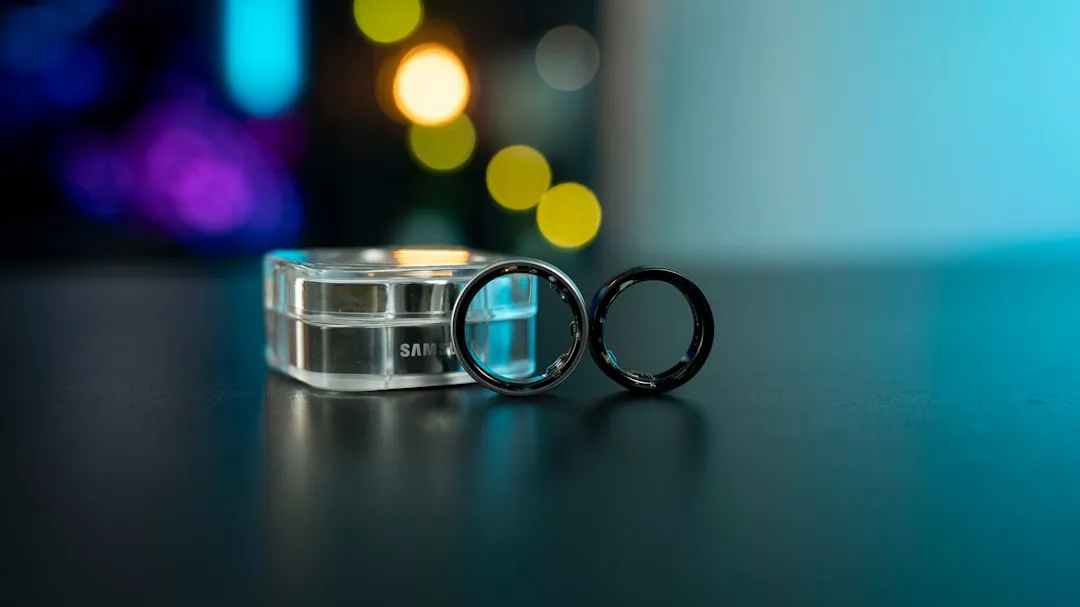
Samsung's Galaxy Ring burst onto the smart ring scene with considerable fanfare when it launched in July 2024, positioning itself as a sleek alternative to the established Oura Ring. The device promised comprehensive health tracking in a minimalist titanium design, featuring sensors for heart rate monitoring, sleep analysis, and activity tracking (Business Insider). However, recent developments suggest the path forward for Samsung's smart ring ambitions may be more challenging than initially anticipated, with industry insiders reporting strategic reassessment and mounting legal pressures (Android Police). The question now isn't just when we'll see a Galaxy Ring 2, but whether Samsung's commitment to the smart ring category remains as strong as it once appeared.
Sales struggles force strategic rethinking
Sometimes great products just don't catch on the way companies expect, and the Galaxy Ring is facing exactly this reality. Despite the initial excitement surrounding its launch, industry sources speaking to Korea JoongAng Daily indicate that Samsung is currently reevaluating its entire approach to the smart ring market due to disappointing commercial results (Android Police).
What makes this particularly puzzling is that Samsung appeared to have cracked the code on Oura's biggest weakness. At $400 with no subscription fees, the Galaxy Ring undercut Oura's business model, which requires users to pay an additional $6 monthly just to access their health insights (Business Insider). Yet this competitive advantage failed to translate into the market traction Samsung needed.
The company's response tells the real story. Samsung hasn't released even basic updates like new colors or finishes throughout 2025, instead channeling all their wearable resources toward the redesigned Galaxy Watch 8 series (Android Police). This strategic pivot suggests Samsung is retreating to familiar territory while leaving their ring experiment in uncertainty.
Development timeline pushes Galaxy Ring 2 to 2026
While Samsung has reportedly begun early development work on the Galaxy Ring 2, anyone expecting a quick turnaround will be disappointed. Development efforts remain in what industry insiders call "preliminary stages," making a 2025 launch essentially impossible according to multiple reports (Gizmochina).
But here's where Samsung's approach becomes interesting: the Galaxy Ring 2 might not even debut alongside the Galaxy S26 series launch in early 2026, potentially arriving later that year or beyond (Android Police). Rather than rushing incremental updates to keep the product line visible, Samsung appears focused on substantial technological improvements—enhanced biometric sensors, advanced AI integration, and breakthrough battery technology (TechOWish).
This measured approach contrasts sharply with typical tech industry cycles, where companies often prioritize regular releases over meaningful innovation. Samsung seems willing to take the time necessary to address the fundamental limitations that may have contributed to the original's commercial struggles.
Patent battles complicate the landscape
As if market challenges weren't enough, Samsung now faces escalating legal warfare that could significantly impact future Galaxy Ring development. In mid-November, Oura filed a complaint with the International Trade Commission, alleging patent infringement by Samsung and several other smart ring manufacturers including Zepp, Reebok, and Nexxbase (Android Police). This aggressive move follows Oura's successful patent claims against other competitors like Circular, Omate, and RingConn, which were resolved through licensing agreements (Android Police).
Samsung's December 1st counter-lawsuit reveals the stakes involved. The company claims Oura infringes on Samsung patents related to exercise goal generation, accelerometer calibration, and charging platform interactions (Android Police). Unlike smaller competitors who settled through licensing, Samsung has the resources and patent portfolio to fight back, potentially reshaping how intellectual property disputes play out in the emerging smart ring market.
This legal entanglement introduces variables beyond Samsung's control that could influence development timelines, feature sets, and market strategy for years to come. Patent disputes in the wearables space often drag on for extended periods, creating uncertainty that makes long-term product planning increasingly complex.
What the future holds for Samsung's smart ring ambitions
Despite current headwinds, Samsung hasn't abandoned the Galaxy Ring concept entirely. The original device's technical foundation remains genuinely impressive—up to seven days of battery life in a slim 7.0mm titanium design with comprehensive health tracking capabilities (Business Insider). The engineering achievement of cramming this functionality into such a compact form factor shouldn't be underestimated.
However, Samsung's real challenges lie in software execution and user experience. The Galaxy Ring's health insights feel minimal compared to Oura's offerings—essentially providing a simple energy score and basic sleep stages without actionable guidance. Activity detection remains limited to walking and running, with no auto-tracking for strength training or cycling (Business Insider). Perhaps most frustrating for users is the confusing app ecosystem that requires navigating between both the Wear app and Samsung Health (Business Insider).
When the Galaxy Ring 2 eventually arrives, expect Samsung to address these fundamental software and experience gaps rather than focusing on hardware refinements. The extended development timeline suggests meaningful advances in health monitoring, AI-driven insights, and potentially Samsung's developing solid-state battery technology with 360Wh/L energy density (Gizmochina).
Bottom line: Samsung's smart ring journey illustrates how even tech giants can struggle to crack new product categories. The company's willingness to take a measured approach rather than rushing to market with incremental updates could ultimately serve them well—if they maintain commitment through the current challenges and legal complexities.




Comments
Be the first, drop a comment!