



The latest whispers from the tech rumor mill suggest Samsung might be cooking up something genuinely extraordinary with the Galaxy Z Fold 8. You know how Samsung's been playing it somewhat safe with recent foldable iterations? Well, that could all change next year. The device has already shown up in a GSMA filing with model number SM-F971U and the intriguing codename "H8," and here's the kicker—this isn't just another incremental upgrade we're talking about.
What's got everyone buzzing is the possibility of a completely reimagined form factor that could fundamentally change how we think about foldable phones. The model number SM-F971U clearly positions this as a Fold variant, not a Flip device, and the "U" suffix confirms Samsung's planning to bring this innovation to American consumers. After years of refining the same basic formula, Samsung seems ready to shake things up in a way that could finally deliver on the foldable promise we've been waiting for.
What makes this "wide" design so intriguing?
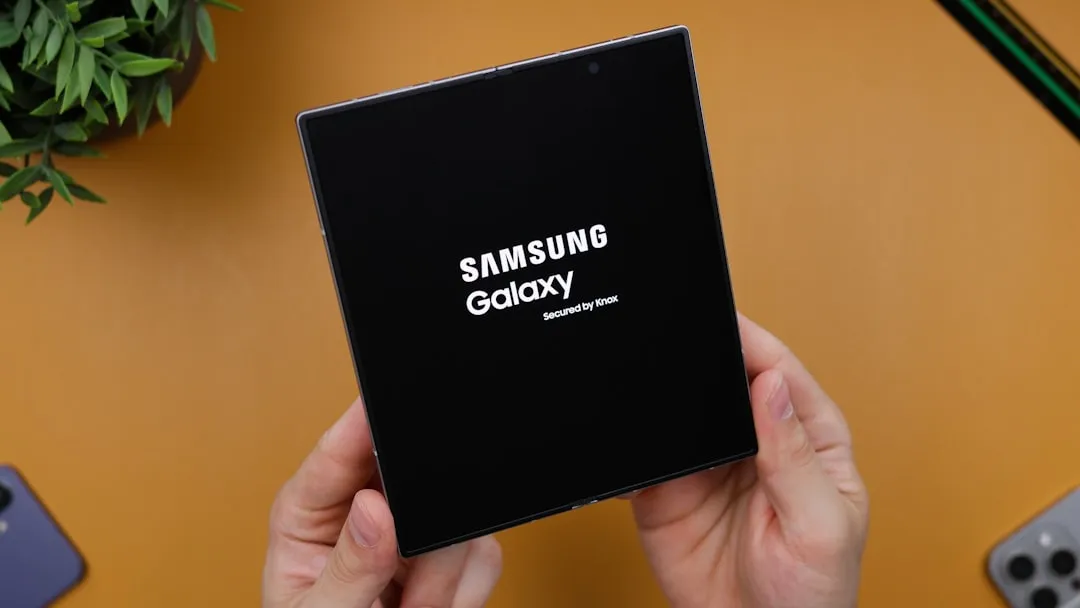
Here's where things get really interesting. Instead of sticking with the tall, narrow displays we've grown accustomed to seeing on foldables, Samsung is reportedly developing something that takes a completely different approach. Reports indicate the company is working on a model that combines dual 18:9 screens to create an internal display with a nearly square 18:18 aspect ratio.
Think about what this means for productivity workflows. The current Z Fold series has always felt like you're unfolding a tall, skinny tablet that's awkward for document editing, video calls, or running multiple apps side by side. But with this wide approach, you'd be getting something that prioritizes horizontal real estate—imagine having two full-width documents open simultaneously, or running a video conference while taking notes without everything feeling cramped.
This design philosophy addresses one of the biggest complaints about current foldables: that awkward aspect ratio that never quite feels right for serious work. Samsung is reportedly aiming to finalize the details surrounding this phone by the end of September or early October, suggesting they're taking this concept seriously enough to potentially launch it alongside the standard Z Fold 8.
The more I think about it, the more this feels like Samsung acknowledging what Google got right with the Pixel Fold series—that wider, more natural aspect ratio when unfolded. Samsung has obviously been paying attention, and it looks like they're ready to offer their own take on the concept while potentially giving users choice between form factors.
Revolutionary display technology could eliminate the crease forever
Here's what might be the most exciting part of the Z Fold 8 story: Samsung appears to have found a solution to the crease problem that's plagued every foldable phone since day one. The company is reportedly implementing laser-drilled metal plate technology that could make that persistent fold line virtually disappear.
Let me break this down. Current foldables use a titanium metal plate to support the folding display, but Samsung's new approach involves precisely drilling microscopic patterns into the metal substrate using laser technology. This technique is designed to distribute stress across the folding display more evenly, potentially making the crease nearly invisible to both sight and touch while significantly improving long-term durability.
What makes this even more compelling is that Samsung has already demonstrated the underlying technology. Samsung has already unveiled Montflex, its next-gen display technology which is supposed to turn this crease-free display experience into a reality. This isn't just theoretical anymore—this is tech that Samsung has actually showcased, working in conjunction with the laser-drilling innovation to create what could be the first truly seamless foldable experience.
The timing couldn't be better for Samsung to perfect this technology. Apple has delayed its foldable iPhone until 2027, giving Samsung a clear runway to establish technological superiority before their biggest competitor even enters the market. If they can truly eliminate the crease in 2026, that's going to transform how people perceive foldables—from feeling like experimental gadgets to premium devices that rival traditional smartphones.
Power and productivity features make a comeback
One area where Samsung has been frustratingly conservative is battery capacity, and it's been a real limitation for users who want to use these devices as true productivity machines. The Z Fold series has been stuck at 4,400mAh since the Z Fold 3, which is honestly inadequate for a device that needs to power two displays while handling intensive multitasking workloads.
But the Z Fold 8 looks set to finally address this limitation in a meaningful way. Samsung is reportedly planning to increase battery capacity to over 5,000mAh, representing a substantial 600mAh jump from the current capacity. For context, that's the difference between a device that barely survives a demanding workday and one that confidently handles heavy productivity tasks, extended video calls, and media consumption without constantly hunting for charging cables.
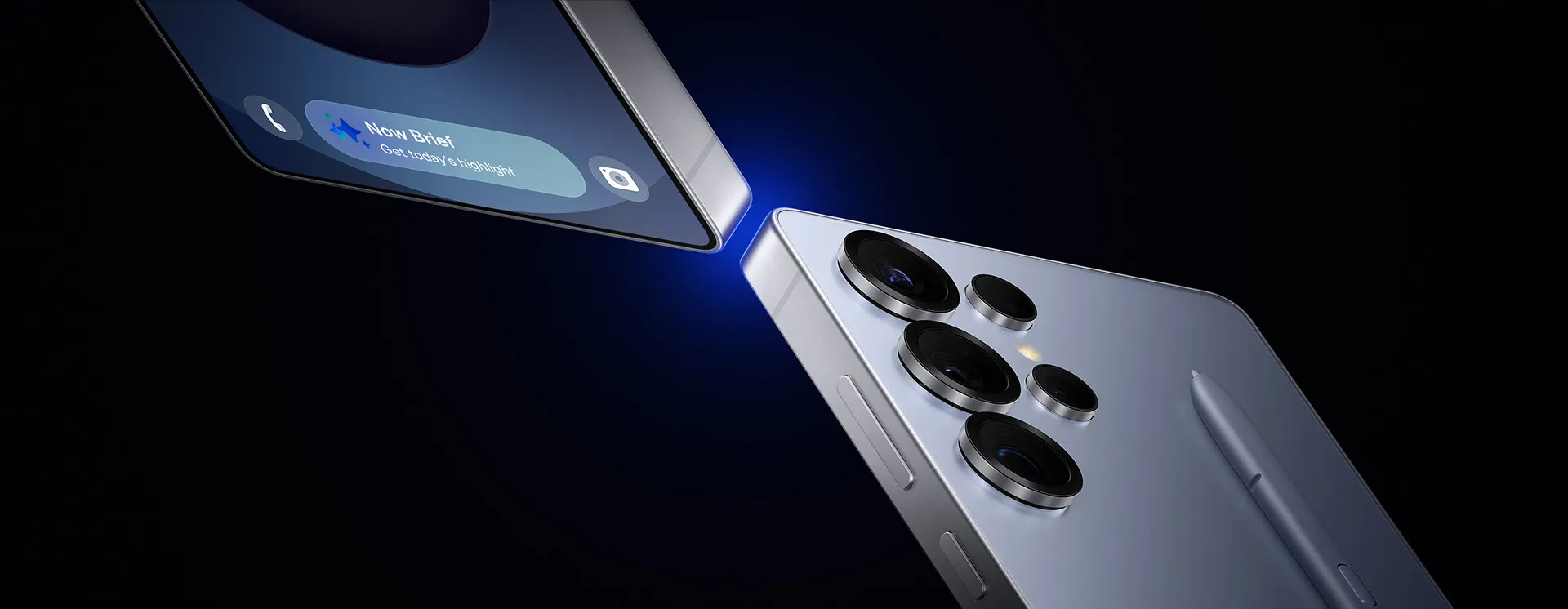
Even more exciting for productivity users is the expected return of S Pen support. Samsung made the controversial decision to drop stylus compatibility with the Z Fold 7 in pursuit of a thinner design, but S Pen support is expected to return with the Z Fold 8. The fascinating part is how they're approaching this challenge. Samsung appears to be researching a potential alternative stylus solution that doesn't rely on a digitizer layer to work.
This could be a genuine breakthrough if they pull it off. Imagine getting the productivity benefits of precise stylus input for note-taking, sketching, and document annotation without the thickness penalty that's historically come with digitizer layers. Combined with that wider screen format and improved battery life, this could finally deliver on the promise that foldables have been making for years: a true laptop alternative that fits in your pocket.
The competition heats up as Apple enters the race
Samsung's aggressive timeline and ambitious feature set for the Z Fold 8 makes perfect sense when you consider the competitive landscape they're preparing for. While Apple's foldable iPhone has been pushed back to 2027, Samsung clearly wants to establish both technological superiority and market dominance well before that competition arrives.
What's particularly fascinating is the technology-sharing dynamic at play here. The laser-drilling technology Samsung plans to implement will likely be shared with Apple through Samsung Display, creating this interesting situation where Samsung is essentially supplying the very innovation that could power its future rival's foldable ambitions. But being first to market with perfected technology gives Samsung a crucial advantage in establishing consumer expectations and brand loyalty.
With a likely July 2026 launch window, Samsung will have a full year to demonstrate the superiority of their approach, refine manufacturing, and potentially capture enterprise customers who've been waiting for foldables mature enough for serious business use. That's a substantial head start in what could become the most important mobile technology transition since the smartphone itself.
The development timeline also shows Samsung's serious commitment to this vision. A Samsung South Africa executive told Android Authority that "A Fold 8 is already in design" back in July 2025, confirming this isn't just wishful thinking but concrete plans already in motion with dedicated engineering resources and executive backing.
What this means for the future of mobile computing
If Samsung can execute on even half of these rumored improvements, the Galaxy Z Fold 8 could represent the genuine inflection point where foldables transition from expensive curiosities to mainstream productivity tools. Consider the transformation: a device that eliminates the visible crease, offers genuine all-day battery life with intensive use, brings back productivity-focused S Pen support, and potentially introduces a more natural wide-screen form factor optimized for real work.
These improvements directly address the three biggest barriers that have kept mainstream users and enterprise customers away from foldables. The visible crease has always made these devices feel unfinished, like premium experiments rather than polished products. Poor battery life has limited their usefulness as primary devices for professionals who can't afford downtime. And the removal of S Pen support felt like a step backward for the very users who could benefit most from foldable technology—those who need versatile tools for note-taking, design work, and document collaboration.
The wide design variant particularly intrigues me because it acknowledges something crucial: different users have fundamentally different needs from their foldable devices. Some people prioritize media consumption and want that tall, narrow form factor for social media and video. Others need something that feels more natural for productivity tasks, document editing, and professional multitasking. By potentially offering both options, Samsung could significantly expand the appeal of foldables beyond early adopters.
What's encouraging is that Samsung executives have confirmed that development is already underway, suggesting these aren't just speculative features but improvements Samsung is actively engineering and testing. The company has been methodically addressing foldable limitations generation by generation, and the Z Fold 8 represents their most ambitious leap yet—potentially the device that finally transforms the entire mobile landscape in 2026.







Comments
Be the first, drop a comment!