



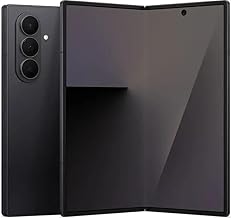


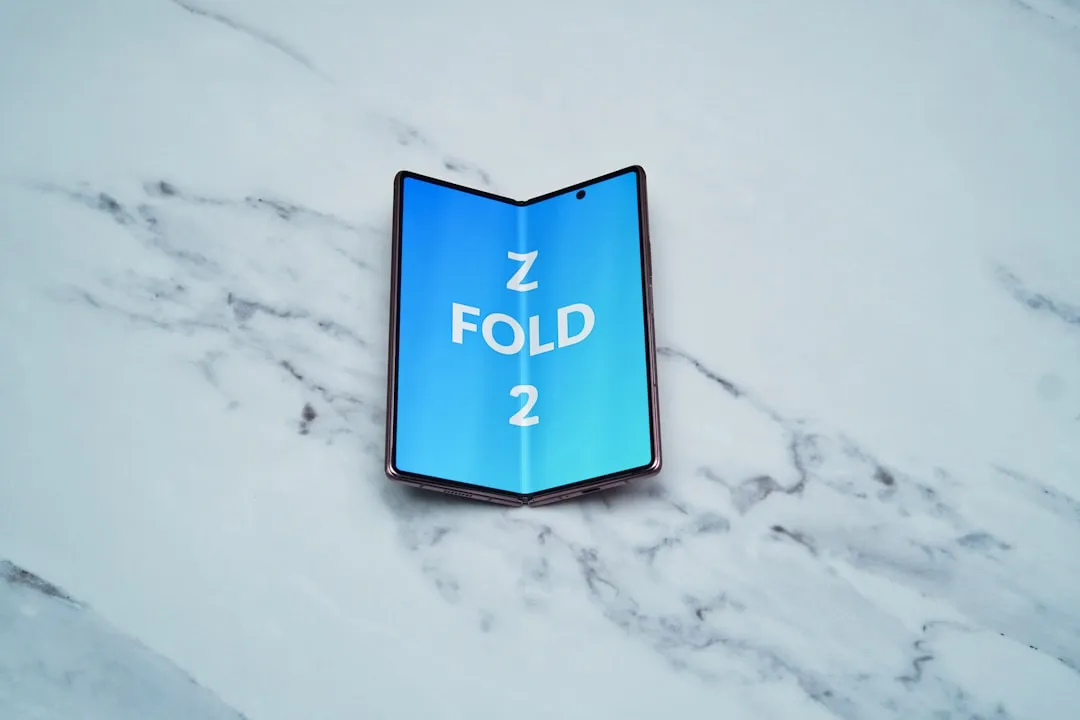
Samsung has been quietly perfecting the foldable formula for years, and you shouldn't wait for flashy new experiments when the company's masterpiece is sitting right in front of you. The Galaxy Z Fold 7 represents years of foldable refinement that shouldn't be overlooked while waiting for the flashy new Galaxy Z TriFold. Samsung has systematically improved its foldable technology across seven generations, addressing previous shortcomings with each iteration. The Galaxy Z Fold 7 delivers mature engineering with a slimmer profile, enhanced camera capabilities, and extensive software support that benefits from years of development. Meanwhile, the Galaxy Z TriFold, while innovative with its 10-inch display and dual-hinge design, won't arrive in the U.S. until early 2026 and carries a premium price tag of approximately $2,500.
Why the Galaxy Z Fold 7 hits the sweet spot right now
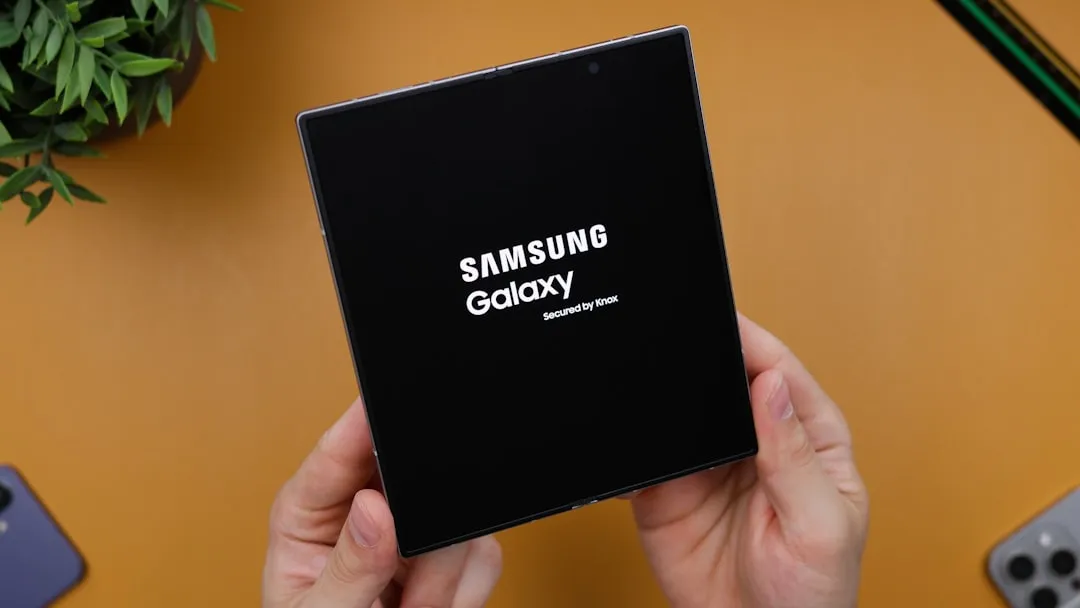
Here's what you need to know: Samsung's latest traditional foldable showcases the company's mastery of single-hinge design after seven generations of iteration. The device features an 8-inch OLED screen, 200MP camera, and Snapdragon 8 Elite for Galaxy chipset that matches many flagship specifications. What sets it apart is Samsung's proven track record of refining what works and eliminating what doesn't through continuous development.
The Z Fold 7 also includes a 4,400mAh battery and comprehensive software support that ensures long-term usability. This isn't just about having cutting-edge specs on paper—it's about Samsung taking everything they've learned from previous generations and creating something that actually works reliably in your daily life.
Consider the tangible improvements Samsung has delivered: the Galaxy Z Fold 7 is now thinner and lighter than traditional flagships like the Galaxy S25 Ultra and iPhone 16 Pro Max. The company has dramatically reduced crease visibility, improved hinge durability to withstand hundreds of thousands of fold cycles, and optimized the software experience for multitasking productivity. You're getting the benefit of all that iterative development, plus the peace of mind that comes with a mature product category.
The TriFold's impressive specs come with significant trade-offs
Now, don't get me wrong—the Galaxy Z TriFold certainly brings impressive hardware to the table with its massive 10-inch display and innovative dual-hinge mechanism. Samsung has packed a 5,600mAh battery across three cells, making it the largest battery the company has ever included in a foldable device. The device also features 45W wired charging compared to the Z Fold 7's 25W speed and includes 16GB of RAM across both storage configurations.
But here's where things get interesting (and not necessarily in a good way). These advantages come with notable compromises including a thickness of 12.9mm when folded and weight that's approximately 50% heavier than the Z Fold 7. That's a substantial difference when you're talking about a device you'll be carrying in your pocket all day.
The TriFold's approach of spreading components across three panels is clever engineering, but it creates new challenges. The larger battery capacity sounds appealing until you realize it needs to power three separate display sections and manage the complexity of two hinge mechanisms working in tandem. This engineering complexity translates to real-world limitations that impact daily usability in ways the Z Fold 7 simply doesn't face.
Proven reliability versus experimental innovation
The Galaxy Z Fold 7 benefits from Samsung's extensive experience in foldable engineering, representing a mature product category with established durability standards. Both devices share the same IP48 construction, but the Z Fold 7's single-hinge design has undergone years of real-world testing and refinement by millions of users across multiple device generations.
The TriFold introduces new engineering challenges with its dual-hinge mechanism, including two noticeable indents in the screen and potential durability concerns inherent to first-generation technology. Samsung has implemented vibration and alert systems to prevent incorrect folding, suggesting the complexity of the new mechanism requires user education and careful handling.
Think about it this way: when was the last time you needed your phone to alert you about how to use it properly? The fact that Samsung felt compelled to build in these safeguards tells you something about the inherent complexity of managing two fold points simultaneously. With the Z Fold 7, you've got a folding mechanism that's proven its reliability through extensive real-world testing, with Samsung having worked out the mechanical engineering challenges through multiple product cycles.
The durability advantage becomes even more pronounced when you consider that each hinge represents a potential point of failure, and the TriFold doubles that risk with its dual-hinge design. While Samsung's engineering is impressive, there's measurable value in the reliability that comes from proven, battle-tested technology.
Practical considerations that matter for daily use
Beyond specifications, the Galaxy Z Fold 7 offers practical advantages for everyday use that the TriFold currently cannot match. The Z Fold 7 commands a premium price that puts it above other flagship phones, but it's significantly more accessible than the TriFold's estimated $2,500 starting price.
The TriFold's innovative design creates specific usability challenges that extend beyond price. The device has difficulty sitting flat on surfaces due to its multi-panel construction, and features a fiberglass composite exterior that attracts fingerprints and feels less premium than traditional materials. These might seem like minor inconveniences, but they accumulate into meaningful usability friction when you're using the device every day.
The ecosystem advantages also favor the Z Fold 7. While both devices drop S Pen support, the Z Fold 7's established market presence provides better accessory options, more comprehensive repair infrastructure, and faster customer service resolution. When something goes wrong with your Z Fold 7, you can walk into most Samsung service centers and get help. With the TriFold's limited availability and experimental nature, you're looking at longer wait times, higher repair costs, and potentially limited parts availability.
The weight difference also creates practical implications for daily use. When you're holding a device for extended periods—whether you're reading, watching videos, or working—that additional 50% weight becomes noticeable. The TriFold transforms what should be a comfortable tablet experience into something that often requires two-handed operation and more frequent breaks during extended use.
The smart money is on proven excellence
While the Galaxy Z TriFold represents an exciting glimpse into foldable innovation, the Galaxy Z Fold 7 delivers the superior overall package for most users right now. Samsung has systematically addressed previous foldable flaws through seven generations of development, resulting in a device that balances cutting-edge features with proven reliability.
The Z Fold 7's combination of flagship performance, refined design, and established software support makes it the smarter choice over waiting for an experimental device that won't arrive until 2026. For users ready to embrace foldable technology today, the Galaxy Z Fold 7 represents Samsung's most accomplished foldable achievement rather than a stepping stone to something better.
Bottom line: the Galaxy Z Fold 7 gives you mature foldable technology that's been refined through years of real-world use, comprehensive software support, and proven durability—all at a more reasonable price point than the experimental TriFold. You're not just buying a phone; you're investing in Samsung's most polished expression of foldable technology, with the confidence that comes from choosing proven excellence over unproven innovation.









Comments
Be the first, drop a comment!