



Samsung's approach to the Galaxy S26 has just taken shape with a comprehensive leak that puts the entire lineup side-by-side with the S25 series. What's emerging is a picture of calculated refinement rather than revolutionary change. Recent side-by-side spec comparisons with the Galaxy S25 suggest Samsung is sticking to a familiar upgrade approach.
This comprehensive leak gives us our clearest picture yet of what Samsung has planned for 2026, and while some upgrades are modest, others signal meaningful improvements in key areas that matter most to users.
What's actually changing in the base Galaxy S26
The standard Galaxy S26 brings several notable improvements over its predecessor, starting with a slightly larger display experience. The standard Galaxy S26 bumps up to a 6.3-inch FHD+ display, slightly larger than the S25's 6.2-inch panel, while keeping the same 2,600 nits brightness and 1–120Hz refresh range.
This extra 0.1 inches might seem trivial, but it addresses one of the most common complaints about compact flagships—screen real estate for productivity tasks and media consumption. Combined with what appears to be more efficient bezel management, users should notice improved usability for multitasking and video viewing without significantly impacting one-handed use.
Under the hood, performance gets a significant boost with new chipset options that represent Samsung's most interesting strategic shift in years. The S26 will use either the Snapdragon 8 Elite Gen 5 or the Exynos 2600, depending on the region. This marks Samsung's return to regional processor variations after the S25 series achieved global Snapdragon consistency—a move likely driven by both cost considerations and Samsung's renewed confidence in their improved Exynos silicon development.
The regional split creates an interesting dynamic where markets like the US and China will likely receive Snapdragon variants, while European and Korean users may get Exynos 2600 models. This strategy allows Samsung to leverage their foundry business while potentially managing component costs across different market segments.
Battery life should see meaningful improvements beyond just raw capacity increases. The S26 features a 4,300mAh battery, an improvement over the S25's 4,000mAh pack. When combined with the efficiency gains from advanced 2nm or 3nm processing nodes in both chipset options, users should see tangible improvements in screen-on time, particularly during AI-intensive tasks that are becoming central to modern smartphone usage.
Camera hardware maintains familiar specifications while likely benefiting from significant behind-the-scenes improvements. The 50MP main camera and 12MP ultrawide remain unchanged on paper, and the 10MP 3× telephoto keeps the same sensor size. However, new sensor generations and enhanced computational photography processing—particularly AI-driven scene optimization and improved night mode algorithms—could deliver substantially better real-world results without the marketing noise of megapixel increases.
Storage configurations finally address one of the most practical user concerns. Storage could now start at 256GB, as the 128GB option could be on its way out. This change acknowledges that modern smartphone usage patterns—with larger app installations, 4K video recording, and extensive photo libraries—make 128GB inadequate for many users, eliminating a common source of buyer's remorse.
Galaxy S26 Plus: The middle ground gets refined
The Plus model maintains its position as the sweet spot in Samsung's lineup, though changes here reflect Samsung's strategic focus on perfecting proven formulas rather than experimenting with major departures. The Galaxy S26 Plus will have the same 6.7-inch QHD screen, brightness, and camera setup as its predecessor.
This conservative approach makes strategic sense given the Plus model's market positioning. Samsung appears to be betting that users drawn to the Plus size want reliability and refinement over cutting-edge experimentation, allowing them to focus engineering resources on the base model's broader appeal and the Ultra's flagship innovations.
Where the Plus model does evolve meaningfully is in core performance and efficiency optimization. The S26 Plus gets the new chipset options and a 4,900mAh battery, matching the power improvements seen across the lineup. The larger battery capacity combined with processor efficiency gains should deliver the kind of multi-day battery life that power users expect from a Plus-sized device.
The physical design refinements showcase Samsung's manufacturing maturity and engineering precision. The Plus model now weighs 194g, down from 190g, and is slimmer at 7.3mm, even with the same battery size. This weight reduction while maintaining identical battery capacity demonstrates advanced internal component layout and likely incorporates new materials or manufacturing processes that optimize space utilization.
These dimensional improvements address the primary criticism of large smartphones—that they feel unwieldy during extended use. The combination of reduced weight and thickness should make the Plus more comfortable for daily carry and extended usage sessions, particularly important for users who rely on their phones for productivity tasks throughout long workdays.
Galaxy S26 Ultra: Where the real upgrades live
The Ultra model represents Samsung's flagship ambitions and competitive positioning against Apple's Pro Max and Google's Pro models, which explains why most meaningful innovations are concentrated here. Display technology gets a substantial upgrade that should improve both power efficiency and visual quality in challenging conditions. The Galaxy S26 Ultra's display is still 6.9 inches at QHD, but Samsung may be using a new M14 OLED panel.
The M14 OLED represents Samsung Display's latest generation technology, offering improved power efficiency, better color accuracy, and enhanced outdoor visibility. This translates to longer battery life during typical usage while delivering superior performance in bright sunlight conditions where previous generations struggled with readability.
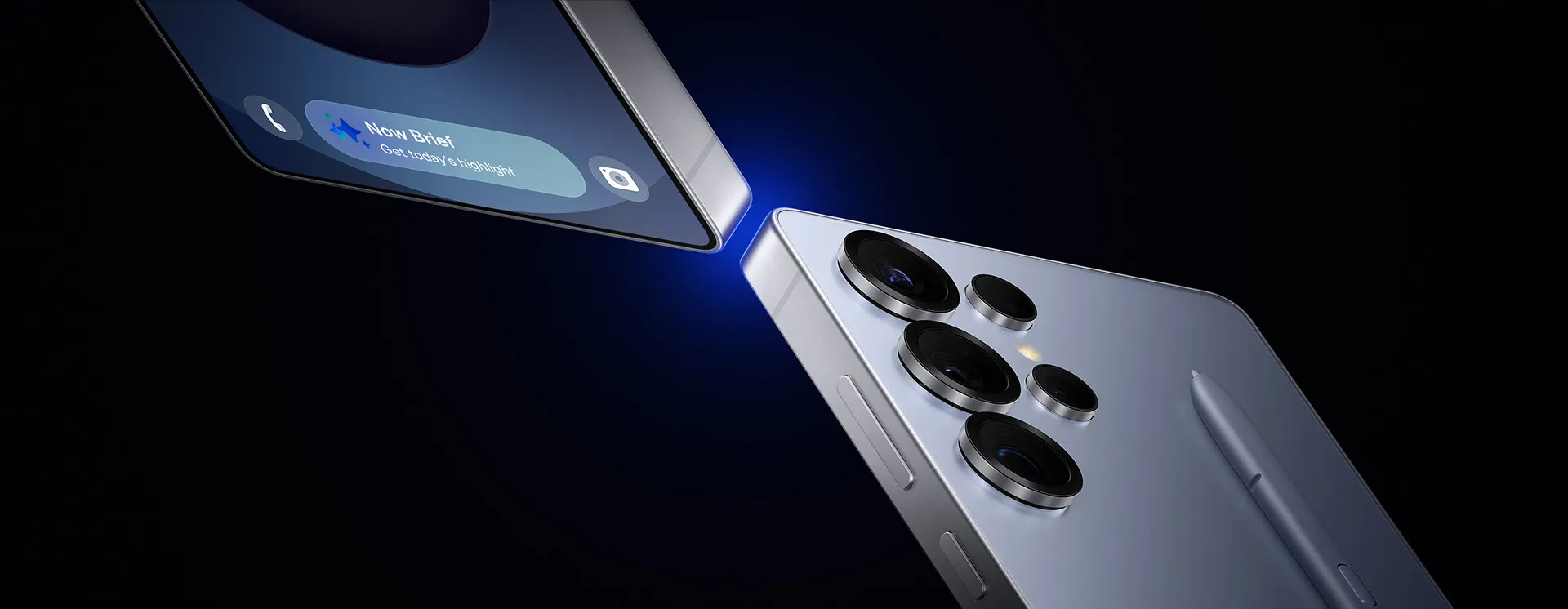
Camera specifications remain strategically consistent while focusing on sensor quality and computational improvements. The camera setup on the Ultra stays the same on paper: 200MP main, 50MP ultrawide, 10MP 3×, and 50MP 5×. Samsung's decision to maintain these specifications while likely upgrading to newer sensor generations demonstrates their focus on image quality improvements that matter more to users than headline specifications.
This approach allows Samsung to concentrate on areas like improved low-light performance, better dynamic range processing, and enhanced AI-driven scene optimization without getting caught up in megapixel competitions that often don't translate to better real-world photography experiences.
Charging capabilities finally receive the upgrade that power users have been demanding. The Ultra features 60W charging, up from the S25 Ultra's 45W. This 33% increase addresses Samsung's competitive disadvantage against Chinese manufacturers who have been offering faster charging for years, bringing the Ultra closer to industry-leading charging speeds without compromising Samsung's typically conservative approach to thermal management and long-term battery health.
The physical design evolution continues Samsung's trend toward more refined flagship hardware that balances premium materials with practical usability. The Ultra has a slimmer, lighter frame at 7.9mm and 214g, making this massive phone more manageable for daily use. The processor strategy also ensures global consistency, as the Ultra remains the global Snapdragon-exclusive model, eliminating the performance variations that could affect Samsung's premium positioning.
What this means for Samsung's 2026 strategy
These leaked specifications reveal Samsung's sophisticated response to an increasingly challenging smartphone market where revolutionary changes have become rare and consumer expectations center on reliability, refinement, and practical improvements over flashy innovations.
Samsung's return to regional processor variations represents a calculated risk management strategy in an era of supply chain uncertainties and rising component costs. By splitting the base and Plus models between Snapdragon 8 Elite Gen 5 and Exynos 2600 depending on market, Samsung can leverage their own foundry capabilities while maintaining flexibility in component sourcing. The decision to keep the Ultra globally consistent with Snapdragon ensures their flagship positioning remains uncompromised across all markets.
The storage strategy shift reflects Samsung's understanding of modern user behavior patterns and their willingness to absorb higher component costs to improve customer satisfaction. By eliminating 128GB configurations and starting at 256GB, Samsung reduces a common source of buyer frustration while positioning their devices more competitively against Apple's storage offerings.
Samsung's focus on efficiency improvements—enhanced battery capacity, more efficient displays, and optimized processors—demonstrates their recognition that smartphone users increasingly value practical daily performance over benchmark-topping specifications. The consistent trend toward thinner, lighter designs while maintaining or improving battery life showcases engineering maturity that should translate to measurably better user experiences.
The charging speed upgrade specifically for the Ultra model shows Samsung's selective approach to competitive positioning. Rather than universally adopting faster charging across the lineup, they're strategically targeting the flagship segment where competition with Chinese manufacturers is most intense, while maintaining their historically conservative approach to thermal management and battery longevity.
Bottom line: The Galaxy S26 series represents Samsung's evolution toward strategic refinement over revolutionary change. This approach prioritizes addressing specific user pain points and competitive gaps while maintaining the design language and feature reliability that made the S25 series successful. Whether this measured strategy resonates with consumers expecting more dramatic technological leaps will ultimately determine Samsung's market positioning against increasingly aggressive competition from both premium and value-focused manufacturers.








Comments
Be the first, drop a comment!